Is Perlite And Vermiculite the Same: Key Differences Explained
Are you wondering whether perlite and vermiculite are the same thing? If you’re diving into gardening or looking to improve your soil, this question probably crossed your mind.
Both materials look similar at a glance and are often used to enhance soil, but they serve very different purposes. Understanding how each one works can make a huge difference in your plant’s health and growth. Keep reading, and you’ll discover the key differences between perlite and vermiculite—and learn exactly which one you should choose to give your plants the best care possible.
Perlite Features
Perlite is a popular soil amendment known for its unique features. It supports healthy plant growth by improving soil conditions. This section explores the main features of perlite.
Understanding perlite’s qualities helps gardeners choose the right soil mix. Its properties differ from other materials like vermiculite.
Appearance And Texture
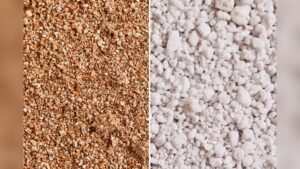
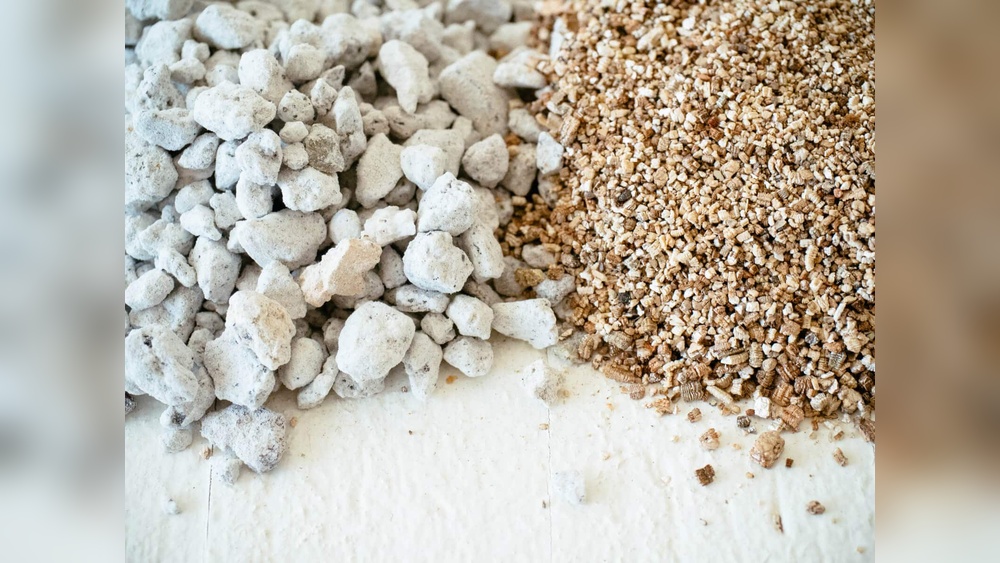
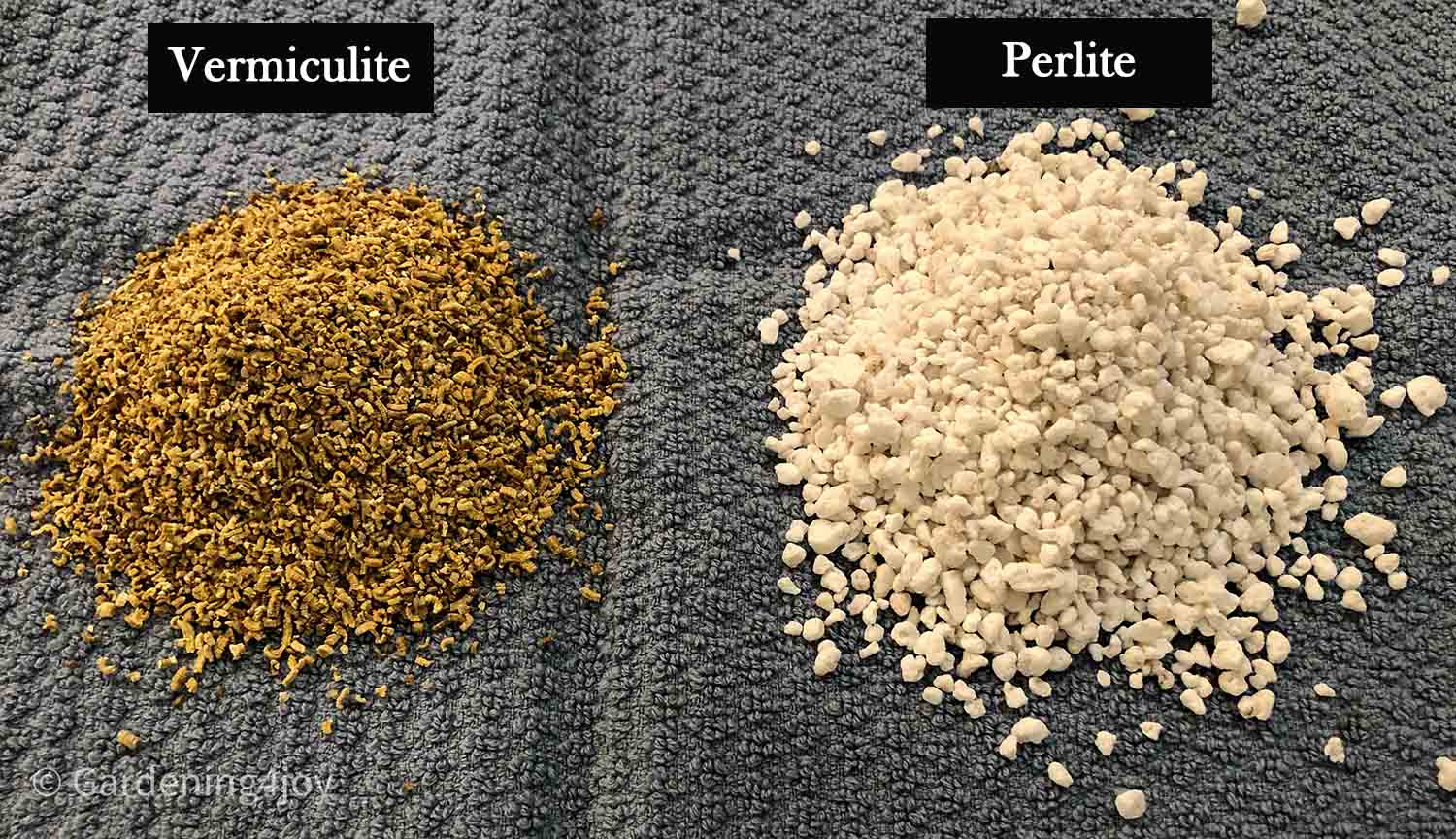
Perlite looks like small, white balls. It has a hard, porous texture. The surface is rough but lightweight. It resembles tiny pieces of Styrofoam. This makes it easy to spot in soil mixes.
Function In Soil
Perlite improves soil drainage and air flow. It prevents soil from becoming compacted. Its porous nature allows roots to breathe better. This helps plants grow strong and healthy.
Water Retention
Perlite holds some water on its surface. It releases water quickly to the soil. It does not keep water inside like a sponge. This feature prevents root rot and overwatering issues.
Ideal Plant Types
Perlite suits plants that need well-drained soil. It works best for cacti and succulents. Orchids and rooting cuttings also benefit from perlite. These plants thrive in airy, dry conditions.

Credit: www.youtube.com
Vermiculite Features
Vermiculite is a popular soil amendment known for its unique properties. It improves soil quality by holding water and nutrients well. Many gardeners choose vermiculite to help young plants grow strong. Its lightweight texture also makes it easy to mix with other soil types.
Understanding vermiculite’s features helps you decide if it fits your gardening needs. Below are its main characteristics explained clearly.
Appearance And Texture
Vermiculite looks like small, shiny flakes. These flakes are brown or golden in color. They have a soft, spongy feel. The texture is light and airy. This makes vermiculite easy to handle and mix into soil.
Function In Soil
Vermiculite holds onto water and nutrients tightly. It slowly releases them to plant roots. This helps plants get a steady supply of what they need. Vermiculite also improves soil aeration without drying it out. It prevents soil from becoming too compact.
Water Retention
Vermiculite absorbs and keeps a lot of water. It acts like a sponge inside the soil. This means plants can access water even during dry periods. It also helps keep soil moist for longer. Good water retention reduces the need for frequent watering.
Ideal Plant Types
Vermiculite suits plants that like moist soil. It works well for seeds and seedlings. Ferns, vegetables, and moisture-loving houseplants thrive with vermiculite. It supports plants that need steady moisture and nutrient supply. Use vermiculite to help delicate roots grow strong.
Comparing Key Traits
Understanding the key traits of perlite and vermiculite helps choose the right soil amendment. Both improve soil but differ in important ways. These differences affect plant health and growth. Comparing their drainage, texture, and nutrient holding shows clear distinctions.
Knowing these traits guides gardeners to better results. Each material suits specific plant needs and soil conditions. Let’s explore how perlite and vermiculite compare in three main areas.
Drainage Vs Retention
Perlite is excellent for drainage and air flow. Its porous nature lets water drain quickly. This prevents root rot in plants that dislike wet soil.
Vermiculite holds water like a sponge. It absorbs moisture and releases it slowly. This helps plants needing consistent moisture stay healthy.
Use perlite to dry out soil faster. Choose vermiculite to keep soil moist longer.
Texture Differences
Perlite feels light and gritty. It looks like small white balls. This texture creates air pockets in soil.
Vermiculite is soft and spongy. It has brown to golden flakes. These flakes swell when wet, adding bulk and softness.
Texture affects soil structure and root comfort. Perlite adds crunch, vermiculite adds cushion.
Nutrient Holding Capacity
Perlite holds few nutrients. It mainly supports aeration and drainage. Nutrients wash through it quickly.
Vermiculite has good nutrient-holding ability. It stores minerals and releases them to roots. This helps young or nutrient-hungry plants.
Choose vermiculite for soils needing better nutrient retention. Use perlite if nutrients come from fertilizer or compost.

Credit: www.supremeperlite.com
Using Perlite And Vermiculite Together
Using perlite and vermiculite together creates a balanced soil mix. Each material has unique qualities that support plant growth. Combining them helps improve soil structure and moisture control. This mix works well for many gardening needs. It offers better aeration and water retention than using either alone.
Benefits Of Mixing
Mixing perlite and vermiculite improves drainage and water retention. Perlite adds air pockets, preventing soil compaction. Vermiculite holds water and nutrients for plant roots. Together, they create a light, loose soil texture. This mix reduces risks of overwatering and root rot. It also promotes healthy root development. Plants get both oxygen and moisture in the right balance.
Application Examples
Use the mix for seed starting to keep soil moist but not soggy. It suits container plants by improving soil aeration. Garden beds benefit from better drainage and nutrient retention. The mix works well for succulents and moisture-loving plants alike. It also helps with potting mixes for cuttings and transplants. This blend supports strong, healthy plant growth in many settings.
Credit: www.gardening4joy.com
Frequently Asked Questions
Which Is Better Perlite Or Vermiculite?
Perlite improves soil drainage and aeration, ideal for succulents. Vermiculite retains moisture and nutrients, best for seed starting. Choose perlite for dry-loving plants and vermiculite for moisture-loving ones. Combining both balances drainage and water retention effectively.
When Not To Use Perlite?
Avoid using perlite in soils that require high moisture retention or for plants needing constant water supply. Do not use it in waterlogged or heavy clay soils without amendments. Perlite can dry out roots quickly, harming moisture-loving plants like ferns or seed starters.
Do I Need Both Perlite And Vermiculite?
You don’t always need both perlite and vermiculite. Use perlite for drainage and aeration, vermiculite for moisture and nutrient retention. Combining them balances soil conditions for diverse plants and growing needs.
What To Use Instead Of Perlite?
Use vermiculite, pumice, coarse sand, rice hulls, or coconut coir as alternatives to perlite for soil aeration and drainage.
Conclusion
Perlite and vermiculite serve different purposes in gardening. Perlite helps soil drain well and keeps roots healthy. Vermiculite holds water and nutrients, aiding seed growth. Both improve soil but in unique ways. Choose based on your plant’s needs. Understanding their differences leads to better plant care.
Simple but important.