Is Perlite the Same As Vermiculite? Key Differences Explained
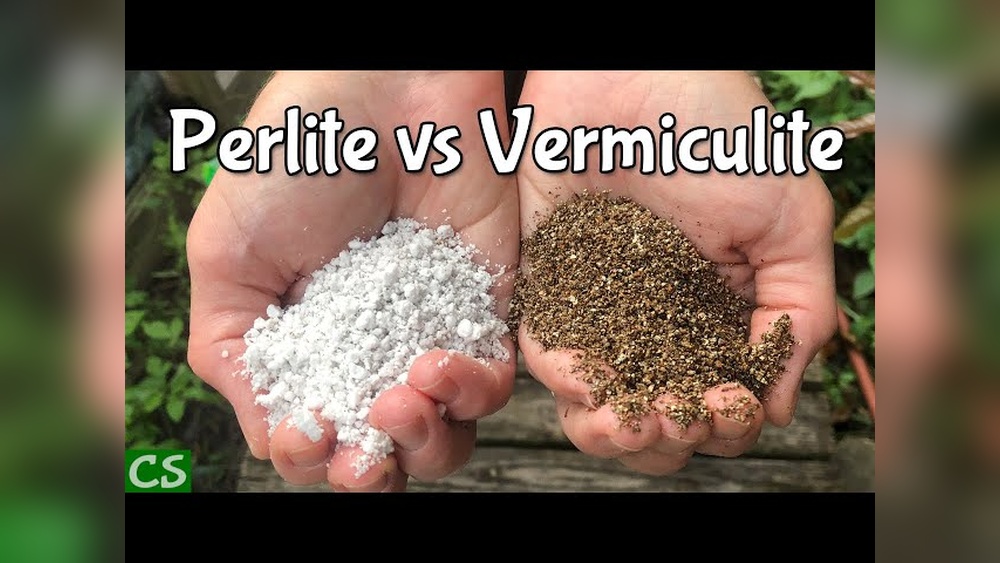
Are you confused about whether perlite and vermiculite are the same? You’re not alone.
These two soil additives look similar and are often mentioned together, but they serve very different purposes for your plants. Knowing the differences can make a huge impact on how well your garden thrives. You’ll discover what sets perlite and vermiculite apart, when to use each one, and which might be best for your specific gardening needs.
Keep reading to make sure you’re giving your plants exactly what they need to grow strong and healthy.
:max_bytes(150000):strip_icc()/SPR-vermiculite-vs-perlite-6455754-hero-1a2d3e14e0584fbaa4a990ebef1d494b.jpg)
Credit: www.thespruce.com
Perlite Basics
Perlite is a popular soil amendment used in gardening and horticulture. It improves soil aeration and drainage, making it easier for roots to grow strong. This lightweight material is often compared to vermiculite, but they have different properties. Understanding perlite starts with its origin, physical traits, and common uses.
Origin And Formation
Perlite is a type of volcanic glass. It forms when lava cools quickly and traps water inside. When heated, this water turns to steam and expands the glass. This process creates tiny, white, porous beads. These beads are what gardeners use in soil mixes.
Physical Properties
Perlite is lightweight and white in color. It has a porous texture that holds air well. It does not hold much water, so it helps prevent soil from becoming waterlogged. Perlite is sterile and does not decompose over time. It also does not compact, keeping soil loose.
Common Uses
Gardeners add perlite to potting mixes to improve drainage. It is useful for plants that need well-drained soil. Perlite is also used in seed starting mixes to keep soil light. It can be mixed with soil to improve root growth and oxygen flow. Some use perlite in hydroponic systems, but it can clog pumps.

Credit: www.gardening4joy.com
Vermiculite Basics
Vermiculite is a popular soil amendment used in gardening and horticulture. It helps improve soil quality by increasing water retention and aeration. Understanding the basics of vermiculite can clarify how it differs from similar materials like perlite.
Vermiculite’s unique properties make it valuable for many plant care and growing needs. This section explores its origin, physical features, and common uses.
Origin And Formation
Vermiculite is a natural mineral that forms from mica. Mica is heated and expands into lightweight, accordion-like particles. This expansion creates spaces that trap air and water. The process makes vermiculite ideal for soil use and insulation.
Physical Properties
Vermiculite has a soft, spongy texture with a shiny, layered surface. It absorbs water easily and holds moisture well. The particles are lightweight but can swell when wet. Vermiculite also has good heat resistance and does not break down quickly in soil.
Common Uses
Gardeners add vermiculite to soil mixes to improve moisture retention and aeration. It supports seed germination and root growth. Vermiculite also works as a soil conditioner for houseplants and container gardens. Beyond gardening, it is used in construction for insulation and fireproofing.
Key Physical Differences
Understanding the key physical differences between perlite and vermiculite helps you choose the right soil amendment. Both improve soil quality but behave differently. Their texture, water retention, and aeration qualities vary. These differences affect plant growth and soil health.
Texture And Appearance
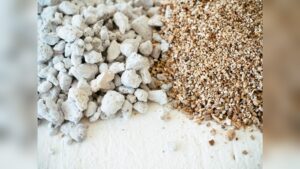
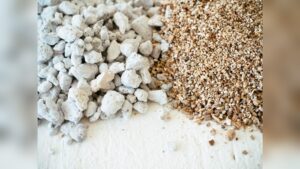
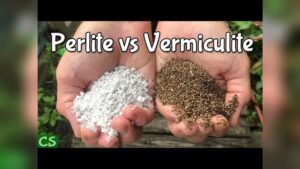
Perlite looks like small white, lightweight balls. It has a rough, porous texture. Vermiculite appears as shiny, brown or golden flakes. Its texture is soft and spongy. Perlite feels hard and brittle, while vermiculite feels smooth and flexible.
Water Retention Capacity
Perlite holds less water. It drains quickly and helps prevent waterlogging. Vermiculite absorbs and holds more water. It slowly releases moisture to plant roots. Vermiculite is better for plants needing steady moisture. Perlite suits plants that prefer drier soil.
Aeration Qualities
Perlite creates more air space in soil. It improves root oxygen supply and prevents compaction. Vermiculite offers some aeration but less than perlite. Its main role is water retention. Use perlite for better soil aeration and vermiculite for moisture control.
Impact On Soil And Plants
Perlite and vermiculite both improve soil but affect plants differently. Understanding their impact on soil and plants helps you choose the right one. Each material changes soil moisture, nutrients, and suitability for plant types. These differences guide gardeners in creating ideal growing conditions.
Effects On Moisture Levels
Perlite improves drainage by allowing excess water to flow out. It keeps soil light and airy but dries out quickly. Vermiculite holds water like a sponge and releases it slowly. It keeps soil moist longer, which benefits plants that need steady moisture.
Nutrient Holding Ability
Vermiculite holds nutrients well and releases them to plant roots. It acts like a reservoir for minerals and helps plants grow strong. Perlite does not hold nutrients but helps oxygen reach roots. It is best used with added fertilizers to support plant nutrition.
Suitability For Different Plant Types
Perlite suits plants needing fast drainage and less water, such as succulents and cacti. Vermiculite works best for moisture-loving plants like ferns, seedlings, and vegetables. Choosing the right material depends on the plant’s water and nutrient needs.
When To Choose Perlite
Choosing the right soil amendment helps plants thrive. Perlite is a popular choice for many gardeners. It improves soil aeration and drainage. Knowing when to pick perlite can boost plant health and growth.
Perlite works best in specific soil types and with certain plants. It also has limits to keep in mind. Understanding these points guides better gardening decisions.
Ideal Soil Types
Perlite suits heavy or compacted soils. It loosens clay soil, allowing roots to breathe. It also helps sandy soil by holding moisture without making it soggy. This balance prevents root rot and promotes healthy growth.
Use perlite in potting mixes that need good drainage. It keeps soil light and fluffy, ideal for container plants. Avoid using perlite in soils that already drain too fast.
Best Plant Matches
Succulents and cacti benefit from perlite’s drainage boost. Their roots need air and dry conditions. Houseplants like orchids and African violets also grow well with perlite.
Perlite suits plants that dislike wet feet. It prevents waterlogging and root diseases. Use it for seedlings that need good airflow but not constant moisture.
Limitations To Consider
Perlite dries soil quickly, so avoid it for moisture-loving plants. Ferns, peace lilies, and calatheas prefer consistently damp soil. Perlite is not good in heavy clay or very sandy soils where it may separate or float.
Avoid perlite in hydroponics systems as it can clog pumps. Some plants like spider plants and dracaena are sensitive to fluoride in perlite. Also, people with respiratory issues should handle perlite carefully due to dust.
When To Choose Vermiculite
Choosing vermiculite is best when your plants need extra moisture and nutrients. Vermiculite holds water well and releases nutrients slowly. It helps improve soil texture for better root growth. This section explains when vermiculite fits best for your gardening needs.
Ideal Soil Types
Vermiculite works well in sandy soils to increase water retention. It also suits light, loamy soils that drain too quickly. This mineral keeps moisture longer, preventing drought stress. Avoid vermiculite in heavy clay soils, as it may cause compaction.
Best Plant Matches
Choose vermiculite for moisture-loving plants like ferns and peace lilies. Seedlings benefit from its ability to keep soil damp. It supports plants needing steady moisture, such as African violets and begonias. Vermiculite aids plants sensitive to dry conditions.
Limitations To Consider
Vermiculite can retain too much water in poorly drained soils. Excess moisture may lead to root rot or fungal problems. It is not ideal for plants requiring very dry soil. Vermiculite also tends to break down over time, needing replacement.
Common Misconceptions
Many gardeners confuse perlite and vermiculite. Both are popular soil additives but serve different purposes. This confusion leads to myths about their use and safety. Clearing these myths helps in choosing the right product for your plants.
Interchangeability Myths
Perlite and vermiculite are not interchangeable. Perlite is a volcanic glass that improves drainage. Vermiculite is a mineral that holds moisture and nutrients. Using one instead of the other can harm plant health. Choose based on your soil and plant needs.
Effectiveness Myths
Some believe both materials work the same way. Perlite keeps soil airy and fast-draining. Vermiculite retains water and nutrients longer. Using perlite where moisture retention is needed can dry out plants. Vermiculite in heavy soil may cause poor drainage.
Safety Concerns
Concerns about dust from perlite and vermiculite exist. Perlite dust can irritate the lungs if inhaled. Vermiculite may contain asbestos if not sourced properly. Always buy from trusted suppliers. Use masks when handling loose material to avoid breathing dust.
Alternatives And Complements
Exploring alternatives and complements to perlite and vermiculite can improve your soil’s health. Different soil amendments offer unique benefits. Knowing these options helps you create the best environment for your plants.
Other Soil Amendments
Peat moss holds moisture well and adds organic matter. Coconut coir is a sustainable alternative to peat moss. It improves aeration and water retention. Sand improves drainage in heavy soils but holds little nutrients. Compost enriches soil with nutrients and beneficial microbes. Gypsum breaks up clay soils and improves structure without changing pH.
Combining Perlite And Vermiculite
Using perlite and vermiculite together balances drainage and moisture retention. Perlite creates air pockets, preventing soil compaction. Vermiculite holds water and nutrients near roots. Their combination suits many plant types and soil conditions. It enhances root growth and overall plant health.
Organic Options
Worm castings enrich soil naturally with nutrients and microbes. Leaf mold improves soil texture and water retention. Well-rotted manure adds nutrients and organic matter. These organic options support soil life and improve fertility. They work well with or instead of mineral amendments.
Handling And Safety Tips
Handling perlite and vermiculite requires care to avoid health risks. Both materials produce fine dust that can irritate the lungs and eyes. Proper safety steps help keep you safe and make gardening easier. Below are key tips for handling these soil amendments safely.
Dust And Respiratory Issues
Perlite and vermiculite release small dust particles when disturbed. Breathing in this dust may cause coughing or throat irritation. People with asthma or lung problems should avoid exposure. Wearing a mask helps protect your lungs from dust. Work in a well-ventilated area to reduce dust buildup. Wetting the materials slightly before use can lower dust release.
Safe Usage Practices
Use gloves to protect your skin from irritation. Avoid shaking bags or pouring from a height. Handle materials gently to minimize dust clouds. Clean tools and work surfaces after use to remove dust residue. Avoid using perlite in enclosed spaces without airflow. Follow package instructions for best results and safety.
Storage Recommendations
Store perlite and vermiculite in sealed containers or bags. Keep them in a dry, cool place away from children and pets. Avoid exposure to moisture, which can reduce their effectiveness. Label containers clearly to prevent accidental misuse. Regularly check stored materials for damage or contamination.

Credit: www.youtube.com
Frequently Asked Questions
When Not To Use Perlite?
Avoid using perlite for moisture-loving plants, heavy clay or sandy soils, hydroponics, fluoride-sensitive plants, and if you have respiratory issues from dust. Choose vermiculite or compost for better water retention and soil structure in these cases.
What To Use Instead Of Perlite?
Use vermiculite, compost, coco coir, or gypsum instead of perlite. These improve moisture retention and soil structure effectively.
Do I Need Both Perlite And Vermiculite?
You don’t always need both perlite and vermiculite. Use perlite for drainage and aeration, vermiculite for moisture retention. Choose based on your plant’s needs and soil type.
Is Too Much Perlite Bad For Plants?
Too much perlite dries soil rapidly and may cause nutrient loss. It can harm moisture-loving plants and disrupt soil balance. Use it moderately for proper aeration and drainage.
Conclusion
Perlite and vermiculite serve different purposes in gardening. Perlite improves drainage and aeration but dries out quickly. Vermiculite holds water and nutrients, helping plants stay moist longer. Choosing the right one depends on your plant type and soil needs. Both can boost plant growth when used properly.
Understanding their differences helps you care for your garden better. Use perlite for well-draining soils and vermiculite for moisture-loving plants. This simple choice makes a big difference in plant health and growth.