Are Grow Bags Good for Tomatoes: Expert Tips for Thriving Plants
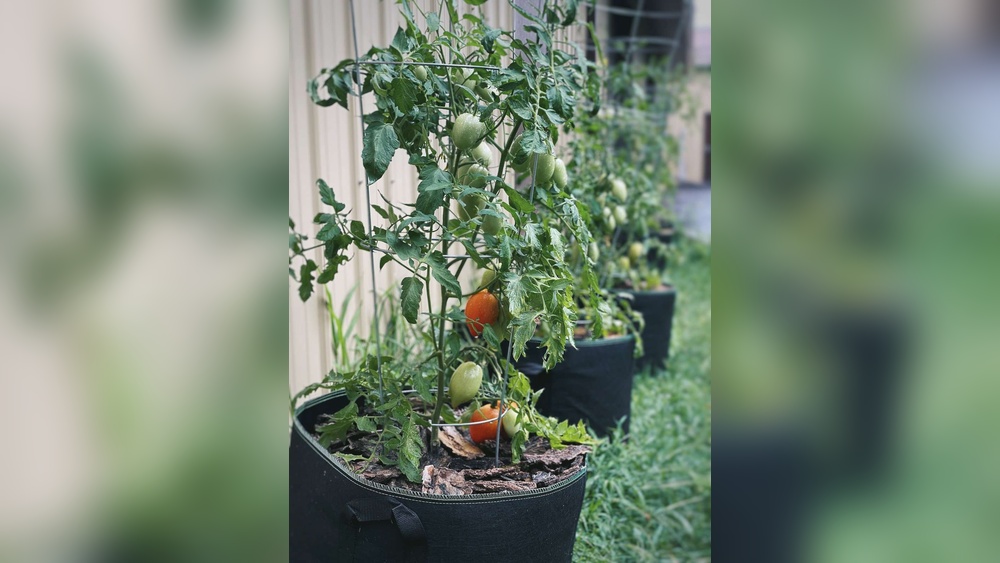
Are you wondering if grow bags are the right choice for growing your tomatoes? Whether you’re short on garden space or looking for an easier way to manage your plants, grow bags might just be the solution you need.
They promise better root health, improved air circulation, and even the flexibility to move your tomatoes around as needed. But do they really deliver juicy, flavorful tomatoes? You’ll discover the real benefits and potential challenges of using grow bags for tomatoes, helping you decide if this gardening method fits your needs perfectly.
Keep reading to unlock the secrets to thriving tomato plants in grow bags!
Benefits Of Grow Bags
Grow bags offer many advantages for growing tomatoes. They create a healthier environment for plants by improving root health and water flow. These bags are also easy to move and fit in various spaces. Choosing grow bags can help you grow strong tomato plants even in limited areas.
Improved Root Aeration
Grow bags are made of breathable fabric. This allows air to reach the roots easily. Good air flow helps roots grow strong and prevents root rot. It stops roots from circling inside the container. Healthy roots absorb nutrients and water better. This leads to healthier tomato plants and better fruit production.
Better Drainage
Grow bags drain water much faster than plastic pots. Excess water escapes through the fabric, stopping waterlogging. Well-drained soil prevents root diseases and keeps the plant healthy. Tomatoes need moist but not soggy soil. Grow bags help maintain the right moisture level for tomatoes to thrive.
Portability And Flexibility
Grow bags are lightweight and come with handles. You can move them easily to catch sunlight or avoid bad weather. This is helpful in small gardens or patios. You can also change the plant’s location based on the season. Grow bags fit well in tight spaces and allow gardening anywhere.
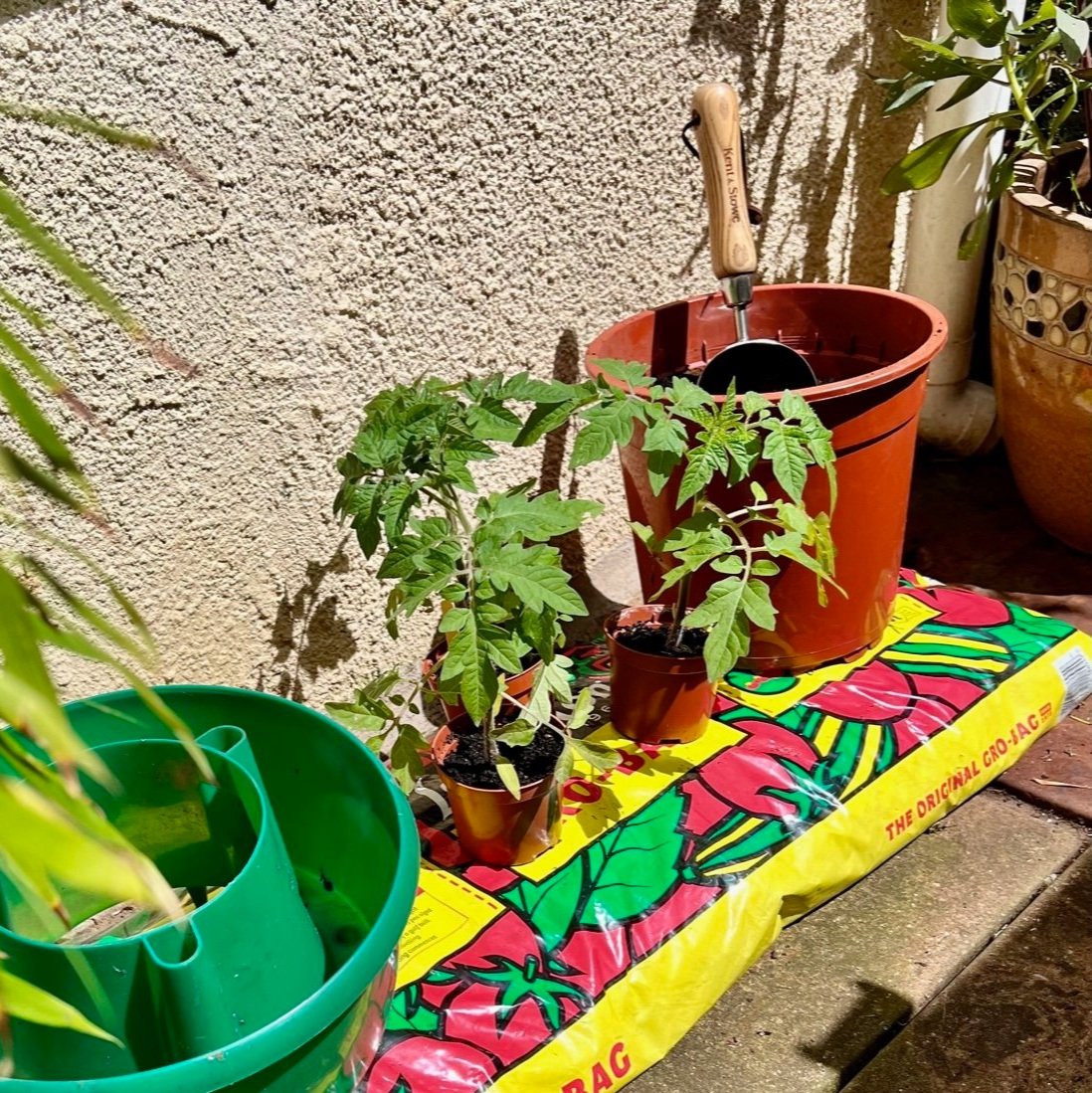
Credit: www.mudandbloom.com
Choosing The Right Grow Bag
Choosing the right grow bag plays a key role in growing healthy tomatoes. The right bag supports root growth and keeps the plant comfortable. It helps manage water and air flow to the roots. Picking the best grow bag means understanding size, material, and durability. These factors affect tomato growth and ease of care.
Ideal Size For Tomatoes
Tomato plants need enough space for roots to spread. A grow bag with at least 5 gallons (about 20 liters) works well. Larger bags, around 10 gallons, suit bigger tomato varieties. Smaller bags limit root growth and reduce fruit yield. Two tomato plants can fit in one 10-gallon grow bag. Depth is important too; about 12 inches deep allows healthy root development.
Material Options
Fabric grow bags are popular for tomatoes. They allow air to reach roots and improve drainage. This reduces root rot and keeps soil temperature stable. Plastic grow bags hold water but may cause root problems. Biodegradable bags are eco-friendly but last for one season only. Choose fabric bags for better airflow and longer use.
Durability And Features
Look for grow bags made with strong stitching and tough fabric. Handles help move bags easily, especially in bad weather. Some bags have reinforced sides to keep shape when filled with soil. UV-resistant material lasts longer outdoors. A durable grow bag protects your tomato plants and saves money over time.
Planting Tomatoes In Grow Bags
Planting tomatoes in grow bags offers a flexible way to grow fresh tomatoes at home. Grow bags provide good drainage and air circulation. These conditions help tomato roots stay healthy and strong. Using grow bags is ideal for small spaces like balconies or patios.
Here is how to prepare soil, plant tomatoes, and plan spacing in grow bags.
Soil Preparation
Use high-quality potting soil mixed with compost for best results. The soil should drain well but hold some moisture. Add slow-release fertilizer or organic nutrients to feed the plants. Avoid heavy garden soil that may compact and reduce airflow. Fill the grow bag about three-quarters full to leave room for watering and root growth.
Planting Techniques
Plant tomatoes deeper than in garden beds to encourage root development. Remove lower leaves and bury the stem up to the first set of true leaves. This helps the plant grow more roots along the stem. Water the soil well after planting. Use stakes or cages to support the plants as they grow tall. This prevents bending and breaking.
Spacing And Number Of Plants
Grow bags typically fit one or two tomato plants comfortably. Space plants at least 12 inches apart inside the bag. Crowding can reduce air flow and increase disease risk. Choose grow bags that are at least 10 to 15 gallons in size for each tomato plant. This size allows enough room for root growth and water retention.
Watering And Feeding Tips
Proper watering and feeding are essential for healthy tomato plants in grow bags. These bags hold less soil than garden beds, so plants need more attention to moisture and nutrients. Keeping the soil just right helps tomatoes grow strong and produce tasty fruit.
Watering Frequency
Tomatoes in grow bags need watering often. During warm weather, water daily to keep soil moist. In hot, dry conditions, watering twice a day may be necessary. Check the soil with your finger. If the top inch feels dry, it is time to water. Avoid letting the soil dry out completely.
Fertilizer Recommendations
Tomatoes need regular feeding to stay healthy. Use a balanced fertilizer with equal parts nitrogen, phosphorus, and potassium. Apply fertilizer every two weeks during the growing season. Slow-release fertilizers also work well in grow bags. Follow package instructions to avoid overfeeding, which can harm plants.
Managing Soil Moisture
Grow bags dry out faster than ground soil. Mulch the top of the soil to keep moisture in. Use organic mulch like straw or shredded leaves. Avoid overwatering, which can cause root rot. Good drainage is important, so ensure the grow bag has holes at the bottom. Water deeply to reach all roots.
Managing Pests And Diseases
Managing pests and diseases is crucial for growing healthy tomatoes in grow bags. These containers offer great drainage but can also create conditions where pests and diseases thrive. Careful attention helps keep plants strong and productive. Understanding common issues and how to prevent or treat them ensures a successful harvest.
Common Issues In Grow Bags
Tomato plants in grow bags often face pests like aphids, whiteflies, and spider mites. Fungal diseases such as blight and powdery mildew also appear. Root rot can develop if the soil stays too wet. Nutrient deficiencies sometimes weaken the plants, making them more vulnerable. Recognizing these problems early helps stop damage.
Preventive Measures
Choose high-quality soil that drains well to avoid waterlogging. Space plants properly to improve air circulation and reduce humidity. Inspect plants regularly for signs of pests or disease. Remove affected leaves or stems promptly. Use clean tools and avoid overwatering to keep roots healthy. Crop rotation or changing the soil mix each season also reduces risks.
Organic Treatment Options
Neem oil works well to control many common pests. Insecticidal soap is gentle and kills soft-bodied insects. Introducing beneficial insects like ladybugs helps reduce aphids naturally. Baking soda sprays can prevent fungal growth on leaves. Compost tea boosts plant immunity and soil health. These treatments keep tomatoes safe without harsh chemicals.
Supporting And Pruning Plants
Supporting and pruning tomato plants in grow bags is essential for strong growth and better fruit yield. These plants need proper support to prevent damage and pruning to focus energy on healthy leaves and fruits. Proper care helps tomatoes grow well in limited space, like grow bags.
Using Trellises And Stakes
Trellises and stakes keep tomato plants upright and tidy. Insert stakes or place a trellis early when planting tomatoes in grow bags. Tie the main stem gently with soft ties to avoid damage. This support stops branches from breaking and keeps fruits off the soil.
Using vertical support saves space and improves air flow around plants. It reduces the chance of diseases and makes harvesting easier. Choose sturdy stakes or a strong trellis that fits the size of your grow bag.
Pruning Techniques For Healthier Growth
Pruning removes extra leaves and small shoots called suckers. Suckers grow between the main stem and branches and can take energy from the plant. Cut them off carefully with clean hands or scissors. This helps the plant focus on growing bigger and healthier.
Remove yellow or damaged leaves to prevent disease. Pruning also improves air circulation inside the plant. Less crowded plants dry faster after watering or rain, lowering disease risk.
Encouraging Fruit Production
Pruning helps the tomato plant put energy into fruit production. By cutting excess growth, the plant uses more nutrients for fruit development. Focus on strong branches that hold fruit well.
Support heavy fruit clusters with ties to avoid branch breakage. Keep the grow bag soil moist but not waterlogged. Healthy roots and proper pruning lead to more and better tomatoes.
Seasonal Care And Maintenance
Seasonal care and maintenance play a crucial role in growing healthy tomatoes in grow bags. Proper preparation and upkeep help your plants thrive throughout the year. This section covers key steps to protect your grow bags and extend their use beyond one season.
Preparing Grow Bags For Winter
Before winter, remove all plant debris from the grow bags. Empty the soil and compost any leftover organic material. Store grow bags in a dry, cool place to avoid mold and damage. If you leave soil in the bags, it may freeze and crack the fabric. Clean grow bags dry thoroughly to prevent mildew during storage. Proper storage preserves the bags for the next planting season.
Extending The Growing Season
Grow bags allow you to extend the tomato growing season. Move bags indoors or to a sheltered spot when temperatures drop. Use row covers or mini greenhouses for extra warmth. Adding mulch on top of the soil keeps roots warm. Providing consistent moisture and light helps your tomatoes produce fruit longer. With these steps, you can enjoy fresh tomatoes beyond the usual season.
Reusing And Cleaning Grow Bags
Reusing grow bags saves money and reduces waste. After each season, wash the bags with mild soap and water. Scrub gently to remove dirt and salt buildup. Rinse thoroughly and let them air dry completely. Avoid using harsh chemicals that can harm future plants. Clean grow bags prevent disease and support strong tomato growth in the next cycle.

Credit: serendipitylifegarden.wordpress.com
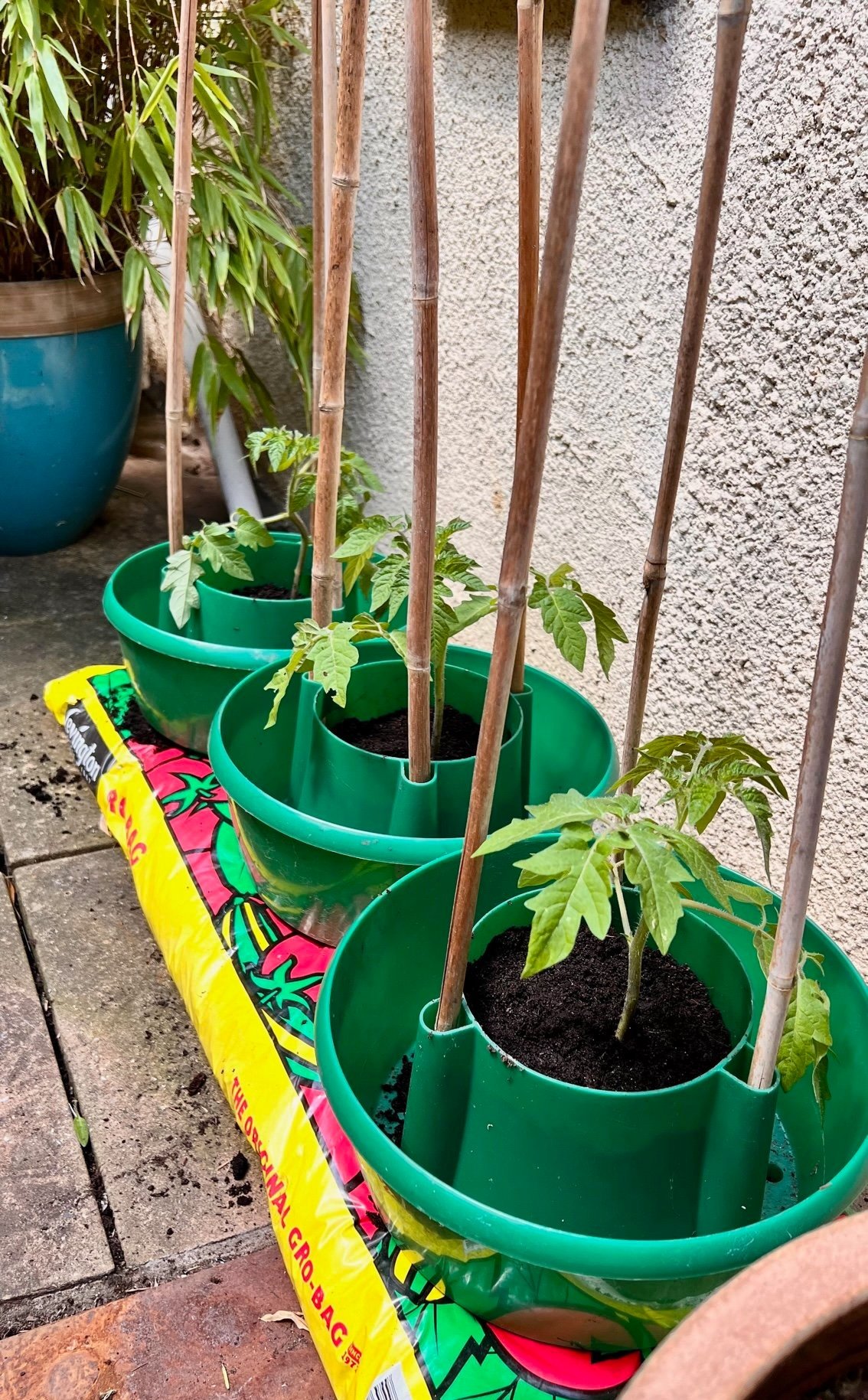
Credit: www.mudandbloom.com
Frequently Asked Questions
How Many Tomatoes Can You Grow In A Grow Bag?
You can grow two tomato plants per standard 5-gallon grow bag. This ensures enough space and nutrients for healthy growth.
How Deep Should A Grow Bag Be For Tomatoes?
A grow bag for tomatoes should be at least 12-18 inches deep. This depth supports strong root growth and healthy plants.
What Are The Best Grow Bags For Tomatoes?
The best grow bags for tomatoes are breathable fabric bags. They promote strong roots, healthy plants, and easy mobility during storms or winter. Choose sturdy, well-ventilated fabric bags with handles for optimal tomato growth.
How Often Should I Water A Tomato Plant In A Grow Bag?
Water tomato plants in grow bags daily during hot weather. In cooler conditions, water every 2-3 days. Check soil moisture regularly. Avoid overwatering to prevent root rot. Adjust frequency based on temperature, wind, and plant size for healthy growth.
Conclusion
Grow bags offer a simple way to grow healthy tomatoes. Their breathable fabric helps roots get air and water. They also prevent soil from becoming too wet. Tomatoes grow well with proper watering and sunlight in these bags. Grow bags save space and make gardening easy for small areas.
They allow moving plants if weather changes. For gardeners with limited room, grow bags are a smart choice. Try grow bags to enjoy fresh tomatoes at home with less hassle.