Best Way to Grow Potatoes in a Bag: Simple Tips for Big Harvests
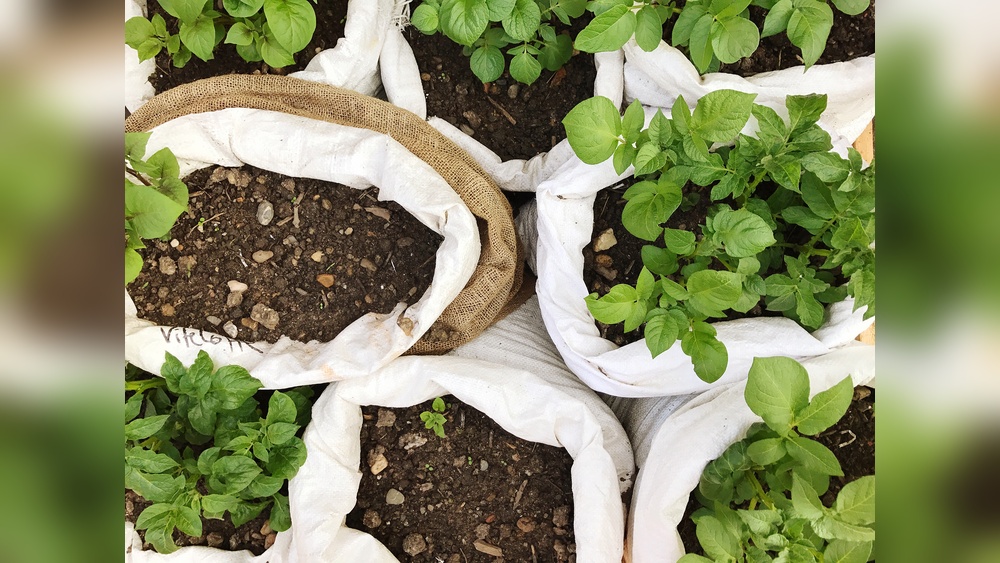
Are you ready to grow your own fresh potatoes but short on space? Growing potatoes in a bag might be the perfect solution for you.
It’s simple, space-saving, and surprisingly effective—whether you have a small backyard, balcony, or even just a sunny spot indoors. Imagine harvesting crisp, homegrown potatoes without the need for a large garden bed. In this guide, you’ll discover the best way to grow potatoes in a bag, step by step, so you can enjoy a bountiful harvest with minimal effort.
Keep reading, and you’ll learn how to turn a simple bag into a potato-growing powerhouse!
Choosing Potato Varieties
Choosing the right potato variety is key to a successful potato harvest in a bag. Different types grow at different speeds and have varying space needs. Selecting a variety that fits your climate and bag size helps you get the best yield. Potatoes come in early and mid-season types. Each type has its own benefits and suits specific growing conditions.
Early Vs Mid-season Types
Early potato varieties grow fast and mature within 10 to 12 weeks. They produce smaller potatoes but allow you to harvest sooner. These types suit short growing seasons or small spaces.
Mid-season potatoes take longer, about 14 to 16 weeks, to mature. They grow larger tubers and often have better flavor. These are good for gardeners who want a bigger harvest and can wait longer.
Choosing between early and mid-season types depends on your climate and how much time you have. Early types can be harvested before the heat of summer. Mid-season types can handle warmer weather better and yield more.
Best Varieties For Bags
Some potato varieties do better in bags due to their size and growth habits. Compact and bushy plants fit well in limited soil.
For early potatoes in bags, consider ‘Rocket’ or ‘Red Duke of York.’ They grow quickly and produce tasty, firm tubers.
Mid-season choices like ‘Charlotte’ or ‘Yukon Gold’ work well. They offer good size and smooth skin with excellent flavor.
Choose seed potatoes certified disease-free to avoid problems. Healthy seed potatoes grow strong plants and good crops.
Selecting The Right Bag
Selecting the right bag is key to growing healthy potatoes in a bag. The bag acts as the container and growing space. It must provide enough room for the potatoes to grow and allow good air and water flow. Choosing the proper bag affects the size and quality of your potato harvest. This section helps you pick the best bag for your potato garden.
Material Options
Bags come in different materials like plastic, fabric, and burlap. Fabric bags are popular because they let air reach the roots. This prevents water buildup and root rot. Plastic bags hold moisture well but may cause poor drainage. Burlap bags offer natural breathability but can break down faster outdoors. Pick a material that suits your climate and watering habits.
Size Recommendations
Choose a bag size that fits the number of seed potatoes. A 10-15 gallon bag works well for 3-4 seed potatoes. Smaller bags limit growth and reduce yield. Larger bags give more space but need more soil and water. Make sure the bag is deep enough, at least 12 inches, to hold soil and allow tubers to develop fully.
Durability Concerns
Durability matters for reusable bags. Thick fabric bags resist tears and last several seasons. Thin bags may rip or degrade in sunlight. Check for strong handles to support the weight of soil and plants. Reinforced seams improve bag strength. Choose a bag built to handle outdoor conditions and the growing process.
Preparing Soil Mix
Preparing the right soil mix is essential for growing potatoes in a bag. It creates the perfect environment for roots to develop and tubers to grow strong. Good soil supports healthy plants and improves yield. Focus on soil texture, nutrients, and moisture control for best results.
Soil Components
Use a balanced mix of garden soil, compost, and coarse sand. Garden soil provides structure and nutrients. Compost adds fertility and beneficial microbes. Coarse sand improves air flow and loosens the soil. Avoid heavy clay or pure potting soil alone. This mix keeps roots healthy and encourages tuber growth.
Drainage Importance
Drainage is critical when growing potatoes in bags. Water must flow freely to avoid waterlogging. Excess moisture can cause rot and disease. Choose a bag with drainage holes at the bottom. Add a layer of small stones or broken pottery for better drainage. Well-drained soil keeps roots oxygenated and plants thriving.
Adding Organic Matter
Organic matter enriches soil with nutrients and improves water retention. Use well-rotted compost or aged manure. Mix it thoroughly into the soil blend. Organic matter feeds microbes that support plant health. It also helps soil hold moisture without becoming soggy. This balance boosts potato growth and tuber size.
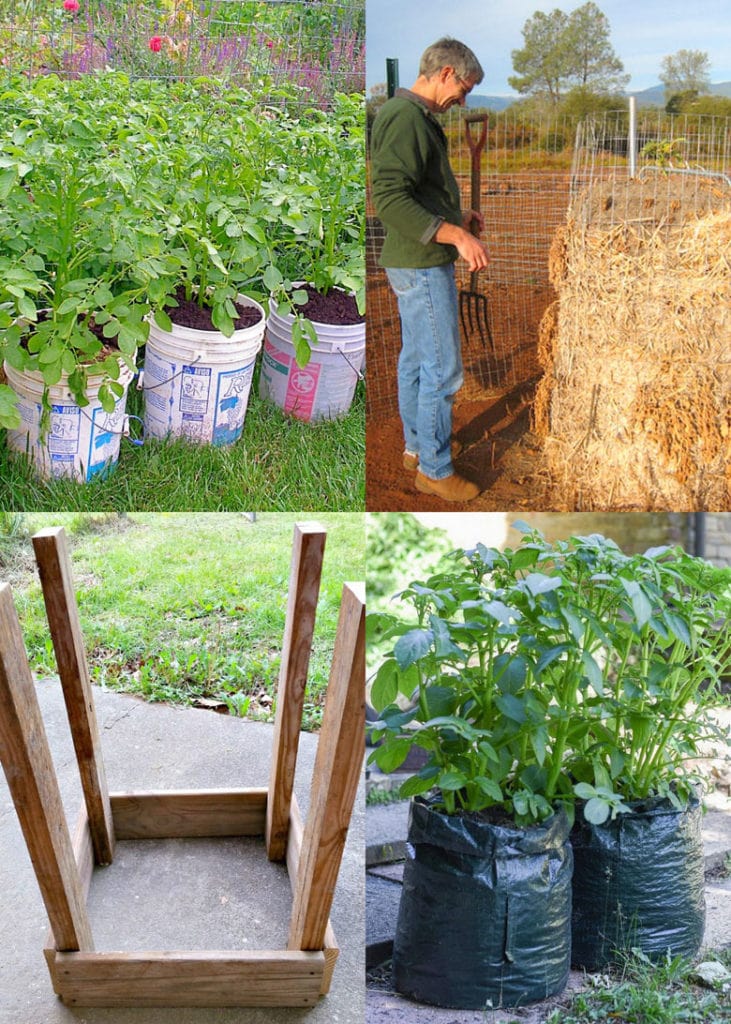
Credit: www.apieceofrainbow.com
Planting Potatoes In Bags
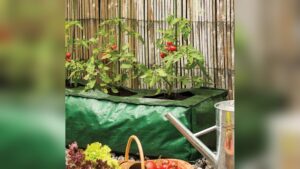
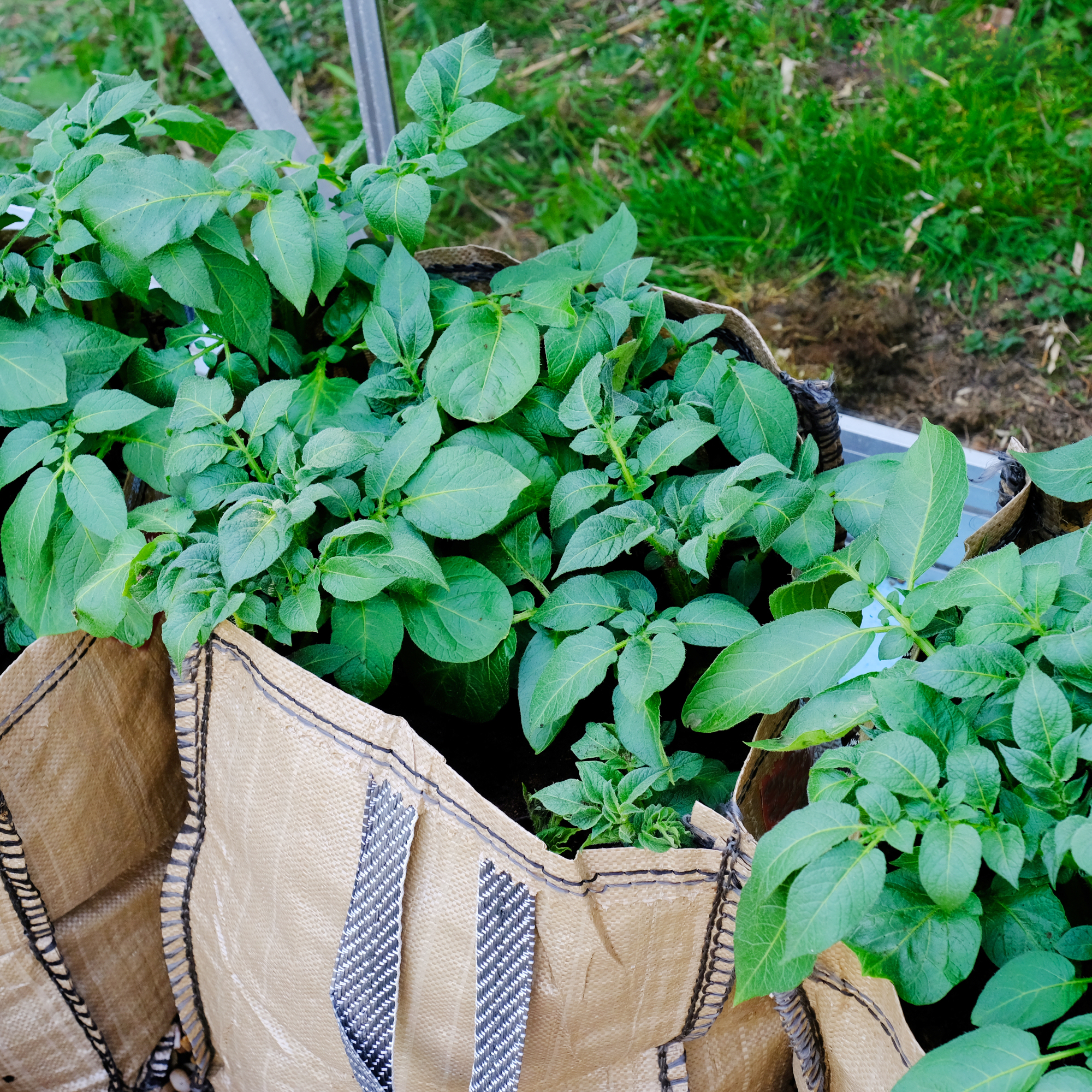
Growing potatoes in bags offers a simple and space-saving way to enjoy fresh homegrown potatoes. Bags provide good drainage and help control soil conditions. This method suits small gardens, balconies, and patios. Planting potatoes in bags needs some basic steps to ensure a good harvest.
Seed Potato Preparation
Choose healthy seed potatoes with firm skin and no signs of disease. Cut large seed potatoes into pieces, each with at least one or two eyes. Let the cut pieces dry for a day or two to form a protective layer. This reduces the risk of rot when planted.
Planting Depth And Spacing
Fill the bag with about 4 to 6 inches of soil or compost. Place seed potato pieces on the soil surface, eyes facing up. Cover them with another 4 inches of soil. Keep spacing between pieces at least 6 inches to allow room for tubers to grow.
Layering Technique
As potato shoots grow, add more soil or compost to cover the stems, leaving the top leaves exposed. Repeat layering every few weeks until the bag is full or the plant stops growing. This method encourages more potatoes to develop along the buried stems.
Watering Techniques
Watering potatoes grown in bags needs careful attention. Proper watering helps potatoes grow healthy and strong. Too much or too little water can harm the plants. Learn how to water correctly to get a good harvest.
Frequency And Amount
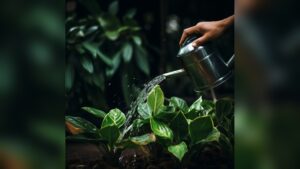
Water potatoes in bags regularly to keep the soil moist. Check the soil surface every day. Water the plants when the top inch feels dry. Give enough water to wet the soil fully but not soak it. Usually, watering every two to three days works well. Adjust based on weather and temperature.
Preventing Overwatering
Too much water causes root rot and weak plants. Avoid making the bag soggy or waterlogged. Ensure the bag has good drainage holes. Let excess water drain out to keep roots healthy. Use your finger to test soil dampness before watering again. Stop watering if the soil feels wet below the surface.
Dealing With Rapid Drying
Potatoes in bags can dry out quickly, especially in hot weather. Mulch the top of the soil with straw or leaves to keep moisture in. Water early in the morning or late in the evening to reduce evaporation. Check soil moisture more often on sunny or windy days. Increase watering frequency if the soil dries fast.
Credit: www.gardeningknowhow.com
Sunlight And Temperature
Sunlight and temperature play a key role in growing potatoes in a bag. Potatoes need the right amount of light and warmth to sprout well and develop healthy tubers. Too much sun or heat can harm the plants, while too little can slow growth. Managing these conditions carefully leads to a better harvest.
Ideal Light Conditions
Potatoes grow best in full sunlight. Aim for at least 6 hours of direct sun daily. This helps the plants make energy and develop strong stems. Place the bag in a bright spot, such as a sunny patio or balcony. Avoid shady areas, as low light weakens the plants and reduces yield.
Managing Heat Stress
High temperatures can stress potato plants. When temperatures rise above 85°F (29°C), plants may stop growing. To protect them, move bags to a shaded area during hot afternoons. Water the plants regularly to keep soil moist but not soggy. Mulching the bag’s surface helps keep roots cool and soil moist.
Frost Protection Tips
Potatoes are sensitive to frost, especially young shoots. Cover the bag with a frost cloth or old sheets when frost is expected. Move the bag indoors or to a sheltered spot if possible. Remove covers during the day to allow sunlight and air circulation. Protecting from frost prevents damage and supports steady growth.
Fertilizing For Big Harvests
Fertilizing is key to growing large, healthy potatoes in a bag. The right nutrients help tubers develop fully and boost overall yield. Poor nutrition leads to small or misshapen potatoes. Focus on feeding your plants well throughout their growth cycle. This section explains the best fertilizer types, when to apply them, and how to spot nutrient problems early.
Fertilizer Types
Potatoes need a balanced mix of nitrogen, phosphorus, and potassium. Use a fertilizer labeled for root vegetables or potatoes. Organic options like compost or well-rotted manure work well. These release nutrients slowly and improve soil texture. Chemical fertilizers provide quick nutrient boosts but use them sparingly to avoid burning plants. Adding some lime can also help if your soil is acidic.
Timing And Application
Start fertilizing when shoots appear above the soil. Apply fertilizer evenly around the base, avoiding direct contact with stems. A second feeding after the plants flower supports tuber growth. Water well after applying fertilizer to help nutrients reach roots. Stop fertilizing about two weeks before harvest to allow potatoes to mature and store starches.
Signs Of Nutrient Deficiency
Yellowing leaves often mean nitrogen is low. Pale or purplish leaves can indicate phosphorus shortage. Brown leaf edges or weak stems might signal potassium deficiency. Slow growth and small tubers also suggest poor nutrition. Regularly check your plants for these signs. Early action can save your harvest from failing.
Pest And Disease Control
Growing potatoes in a bag offers many benefits, but pest and disease control remains essential. Healthy plants produce better yields and tasty potatoes. Understanding common threats helps protect your crop early. Using natural methods keeps your garden safe and eco-friendly.
Common Pests
Potato beetles are a frequent problem. They eat leaves and weaken plants quickly. Aphids can spread viruses and cause leaf curl. Wireworms attack potato tubers underground, making holes and damage. Keep an eye on your plants daily to spot these pests early. Early detection can prevent serious damage.
Disease Prevention
Use certified seed potatoes to avoid carrying diseases. Rotate your potato bags to new soil each season. Wet soil encourages fungal growth; ensure bags drain well. Avoid watering leaves to reduce leaf blight risk. Remove dead or yellowing leaves to stop disease spread. Clean tools before and after use to protect plants.
Organic Control Methods
Handpick pests like beetles and aphids off plants. Spray neem oil or insecticidal soap for pest control. Introduce beneficial insects, such as ladybugs, to eat aphids naturally. Use diatomaceous earth around bags to deter crawling pests. Mulch with straw to keep soil moist and limit weed growth. These methods protect potatoes without harmful chemicals.
Harvesting Potatoes
Harvesting potatoes grown in a bag is an exciting moment. It shows the rewards of your care and patience. Proper harvesting ensures you get the best from your crop. It also helps keep the potatoes fresh and tasty for longer. Follow these tips to harvest potatoes the right way and enjoy a good yield.
When To Harvest
Wait until the potato plants start to yellow and die back. This usually happens 10 to 12 weeks after planting. Check the leaves; when they turn brown and dry, it’s time. Early varieties may be ready sooner, so keep an eye on growth. Avoid harvesting too early to prevent small, underdeveloped potatoes. Late harvests can risk rotting or damage from frost. Feel the soil around the bag gently to find mature potatoes.
Harvesting Methods
Empty the grow bag carefully to avoid bruising the potatoes. Tip the bag on its side and slowly remove the soil by hand. Use your fingers to find and pick out the tubers. Avoid using sharp tools, which can cut or damage potatoes. Shake off excess dirt and inspect each potato for any damage. Handle them gently to keep their skin intact. Collect all sizes, as small potatoes can be cooked or replanted.
Storing Your Crop
Store potatoes in a cool, dark, and dry place. Avoid sunlight, which turns potatoes green and toxic. Use a well-ventilated container like a basket or paper bag. Do not wash potatoes before storage; clean them gently with a dry cloth. Check stored potatoes regularly and remove any that show signs of rot. Proper storage can keep potatoes fresh for several months. Keep them away from onions, as both release gases that spoil each other.

Credit: www.youtube.com
Troubleshooting Common Issues
Troubleshooting common problems helps keep your potato plants healthy. Growing potatoes in a bag can face some typical issues. Recognizing these problems early improves your harvest. Follow simple steps to fix them and maintain good plant health.
Yellowing Leaves
Yellow leaves often mean your potatoes need more nutrients. Lack of nitrogen causes leaves to fade and wilt. Add a balanced fertilizer or compost to the soil in the bag. Overwatering can also make leaves yellow. Let the soil dry slightly before watering again. Check for pests like aphids, which can stress plants and cause yellowing.
Poor Tuber Development
Small or few tubers can happen if plants get too much sunlight. Potatoes like cool, shaded roots. Avoid letting the bag heat up in direct sun. Use quality seed potatoes to ensure good growth. Soil that is too compact or dry limits tuber size. Water consistently but do not soak the bag. Add mulch on top to keep moisture steady.
Bag Maintenance Tips
Keep the bag clean and free from old plant debris. Remove dead leaves to prevent disease. Check drainage holes regularly to avoid waterlogging. Turn the bag gently to aerate soil and help roots grow. Store bags in a shaded spot during very hot days. Use sturdy bags designed for gardening to last through the season.
Benefits And Drawbacks Of Grow Bags
Growing potatoes in bags offers a simple and flexible method for gardeners. It suits many environments and skill levels. There are clear benefits but also some drawbacks to consider. Understanding these helps you decide if grow bags fit your garden plans.
Advantages For Small Spaces
Grow bags save space for those with small yards or balconies. They allow potato cultivation without a large garden plot. Bags are portable, so you can move them to catch sunlight. This makes them ideal for urban or apartment gardeners.
They also reduce soil contamination risks. You control the soil quality inside the bag. This helps grow healthier potatoes free from pests or diseases in ground soil.
Challenges With Water Retention
Grow bags dry out faster than traditional garden beds. Their fabric sides allow air flow, which helps roots but increases evaporation. Frequent watering is necessary to keep soil moist. Uneven watering can lead to poor potato growth or rot.
Using mulch on top of the soil can help keep moisture. Choosing high-quality grow bags with thicker fabric improves water retention. Still, monitoring soil moisture daily is key to success.
Longevity And Replacement
Grow bags do not last forever. Most last for one or two growing seasons. Exposure to sun and water weakens the fabric over time. After a season, bags may tear or lose shape.
Replacing bags each year ensures a clean, safe environment for potatoes. Old bags may harbor pests or diseases. Investing in durable, reusable bags can reduce waste and save money in the long run.
Frequently Asked Questions
How Many Potatoes Should I Plant In A Bag?
Plant 3 to 5 seed potatoes in a 10-15 gallon bag. Space them evenly for healthy growth and good yield.
How Long Does It Take To Grow Potatoes In A Potato Bag?
Potatoes in a potato bag typically take 10 to 14 weeks to grow. Early varieties mature faster, around 70 days.
Can I Plant Potatoes In September In The Fall?
You can plant early or mid-season potatoes in September if temperatures cool down. Use well-drained soil and protect from frost. Fall planting reduces pests and provides a second harvest in long-season regions. Avoid planting in intense heat to ensure healthy growth.
What Are The Disadvantages Of Grow Bags?
Grow bags dry out quickly, needing frequent watering. They wear out after a few seasons and may cause root circling. Large bags can be hard to move, and non-biodegradable types harm the environment. They also lack the aesthetic appeal of traditional pots.
Conclusion
Growing potatoes in a bag saves space and is easy to manage. Choose good soil and plant healthy seed potatoes. Keep the bag in a sunny spot and water regularly. Watch your plants grow and add more soil as needed.
Harvest your potatoes when the plants turn yellow. This simple method fits small gardens or balconies well. Try it yourself and enjoy fresh potatoes at home. Gardening can be fun and rewarding with this easy technique.