Are Grow Bags Better Than Pots: Ultimate Gardening Showdown
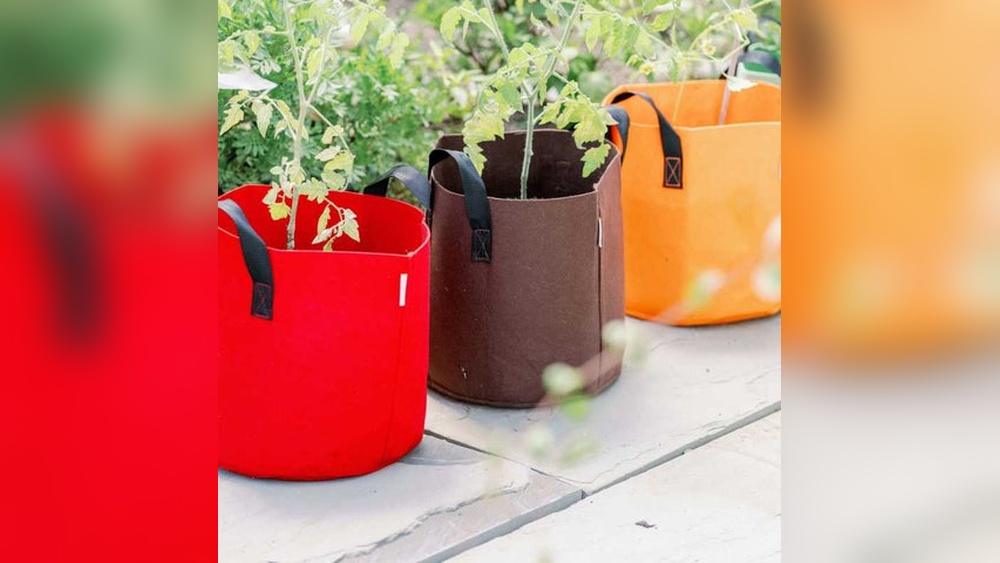
Are you wondering whether grow bags or traditional pots are better for your gardening needs? Choosing the right container can make a huge difference in how your plants grow and thrive.
You might have heard that grow bags offer unique benefits, but are they truly better than pots? This question matters if you want healthier plants, easier maintenance, and a more successful garden. You’ll discover the key differences, advantages, and drawbacks of both options.
By the end, you’ll know exactly which one suits your gardening style and helps your plants flourish. Keep reading to make the best choice for your green space!
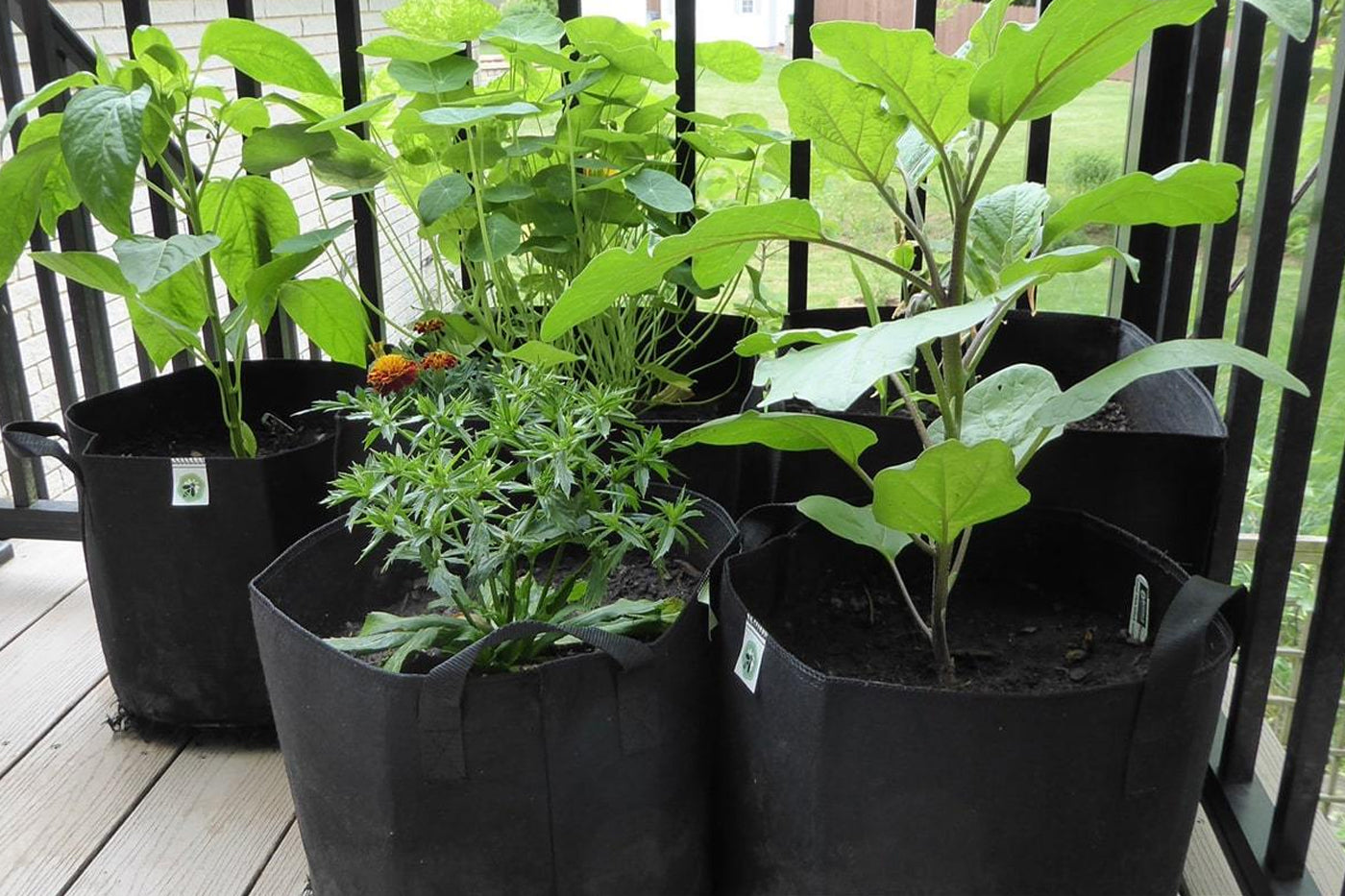
Credit: ecogardener.com
Grow Bags Vs Pots
Choosing between grow bags and pots can shape your gardening success. Each has unique features that impact plant growth and care. Understanding these differences helps you pick the best option for your garden space and needs.
Material Differences
Grow bags are usually made from breathable fabric. This fabric allows air to reach plant roots, improving oxygen flow. Pots are often plastic or ceramic, which do not breathe. This can cause roots to circle inside pots. Fabric grow bags help prevent root circling by air pruning roots. Pots hold moisture longer but may lead to root rot if overwatered. Fabric bags dry faster, encouraging healthier root systems.
Weight And Portability
Grow bags are lightweight and easy to move around. They become heavier when filled with soil and plants but remain lighter than many pots. Pots, especially ceramic or clay, can be heavy and hard to carry. Plastic pots are lighter but less durable. Grow bags fold flat when empty, saving storage space. Pots keep their shape but take more room for storage.
Cost Comparison
Grow bags are generally less expensive than ceramic or high-quality plastic pots. Their price depends on size and fabric quality. Pots vary widely in cost based on material and design. Plastic pots tend to be the cheapest option. Ceramic and decorative pots cost more but last longer. Grow bags may need replacement after a few seasons, while pots can last many years.
Watering And Drainage
Watering and drainage play a vital role in plant health. The choice between grow bags and pots affects how water moves through the soil. Proper water management keeps roots healthy and plants thriving.
Water Retention
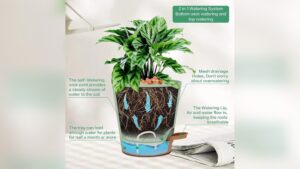
Grow bags hold water differently than pots. Their fabric sides absorb some moisture, reducing excess water. This helps prevent root rot from standing water. Pots, especially plastic ones, keep water inside longer, which can lead to soggy soil. Grow bags offer better control over water retention due to their breathable material.
Evaporation Rates
Fabric grow bags dry faster than plastic pots. Air passes through the bag, allowing moisture to escape quickly. This speeds up evaporation and means watering must happen more often. Plastic pots trap moisture inside, slowing evaporation. Faster drying in grow bags can prevent overwatering but requires more attention to watering schedules.
Soil Moisture Management
Managing soil moisture is easier with grow bags for many gardeners. The porous fabric promotes air flow, helping soil dry evenly. This reduces waterlogging and creates a healthy root zone. Pots may hold too much water at the bottom, causing uneven moisture. Grow bags encourage balanced soil moisture, supporting better root growth and plant health.
Plant Health And Root Growth
Plant health and root growth are key factors in successful gardening. Healthy roots absorb water and nutrients efficiently. They support strong plant growth above the soil. The choice between grow bags and pots affects root development and overall plant vitality.
Grow bags offer a unique environment for roots. Their design influences root behavior and plant health in ways traditional pots cannot match. Understanding these differences helps gardeners choose the best option for their plants.
Air Pruning Benefits
Grow bags allow air to reach the root zone. This exposure causes root tips to dry and stop growing. The process is called air pruning. It encourages plants to develop many small, healthy roots instead of a few long ones.
Air pruning prevents roots from circling inside the container. This leads to a dense root system with better nutrient uptake. Plants in grow bags often grow faster and stronger because of this effect.
Root Penetration Issues
Plastic pots can cause root circling. Roots hit the pot’s hard wall and grow in circles. This can limit root growth and reduce plant health. Roots may become tangled and weak.
Grow bags prevent this by letting roots grow through the fabric. This encourages roots to spread into the surrounding soil if planted outside. Root penetration into the soil improves water and nutrient absorption.
Disease Prevention
Grow bags offer better air circulation around roots. This reduces excess moisture and lowers the risk of root rot. Plastic pots can trap water, creating a damp environment for harmful fungi.
The breathable fabric of grow bags helps soil dry faster. This keeps roots healthy and less prone to diseases. Healthy roots mean healthier plants and better yields.
Durability And Maintenance
Durability and maintenance are key factors when choosing between grow bags and pots. Understanding how long grow bags last, their handle strength, and how to clean and store them helps make a wise decision. These points affect gardening convenience and cost over time.
Lifespan Of Grow Bags
Grow bags usually last two to three growing seasons. Sun exposure and frequent watering can weaken fabric faster. Quality grow bags made from sturdy materials may last longer. Over time, fabric may tear or lose shape. Pots generally last longer but can crack in cold weather.
Handle And Stitching Strength
Strong handles and stitching are essential for easy moving. Look for reinforced handles sewn with heavy thread. Weak stitching can cause handles to rip under weight. Many grow bags have double-stitched handles for durability. Pots do not have handles but are easier to carry when small.
Cleaning And Storage
Grow bags require cleaning after each use to prevent disease. Rinse with water and mild soap, then let dry completely. Fabric bags fold flat for easy storage in small spaces. Plastic pots are easier to clean but take more storage space. Proper cleaning extends the life of grow bags and pots alike.
Aesthetic And Practical Considerations
Choosing between grow bags and pots involves both how they look and how they work. Gardeners want containers that fit their space and style. Practical use and visual appeal both matter. This section explores these aspects to help decide what suits your garden best.
Visual Appeal
Pots come in many shapes, colors, and materials. They can add style to your garden or patio. Grow bags usually have a simple fabric look. They lack the decorative flair of ceramic or plastic pots. Some find grow bags less attractive, but others like their natural, casual feel. Pots offer more design choices for matching outdoor decor.
Space Efficiency
Grow bags are flexible and can fit into tight spaces easily. They can be placed close together since they don’t have hard sides. Pots hold their shape and need more room between each other. This makes grow bags ideal for small balconies or crowded areas. Their soft sides allow plants to spread roots better without space waste.
Mobility Challenges
Moving pots is usually easier because they have solid handles or rims. Large pots can be heavy but remain stable. Grow bags can be hard to carry when full of soil and water. Their fabric can sag and tear if dragged. Care is needed to lift grow bags gently to avoid damage. Pots provide more secure handling for moving plants.
Environmental Impact
The environmental impact of gardening containers matters for many growers. Choosing between grow bags and pots affects waste, resource use, and pollution. Both have strengths and weaknesses in this area. Understanding these differences helps make smarter choices for the planet.
Biodegradability
Grow bags often use fabric made from natural or recycled materials. Some types break down in soil over time. This reduces long-term waste in landfills. Plastic pots usually take hundreds of years to decompose. Many plastic pots are made from non-renewable resources. Their slow breakdown can harm ecosystems and wildlife.
Reusability
Plastic pots are sturdy and can be reused many seasons. They resist damage from water and sun exposure. Grow bags wear out faster due to fabric breakdown. They may last only a few growing cycles. Reusing grow bags depends on careful cleaning and storage. Proper reuse lowers the need for new materials and cuts waste.
Waste And Recycling
Plastic pots create more waste if not recycled. Recycling rates for plastic containers vary by location. Some recycling centers do not accept certain pot types. Grow bags produce less plastic waste but may still end up in trash. Compostable grow bags offer a better waste solution. Proper disposal methods help reduce landfill impact for both.
Best Uses For Grow Bags
Grow bags offer a flexible alternative to traditional pots. They suit many gardening needs with their breathable fabric and lightweight design. Understanding the best uses for grow bags helps gardeners maximize their benefits. These bags support plant health, improve root growth, and can fit various spaces easily.
Suitable Plants
Grow bags work well for vegetables like tomatoes, peppers, and cucumbers. Root crops such as carrots and potatoes thrive in them. Herbs like basil and parsley grow strongly too. Small fruit plants like strawberries also do well. Plants that need good drainage and air circulation benefit most.
Ideal Gardening Conditions
Grow bags perform best in areas with good sunlight. They suit balconies, patios, and small gardens. Their fabric allows air to reach roots, preventing overwatering. Grow bags keep soil cooler in hot weather. They also reduce root circling compared to plastic pots.
Seasonal Considerations
Use grow bags in spring and summer for warm-season crops. Their breathability helps prevent root rot during rainy times. In cooler seasons, protect grow bags from frost by moving them indoors. Their portability makes it easy to adjust plant location as seasons change.

Credit: getplantlogic.com
When To Choose Pots Instead
Choosing between grow bags and pots depends on your plant’s needs and your gardening style. Grow bags offer breathability and good root health, but pots have their own strong points. Here are some situations where pots work better than grow bags.
Long-term Planting
Pots are ideal for plants that stay in one place for years. They do not degrade or wear out quickly. Grow bags can break down after a few seasons, needing replacement. Pots offer more stability for long-term growth. They also protect roots better from extreme weather over time.
Heavy Or Large Plants
Pots handle heavy or large plants well. Their solid structure supports weight without bending or collapsing. Grow bags may sag or tip over when filled with heavy soil and plants. Pots with strong rims and bases keep big plants upright. They reduce the risk of spills and root damage.
Aesthetic Preferences
Pots come in many shapes, colors, and materials. They can match your garden style or home decor. Grow bags usually have a simple, fabric look that may not suit every space. Pots can serve as decorative elements, improving the overall garden appearance. They allow more creativity in design and placement.
Tips For Using Grow Bags Effectively
Grow bags offer many benefits, but they need proper care for best results. Using grow bags effectively helps plants stay healthy and grow strong. Follow these simple tips to get the most from your grow bags.
Watering Techniques
Grow bags dry out faster than pots. Water them often, but do not overwater. Check soil moisture daily by touching the top layer. Water until it drains from the bottom. Use a watering can or hose with a gentle spray. Avoid letting the soil become soggy or bone dry.
Soil Selection
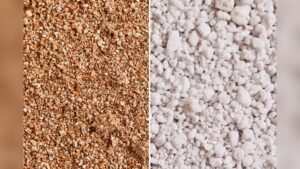
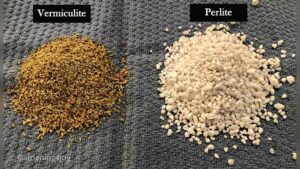
Use well-draining soil for grow bags. Mix potting soil with compost and perlite. This mix holds moisture but drains excess water. Avoid heavy garden soil that can compact inside bags. Healthy soil helps roots breathe and absorb nutrients. Refresh the soil every season to keep plants happy.
Placement And Care
Place grow bags where plants get enough sunlight. Most vegetables need at least six hours of sun daily. Move grow bags indoors or to shade during extreme heat. Protect them from strong winds to prevent damage. Check bags for leaks or tears and replace if needed. Keep the area around bags clean to avoid pests.

Credit: www.youtube.com
Frequently Asked Questions
What Are The Disadvantages Of Grow Bags?
Grow bags dry out quickly, needing frequent watering. They wear out faster and may let roots grow through fabric. Large bags get heavy and hard to move. They often look less attractive than pots. Some are not biodegradable, raising environmental concerns.
Do Tomatoes Grow Better In Grow Bags Or Pots?
Tomatoes grow better in grow bags due to improved aeration and root health. Pots retain moisture longer but may limit root growth. Choose grow bags for better drainage and healthier plants.
What Do You Put At The Bottom Of A Grow Bag?
Place a layer of coarse material like gravel or broken pottery at the bottom to improve drainage and prevent waterlogging.
Can You Overwater In Grow Bags?
Yes, you can overwater grow bags. Excess water saturates the fabric, reducing oxygen to roots and causing root rot. Water grow bags only when the top inch of soil feels dry to maintain healthy plants.
Conclusion
Grow bags offer better air circulation and root health than pots. They dry out faster, needing more frequent watering care. Pots hold moisture longer but may cause root circling. Grow bags are lightweight and easy to move but less durable.
Choose grow bags for better plant growth and pots for long-term use. Both have pros and cons depending on your gardening needs. Experiment to find what works best for your plants. Simple choices lead to healthier gardens and happier gardeners.