What Plants Do Well in Self Watering Pots: Top Thriving Choices
Are you tired of constantly worrying about watering your plants just right? Self-watering pots might be the perfect solution for you.
These innovative planters keep your plants hydrated by providing a steady supply of water from the bottom up, taking the guesswork out of watering. But not every plant thrives in this environment. If you want your green friends to flourish without the hassle, it’s important to choose the right ones.
You’ll discover which plants do well in self-watering pots and which ones to avoid. By the end, you’ll have the confidence to create a thriving, low-maintenance garden that fits perfectly into your busy lifestyle. Keep reading to find out how to make your plants happier and healthier with self-watering pots!

Credit: planterhoma.com
Plants Suited For Self-watering Pots
Self-watering pots provide a steady supply of moisture to plant roots. This consistent water delivery suits certain plants better than others. Choosing the right plants ensures healthy growth and less maintenance. Below are some plants that thrive well in self-watering pots.
Moisture-loving Tropical Plants
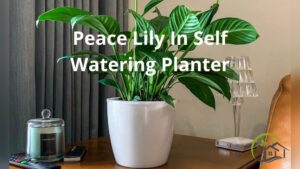
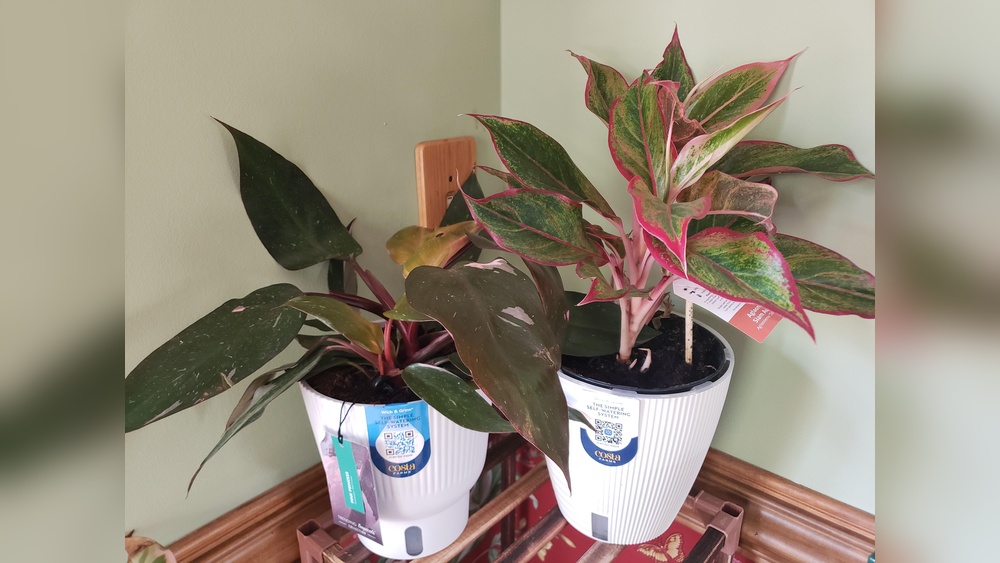
Tropical plants enjoy damp soil and humid conditions. Plants like Calatheas, Peace Lilies, and Philodendrons grow well in self-watering pots. These plants absorb water slowly, preventing root rot. They benefit from the steady moisture without waterlogging.
Vegetables That Thrive
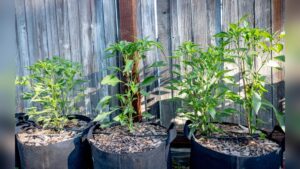
Many vegetables prefer even moisture in the soil. Tomatoes, lettuce, and peppers do well in self-watering containers. The constant water supply helps these vegetables avoid stress and produce better yields. It also reduces the chance of drying out between waterings.
Popular Houseplants For Consistent Moisture
Houseplants such as Spider Plants, Pothos, and Snake Plants appreciate steady moisture levels. While Snake Plants need less water, they tolerate the setup if the soil drains well. These plants stay lush and green with regular water supply from self-watering pots.
Herbs That Prefer Damp Soil
Herbs like basil, mint, and parsley thrive in moist soil conditions. Self-watering pots keep their roots damp without overwatering. These herbs grow faster and stay fresh longer. Avoid herbs that prefer dry soil, such as lavender, in this system.
Plants To Avoid In Self-watering Pots
Self-watering pots keep soil moist for long periods. This suits many plants but not all. Some plants need dry soil or only occasional watering. Using self-watering pots for these can cause problems like root rot and poor growth. Avoid these plants to keep your garden healthy and thriving.
Cacti And Succulents
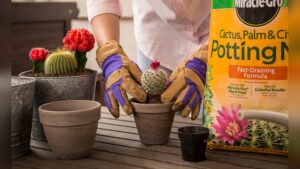
Cacti and succulents store water in their leaves and stems. They need soil to dry out between waterings. Constant moisture in self-watering pots leads to root rot. These plants prefer well-draining pots with little water retention.
Drought-tolerant Herbs
Herbs like lavender and rosemary thrive in dry, sandy soil. They dislike wet roots and soggy soil. Self-watering pots keep soil too moist for these herbs. This can cause their roots to decay and stunt growth.
Orchids And Air Plants
Orchids and air plants grow on trees in nature. They need excellent air circulation and quick drying. Self-watering pots hold water and limit airflow. These plants prefer bark or moss as a growing medium, not constantly wet soil.
Plants Preferring Dry Soil
Plants such as snake plants and ZZ plants prefer soil that dries out between waterings. They do poorly in consistently wet conditions. Self-watering pots keep their soil too moist, which harms their roots. Choose pots with good drainage for these species.
Plants With Specific Moisture Needs
Plants with specific moisture needs require careful attention in self-watering pots. These containers provide water from the bottom, keeping soil moist over time. Some plants thrive in this steady moisture, but others have delicate moisture preferences. Understanding which plants fit well helps prevent root problems and supports healthy growth.
Ferns And Moisture Sensitivity
Ferns love consistent moisture but dislike being waterlogged. Self-watering pots keep soil evenly damp, which suits many fern varieties. Still, too much water can cause root rot and fungal issues. Choosing ferns that tolerate steady moisture, like Boston ferns, works best. Avoid overfilling reservoirs to prevent soggy soil. Regularly check soil moisture to keep ferns happy and healthy.
Shallow-rooted Plants Challenges
Shallow-rooted plants struggle in deep self-watering pots. Their roots may not reach the water reservoir below. This causes uneven watering and dry soil near the surface. Plants like lettuce or some herbs with shallow roots may need special pot designs or manual watering. Use pots with a shallow water reservoir or add extra soil to help roots access moisture. Monitor these plants closely to avoid drying out.
Credit: planterhoma.com
Benefits Of Self-watering Pots
Self-watering pots offer several benefits that make plant care easier and more efficient. These pots help keep the soil consistently moist, reduce the need for frequent watering, and promote healthier plant growth. They suit many moisture-loving plants and can improve your gardening success.
Consistent Soil Moisture
Self-watering pots provide a steady supply of water to the soil. This prevents the soil from drying out completely or becoming too wet. Plants receive the right amount of moisture, which supports their roots and overall health.
Reduced Watering Frequency
These pots store water in a reservoir below the soil. This means you do not need to water your plants every day. The soil draws water up as the plant needs it, saving time and effort.
Healthier Plant Growth
Consistent moisture helps plants grow stronger and healthier. Roots develop better because they have constant access to water. This can lead to more vibrant leaves, flowers, and fruits.
Drawbacks Of Self-watering Pots
Self-watering pots offer convenience but come with some drawbacks. Understanding these issues helps in choosing the right plants and care methods. Not all plants thrive in these pots, and certain risks exist that gardeners must know.
Risk Of Root Rot
Self-watering pots keep soil moist for long periods. This constant moisture can cause roots to stay too wet. Roots need oxygen to stay healthy. Excess water reduces oxygen, leading to root rot. Root rot damages plants and can kill them. Plants that need dry soil suffer most from this issue.
Pest Attraction Issues
Standing water in the reservoir attracts pests like mosquitoes. Damp soil can also attract fungus gnats and mold. These pests harm plants and spread diseases. Regular cleaning of pots and reservoirs helps reduce pest problems. Ignoring this can lead to infestations and unhealthy plants.
Soil Mix Requirements
Self-watering pots need special soil mixes. Standard potting soil holds too much water and clogs the wick. A well-draining soil mix ensures proper water flow. Using the wrong soil causes poor drainage and root problems. Choose soil blends designed for self-watering systems to keep plants healthy.

Credit: www.reddit.com
Tips For Choosing Plants
Choosing the right plants for self-watering pots improves growth and reduces problems. These pots supply water from the bottom, so plants that like steady moisture do well. Plants that need dry soil or very airy roots may not thrive. Understanding plant needs and pot features helps make the best choice for your garden.
Matching Plant Needs To Pot Type
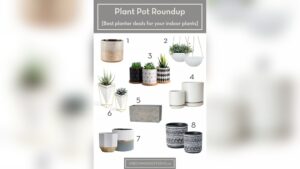
Self-watering pots come in different sizes and styles. Some hold more water, while others release it slowly. Choose plants that enjoy steady moisture for pots with large reservoirs. Smaller pots suit plants that prefer less water. Tropical plants, herbs, and some vegetables fit well in most self-watering pots.
Adjusting Soil For Best Results
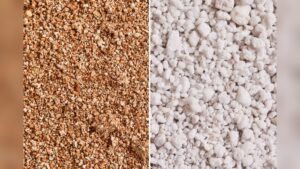
Soil affects how water moves in self-watering pots. Use light, well-draining soil to prevent waterlogging. Mixing peat moss or perlite helps keep soil airy but moist. Avoid heavy or clay soils that hold too much water. The right soil mix supports healthy roots and proper moisture levels.
Monitoring Moisture Levels
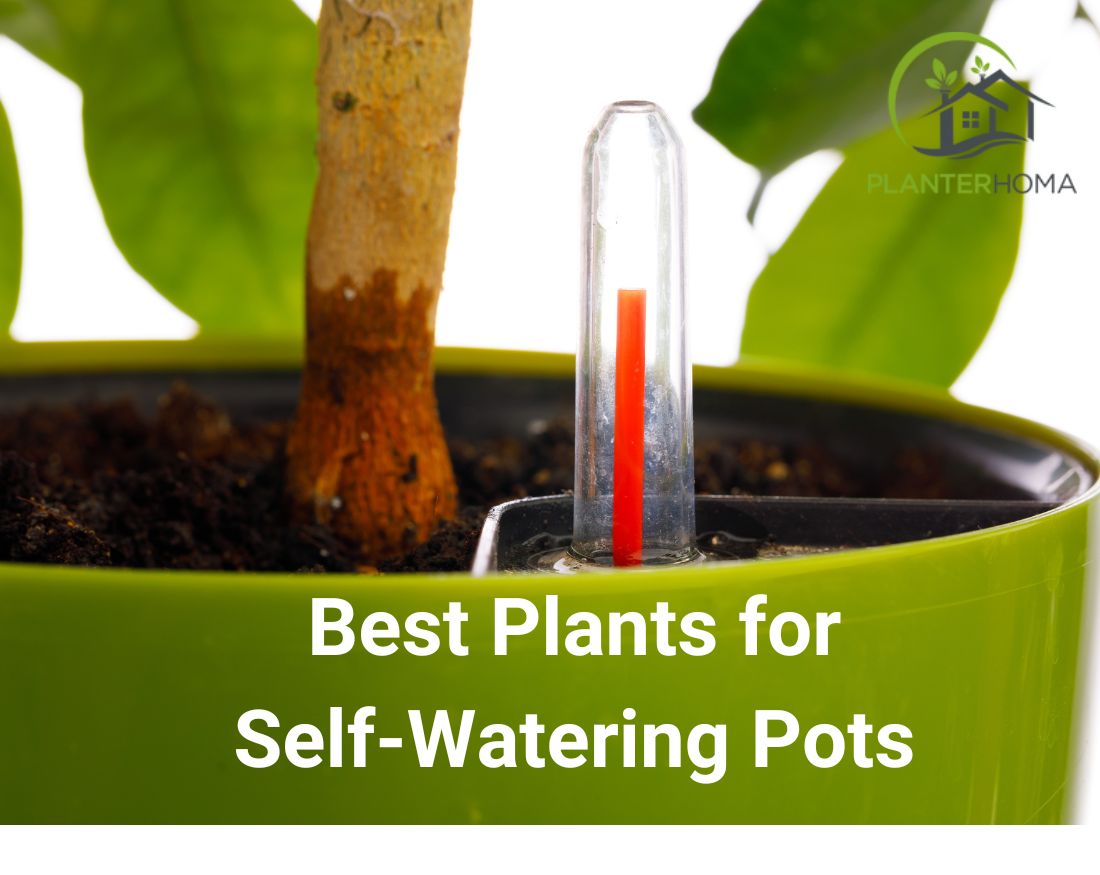
Check soil moisture regularly to keep plants healthy. Use a moisture meter or touch the soil surface. Soil should feel damp but not soggy. Adjust watering frequency if the soil stays too wet or dries out. Monitoring helps avoid root rot and ensures plants get the water they need.
Frequently Asked Questions
What Plants Do Not Like Self-watering Pots?
Cacti, succulents, snake plants, lavender, ZZ plants, orchids, air plants, and hoya dislike self-watering pots. They prefer dry, well-drained soil and risk root rot in constant moisture. Shallow-rooted plants may also struggle due to insufficient water access.
Are Self-watering Pots Good For All Plants?
Self-watering pots suit moisture-loving plants like herbs, vegetables, and tropicals. Avoid cacti, succulents, and plants needing dry soil.
What Is The Disadvantage Of Self-watering Pots?
Self-watering pots can cause root rot in plants that prefer dry soil. They may overwater succulents, cacti, and herbs like lavender. Some plants struggle with constant moisture, leading to poor growth or disease. These pots suit moisture-loving plants better than drought-tolerant varieties.
How Long Can Plants Go In Self-watering Pots?
Plants can stay in self-watering pots for several weeks, depending on species and reservoir size. Check water levels regularly.
Conclusion
Choosing the right plants for self-watering pots helps them grow healthy. Tropical plants, vegetables, and many common houseplants do well here. Avoid plants that need dry soil or dislike constant moisture. These pots keep soil moist and reduce watering chores.
They suit busy gardeners and beginners alike. Try plants like pothos, spider plants, and herbs for best results. Self-watering pots create a simple way to care for your plants every day. Give them a try and enjoy greener, happier plants in your home.