What is a Self Watering Planter: Ultimate Guide for Effortless Gardening
Are you tired of constantly worrying about watering your plants just right? Imagine a planter that takes care of your plant’s hydration needs for you, ensuring they get the perfect amount of water every time.
That’s exactly what a self watering planter does. It’s designed to keep your plants healthy by providing a steady supply of moisture without the guesswork. But how does it work, and is it the right choice for your plants? Keep reading to discover what a self watering planter is, how it functions, and whether it could be the game-changer your indoor or outdoor garden needs.

Credit: gomayne.com
How Self Watering Planters Work
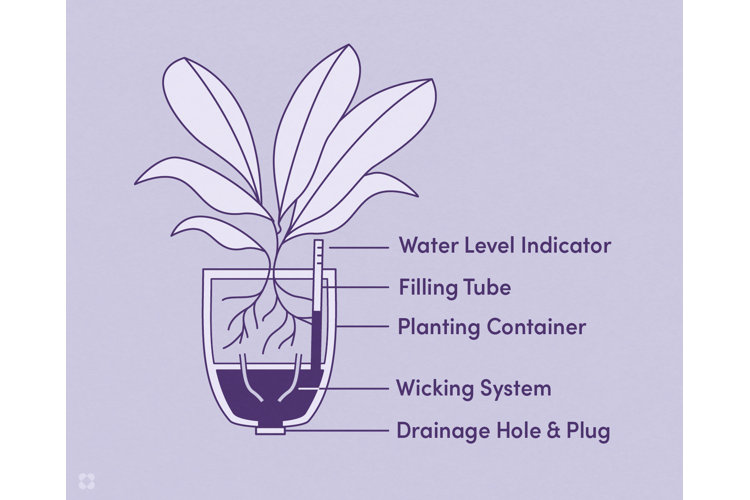
Understanding how self watering planters work helps gardeners care for plants better. These planters use smart designs to supply water efficiently. They reduce frequent watering and support plant health by maintaining steady moisture levels.
Wicking System Explained
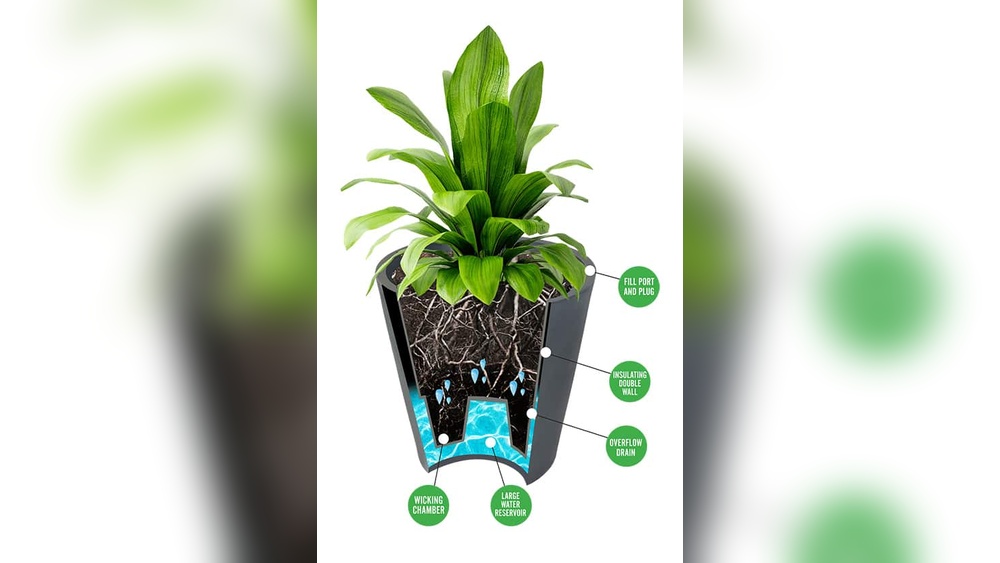
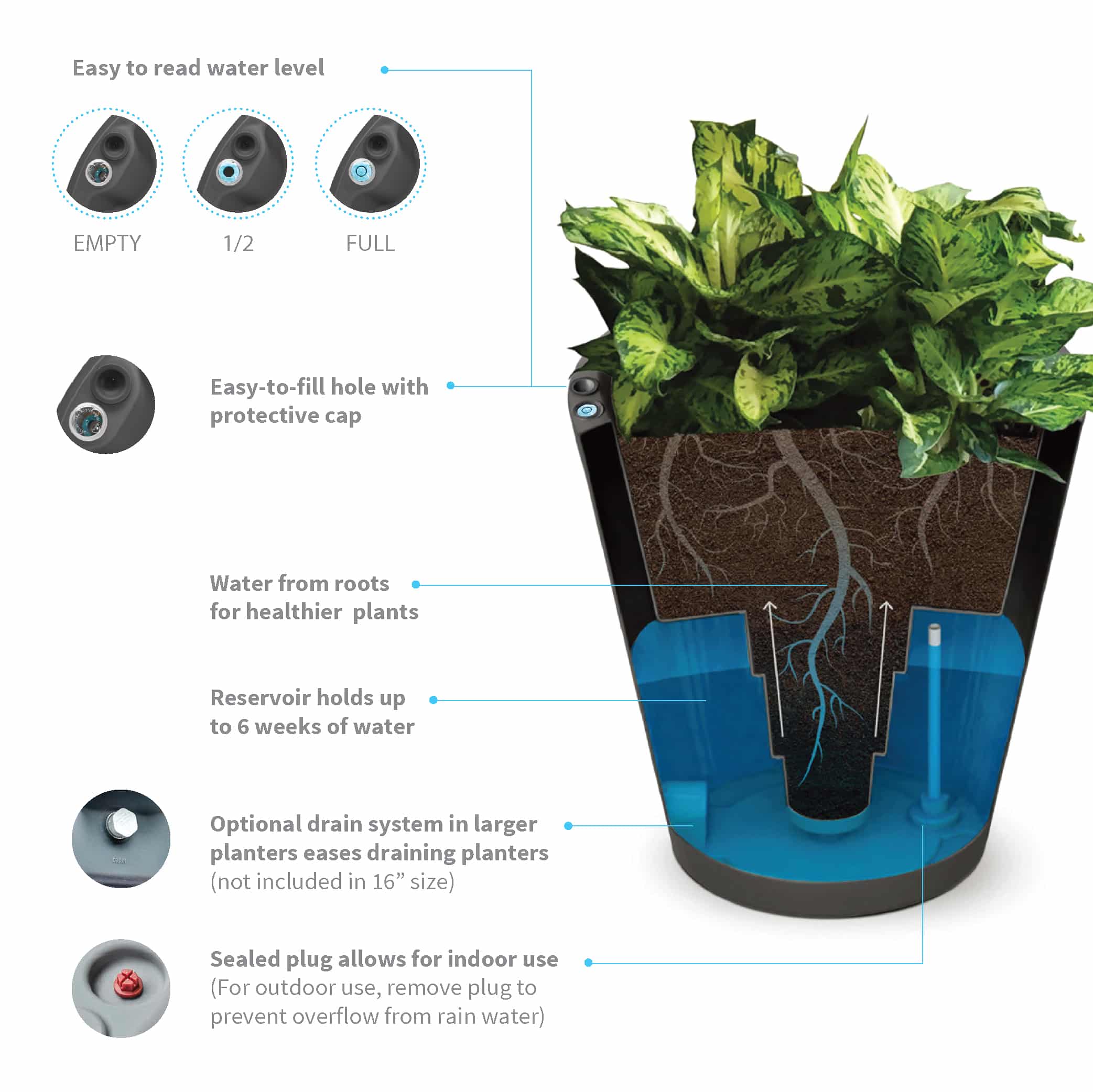
The wicking system draws water from the reservoir below. A fabric or rope wick sits between the water and soil. It pulls water up slowly into the soil through capillary action. This steady supply keeps the soil moist without flooding it.
Water Reservoir Function
The water reservoir stores extra water at the bottom of the planter. It acts as a supply tank for the plant. The reservoir refills the wick as the soil dries out. This design limits water loss and reduces the need for daily watering.
Plant Water Uptake
Plants absorb water directly from the moist soil around their roots. The planter’s system ensures the soil stays moist but not soggy. This balance helps roots get oxygen and water. Healthy roots lead to stronger, thriving plants.
Benefits For Gardeners
Self watering planters offer many benefits for gardeners. They make plant care easier and help plants grow healthier. These planters provide a steady water supply, reducing the effort needed to water plants regularly.
Gardeners enjoy more control over plant moisture. These planters also suit busy schedules well. Let’s explore the main benefits that make self watering planters a smart choice.
Watering Convenience
Self watering planters store water in a reservoir below the soil. This design means gardeners refill the water less often. Plants get water through a wick or other system, drawing moisture as needed. This reduces the risk of forgetting to water or overwatering. It saves time and effort in daily plant care.
Consistent Moisture Levels
These planters keep soil moisture steady and even. Plants avoid dry spells that cause stress and slow growth. Consistent moisture helps roots grow deep and strong. It also reduces plant diseases caused by dry or overly wet conditions. This leads to healthier and more vibrant plants overall.
Ideal For Busy Lifestyles
Self watering planters fit perfectly into busy lives. They reduce the need for daily watering routines. Gardeners can go on trips or work long hours without worry. Plants stay hydrated for days or weeks, depending on the reservoir size. This makes gardening less stressful and more enjoyable.
Plant Types Best Suited
Choosing the right plants for a self watering planter improves growth and health. Not all plants thrive in constant moisture. Knowing which plants fit best helps you avoid common problems like root rot and overwatering. This section highlights plants that do well, those to avoid, and how to adjust care for different species.
Moisture-loving Plants
Plants that enjoy steady moisture thrive in self watering planters. Ferns, peace lilies, and African violets do well. Herbs like basil and mint also benefit from consistent water. These plants absorb water slowly and prefer damp soil. They avoid stress from dry periods, which self watering planters prevent.
Plants To Avoid
Succulents and cacti dislike too much water. Their roots can rot quickly in wet soil. Plants that need dry breaks between waterings suffer in these planters. Avoid orchids and some bulbs that prefer well-drained soil. These plants need special care not provided by constant moisture.
Adjusting For Different Species
Some plants can adapt with small changes. Use soil mixes that drain well for plants needing less water. Adjust the water reservoir size to control moisture levels. Monitor plants closely and reduce water if leaves yellow or wilt. This helps maintain healthy roots and prevents overwatering damage.
Credit: www.crescentgarden.com
Common Drawbacks
Self watering planters offer convenience but have some common drawbacks. These issues can affect plant health and require attention. Understanding these downsides helps you decide if they fit your gardening style.
Risk Of Root Rot
Self watering planters keep soil moist constantly. This can lead to root rot in many plants. Roots need oxygen to stay healthy. Too much water blocks oxygen and causes decay. Plants like succulents suffer most from this problem. Overwatering can kill sensitive plants quickly.
Pest And Mold Issues
Standing water in the reservoir can attract pests. Mosquitoes may breed in stagnant water easily. Mold and mildew can grow inside the planter. Regular cleaning is needed to stop these problems. Mineral buildup can also happen from constant moisture. This buildup harms plant roots and soil quality.
Higher Initial Investment
Self watering planters cost more than regular pots. The design and materials add to the price. You pay more upfront for convenience later. Some models need specific soil mixes too. This adds to overall cost and effort. Budgeting for these expenses is important before buying.
Maintenance Tips
Maintaining a self watering planter keeps plants healthy and thriving. Proper care prevents common problems like mold, pests, and root rot. Simple steps help your planter work efficiently for a long time. Below are important tips for maintenance.
Cleaning Reservoirs
Empty the water reservoir every few weeks. Rinse it with clean water to remove dirt and algae. Use a soft brush to scrub inside gently. Avoid harsh chemicals that may harm plants. Keeping reservoirs clean stops mold and mosquito growth.
Preventing Mineral Buildup
Minerals from tap water can build up inside the reservoir. This blocks water flow and damages plants. Flush the reservoir with a vinegar solution once a month. Let it sit for 15 minutes, then rinse well. Regular cleaning stops mineral deposits from forming.
Soil Mix Recommendations
Use a light, well-draining soil mix for self watering planters. Avoid heavy or clay soils that hold too much water. A mix of potting soil with perlite or coconut coir works well. Proper soil balance helps roots get oxygen and moisture without drowning.
Credit: www.wayfair.com
Choosing The Right Planter
Choosing the right self watering planter affects plant health and ease of care. A good planter fits your space and suits your plant’s water needs. Think about material, size, and design features before buying. These factors help keep plants healthy and reduce watering mistakes.
Material Options
Self watering planters come in plastic, ceramic, and resin. Plastic is light and easy to move. Ceramic looks nice but is heavier and can break. Resin is strong and resists weather well. Choose a material that fits your style and where you will place the planter.
Size And Capacity
Planter size affects how much water it can hold. Bigger planters need less frequent refilling. Small planters fit tight spaces but refill often. Match the size to your plant’s root system. Check the water reservoir size to avoid overwatering or drying out.
Design Features
Look for planters with a clear water level indicator. It shows when to add water. Some have overflow holes to prevent waterlogging. A good design allows easy refilling and cleaning. Choose one with a sturdy base to avoid tipping over.
Using Self Watering Planters Outdoors
Using self watering planters outdoors can simplify garden care. These planters supply water to plants gradually. This helps plants stay hydrated even during dry spells. Outdoor use brings unique challenges. Rain, humidity, pests, and placement all affect planter performance. Understanding these factors improves plant health and planter efficiency.
Handling Rain And Humidity
Outdoor planters face rain and high humidity. Excess rain can overflow the water reservoir. This may cause waterlogging and root rot. Choose planters with overflow holes or drainage systems. High humidity slows water evaporation. This can keep soil too wet for some plants. Monitor soil moisture regularly. Adjust watering frequency to prevent overwatering and root damage.
Placement Considerations
Place self watering planters in spots with good air circulation. Avoid areas that stay wet or shaded all day. Sunlight exposure affects plant growth and water needs. South-facing locations usually receive more sun, drying soil faster. Position planters to catch rain but avoid puddling around the base. Use stands or saucers to elevate planters and improve drainage. Proper placement helps maintain healthy roots and reduces mold risk.
Protecting Against Pests
Standing water in reservoirs can attract mosquitoes and other pests. Cover water openings with fine mesh to block insects. Regularly clean the reservoir to prevent algae and mosquito larvae. Use natural pest repellents near planters to deter bugs. Inspect plants often for signs of pests or disease. Early action keeps plants strong and reduces damage. Keeping pests away supports plant health and growth outdoors.
Troubleshooting Common Issues
Troubleshooting common issues with self watering planters helps keep plants healthy. These planters simplify watering but can face problems. Knowing how to spot and fix these issues saves time and effort. This section covers key areas like clogged watering systems, soil moisture checks, and plant health signs.
Clogged Watering Mechanisms
Water flow can stop if the watering tubes or reservoirs clog. Dirt, algae, or mineral deposits block water movement. Clean the tubes regularly with a brush or pipe cleaner. Flush the reservoir with water to remove buildup. Using filtered water reduces mineral deposits. Check for small roots blocking the water path. Clear any blockages carefully to restore proper watering.
Monitoring Soil Moisture
Too much or too little moisture affects plant growth. Use a soil moisture meter to check levels. The soil should feel damp but not soggy. Adjust water in the reservoir if soil stays wet too long. Allow soil to dry slightly between waterings for plants that like drier roots. Regularly test soil moisture to avoid root rot or dehydration.
Plant Health Indicators
Watch plants for signs of watering problems. Yellow or wilting leaves often mean overwatering. Brown and dry leaf edges suggest underwatering. Soft or mushy roots show root rot from too much water. Slow growth or leaf drop can signal poor water delivery. Act quickly if plants show distress to adjust watering and save the plant.
Frequently Asked Questions
What Is The Disadvantage Of Self-watering Pots?
Self-watering pots may cause root rot by overwatering. They need specific soil, regular cleaning, and can attract mosquitoes. Not ideal for all plants and have higher upfront costs.
How Does A Self-watering Planter Work?
A self-watering planter uses a water reservoir to supply moisture through capillary action. It keeps soil consistently moist, reducing watering frequency and preventing overwatering.
What Plants Do Not Like Self-watering Pots?
Succulents, cacti, and plants needing dry soil dislike self-watering pots. These pots keep soil too moist, causing root rot. Thirsty plants may also suffer due to inconsistent water supply. Avoid self-watering pots for plants preferring dry or well-drained conditions.
How Often Do You Refill Self-watering Planters?
Refill self-watering planters every 1 to 2 weeks, depending on plant size and weather conditions. Check water level regularly.
Conclusion
Self-watering planters offer an easy way to keep plants hydrated. They reduce daily watering tasks and help maintain consistent moisture. Yet, they need careful use to avoid overwatering and root problems. Not all plants thrive in these planters, so choose wisely.
Regular cleaning prevents pests and mold buildup. Overall, self-watering planters suit busy gardeners and certain plants well. Understanding their limits helps you grow healthy, happy plants.