What Does an Over Watered Tomato Plant Look Like
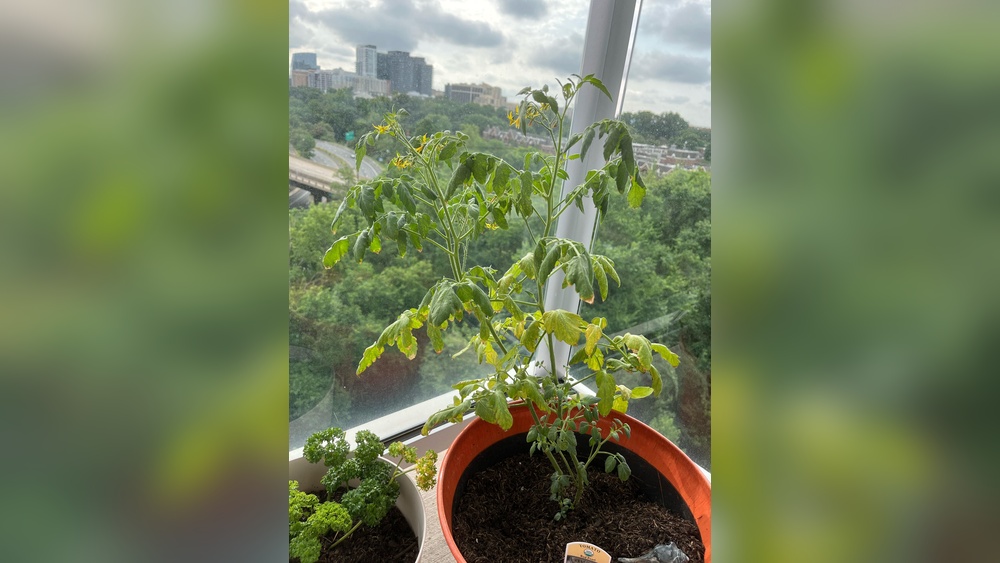
Have you noticed your tomato plant looking a bit off lately? Maybe its leaves are yellowing or wilting, even though you’ve been watering it regularly.
If that sounds familiar, your plant might be suffering from overwatering. Knowing exactly what an overwatered tomato plant looks like is the first step to saving it before the damage becomes serious. You’ll discover the clear signs to watch for and simple actions you can take to help your tomato plant bounce back.
Keep reading to make sure your plants stay healthy and thrive all season long!

Credit: www.epicgardening.com
Signs On Leaves
The leaves of an overwatered tomato plant show clear signs of stress. These signs help identify the problem early. Observing leaf changes can save your plant from severe damage. Watch the leaves closely for unusual patterns and behaviors.
Yellowing Patterns
Yellow leaves often appear first on an overwatered tomato plant. The yellowing usually starts from the bottom leaves. It spreads upward as the problem worsens. This happens because excess water blocks oxygen to the roots. Without oxygen, roots cannot feed the leaves properly.
Wilting Despite Moisture
Leaves may wilt even when the soil is wet. This looks strange since wilting usually means dryness. Overwatering causes root damage, so roots cannot take in water. The plant becomes weak and droops. This is a key sign that too much water harms the plant.
Leaf Curling And Drooping
Leaves curl inward or droop down as water builds up. The plant struggles to manage water inside its cells. Curling leaves can also feel soft or limp. These symptoms show the plant is under stress from excess moisture. If you notice curling and drooping, reduce watering immediately.

Credit: www.reddit.com
Soil And Root Indicators
Identifying overwatering in tomato plants starts beneath the surface. The soil and roots reveal clear signs of excess water. Healthy roots and soil encourage strong growth. Too much water damages these vital parts.
Check the soil and roots regularly. They provide early clues to save your plant. Notice changes in texture, color, and smell. These signs help you act fast before the damage spreads.
Soggy Soil Texture
Soil that feels wet and heavy is a red flag. Overwatered soil often stays soggy for days. It loses its crumbly, loose texture. The soil may stick to your fingers or pots. This condition suffocates roots by blocking air flow.
Root Discoloration
Healthy roots are white or light tan. Overwatered roots turn brown or black. This discoloration shows root rot starting. The roots become soft and mushy. Damaged roots cannot absorb nutrients well. Check roots gently when repotting or digging.
Foul Odor From Roots
A bad smell from the soil signals trouble. Overwatered roots often develop a sour or rotten odor. This smell comes from decaying root tissue. It means harmful bacteria or fungi may be growing. Foul odor warns that the plant is under severe stress.
Stem And Growth Symptoms
The stem and growth of a tomato plant show clear signs of overwatering. These symptoms help gardeners spot problems early. Healthy stems and steady growth are key to a strong tomato plant. Overwatering disrupts this balance.
Watch the stem and growth closely. Changes in texture and size reveal stress. Flower production and fruit set also suffer when water is excessive.
Soft Or Mushy Stems
Overwatered tomato stems lose their firmness. They become soft and mushy to touch. This happens because roots cannot breathe in waterlogged soil. The plant struggles to move nutrients up the stem. A weak stem can break easily and may show dark spots or rot.
Stunted Plant Growth
Too much water slows the growth of tomato plants. Plants stay smaller than normal. New leaves grow slowly or stop growing. The roots may start to rot and fail to support the plant. Stunted growth limits the plant’s ability to produce healthy fruit later.
Flower Drop And Poor Fruit Set
Excess water causes tomato plants to drop flowers. Flowers fall off before they turn into fruit. The plant focuses energy on survival rather than fruiting. Poor fruit set means fewer tomatoes at harvest time. This reduces the overall yield and quality of the crop.
Distinguishing Overwatering From Underwatering
Tomato plants need the right amount of water to thrive. Too much or too little water can cause problems. Distinguishing overwatering from underwatering is key to healthy plants. Knowing the signs helps you act quickly and save your crop.
Comparing Leaf Symptoms
Overwatered tomato leaves often turn yellow starting at the bottom. The leaves may also look swollen or soft. Underwatered leaves usually turn brown and dry at the edges. They feel crispy and brittle. Both conditions can cause wilting, but overwatered leaves wilt while still wet. Underwatered leaves wilt when dry.
Soil Moisture Checks
Check the soil to confirm the problem. Overwatered soil stays wet and soggy for days. It may smell musty or rotten. Underwatered soil feels dry and crumbly. It pulls away from the pot edges. Using your finger, test the soil about 1-2 inches deep. Wet soil means overwatering. Dry soil means underwatering.
Plant Response To Watering
Observe how your tomato plant reacts after watering. An overwatered plant shows no improvement or worsens. It may develop root rot if waterlogged too long. An underwatered plant will perk up quickly after watering. It recovers its color and firmness. This difference helps you decide the right watering approach.
Immediate Steps To Help
When a tomato plant receives too much water, it struggles to stay healthy. Acting quickly can save the plant from lasting damage. Immediate care helps roots breathe and recover. The following steps guide you on how to bring your tomato plant back to life.
Stop Watering Temporarily
Pause all watering to let the soil dry out. Waterlogged soil blocks oxygen from reaching roots. Dry soil helps roots regain strength and prevents root rot. Check soil moisture by touching it before adding water again.
Improve Soil Aeration
Loosen the soil around the plant gently. Use a small tool or your fingers to create air pockets. Aerated soil improves oxygen flow to the roots. Avoid damaging roots while loosening the soil. Adding organic matter can also enhance soil drainage.
Increase Light And Airflow
Move the plant to a brighter spot with good air circulation. Sunlight helps dry excess moisture and strengthens the plant. Fresh air reduces humidity and discourages fungal growth. Avoid placing the plant in direct harsh sunlight suddenly.
Treating Severe Damage
Severe damage from overwatering can harm a tomato plant deeply. Prompt action is vital to save the plant and restore its health. The process starts by carefully removing the plant from its pot and checking the roots. Then, trimming away dead parts encourages new growth. Finally, repotting in fresh, dry soil helps the plant recover fully.
Removing From Pot And Inspecting Roots
Gently take the tomato plant out of its pot. Shake off excess wet soil to see the root system clearly. Healthy roots are white and firm. Dark, mushy roots show severe damage from too much water. Inspect every root for signs of rot or decay.
Trimming Dead Roots
Use clean scissors or pruning shears to cut away dead roots. Remove all black, slimy, or rotten sections. This step stops rot from spreading further. Healthy roots will continue to support the plant’s growth. Trimming also helps the plant focus energy on healing.
Repotting In Dry, Well-draining Soil
Choose a pot with drainage holes to prevent water buildup. Use dry, well-draining soil designed for tomatoes or vegetables. Avoid dense or clay soils that hold too much moisture. Place the plant gently back in the pot. Water lightly and allow the soil to dry out between waterings. This environment encourages healthy root growth and recovery.
Preventing Overwatering
Preventing overwatering is key to growing healthy tomato plants. Too much water can damage roots and stop growth. Watch your watering habits closely. Small changes make a big difference in plant health.
Proper Watering Schedule
Water tomato plants deeply but less often. Allow the soil surface to dry before watering again. Early morning is the best time to water. It helps leaves dry quickly and reduces disease risk. Consistency helps plants use water efficiently.
Soil And Pot Selection
Choose well-draining soil to prevent water buildup. Mix in sand or perlite to improve drainage. Use pots with drainage holes for container plants. Proper soil and pot choice stops water from staying around roots. This keeps roots healthy and oxygen-rich.
Monitoring Plant And Soil Conditions
Check soil moisture regularly by touching the soil. The top inch should feel dry before watering again. Watch tomato leaves for signs like yellowing or wilting. These can mean too much water or other problems. Quick action helps plants recover fast.

Credit: www.epicgardening.com
Frequently Asked Questions
How To Tell If A Tomato Is Overwatered?
Yellowing lower leaves, wilting despite wet soil, and brown or black smelly roots indicate an overwatered tomato plant.
Can An Overwatered Tomato Plant Recover?
An overwatered tomato plant can recover by stopping watering immediately. Improve soil drainage and let the soil dry. Provide bright, indirect light. Trim any rotten roots and repot in dry, well-draining soil to prevent root rot and promote healthy growth.
What Does A Stressed Tomato Plant Look Like?
A stressed tomato plant shows wilting, yellowing, or curling leaves. Growth slows, flowers drop or fail to appear. Roots may smell foul or look dark.
How To Revive An Overwatered Plant?
Stop watering immediately. Aerate the soil to improve drainage. Move the plant to bright, indirect light. Trim mushy roots if needed. Repot in dry, well-draining soil to prevent root rot and aid recovery.
Conclusion
Overwatering harms tomato plants by causing yellow leaves and wilting. Roots may rot and smell bad if water stays too long. Let soil dry between watering to help plants recover. Check drainage and avoid watering too often. Healthy tomato plants need balanced water for strong growth.
Watch your plants daily to spot early signs of stress. Simple care keeps tomatoes thriving and fruitful.