When to Stop Watering Plants in Fall: Essential Tips for Garden Success
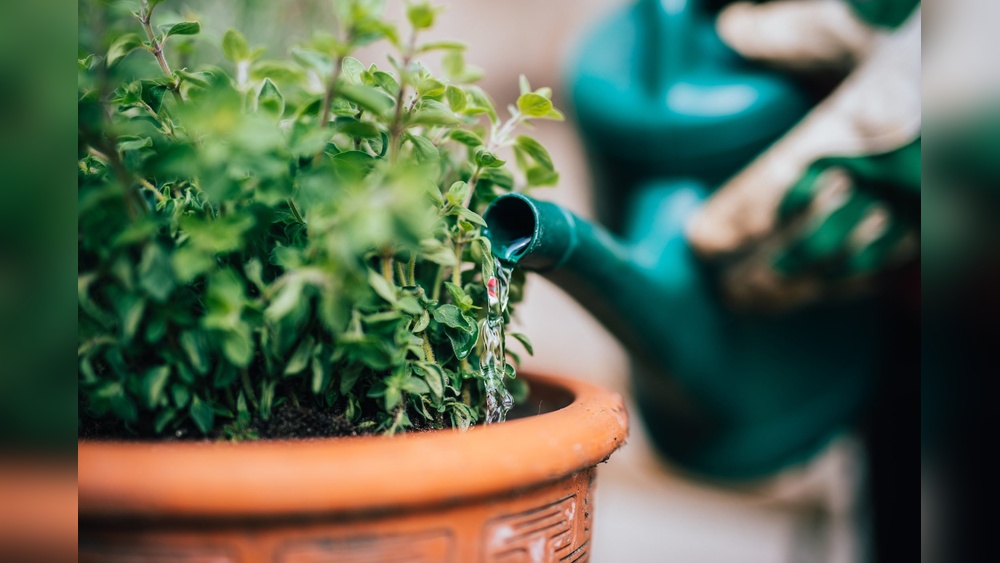
As the vibrant colors of fall take over your garden, you might wonder: when is the right time to stop watering your plants? Watering too long can harm your garden, while stopping too soon can leave your plants thirsty and vulnerable.
You want to protect your plants from the cold, but still keep them healthy through the season. This guide will help you understand exactly when and how to adjust your watering routine in fall, so your garden thrives even as temperatures drop.
Keep reading to learn the simple signs to watch for and the best watering tips that will make your plants ready to face winter with strength.

Credit: www.youtube.com
Signs To Stop Watering
Knowing when to stop watering plants in fall is key to healthy gardens. Plants need less water as temperatures drop. Overwatering can harm roots and invite disease. Watch for clear signs before you stop watering. These signals show plants are ready for winter rest.
Soil Freezing Effects
Frozen soil blocks water from reaching roots. Water cannot soak into hard, icy ground. Watering frozen soil wastes water and can damage plants. Stop watering once the topsoil freezes. This prevents root rot and other problems.
Temperature Thresholds
Watering should reduce as temperatures fall below 50°F (10°C). Plants use less water in cooler weather. When night temperatures stay near or below freezing, stop watering. Cold air and soil slow plant water use. Adjust watering based on local weather reports.
Plant Dormancy Signals
Plants show signs of dormancy before winter. Leaves may yellow or drop off. Growth slows or stops completely. Roots stop growing and need less moisture. When plants enter dormancy, reduce watering gradually. This helps plants prepare for cold and conserve energy.

Credit: m2enterprises.com
Fall Watering Techniques
Fall watering techniques help plants prepare for colder months. Proper watering supports root growth and plant health. Adjusting watering habits in fall saves water and prevents damage. Follow these tips for healthy plants as temperatures drop.
Deep Watering Importance
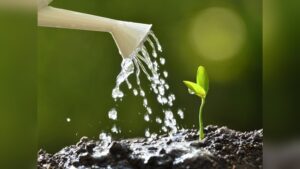
Deep watering reaches roots where plants absorb moisture best. It encourages roots to grow deeper for winter strength. Shallow watering leaves roots weak and dry. Water slowly and thoroughly to soak soil deeply. This helps plants survive dry fall conditions.
Watering At Root Level
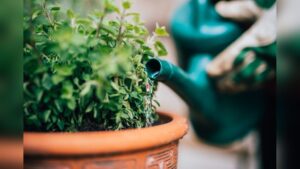
Water plants directly at the soil surface near roots. Avoid wetting leaves to prevent diseases like mildew. Root-level watering keeps moisture where plants need it most. Use drip irrigation or a soaker hose for best results. This method saves water and protects plant health.
Morning Watering Benefits
Water plants early in the morning before sun heats soil. Morning watering reduces evaporation and helps soil absorb water. Plants have time to dry during the day, reducing disease risk. Avoid watering in the evening to prevent fungal growth. Morning is the best time for fall watering.
Reducing Water Frequency Gradually
Lower watering frequency slowly as temperatures drop. Plants need less water in cooler weather. Gradual reduction prevents shock and promotes hardening off. Check soil moisture before watering to avoid overwatering. Stop watering once the ground freezes to protect roots.
Watering Priorities In Fall
Fall changes how you should water your plants. Cooler air and shorter days slow plant growth. Water less often but stay focused on what needs it most. Prioritize watering to help plants stay healthy before winter.
New Plants Care
New plants need more water in fall. Their roots are small and not deep yet. Water them regularly to help roots grow strong. Keep soil moist but not soggy. This helps new plants survive cold weather.
Evergreens Hydration
Evergreens lose water through needles even in cold weather. They need steady moisture in fall to avoid drying out. Water deeply to reach roots before frost. Avoid watering leaves to prevent disease. Hydrated evergreens stay green and healthy all winter.
Trees And Shrubs Focus
Trees and shrubs need water to prepare for winter. Their roots grow in fall, needing moisture to store energy. Water deeply and slowly to soak the soil. Give extra attention to young trees and recently planted shrubs. Proper hydration helps them resist winter damage.
Adjusting Watering By Soil Type
Adjusting watering routines in fall depends heavily on your soil type. Different soils hold and drain water in unique ways. Understanding these traits helps prevent overwatering or underwatering as temperatures drop. Proper watering supports plant health through colder months and prepares them for spring growth.
Clay Soil Considerations
Clay soil holds water tightly and drains slowly. Watering too late in fall can cause waterlogging. Excess moisture may harm roots or cause fungal growth. Reduce watering frequency as temperatures cool. Water deeply but less often to avoid puddles. Check soil moisture before watering to prevent overwatering.
Sandy Soil Needs
Sandy soil drains quickly and holds little moisture. Plants in sandy soil need more frequent watering in fall. Watering less can stress roots as air temperatures drop. Aim for thorough watering to reach deep roots. Avoid shallow watering, which leads to weak roots. Monitor soil dryness regularly to adjust watering.
Rocky Soil Tips
Rocky soil drains very fast and holds minimal water. It often heats and cools quickly, stressing plants. Water plants more often but in moderate amounts. Use mulch to help retain soil moisture longer. Water early in the day to reduce evaporation. Check moisture level around roots before watering again.
Winter Watering Guidelines
Winter watering is crucial to help plants survive cold months. Even though plants grow slower, they still need moisture. Dry roots can lead to damage or death during winter. Proper watering before and during winter protects your garden effectively.
Watering Before First Freeze
Water plants deeply a few days before the first freeze. This ensures roots have enough moisture to last through cold days. Shallow watering does not reach the roots well. Avoid watering right before a freeze to prevent ice damage.
Frequency During Cold Months
Water plants once or twice a month during winter. Focus on days when the soil is dry and temperatures are above freezing. Skip watering if the ground is frozen or wet. Overwatering in cold can cause root rot and other issues.
Protecting Roots From Dryness
Mulch around plants to keep soil moist and insulated. Mulch slows water evaporation and shields roots from temperature changes. Check soil moisture regularly by feeling the soil a few inches deep. Water only if soil feels dry to the touch.

Credit: bradleytrees.com
Mulching For Moisture Retention
Mulching plays a key role in keeping soil moist as temperatures drop in fall. It acts as a natural shield, reducing water loss from soil evaporation. Mulch also helps keep soil temperature stable, protecting roots from early frosts. This makes it easier to reduce watering without harming your plants.
Mulch Types
Organic mulches like shredded leaves, straw, and bark break down slowly. They add nutrients to the soil over time. Inorganic mulches such as gravel or rubber do not decompose but still prevent moisture loss. Choose mulch based on your plant’s needs and local climate.
Applying Mulch Properly
Spread mulch evenly around plants in a 2 to 4-inch layer. Keep mulch a few inches away from plant stems to avoid rot. Refresh mulch each fall to maintain its moisture-retaining power. Proper application ensures water stays in the soil longer.
Benefits For Fall And Winter
Mulch keeps soil moist, reducing the need for frequent watering. It protects roots from freezing temperatures and soil erosion. Mulching also suppresses weeds that compete for water and nutrients. This creates a healthier environment for plants during colder months.
Common Mistakes To Avoid
Stopping watering plants in fall requires attention to avoid common mistakes. These errors can harm plant health and waste water. Understanding what not to do helps plants prepare for winter well.
Overwatering Risks
Watering too much in fall causes root rot and fungal diseases. Wet soil and cold weather slow water absorption. Excess moisture can freeze, damaging roots. Plants need less water as temperatures drop. Overwatering wastes water and harms plant growth.
Ignoring Weather Changes
Fall weather changes quickly. Sudden cold snaps or rain affect watering needs. Failing to adjust watering during cooler or rainy days leads to soggy soil. Watch local weather forecasts closely. Adjust watering schedules to match rain and temperature changes. Plants survive better with proper watering timing.
Watering At Wrong Times
Watering late in the day or at night causes water to stay on leaves. This increases risk of fungal infections. Early morning watering allows soil to dry before cold night. Proper timing helps plants absorb water efficiently. It also reduces disease risk during cool fall nights.
Frequently Asked Questions
What Temperature Should You Stop Watering Plants At?
Stop watering plants when soil temperature consistently drops below freezing (32°F or 0°C). Frozen soil blocks water absorption.
Do You Need To Water Plants In November?
Water plants in November until the ground freezes. Focus on deep watering at the base, especially for new plants and evergreens. Reduce frequency as temperatures drop, watering once or twice monthly to prevent winter damage. Stop watering once the soil freezes solid.
What Time Of Year Do You Stop Watering Your Yard?
Stop watering your yard once the ground freezes and temperatures stay consistently low. Water deeply until then.
How Often Should You Water In October?
Water plants deeply twice a month in October. Reduce frequency for clay or rocky soils to once a month. Water at the soil base in the morning. Stop watering when the ground freezes to avoid harm. Prioritize new plants and evergreens for winter protection.
Conclusion
Stopping watering plants in fall depends on soil and temperature. Keep watering until the ground freezes. Water deeply to help roots store moisture for winter. Focus on new plants and evergreens that need more care. Water early in the morning for best absorption.
Slowly reduce watering frequency as temperatures drop. Avoid watering frozen soil, as plants cannot absorb water then. Proper fall watering helps plants survive cold months well. Remember, healthy plants in fall mean a strong start in spring.