When to Stop Watering Tomato Plants: Essential Tips for Success
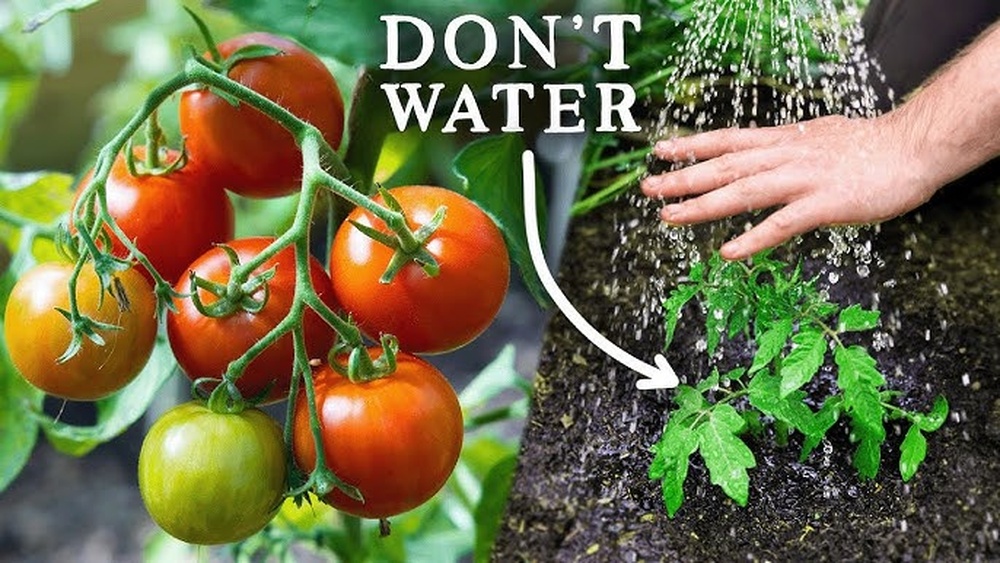
Are you wondering when to stop watering your tomato plants to get the best-tasting, perfectly ripe fruit? Knowing the right time to reduce or pause watering can make a huge difference in your harvest.
If you water too much, your tomatoes might crack or lose flavor. Water too little, and your plants could wilt or stop producing. You’ll discover simple signs to watch for and practical tips to help you time your watering just right.
Keep reading to unlock the secrets that will help your tomato plants thrive and deliver delicious, juicy tomatoes every time.
:max_bytes(150000):strip_icc()/GettyImages-1266067408-604c5d82922d4a95bd7322f1f20b1026.jpg)
Credit: www.thespruce.com
Signs To Reduce Watering
Knowing when to reduce watering helps your tomato plants thrive. Overwatering can harm fruit quality and plant health. Watch for clear signs from your plants and soil. These signals guide you to cut back watering correctly.
Reducing water at the right time improves fruit flavor and firmness. It also helps the plant prepare for the next growth stage. Pay attention to these three key signs.
Color Change In Fruits
Tomato fruits begin to change color as they ripen. When you see this, it means the plant needs less water. Too much water can slow down this color change. Cut back watering to help fruits ripen evenly and fully.
Leaf Condition
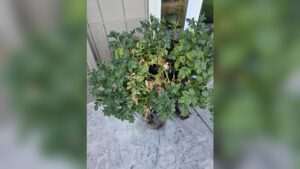
Leaves show clear signs if the plant gets too much water. Yellowing leaves or soft spots can appear. Drooping leaves may also indicate excess moisture. Healthy leaves look green and firm. Use leaf condition to judge watering needs.
Soil Moisture Levels
Check the soil before watering. Dry soil means the plant needs water. Wet or soggy soil means it does not. Let the top inch of soil dry out. This prevents root rot and encourages strong roots.
Effects Of Water Reduction
Reducing water to tomato plants near the end of their growing cycle affects fruit quality. It helps the plant focus energy on fruit development instead of leaf growth. This process improves several aspects of tomato fruit. Below are key effects of water reduction on tomato plants.
Improved Fruit Sweetness
Less water causes tomatoes to concentrate sugars. The fruit tastes sweeter and richer. Water reduction limits the dilution of natural sugars inside the tomato. This creates a better balance of flavor and sweetness.
Prevention Of Fruit Splitting
Too much water can cause tomatoes to swell and split. Reducing water helps the skin stay firm and intact. It lowers the risk of cracks and splits on the tomato surface. Healthy skin protects the fruit from pests and disease.
Encouraging Final Ripening
Cutting back water signals the plant to ripen fruit faster. The tomatoes mature fully and develop their color. Water reduction supports the final stage of fruit growth. This helps tomatoes reach peak ripeness before harvest.
Watering Strategies By Plant Type
Watering tomato plants properly depends on where and how you grow them. Different plant types need specific watering care for healthy growth and good fruit. Knowing when to stop watering is as important as watering itself. This guide explains watering strategies by plant type to help you manage water well and avoid problems.
In-ground Tomato Plants
In-ground tomato plants get water from rain and soil moisture. Water deeply once or twice a week. Stop watering when the tomatoes start turning fully red. This lets the fruit ripen without too much moisture. Overwatering can cause root rot and weaken the plant. Check the soil; if it feels dry a few inches down, water again. Avoid wetting the leaves to reduce disease risks.
Potted Tomato Plants
Potted tomato plants dry out faster than those in the ground. Water them daily during hot weather but reduce watering as fruits ripen. About a month before the first frost, stop watering to help tomatoes mature. Pots hold less soil, so watch for dry soil at the top and edges. Drainage holes must be clear to avoid waterlogging. Cut back on water slowly to prevent plant stress.
Greenhouse Tomato Plants
Greenhouse tomatoes need consistent watering due to controlled conditions. Water every two to three days depending on temperature and humidity. Keep soil moist but not soggy. Stop watering if you see blight or leaf damage to slow disease spread. If plants remain healthy and leafy, watering can continue longer than outdoor plants. Monitor soil moisture closely, adjusting water to avoid drying out or overwatering.

Credit: www.youtube.com
Timing Watering Cessation
Knowing the right time to stop watering tomato plants is important for healthy fruit and plant care. Stopping watering too early or too late can affect tomato quality and plant health. Timing watering cessation helps tomatoes ripen well and prevents diseases. This section explains when to reduce or stop watering, focusing on important seasonal cues.
Before First Frost
Stop watering tomato plants about two to three weeks before the first frost. This helps the fruit ripen fully without excess moisture. Moist soil close to frost can harm roots and cause rot. Drying out the plants prepares them for colder weather. Watch the weather forecast closely and plan watering accordingly. Stopping water early reduces the chance of fungal diseases as temperatures drop.
During Late Summer And Early Fall
In late summer and early fall, start reducing watering gradually. Tomatoes need less water as growth slows and fruit matures. Too much water now can delay ripening and weaken flavor. Water deeply but less often to encourage strong roots. Check soil moisture before watering to avoid overwatering. This practice helps fruits develop better color and sweetness before harvest.
Identifying Overwatering
Overwatering tomato plants can harm their growth and fruit quality. Knowing the signs helps stop watering at the right time. It prevents root damage and fruit problems. Watch the plant closely for changes.
Cracked Fruits
Too much water makes tomato fruits swell quickly. The skin cannot stretch fast enough. This causes cracks on the surface. Cracked fruits spoil faster and attract pests. If you see many cracks, reduce watering immediately.
Leaf Blisters And Bumps
Overwatered tomato leaves may develop blisters or bumps. These appear as raised spots or bubbles on leaves. They show the plant is stressed by excess water. Leaves may also turn yellow or wilt. These signs suggest cutting back on watering.
Root Health
Roots need air to stay healthy. Waterlogged soil fills air spaces with water. Roots start to rot without oxygen. Check roots by gently digging near the plant base. Healthy roots look white and firm. Dark, mushy roots mean overwatering. Stop watering and improve soil drainage if roots look bad.
Maintaining Soil Moisture
Maintaining soil moisture is key to healthy tomato plants. Too much or too little water affects growth and fruit quality. Finding the right balance keeps plants strong and productive. Watch the soil closely to adjust watering as needed.
Avoiding Soil Dryness
Dry soil stresses tomato plants and slows growth. Check soil moisture by touching the top layer. If it feels dry, watering is necessary. Avoid letting soil dry out completely. Use mulch to keep moisture steady and reduce evaporation.
Adjusting Frequency And Volume
Watering needs change with weather and plant size. Water less during cooler, rainy days. Increase watering on hot, dry days. Give enough water to soak the soil deeply each time. Shallow watering leads to weak roots and poor fruit.
Watering Tips For Better Harvest
Proper watering plays a key role in growing healthy tomato plants. It affects the size, taste, and overall harvest quality. Knowing when to water and when to hold back helps produce better fruit. Here are some tips to improve your tomato harvest through smart watering.
Using Water Stress To Boost Flavor
Water stress means giving tomatoes less water than usual. This stress makes the plant concentrate sugars and flavors in the fruit. The tomatoes become sweeter and richer in taste. Apply water stress carefully after fruits start to form. Stop watering for a few days, then resume slowly. Avoid stressing plants too much to prevent damage.
Monitoring Weather Conditions
Weather affects how much water tomato plants need. Hot, dry days cause plants to lose water quickly. Water more during these times but do not flood the soil. Cool or rainy days mean less watering. Check the forecast and adjust watering schedules. This helps keep plants healthy and avoids root rot or dryness.
Signs To Resume Or Stop Watering
Watch tomato leaves for clues on watering needs. Wilting leaves often mean the plant needs water. Crisp or yellow leaves can show overwatering. Soil moisture is a good guide. Stick your finger into the soil; if it feels dry two inches down, it is time to water. Stop watering when fruits near full ripeness to enhance flavor and firmness.
:max_bytes(150000):strip_icc()/SPR-how-often-to-water-tomato-plants-7152127-a906d9d37a544e20ba5d586409fe58f8.jpg)
Credit: www.thespruce.com
Frequently Asked Questions
When To Stop Watering Tomatoes In The Fall?
Reduce watering tomatoes in late summer to enhance fruit ripening. Stop watering outdoor plants near the first frost. Keep potted plants moist until frost arrives. Avoid letting soil dry out completely to protect plant health during fall.
Will Tomatoes Ripen Faster If You Stop Watering Them?
Reducing water stresses tomato plants, which can speed fruit ripening. Avoid stopping water completely to prevent drying and damage.
What To Do With Tomato Plants In September?
In September, reduce watering tomato plants to help fruits ripen and concentrate sugars. Stop watering potted plants about a month before frost. Remove any diseased leaves and support remaining fruits. Harvest ripe tomatoes promptly to prevent spoilage and prepare plants for season’s end.
How Do I Tell If I’m Over Watering My Tomato Plants?
Overwatered tomato plants show cracked fruit and blisters on lower leaves. Prolonged excess water causes corky leaf bumps and root rot.
Conclusion
Stopping watering tomato plants at the right time helps fruit ripen well. Watch for signs like leaf blight or first frost dates. Gradually reduce water as tomatoes mature to avoid overwatering. Less water can improve flavor and prevent disease. Keep checking soil moisture and plant health regularly.
Proper watering timing supports a healthy, bountiful tomato harvest. Remember, each garden may need slightly different care. Adjust your watering based on weather and plant condition. This simple step leads to better tomatoes every season.