When Do You Stop Watering Plants in the Fall: Essential Tips
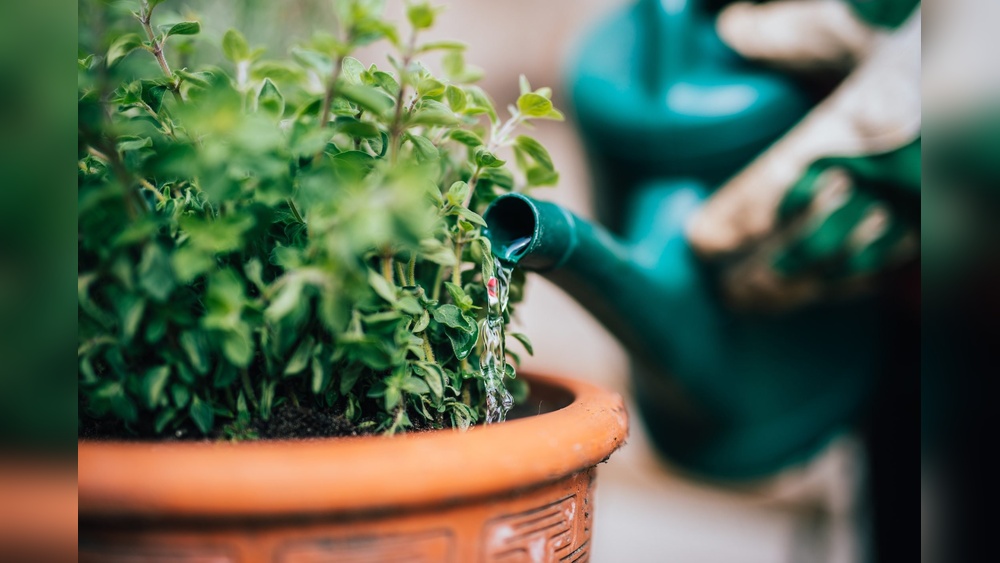
As the crisp air of fall settles in, you might wonder: when is the right time to stop watering your plants? If you’ve been nurturing your garden all summer, it’s natural to ask how to adjust your care as temperatures drop.
Watering in the fall isn’t as simple as just stopping when it gets cold. In fact, your plants still need hydration to survive the approaching winter months, but the timing and amount of water require careful attention. Keep reading to discover exactly when and how to stop watering your plants in the fall, so you can protect them from winter stress and ensure they bounce back strong next spring.

Credit: www.youtube.com
Fall Watering Basics
Fall watering is key to helping plants prepare for winter. Plants need enough water to stay healthy and strong. As temperatures drop, their water needs change. Proper watering in fall stops plants from drying out. It also supports root growth before the cold sets in.
Understanding fall watering basics helps keep your garden thriving. Adjust watering habits to the season and soil type. Watering at the right time of day also matters. These simple steps protect plants during cooler months.
Watering Frequency In Fall
Water plants less often than in summer. Most plants need watering once or twice a week. If rain falls frequently, reduce watering. For cooler days, watering once every ten days can work. Always check soil moisture before watering again.
Adjusting For Soil Types
Sandy soils dry out quickly and need more water. Clay soils hold water longer and need less watering. Loamy soils balance water well and need moderate watering. Adjust watering based on your soil’s drainage and texture. This avoids overwatering or underwatering plants.
Ideal Watering Times
Water plants early in the morning. This helps water soak into the soil before heat rises. Avoid watering in the late afternoon or evening. Wet leaves overnight can cause disease. Morning watering supports plant health and reduces water waste.
Temperature And Watering
Temperature plays a key role in deciding when to stop watering plants in the fall. As the air cools and nights get colder, plants slow their growth. They need less water but still require moisture to survive. Proper watering during this season helps prevent stress and damage caused by dry soil or early frost. Understanding how temperature affects watering habits can keep plants healthy as they prepare for winter.
Stopping At Freezing Temperatures
Stop watering plants when the ground freezes. Frozen soil cannot absorb water properly. Water sitting on frozen roots may cause damage. This can lead to root rot or other problems. Check soil temperature before watering. Use a soil thermometer or simply feel the soil. If it feels hard or icy, do not water. Let plants rely on stored moisture until spring.
Watering In Warm Climates
In warm climates, soil rarely freezes during fall. Plants may still need regular watering despite cooler air. Dry soil can harm roots and leaves. Continue watering if the soil feels dry more than a few inches deep. Adjust watering frequency based on rainfall and temperature. Keep plants hydrated, especially newly planted trees and shrubs. Avoid overwatering to prevent fungus and root issues.
Morning Watering Benefits
Water plants in the morning during fall. Morning watering allows water to soak deep into soil. It gives plants time to absorb moisture before cooler night temperatures. This reduces the risk of frost damage. Watering in the evening can leave moisture on leaves overnight. This encourages mold and disease growth. Morning watering helps plants stay healthy and strong as temperatures drop.
Special Plant Needs
Plants have different needs as fall turns colder. Some require more water to survive winter. Others need less as they prepare to rest. Understanding these special needs helps keep your garden healthy. Pay attention to each plant type to water correctly and avoid damage.
Evergreens And Winter Moisture
Evergreens keep their needles all year. They lose moisture even in winter winds. Water them well before the ground freezes. This prevents dryness and needle burn. Deep watering helps roots store water for cold months. Stop only when the soil is hard frozen.
Newly Planted Trees And Shrubs
New trees and shrubs need steady moisture in fall. Their roots are not deep yet. Water regularly until the ground freezes solid. This supports root growth and plant strength. Avoid letting soil dry out completely around them. Mulching can keep moisture longer and protect roots.
Flowers And Perennials Care
Many flowers and perennials slow down in fall. Some die back, others stay green. Water them less as temperatures drop. Focus on plants that stay alive through winter. Keep soil moist but not soggy. Stop watering when the soil freezes to prevent root rot.

Credit: bradleytrees.com
Signs To Stop Watering
Knowing when to stop watering plants in the fall is crucial. It helps plants prepare for winter. Overwatering can harm roots. Underwatering can cause dryness. Watch for clear signs to stop watering. These signs show plants and soil are ready for colder weather. Understanding these signals saves time and effort. It also keeps your garden healthy through fall and winter.
Soil Freezing Indicators
One clear sign to stop watering is when soil freezes. Frozen soil cannot absorb water. Check the soil by digging a few inches deep. If the soil feels hard or icy, it is frozen. Water will sit on top and not reach roots. Watering frozen soil wastes water and can harm plants. Stop watering once the ground freezes to avoid damage.
Plant Absorption Limits
Plants have limits on how much water they can absorb in fall. As temperatures drop, roots take in less water. Watch leaves and stems for signs of water stress. Wilting or yellowing can mean too little water. Soft or mushy roots may mean too much water. Stop watering when plants show signs of slowed growth. This helps avoid root rot and other problems.
Preparing Plants For Winter
Preparing plants for winter is essential to keep them healthy through the cold months. Plants face harsh conditions like freezing temperatures and dry winds. Proper care in fall helps reduce stress and damage. Watering, soil care, and protection create a strong foundation for winter survival.
Preventing Winter Desiccation
Winter desiccation happens when plants lose more water than they absorb. Cold winds and frozen ground cause this. Evergreens are most at risk because they keep their needles year-round. Water plants deeply before the ground freezes. This helps them store moisture for winter. Avoid watering when temperatures drop below freezing to protect roots.
Managing Dry Fall Conditions
Fall can be dry, causing plants to suffer from lack of water. Keep watering plants during dry spells until the soil freezes. Newly planted trees and shrubs need extra water to establish roots. Water in the morning to allow absorption before cold nights. Monitor soil moisture regularly to avoid drought stress.
Mulching And Soil Protection
Mulch acts as a blanket for soil during winter. It keeps soil temperature steady and retains moisture. Use organic mulch like leaves or wood chips around plants. Apply mulch in a thick layer but keep it away from stems. Mulching prevents soil from freezing too fast and protects roots from frost damage.

Credit: m2enterprises.com
Frequently Asked Questions
Do You Need To Water Plants In November?
Water plants in November until the ground freezes to prevent drying. Evergreens and new plants need extra water. Water in the morning for best absorption.
How Often Should You Water In October?
Water plants deeply twice a month in October. For clay or rocky soils, once a month may suffice. Keep soil moist until it freezes.
What Temperature Should You Stop Watering Plants At?
Stop watering plants when the ground freezes, as frozen soil prevents water absorption. Continue watering until that point.
Should You Water Your Garden In September?
Water your garden in September to keep soil moist as plants prepare for winter. Focus on newly planted and evergreen species. Stop watering once the ground freezes to prevent damage. Adjust watering based on local climate and soil moisture levels.
Conclusion
Water your plants in fall until the soil freezes. This keeps roots healthy and prevents drying. Evergreens and new plants need extra care and water. Water early in the day to avoid freezing damage. In warm areas, continue watering if soil is dry.
Stopping too soon can harm plants during winter. Proper fall watering helps plants survive cold months. Keep your garden hydrated as the season changes.