When Should I Stop Watering Plants in Fall: Expert Timing Tips
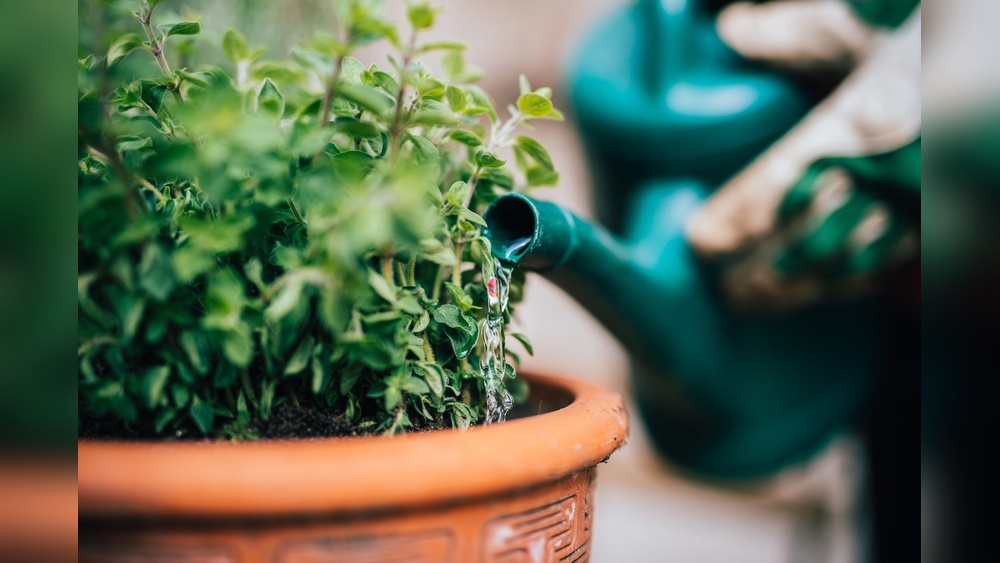
As the vibrant colors of fall take over, you might wonder: when should you stop watering your plants? It’s a crucial question because watering at the wrong time can harm your garden instead of helping it.
You want your plants to stay healthy through the chilly months, but overwatering can lead to root problems or even freeze damage. You’ll discover the perfect timing to ease off on watering so your plants can thrive as the season changes.
Keep reading to learn how to protect your garden and make your fall watering routine work smarter—not harder.
Fall Watering Basics
Fall watering basics help plants prepare for winter. Plants need less water as temperatures drop. Understanding how to adjust watering protects plant health and saves water. Follow simple steps to keep soil just right through fall.
Why Adjust Watering In Fall
Plants use less water in fall than in summer. Cooler weather slows plant growth and water needs. Too much water can harm roots and cause disease. Adjusting watering keeps plants healthy and ready for winter rest.
Impact Of Cooler Temperatures
Cooler air slows evaporation and plant water use. Soil stays moist longer than in hot months. Plants close tiny pores on leaves to save water. Water less often but deeply to support root health.
Soil Moisture Changes
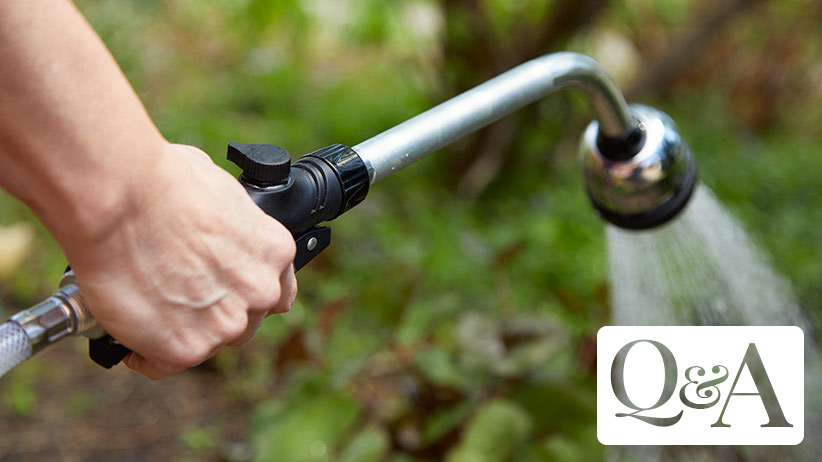
Soil holds more moisture in fall due to cooler weather. Frequent rain can reduce the need to water. Check soil before watering by feeling a few inches deep. Water only if soil feels dry to keep roots safe.
Credit: www.gardengatemagazine.com
Timing To Stop Watering
Knowing the right time to stop watering plants in fall helps protect them through winter. Watering too late wastes water and can harm roots. Stop watering based on weather, soil, and plant needs. Watch these signs closely to decide when to cut back.
Watching Temperature Drops
Temperature changes guide when to stop watering. As daytime highs drop below 50°F, plants need less water. Cooler air slows plant growth and water use. Night temperatures near freezing signal watering should slow down. Consistent cold means roots absorb less moisture. Stop watering before soil gets too cold.
Signs Soil Is Staying Moist
Check soil moisture before watering again. If soil stays damp for days after rain, skip watering. Moist soil protects roots from drying out during cold months. Overwatering wet soil can cause root rot. Use a finger or tool to test soil depth. If soil feels wet two inches below surface, hold off watering.
Role Of First Frost And Freeze
The first frost or freeze is a key sign to stop watering. Frozen soil blocks water from reaching roots. Water after freeze cannot soak into frozen ground. Overwatering after freeze can damage roots and cause ice buildup. Stop watering a few days before frost to prepare plants. This helps plants survive cold winter months safely.
Watering Frequency In Fall
Watering frequency in fall changes as temperatures cool down and daylight shortens. Plants need less water because they grow slower. Overwatering can cause root problems and waste water. Adjusting how often you water helps plants stay healthy through the season.
Adjusting Watering Schedule
Water plants less often in fall than in summer. Check the soil moisture before watering. If the soil feels dry two inches below the surface, it is time to water. Water deeply but less frequently to encourage strong roots. Reduce watering as the weather gets cooler.
Differences For Soil Types
Sandy soils dry out faster and need more frequent watering. Clay soils hold water longer and need less watering. Loamy soils hold moisture well and need moderate watering. Know your soil type to set the right watering schedule. This prevents overwatering or underwatering.
Watering New Vs Established Plants
New plants need more frequent watering to help roots grow. Water them gently and often, especially in dry weather. Established plants need less water in fall. Water them deeply but less often to keep roots healthy. Adjust watering based on plant type and weather conditions.
Watering Specific Plants
Watering needs change as fall approaches. Different plants require distinct care. Knowing when to stop watering helps plants prepare for winter. Some plants need watering longer than others. Understanding these needs supports healthy growth and survival through cold months.
Trees And Shrubs
Trees and shrubs need water until the ground freezes. They store moisture to survive winter. Water deeply to encourage strong roots. Stop watering once soil stays frozen. Avoid watering during freezing to prevent root damage.
Perennials
Perennials slow down growth in fall. They need less water but should not dry out. Water them less often but deeply. Stop watering after the first hard frost. This helps them rest and prepare for spring growth.
New Plantings
New plants need extra water in fall. Their roots are not fully grown. Water them regularly until the soil freezes. This helps them establish strong roots. After freezing, stop watering to avoid root rot.
Techniques For Fall Watering
Watering plants in fall requires careful attention to keep them healthy through cooler months. Adjusting your watering techniques helps plants absorb water efficiently without overwatering. Proper methods prepare plants for winter dormancy and reduce water waste.
Using Soaker Hoses And Drip Irrigation
Soaker hoses and drip irrigation deliver water directly to the soil. This method reduces evaporation and keeps leaves dry, lowering disease risk. These systems allow slow, steady watering that plants prefer in fall. They save time and water by targeting roots exactly.
Deep Vs Shallow Watering
Deep watering encourages roots to grow downward and strengthens plants. Shallow watering only moistens the surface, leading to weak roots. In fall, focus on deep watering once or twice a week. This helps plants store water for winter and stay healthy.
Watering Timing During The Day
Water early in the morning when temperatures are cooler. Morning watering reduces evaporation and gives plants time to dry before night. Avoid watering in the evening to prevent fungal growth. Consistent timing keeps soil moist but not soggy.

Credit: m2enterprises.com
Preparing Plants For Winter
Preparing plants for winter is key to their survival through cold months. Proper care in fall helps plants stay healthy and strong. Adjust watering habits to match seasonal changes. Focus on root hydration, water control, and freeze protection.
Hydrating Roots For Cold Weather
Roots need moisture before soil freezes. Water plants deeply during early fall. This keeps roots healthy and ready for winter. Dry roots can suffer damage when temperatures drop. A good soak supports root growth and plant strength.
Avoiding Overwatering
Too much water harms plants in fall. Wet soil can cause root rot and other issues. Water less as temperatures cool down. Check soil moisture before watering again. Allow soil to dry slightly between watering sessions.
Protecting Plants From Freeze Damage
Freeze can injure plants if not prepared. Mulch around the base to insulate roots. Cover sensitive plants with cloth or frost blankets. Remove covers during the day to let air and light in. These steps reduce stress and improve winter survival.
Credit: bradleytrees.com
Frequently Asked Questions
What Time Of Year Do You Stop Watering Your Yard?
Stop watering your yard once temperatures consistently stay low and the ground begins to freeze. This prevents water absorption by roots.
Do You Need To Water Plants In November?
Water plants sparingly in November, about once or twice a month. Focus on new or sensitive plants. Stop watering when the ground freezes.
What Temperature Should You Stop Watering Plants At?
Stop watering plants when temperatures consistently drop below 40°F (4°C) or when the ground freezes.
How Often Should You Water In October?
Water plants thoroughly twice a month in October. For clay or rocky soils, once a month may suffice. Adjust based on rainfall and soil moisture.
Conclusion
Stopping watering plants in fall depends on your local weather. Keep watering until the soil stays moist and temperatures stay above freezing. Once the ground freezes, plants cannot absorb water well. Watch for signs like dry soil or wilting leaves.
Water less often as days get cooler and rains increase. This helps plants rest and prepare for winter. Proper fall watering keeps roots healthy and supports growth in spring. Adjust watering based on your soil type and plant needs. Staying mindful helps your garden thrive year-round.