When Should Plants Be Watered: Expert Tips for Healthy Growth
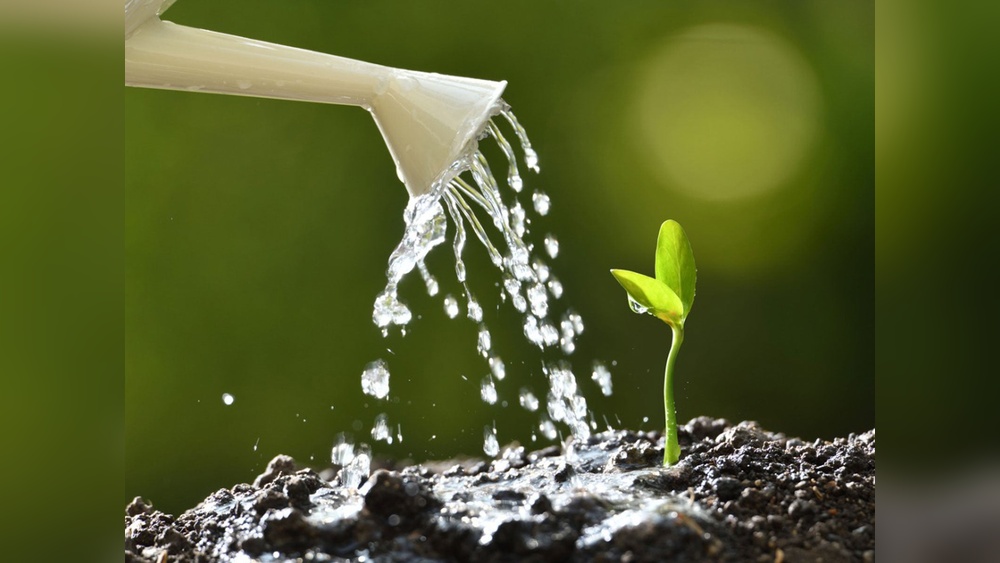
Are you unsure about the best time to water your plants? Getting it right can make all the difference between a thriving garden and struggling greenery.
Watering too early or too late, or even overwatering, might harm your plants more than help them. But don’t worry—this guide will help you understand exactly when your plants need water, so you can keep them healthy and vibrant. Keep reading to discover simple tips that will make watering your plants easier and more effective than ever before!
Credit: southernlivingplants.com
Best Times To Water
Watering plants at the right time helps them absorb moisture better. Choosing the best times to water can reduce waste and keep plants healthy. Sunlight, temperature, and humidity affect when plants need water most.
Morning Benefits
Watering in the morning gives plants time to soak up moisture before heat. The sun warms soil slowly, helping water reach roots deeply. Morning watering also reduces water loss from evaporation. Plants stay hydrated through the day and grow stronger.
Evening Considerations
Evening watering cools plants after a hot day. It can help soil stay moist longer overnight. Avoid watering too late to prevent leaves from staying wet all night. Wet leaves may cause plant diseases in some cases.
Avoiding Midday Watering
Midday heat causes water to evaporate quickly. Watering now wastes water and leaves plants thirsty. Sunlight can make water droplets act like tiny lenses. This may burn delicate leaves and harm plants. Save water and protect plants by skipping midday watering.
Credit: theveggielady.com
Signs Plants Need Water
Knowing the signs that plants need water helps keep them healthy. Plants cannot tell us when they feel thirsty. Observing their condition is the best way to know when to water. Watch the soil and the plant itself for clear signals. These signs help you avoid overwatering or underwatering your plants.
Soil Moisture Check
Check the soil to see if it is dry. Stick your finger about one inch into the soil. If it feels dry, the plant needs water. If it is still moist, wait before watering. Soil that is too wet can harm the roots. This simple test helps prevent watering mistakes.
Plant Behavior Cues
Plants show signs when they need water. Leaves may look dull or lose their shine. The plant might stop growing or appear smaller. New leaves may be fewer or smaller than usual. These changes signal the plant is stressed and needs water soon.
Wilting And Leaf Changes
Wilting is a clear sign of water shortage. Leaves droop and lose their firmness. Some leaves may turn yellow or brown at the edges. In severe cases, leaves may curl or fall off. Catch these signs early to save your plant from damage.
Watering Techniques
Watering techniques play a vital role in the health of your plants. Using the right method ensures roots get enough moisture without wasting water. It also helps prevent diseases and promotes strong growth.
Understanding how to water properly can save time and resources while keeping plants vibrant and healthy. Below are key watering techniques to consider.
Deep Vs. Shallow Watering
Deep watering means soaking the soil to reach roots deep below the surface. This encourages roots to grow downward, making plants stronger and drought-resistant. Shallow watering wets only the top layer of soil. It can cause roots to stay near the surface, making plants weaker and more dependent on frequent watering.
For most plants, deep watering is best. It helps plants develop a strong root system. Shallow watering may be suitable for young seedlings that need gentle moisture.
Watering Frequency
Watering frequency depends on plant type, soil, and weather. Most plants need water every few days, but some require daily care in hot weather. Check the soil moisture by touching it. If it feels dry a few inches down, it is time to water. Avoid watering on a fixed schedule without checking soil as it wastes water and harms plants.
Adjust watering during rainy periods or cooler seasons. Overwatering can be as harmful as underwatering.
Tools And Methods
Use watering cans, hoses, or drip irrigation to water plants. Drip irrigation delivers water slowly and directly to the roots. It reduces water loss and keeps leaves dry, which helps prevent disease. Watering cans allow precise control for small gardens or indoor plants. Hoses with adjustable nozzles are good for larger gardens.
Choose tools that match your garden size and plant needs. Always water at the base of the plant to keep leaves dry and healthy.
Adjusting Watering By Plant Type
Different plants need different amounts of water. Adjusting watering by plant type helps keep them healthy and vibrant. Understanding the specific needs of succulents, flowering plants, vegetables, and herbs improves your watering routine.
Succulents And Cacti
Succulents and cacti store water in their leaves and stems. They need less frequent watering than other plants. Water them only when the soil is completely dry. Overwatering can cause root rot and damage these drought-tolerant plants. Morning watering allows the soil to dry out during the day.
Flowering Plants
Flowering plants need consistent moisture to bloom well. Water them more often during their growing season. Check the top inch of soil; if it feels dry, it is time to water. Avoid wetting the leaves to prevent diseases. Early morning watering helps flowers absorb moisture before heat.
Vegetables And Herbs
Vegetables and herbs require regular watering to grow strong. They prefer deep watering to encourage root growth. Water at the base, not the leaves, to reduce disease risk. Morning is the best time to water these plants. This practice supports healthy growth and better harvests.
Seasonal Watering Tips
Watering plants changes with the seasons. Each season brings different weather and soil conditions. Understanding these changes helps keep plants healthy year-round. Adjust watering habits to match seasonal needs.
Summer Care
Summer heat makes soil dry quickly. Water plants early in the morning. This helps roots absorb water before the sun dries it. Avoid watering in the afternoon to prevent leaf burn. Use deep watering to reach roots. Check soil moisture often to avoid overwatering.
Winter Watering
Plants need less water in winter. Cold temperatures slow growth and water use. Water only when the soil feels dry. Use less water to avoid root rot. Water during the warmest part of the day. This helps water soak into the soil before freezing.
Rainy Season Adjustments
Rain reduces the need for watering. Check soil moisture before watering. Too much water can harm plants. Use mulch to keep soil moist and prevent erosion. Drain excess water from pots and beds. Adjust watering schedule to avoid overwatering during heavy rains.
Common Watering Mistakes
Watering plants may seem simple, but many gardeners make mistakes. These errors can harm plant health and growth. Understanding common watering mistakes helps plants thrive and saves water.
Knowing what not to do is as important as knowing when to water. Avoiding these errors improves your garden’s success.
Overwatering Risks
Giving plants too much water causes root rot. Roots need air to breathe. Excess water fills air spaces in soil, suffocating roots. Overwatering also encourages fungal diseases. Leaves may yellow and wilt even with plenty of water. Soil stays soggy and drains poorly. This creates a breeding ground for pests and pathogens.
Underwatering Effects
Plants that get too little water show stress quickly. Leaves turn brown and dry out. Growth slows or stops altogether. Flowers and fruits may drop early. Roots shrink and die without moisture. Soil becomes hard and cracked. Underwatered plants are more vulnerable to insects and disease. Lack of water reduces nutrient uptake, weakening plants further.
Watering At Wrong Times
Watering at midday causes water loss through evaporation. Plants get less benefit from each watering. Wet leaves under strong sun may burn. Watering late in the day leaves moisture on leaves overnight. This promotes fungal infections and mold growth. Early morning is best for watering. Plants absorb moisture before heat builds. Soil stays moist longer, supporting healthy roots.
Soil And Environment Factors
Understanding soil and environmental factors is key to watering plants correctly. These factors affect how much water plants need and the best time to water them. Paying attention to soil type, climate, and mulching can help maintain healthy plants and avoid overwatering or underwatering.
Soil Type Impact
Soil type controls how water moves and stays near roots. Sandy soil drains quickly and needs more frequent watering. Clay soil holds water longer but can stay too wet if watered too much. Loamy soil balances drainage and moisture, making it easier to manage watering. Knowing your soil type helps decide watering frequency and amount.
Climate Considerations
Climate affects how fast soil dries and plants use water. Hot, dry weather causes faster evaporation and plant stress. Cool, humid climates slow water loss, needing less frequent watering. Windy days increase evaporation, so plants may need extra water. Adjust watering based on weather and temperature for best results.
Mulching Benefits
Mulching covers soil to reduce evaporation and keep moisture longer. Organic mulches like wood chips or straw improve soil quality. Mulch also protects roots from temperature changes and controls weeds. Adding mulch means plants need less frequent watering and stay healthier in dry conditions.
Credit: www.reddit.com
Frequently Asked Questions
When Should I Not Water My Plants?
Avoid watering plants at dusk or after dark to prevent disease from wet foliage. Also, skip watering during midday when the sun causes rapid evaporation and may scorch sensitive leaves.
What Is The 70/30 Rule In Gardening?
The 70/30 rule in gardening means using 70% organic matter and 30% soil to create nutrient-rich, well-draining planting mix.
When Should You Water Plants On A Hot Day?
Water plants early in the morning on hot days. This reduces evaporation and helps roots absorb moisture efficiently. Avoid midday watering to prevent water loss.
How Do You Know When Plants Need Watering?
Check soil moisture by sticking your finger about an inch deep near the plant. Dry soil means water is needed. Wilting leaves also signal thirst. Water plants early in the morning to reduce evaporation and improve absorption. Avoid watering during midday heat or late evening.
Conclusion
Water plants early in the morning for best results. Avoid watering during hot midday hours to save water. Evening watering may cause leaf diseases if leaves stay wet overnight. Check soil moisture regularly to know when plants need water. Different plants have different water needs; adjust accordingly.
Proper watering helps plants grow strong and stay healthy. Small changes in watering times make a big difference. Stay consistent and watch your garden thrive over time.