When to Start Watering Plants After Winter
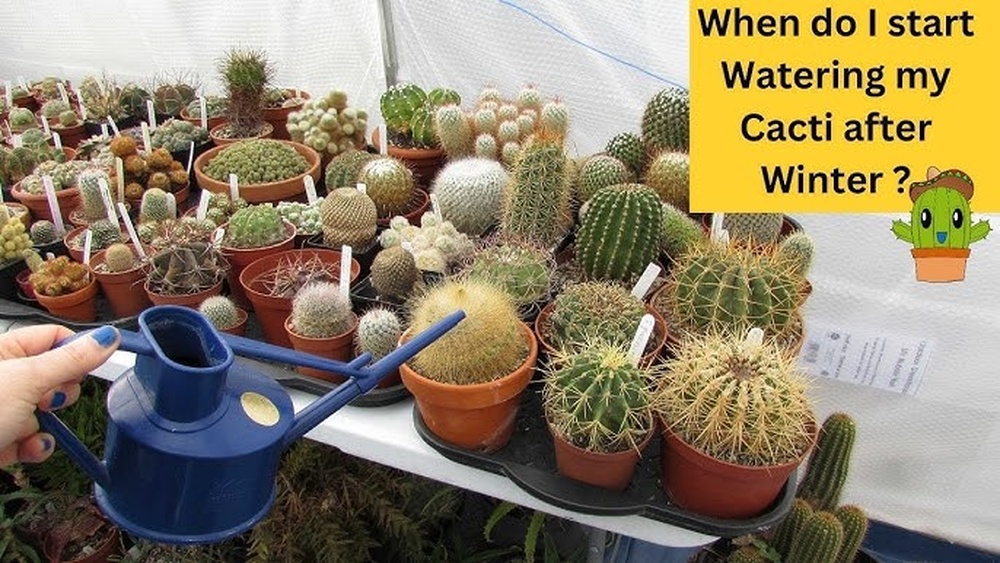
Winter’s chill puts your plants into a deep rest, but now that the cold is fading, you might wonder: when exactly should you start watering them again? If you jump in too soon, you risk overwatering; wait too long, and your plants could suffer from dryness.
This delicate balance is key to helping your garden thrive as spring arrives. You’ll discover simple signs to watch for and practical tips to know the perfect time to start watering your plants after winter. Keep reading to give your garden the fresh start it deserves!
Credit: www.reddit.com
Signs Plants Need Water
Knowing the signs that plants need water helps you care for them properly after winter. Plants show clear signals when they start to need moisture again. Observing these signs ensures healthy growth as spring arrives. Pay close attention to soil, leaves, and plant behavior. These clues guide your watering schedule effectively.
Checking Soil Moisture
Soil moisture is the first thing to check. Stick your finger about an inch into the soil near the plant. If it feels dry, the plant likely needs water. Wet or damp soil means watering can wait. Moist soil prevents overwatering, which harms roots. Use this simple test regularly to keep soil conditions ideal.
Observing Plant Appearance
Plant leaves and stems show clear signs of thirst. Wilting leaves indicate a lack of water. Leaves may also turn yellow or brown at the edges. Soft or drooping stems suggest dryness. Healthy plants have firm, green leaves. Watch for these changes daily to catch water needs early.
Identifying Dormancy End
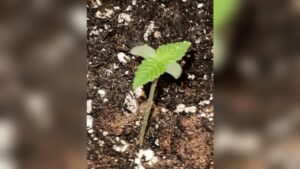
Plants enter dormancy in winter to save energy. Signs of dormancy ending include new buds or shoots emerging. Growth signals that the plant is ready to absorb water again. Roots also become more active, drawing moisture from soil. Start watering gently once new growth appears to support revival.

Credit: www.reddit.com
Timing Watering After Winter
Knowing the right time to start watering plants after winter is crucial for healthy growth. Plants rest through winter and need gentle care as they wake up. Watering too early or too late can harm them. Watch the signs from nature and your local weather to decide when to water again.
Temperature Thresholds
Plants usually begin to grow when soil warms above 50°F (10°C). Watering before this can cause root damage. Air temperature also matters; wait until nights stay above freezing. Warm days signal plants to exit dormancy and need water.
Daylight Duration Effects
Longer daylight hours help plants use water better. As days grow longer in spring, plants start photosynthesis actively. This means they need more water to support new leaves and stems. Track daylight changes to plan watering schedules.
Local Climate Considerations
Climate affects when plants need water after winter. In dry areas, watering may start earlier. Wet regions might delay watering due to natural moisture. Check local weather and soil moisture before watering your garden.
Watering Techniques For Early Spring
Watering plants in early spring requires special care. The soil is still cool, and plants are waking from dormancy. Proper watering helps roots grow strong and prepares plants for the growing season. Understanding different watering techniques can improve plant health and conserve water.
Choosing the right method depends on plant type, soil, and weather conditions. This guide covers deep versus frequent watering, differences between containers and garden beds, and the best time of day to water.
Deep Vs. Frequent Watering
Deep watering means soaking the soil to reach roots deeply. It encourages roots to grow downward, making plants stronger. Frequent shallow watering keeps the surface moist but does not help roots grow well. Early spring plants benefit from deep watering once or twice a week. Avoid overwatering to prevent root rot and fungal diseases.
Watering Containers Vs. Garden Beds
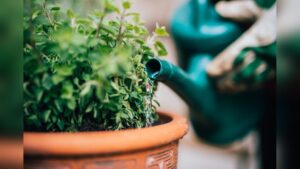
Containers dry out faster than garden beds. Water container plants more often to keep soil moist. Use a watering can or hose with a gentle flow to avoid soil loss. Garden beds hold moisture longer. Water deeply but less often. Check soil moisture by feeling it a few inches below the surface before watering.
Best Time Of Day To Water
Water plants early in the morning to reduce evaporation. Morning watering allows leaves to dry during the day, lowering disease risk. Avoid watering in the evening, which keeps leaves wet overnight. This can cause fungal growth. If morning watering is not possible, water in the late afternoon but not too close to sunset.

Credit: www.youtube.com
Adjusting Watering For Different Plant Types
Different plants need different watering care after winter. Knowing how to adjust watering helps plants grow strong. Some plants need more water early in spring. Others need less to avoid root problems. Understanding plant types makes watering easier and more effective.
Perennials And Shrubs
Perennials and shrubs start growing after winter dormancy. They need deep watering to reach roots. Water them once the soil feels dry. Avoid overwatering to prevent root rot. Mulch helps keep soil moist and cool. Check soil moisture regularly for best results.
Newly Planted Trees
New trees need careful watering in spring. Their roots are small and close to the surface. Water deeply but gently to help roots grow. Water more often during dry spells. Avoid letting soil dry completely. Use a slow drip or soaker hose for best results.
Indoor Vs. Outdoor Plants
Indoor plants need less water after winter. They lose less water through leaves. Check soil moisture before watering. Outdoor plants dry faster from sun and wind. Water outdoor plants early in the day. Adjust watering based on weather and soil type.
Common Watering Mistakes To Avoid
Watering plants after winter requires care to avoid common mistakes. These errors can harm your plants instead of helping them grow. Knowing what to avoid ensures healthy plants and saves water.
Overwatering Risks
Too much water can drown plant roots. Roots need air to breathe. Overwatering causes root rot and weak plants. It also invites pests and diseases. Water only when the soil feels dry.
Ignoring Soil Drainage
Soil must drain well to keep roots healthy. Poor drainage leads to waterlogged soil. This suffocates roots and causes decay. Check soil type and improve drainage if needed. Use raised beds or add sand to heavy soil.
Watering During Frost
Watering when frost is present can harm plants. Frozen water damages roots and leaves. Wait until frost melts before watering. Early morning is the best time to water. This prevents ice from forming on plants.
Monitoring And Adapting Watering Schedule
Adjusting your watering routine after winter is key to healthy plant growth. Plants leave dormancy at different times. Watching their needs closely helps avoid overwatering or underwatering. A flexible plan suits changing weather and plant conditions. Use simple tools and observations to guide your watering schedule. Here are ways to monitor and adapt effectively.
Using Weather Forecasts
Weather forecasts give clues about upcoming rain or dry spells. Check local forecasts regularly. Skip watering if rain is expected soon. On hot, windy days, plants lose water faster. Increase watering slightly during these conditions. Using forecasts helps save water and keeps plants happy.
Seasonal Changes Impact
Spring and early summer bring warmer temperatures and longer days. Plants begin growing actively and need more water. As seasons shift, watering needs change too. Early spring requires less water than late spring or summer. Adjust watering amounts gradually based on the season. This avoids stress and supports steady growth.
Soil And Plant Health Checks
Feel the soil before watering. Dry soil means it’s time to water. Moist soil means wait a day or two. Look at plant leaves for signs of thirst. Wilting or drooping signals the need for water. Healthy soil drains well and holds moisture. Regular checks help you fine-tune watering and keep plants strong.
Frequently Asked Questions
When Should I Start Watering In The Spring?
Start watering in early spring once soil thaws and temperatures consistently rise above 50°F (10°C).
What Is The 3-hour Gardening Rule?
The 3-hour gardening rule advises watering plants early morning or late evening to reduce evaporation. Water for about three hours to ensure deep soil penetration and healthy roots. This practice promotes efficient water use and supports plant growth.
Should I Still Water My Plants In October?
Yes, continue watering plants in October. Water deeply once or twice a month, depending on soil type and weather.
When To Quit Watering In The Fall?
Stop watering in fall once temperatures consistently drop below 50°F and plants enter dormancy. Typically, this occurs by late October or after the first hard freeze. Adjust based on soil type and weather to prevent overwatering and protect plant health during winter.
Conclusion
Starting to water plants after winter depends on soil and weather conditions. Wait until the ground thaws and warms up slightly. Check if plants show signs of new growth or buds. Avoid watering too early to prevent root damage. Gradually increase watering as temperatures rise and plants become active.
Monitor soil moisture regularly to keep plants healthy. Remember, proper watering supports strong growth in spring and summer. This simple care step helps your garden thrive after winter’s rest.