When Should You Stop Watering Plants in the Fall: Expert Tips
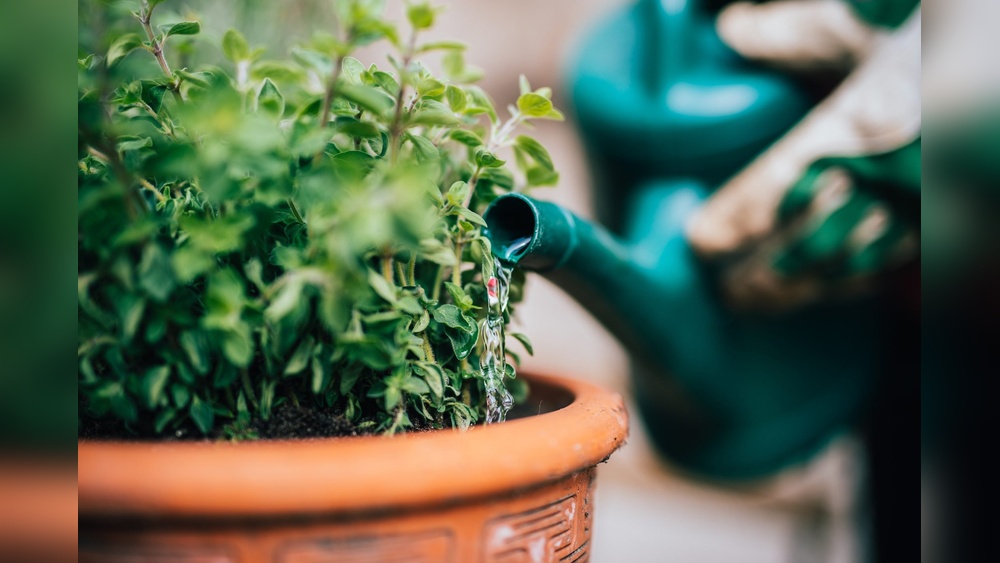
As the vibrant colors of fall take over your garden, you might wonder, when exactly should you stop watering your plants? Watering too long or stopping too soon can both harm your plants as they prepare for winter.
You want to keep your garden healthy without wasting water or encouraging disease. You’ll discover the simple signs to watch for, how to adjust your watering routine as the temperature drops, and special tips for different types of plants. Keep reading to learn how to protect your garden this fall and set it up for a strong, beautiful spring.
Fall Watering Importance
Watering plants in the fall plays a vital role in their health during cold months. Proper fall watering helps plants survive winter stress. It supports their roots and prepares them for spring growth. Stopping watering too early or too late can harm plants. Understanding why fall watering matters guides the right care.
Preventing Winter Burn
Winter burn happens when plants lose moisture faster than roots can replace it. Fall watering keeps soil moist and helps roots absorb water. This reduces leaf and branch damage caused by dry winter winds. Well-hydrated plants resist winter burn better and stay healthier throughout the cold season.
Reducing Root Injury
Roots stay active in fall but slow down as soil cools. Moist soil protects roots from freezing damage. Dry soil allows roots to freeze and crack, causing injury. Watering in fall keeps roots safe and strong. It supports plant survival and growth when temperatures drop.
Preparing For Spring Growth
Plants build energy reserves in fall for spring growth. Adequate water supports this process. Fall watering encourages deep root growth and nutrient absorption. Healthy roots mean better blooming and leaf growth in spring. Giving plants enough water in fall sets them up for success.
Credit: bradleytrees.com
Signs To Stop Watering
Knowing when to stop watering plants in the fall is important for their health. Overwatering can cause root damage and invite diseases. Plants also need less water as temperatures cool. Watch for clear signs that tell you it’s time to reduce or stop watering. These signs help protect your garden through the cold months.
Ground Freezing
One key sign to stop watering is when the ground freezes. Frozen soil cannot absorb water properly. Water stays on the surface and can cause ice buildup. This stops moisture from reaching plant roots. Watering after the ground freezes may harm plants instead of helping them.
Consistent Temperature Drop
Another sign is a steady drop in temperature. When nights stay below 40°F (4°C) consistently, plants need less water. Cold air slows down plant growth and water use. Watering too much during cold spells can lead to soggy soil and root rot.
Soil Moisture Levels
Check the soil moisture before watering. Soil that feels damp or wet means plants do not need water. Use your finger to test the top few inches of soil. If it is dry, a little water may help. If it feels moist, hold off on watering to avoid overwatering.
Adjusting Watering Schedule
Adjusting your watering schedule in the fall helps prepare plants for winter. As temperatures drop, plants need less water. Overwatering can cause root problems and waste water. Changing how often and how deeply you water helps keep plants healthy through colder months.
Tapering Off Watering Frequency
Start by watering less often as fall progresses. Instead of daily or every other day, switch to once or twice a week. Watch the weather and skip watering if rain is expected. Cooler temperatures slow plant growth, so less water is needed. Gradually reduce watering to avoid shocking the plants.
Deep Watering Techniques
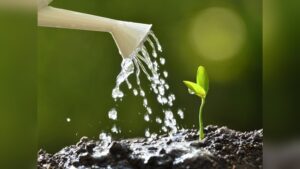
Water deeply but less often during fall. This encourages roots to grow deeper into the soil. Use a slow drip or soak the soil for several minutes. Deep watering helps plants store moisture for dry winter months. Avoid light, frequent watering that only wets the surface.
Soil Moisture Checks
Check soil moisture regularly to guide watering decisions. Stick your finger about two inches into the soil. If it feels dry, it’s time to water. If it feels moist, wait a few more days. Using a moisture meter can give more accurate readings. Healthy soil moisture keeps plants strong through fall and winter.

Credit: m2enterprises.com
Special Plant Considerations
Special plants need different watering care as fall arrives. Understanding these needs helps protect plants through cold months. Some plants require watering longer, while others need less. This section covers key plant types and their fall watering tips.
Newly Planted Trees And Shrubs
New trees and shrubs have shallow roots. They cannot access deep soil moisture yet. Water them deeply until the ground freezes. This helps roots grow strong before winter. Stop watering only when the soil feels hard and frozen. Keep watering during dry fall weeks for best results.
Perennials And Garden Plants
Perennials store energy in their roots for next spring. Water them until the soil cools to around 40°F (4°C). This supports root health and growth. Avoid watering when frost is expected soon. Garden plants with bulbs need less water as they prepare to go dormant. Reduce watering gradually to prevent rot.
Evergreens
Evergreens lose water even in winter through their needles. They need water until the ground freezes solid. This keeps them hydrated during dry, cold spells. Water deeply before the first hard freeze. Stop watering once the soil is frozen to avoid root damage. Mulching helps retain soil moisture around evergreens.
Watering Tips For Cold Weather
Watering plants in cold weather needs a careful approach. Plants require less water as temperatures drop. Overwatering can harm roots and cause fungal issues. Follow simple tips to keep plants healthy during chilly months.
Avoiding Overwatering
Plants use less water in cold weather. Water only when the soil feels dry a few inches below the surface. Too much water can freeze and damage roots. Avoid watering if the ground is already moist or frozen. Check the weather forecast before watering to prevent excess moisture.
Protecting Roots From Frost
Roots are vulnerable to frost damage in fall. Water plants early in the day to allow soil to absorb moisture before night. Moist soil holds heat better and protects roots from freezing. Do not water late in the day or at night when temperatures drop rapidly. Healthy roots improve plant survival through winter.
Using Mulch For Moisture Retention
Apply mulch around plants to keep soil moist and warm. Mulch slows water evaporation and insulates roots from cold. Use organic mulch like straw, wood chips, or leaves. Spread a 2-3 inch layer, but keep mulch away from plant stems. Mulching reduces the need for frequent watering during fall.

Credit: www.youtube.com
Regional Watering Advice
Watering needs change with the seasons and regions. Understanding local conditions helps you care for plants properly in fall. Regional watering advice guides when to reduce or stop watering. This protects plants and conserves water.
Different climates and plant types need specific watering schedules. Knowing these details prevents overwatering or underwatering. Here is advice for Austin, Texas, and general tips for adapting to weather and plant types.
Watering In Austin, Texas Climate
Austin has hot summers and mild winters. Fall brings cooler temperatures and less rain. Water plants deeply but less often as temperatures drop. Stop watering outdoor plants once soil stays cool and moist naturally. Watch for early frost, which signals to stop watering.
Adapting To Local Weather Patterns
Check daily weather and soil moisture in fall. Rainfall reduces the need for watering. Adjust your schedule based on dry spells or wet weeks. Cooler nights and shorter days lower plant water use. Use a soil moisture meter to avoid watering too much or too little.
Native Vs Non-native Plant Needs
Native plants are used to local rain and temperature changes. They usually need less watering in fall. Non-native plants may require more care and water. Group plants by their needs to water efficiently. Reduce watering for natives first, then check non-natives closely.
Frequently Asked Questions
What Is The 70/30 Rule In Gardening?
The 70/30 rule in gardening means using 70% native plants and 30% non-native, non-invasive plants for balance and biodiversity.
Do You Need To Water Plants In November?
Water plants in November once or twice monthly, focusing on deep watering. Stop when soil freezes. Newly planted trees need more water. Check soil moisture before watering.
What Temperature Should You Stop Watering Plants At?
Stop watering plants when soil temperature consistently drops near freezing (32°F/0°C) and the ground freezes solid. Gradually reduce watering in late fall to prevent root damage and winter burn. Newly planted trees may need watering longer than established plants until soil freezes.
What Time Of Year Do You Stop Watering Your Yard?
Stop watering your yard once the ground freezes solid and temperatures consistently stay low. Gradually reduce watering as fall progresses. Deep soak plants before winter to protect roots. Newly planted trees need watering longer than established ones.
Conclusion
Stopping watering plants in the fall depends on weather and soil. Once soil freezes, roots cannot absorb water. Keep watering until temperatures stay consistently low. Proper fall watering helps plants survive winter cold. It prevents drying and prepares plants for spring growth.
Watch your local weather and soil conditions closely. This simple step protects your garden through the colder months. Careful watering in fall leads to healthier plants next season.