When to Stop Watering Potato Plants: Essential Tips for Harvest Success
Are you wondering when exactly to stop watering your potato plants? It’s a common question that can make or break your potato harvest.
Watering too little can stunt growth, but watering too much can cause the tubers to split or rot. Knowing the right moment to ease off is key to growing healthy, tasty potatoes. You’ll discover simple signs your plants give you, like yellowing leaves and drying foliage, that tell you it’s time to stop watering.
You’ll also learn why stopping watering at the right time helps your potatoes develop strong skins and last longer in storage. Keep reading to make sure your potato crop reaches its full potential without any watery surprises!
Credit: growfully.com
Signs To Stop Watering
Knowing when to stop watering potato plants is key for a good harvest. Overwatering can harm tubers and reduce yield. Watch the plants closely. They show clear signs when they need less water.
These signs help you avoid wasting water and keep your potatoes healthy. The key signals come from the leaves and the plant’s growth stage.
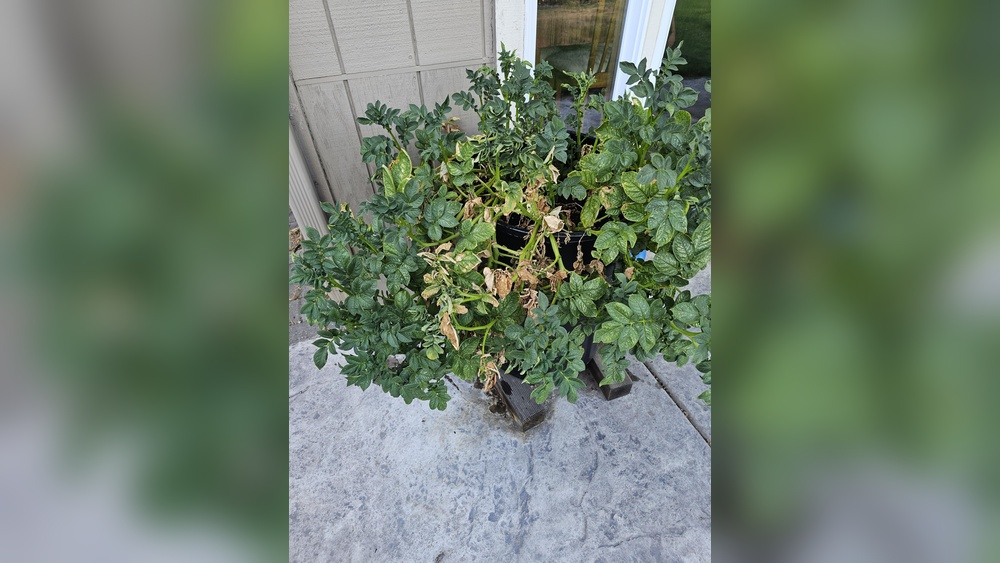
Foliage Yellowing And Die-back
The first sign to stop watering is yellowing leaves. The green foliage fades as the plant moves nutrients to the tubers underground. Leaves turn pale, then brown, and start to die back. This natural process shows the potatoes are maturing.
Watering after this stage can cause tuber rot and disease. Let the soil dry as the plant closes its life cycle. The yellowing and die-back are the best visual clues to reduce or stop watering.
Post-flowering Changes
After the potato plant flowers, it begins to shift energy to tuber growth. The flowers may drop, and leaf growth slows. This phase signals that the tubers are filling out.
Many gardeners stop regular watering after flowering to avoid excess moisture. The plant no longer needs much water once flowering ends. This change marks the right time to cut back watering for better tuber development.

Credit: americanfarmsteadhers.com
Benefits Of Stopping Watering
Stopping watering potato plants at the right time brings key benefits. It helps the tubers develop a firm skin. It also reduces the chance of damage from too much water. Proper watering control leads to better storage and taste. It supports the natural growth cycle of the plant. Knowing these benefits can guide gardeners to a healthy harvest.
Skin Setting And Curing
When watering stops, potato skin starts to harden. This process is called skin setting. It protects tubers from scratches and infections. A firm skin helps potatoes keep fresh longer. It also makes them easier to handle during harvest. Curing happens as the skin toughens, improving storage life.
Preventing Tuber Splitting
Too much water can make potatoes absorb too fast. This causes tubers to swell and split open. Stopping watering early stops sudden water intake. It reduces the risk of cracked potatoes. Preventing splitting means fewer losses and better quality. Healthy tubers mean a more successful crop overall.
Watering Tips Before Stopping
Watering potato plants correctly before stopping is crucial for a healthy harvest. Proper watering helps tubers grow well and prevents problems. Knowing how to water right prepares the plants for the final growth stage.
Deep And Consistent Watering
Water potato plants deeply to reach the roots. Shallow watering does not promote strong tuber growth. Consistent watering keeps the soil moist but not wet. This helps the plant absorb nutrients efficiently. Watering deeply once or twice a week is better than light daily watering. It encourages roots to grow deeper and makes plants stronger.
Avoid Overwatering Risks
Too much water can harm potato plants. Overwatering causes root rot and yellow leaves. Wet soil also invites diseases that damage tubers. Let the soil dry slightly between waterings to avoid these risks. Check soil moisture by feeling it with your fingers. Stop watering if the leaves start turning yellow and dying back. This signals the plant is entering its final stage.
Harvesting Guidelines
Harvesting potato plants requires careful timing and attention. Knowing when to stop watering helps the tubers mature properly. It also prevents damage or rot during harvest. Follow these guidelines to get the best yield from your crop.
Choosing Dry Days For Harvest
Pick dry, sunny days to dig up your potatoes. Wet soil makes digging harder and can cause tubers to rot. Dry weather helps the skin of potatoes toughen up. This makes them easier to store longer without spoiling.
Timing After Plant Death
Wait until the potato plant’s leaves turn yellow and die back. This shows the tubers have stored nutrients and are mature. Stop watering as soon as the foliage begins to die. Harvesting too early gives small, underdeveloped potatoes. Too late, and the tubers might rot underground.
Common Watering Mistakes
Watering potato plants is a delicate task. Many gardeners make mistakes that harm their crop. Overwatering is a common error that can reduce yield and damage the plants. Knowing how much and when to water is key. Avoid watering every day without checking soil moisture. This often leads to soggy soil and weak roots. Proper watering helps potatoes grow strong and healthy.
Overwatering Effects
Too much water fills the soil and limits air around roots. This causes roots to suffocate and stop absorbing nutrients. Potato plants may wilt even if the soil is wet. Leaves can turn yellow or develop spots. Overwatering also encourages pests and diseases. The tubers may become soft or rotten. Water deeply but less often to keep roots healthy.
Signs Of Root Rot
Root rot is a serious disease caused by excess moisture. Roots turn brown and mushy instead of firm and white. Plants may grow slowly or die back early. Foliage may wilt, yellow, or drop off. The soil smells sour or moldy near affected roots. Once root rot appears, plants rarely recover. Stop watering if these signs show up. Improve drainage and let soil dry before watering again.

Credit: www.reddit.com
Frequently Asked Questions
How Do You Know When To Stop Watering Potatoes?
Stop watering potatoes when the leaves turn yellow and start dying back. This signals tubers have matured and soil drying helps firm potato skins.
How Do You Know When A Potato Plant Is Done Growing?
You know a potato plant is done growing when its leaves yellow and die back. This signals tubers are mature and ready for harvest.
Can You Leave Potatoes In The Ground Too Long?
Yes, leaving potatoes in the ground too long can cause them to rot. Harvest after plants die back to avoid spoilage.
What Do Overwatered Potato Plants Look Like?
Overwatered potato plants show yellowing, wilting leaves and soft, mushy stems. Roots may rot, causing stunted growth and leaf drop.
Conclusion
Stop watering potato plants when the leaves turn yellow. This shows the plant is sending nutrients to the tubers. Watering too long can cause potatoes to split or rot. Let the soil dry to help the potato skins firm up.
Deep watering before this stage supports healthy growth. Watch the plants closely to know the right time. Healthy potatoes depend on proper watering and timing. This simple step ensures a good harvest and longer storage.