Do Plants Need Watering Every Day in Hot Weather?
When the temperature soars and the sun blazes down, you might wonder: do your plants really need watering every single day? It’s a question many gardeners face during hot weather, especially if you want to keep your garden thriving without wasting water or stressing your plants.
The truth is, watering your plants the right way can make all the difference between a lush, healthy garden and one that struggles under the heat. You’ll discover smart watering tips tailored for hot days, how to tell if your plants need more or less water, and simple strategies to help your garden stay vibrant even when the heat is relentless.
Keep reading to master watering your plants in hot weather and watch your garden flourish!
Credit: spice.alibaba.com
Watering Needs In Hot Weather
Hot weather increases the demand for water in plants. High temperatures cause faster evaporation from soil and leaves. Plants lose water quickly through their leaves to stay cool. This makes watering crucial to keep plants healthy and green.
Not all plants need daily watering, but many require more frequent checks. Understanding how heat affects soil and plant signs helps you water properly. Proper watering prevents stress and supports growth during hot days.
How Heat Affects Soil Moisture
Heat speeds up soil drying by increasing evaporation. The top layer of soil can become dry within hours. Dry soil means roots get less water, leading to poor plant health. Clay soils hold water longer than sandy soils. Sandy soils dry out fast and need more frequent watering. Mulching helps keep soil moist by reducing water loss. Water deeply to reach roots, not just the surface.
Signs Plants Need Water
Wilting leaves show a clear sign of water stress. Leaves may turn yellow or brown at edges. Soft or dry soil around roots means plants need water. Slow growth or leaf drop can also indicate dehydration. Check soil moisture by touching it; dry soil means time to water. Early morning watering reduces evaporation and helps plants absorb water better.
Credit: www.neighborly.com
Daily Watering: When Is It Necessary
Daily watering in hot weather depends on the plant type and soil condition. Not all plants need water every day, but some do. The key is to watch how quickly the soil dries out and how the plant looks. Wilting leaves or dry soil on the surface are signs that watering may be needed.
Plants have different water needs during heat. Some soak up water quickly and must be watered often. Others hold water well and need less frequent watering. Pay attention to the plant’s health to know the best watering schedule.
Plants That Require Frequent Watering
Some plants need water every day in hot weather. These include vegetables like lettuce, spinach, and cucumbers. They have shallow roots and lose water fast. Also, young plants and seedlings need daily watering to grow strong.
Flowering plants such as petunias and impatiens also require frequent watering. Their bright flowers need constant moisture to stay fresh. Without enough water, flowers wilt and drop quickly.
Container Vs Ground Plants
Plants in containers dry out faster than those in the ground. Pots hold less soil and water evaporates quickly. Daily watering is often necessary for container plants during hot days.
Ground plants have deeper roots and access more moisture. They usually need watering every two to three days. Mulching around plants helps keep soil moist longer and reduces watering frequency.
Best Times To Water
Watering plants at the right time is crucial during hot weather. It helps plants absorb water efficiently. Proper timing reduces water loss from evaporation. Knowing the best times to water keeps plants healthy and saves water.
Morning Vs Evening Watering
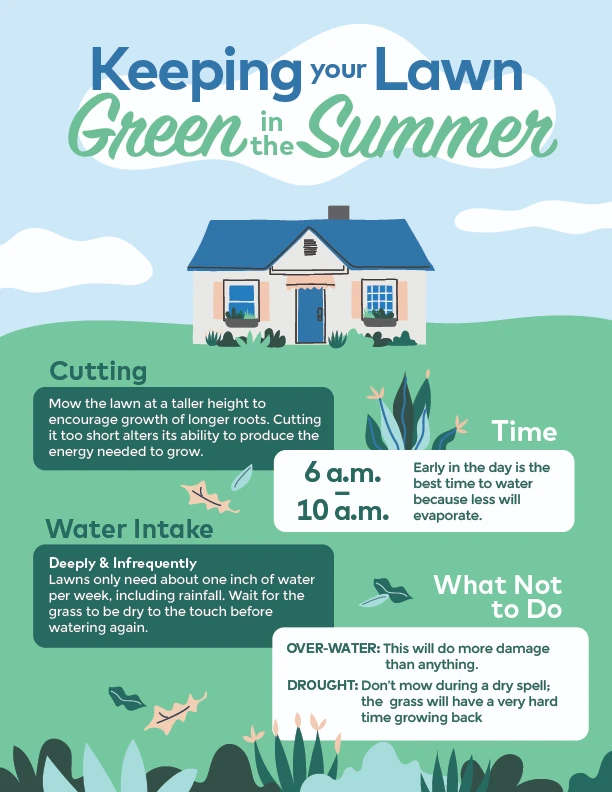
Morning watering is often the best choice. Cooler temperatures allow water to soak deeply into the soil. Plants can use this moisture throughout the day. Watering early also reduces the risk of fungal diseases.
Evening watering can work but has risks. Cooler, damp conditions overnight may encourage mold or mildew. The soil stays wet longer, which some plants do not like. If you water in the evening, do it early enough for leaves to dry before night.
Avoiding Midday Heat
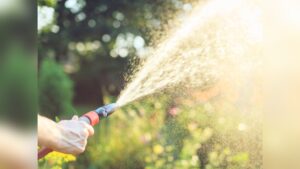
Never water plants during midday heat. The sun causes fast evaporation of water. Most of the water will not reach the roots. Water droplets on leaves can burn plants under strong sunlight. Avoid wasting water and harming plants by skipping midday watering.
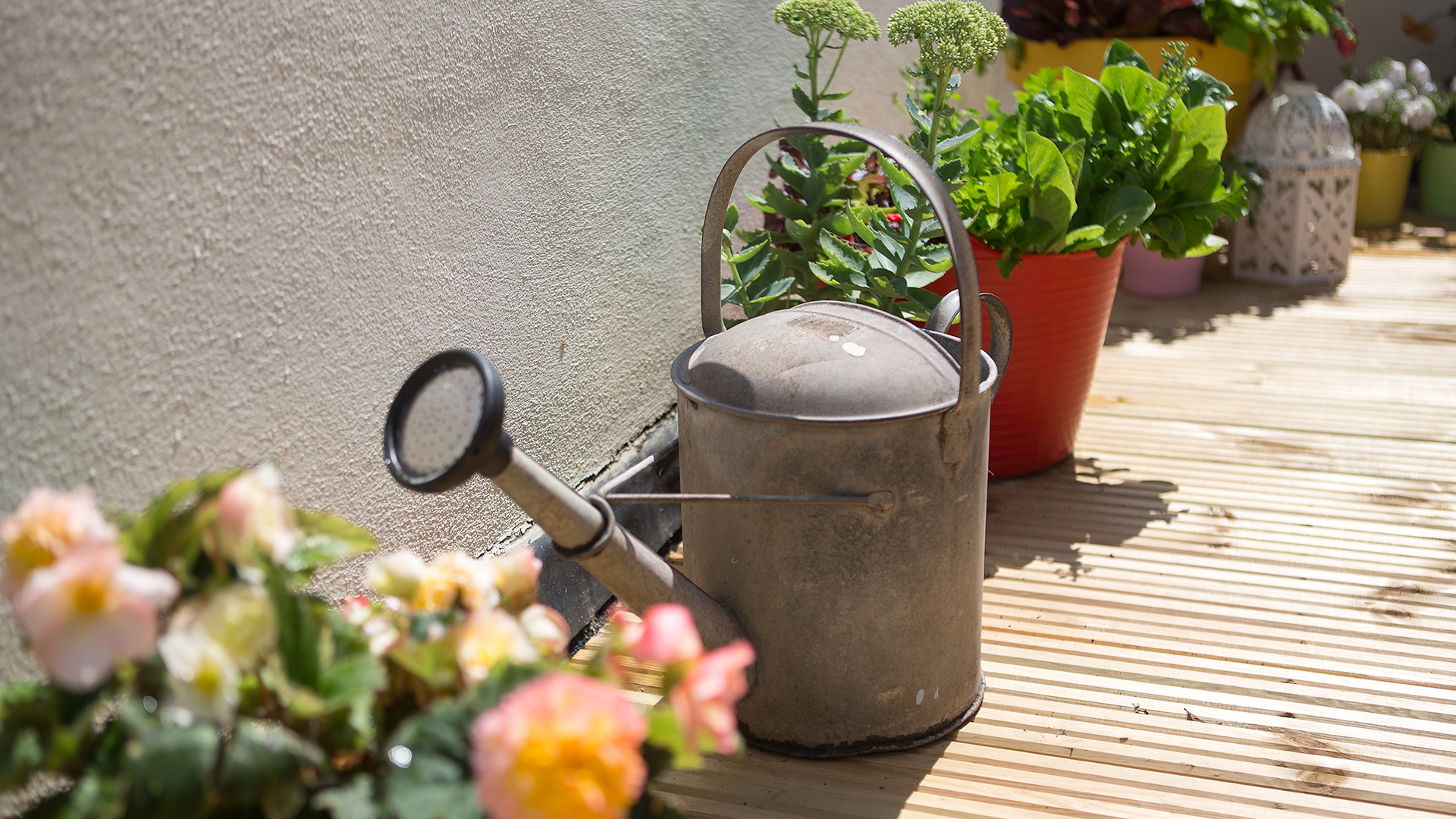
Credit: www.womanandhome.com
Techniques For Effective Watering
Watering plants effectively during hot weather is essential for their health and growth. Proper techniques help plants absorb moisture better and reduce water waste. Understanding how to water deeply and retain soil moisture can keep plants strong in heat.
Deep Vs Shallow Watering
Deep watering means soaking the soil to reach roots far below the surface. This encourages roots to grow deeper and makes plants more drought-resistant.
Shallow watering wets only the top layer of soil. This can cause roots to stay near the surface, making plants weaker and more stressed by heat.
Water plants slowly and deeply to ensure moisture reaches the root zone. Use a drip system or soaker hose for best results. Avoid quick sprinkling that only wets the soil surface.
Using Mulch To Retain Moisture
Mulch covers the soil and helps keep moisture from evaporating quickly. It also cools the soil and reduces weed growth.
Apply a 2-3 inch layer of organic mulch like straw, leaves, or wood chips around plants. Keep mulch a few inches away from stems to prevent rot.
Mulching reduces how often you need to water. It creates a healthier environment for roots during hot weather.
Adjusting Watering Based On Plant Type
Adjusting watering habits is key to keeping plants healthy during hot weather. Different plants have unique water needs. Knowing these needs helps prevent overwatering or underwatering. Adapting watering routines based on plant type supports growth and saves water.
Native Vs Non-native Plants
Native plants grow naturally in your region. They are used to local climate and soil. These plants often need less water in hot weather. Their roots can reach deep water sources. Watering native plants once or twice a week may be enough.
Non-native plants come from different climates. They may need more frequent watering. Their roots might not reach deep water. Check soil moisture regularly to avoid drying out. Adjust watering based on how the plant responds.
Annuals And Perennials
Annuals complete their life cycle in one season. They need consistent watering during hot days. Daily watering might be necessary for many annuals. Focus on keeping soil moist but not soggy.
Perennials live for several years. Their root systems are often stronger and deeper. They can handle less frequent watering. Watering deeply once or twice a week helps them survive heat. Mulching around perennials keeps moisture longer.
Heatwave Gardening Tips
Gardening in hot weather requires special care to keep plants healthy and thriving. Heatwave gardening tips help gardeners manage extreme temperatures and protect plants from stress. These tips focus on preparing plants and shielding them from sun damage, ensuring they survive and grow well during intense heat.
Preparing Plants For Extreme Heat
Start by watering plants deeply before the heatwave arrives. This helps roots store moisture for dry days. Add mulch around plants to keep soil cool and retain water longer. Choose heat-tolerant plants that can handle high temperatures. Avoid heavy fertilizing, which can stress plants under heat. Prune dead or weak branches to improve air circulation. Keep an eye on plants daily for signs of heat stress, such as wilting or yellowing leaves.
Protecting Plants From Sun Damage
Use shade cloths or garden umbrellas to shield plants from intense sun. Move potted plants to shaded areas during peak heat hours. Apply a light layer of organic mulch to protect soil and roots from drying out. Avoid watering during midday, as water evaporates quickly and can cause leaf burn. Water early in the morning or late in the evening when temperatures are cooler. Cover delicate plants with breathable fabric to reduce sun exposure without blocking airflow.
Common Watering Mistakes In Hot Weather
Watering plants during hot weather requires careful attention to avoid common mistakes. Many gardeners either give too much water or water at the wrong times. These errors can harm plants instead of helping them survive the heat. Understanding proper watering habits protects plants and saves water.
Overwatering Risks
Giving plants too much water is a frequent mistake in hot weather. Overwatering can drown roots and stop them from getting oxygen. This leads to root rot and weak plants. Excess water also encourages pests and diseases. Plants may look healthy at first but soon suffer from stress.
Overwatering wastes water and can cause soil to become compacted. Compact soil blocks air and makes it hard for roots to grow. It is better to water deeply but less often. This helps roots reach down and stay strong during dry days.
Watering At The Wrong Time
Watering plants during the hottest part of the day causes rapid evaporation. Most water disappears before roots absorb it. This wastes water and leaves plants thirsty. Watering late in the evening can create damp conditions that promote fungus.
The best time to water is early in the morning. Morning watering allows plants to soak up moisture before heat rises. Plants use water throughout the day and stay cooler. This timing also reduces water loss and keeps soil healthy.
Monitoring Soil And Plant Health
Monitoring soil and plant health is key during hot weather. Plants can suffer quickly from too little or too much water. Checking soil moisture and watching plant signs helps decide the right watering time. This approach keeps plants healthy and saves water. It also prevents damage caused by overwatering or drought stress. The following sections explain simple ways to monitor your plants and soil effectively.
Tools For Checking Soil Moisture
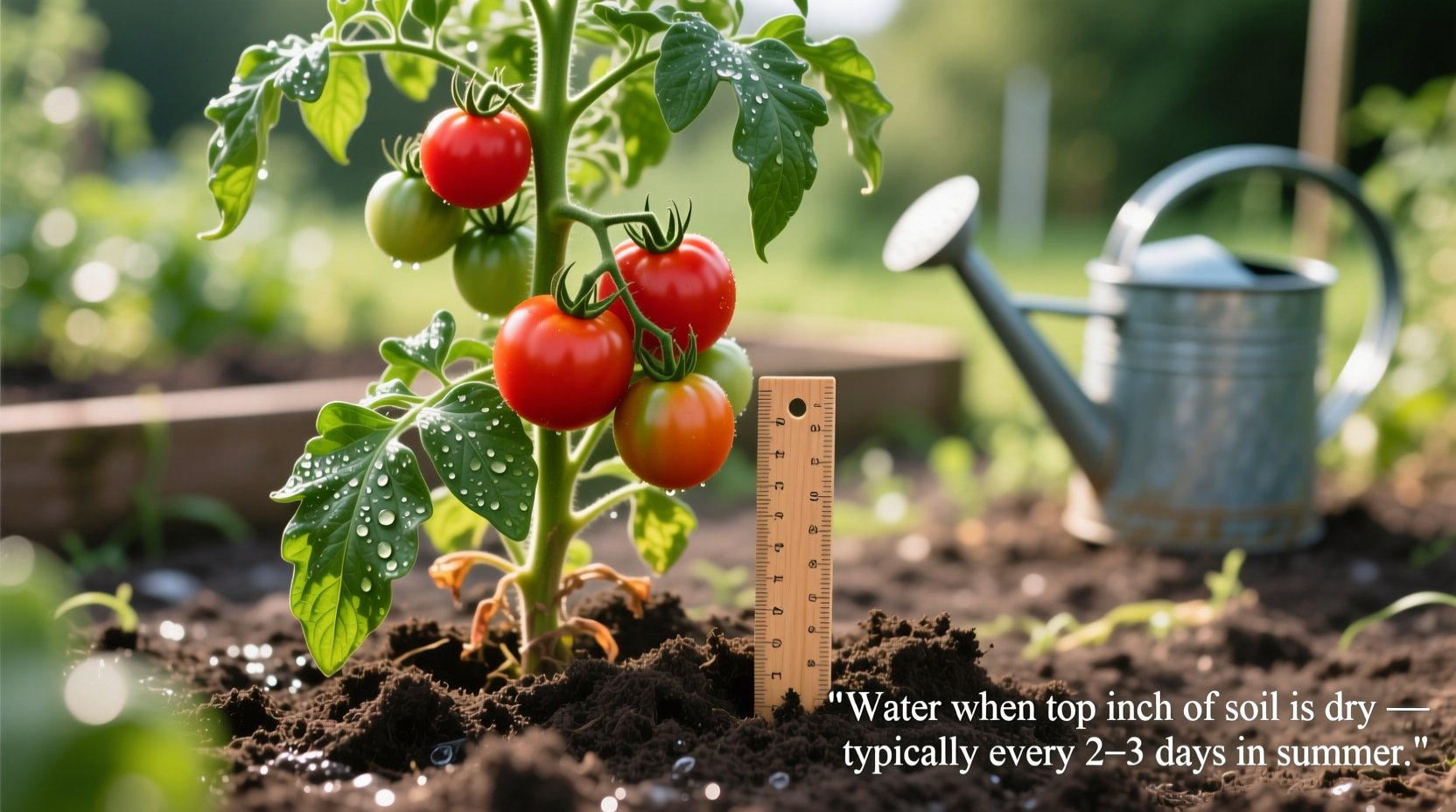
Soil moisture meters are easy tools to measure water levels below the surface. Insert the probe into the soil near the roots. A reading tells if the soil is dry, moist, or wet. This helps avoid guesswork and water only when needed. A simple finger test works too. Stick your finger about an inch deep into the soil. If it feels dry, watering is likely needed. These tools prevent overwatering and keep plants thriving in heat.
Observing Plant Stress Signals
Plants show clear signs when they need water. Leaves may curl, wilt, or turn yellow. Dry, brittle leaves also signal stress. Some plants droop during midday heat but recover in the evening. If drooping lasts all day, watering is required. Watch new growth carefully; slow or stunted growth can mean water stress. Early detection of these signs saves plants from permanent damage. Regular observation helps adjust watering schedules wisely.
Frequently Asked Questions
How Often Should I Water Plants When Hot?
Water plants deeply two to three times weekly during hot weather. Container plants may need daily watering to prevent drying. Water early morning or late evening to reduce evaporation and promote root growth.
What Is The 70/30 Rule In Gardening?
The 70/30 rule in gardening means planting 70% native plants and 30% non-invasive ornamentals. This balance supports local ecosystems and adds garden variety.
What Is The 3-hour Gardening Rule?
The 3-hour gardening rule suggests gardening within three hours of sunrise or sunset. This avoids heat stress on plants and gardeners. Watering, pruning, and harvesting during these cooler times improve plant health and reduce evaporation. It promotes safer, more effective garden care in hot weather.
How Often Should You Water In 90 Weather?
Water plants deeply 2-3 times weekly in 90°F weather. Container plants may need daily watering to prevent drying out.
Conclusion
Plants do not always need daily watering in hot weather. Deep watering a few times a week helps roots grow strong. Water early in the morning to reduce evaporation. Watch soil moisture and plant type to adjust watering. Overwatering can harm plants and waste water.
Healthy plants survive heat better with proper care. Stay mindful of your garden’s needs during hot days. Simple habits keep your plants green and thriving.