Can Watering Plants in the Sun Burn Them? Shocking Truth Revealed!
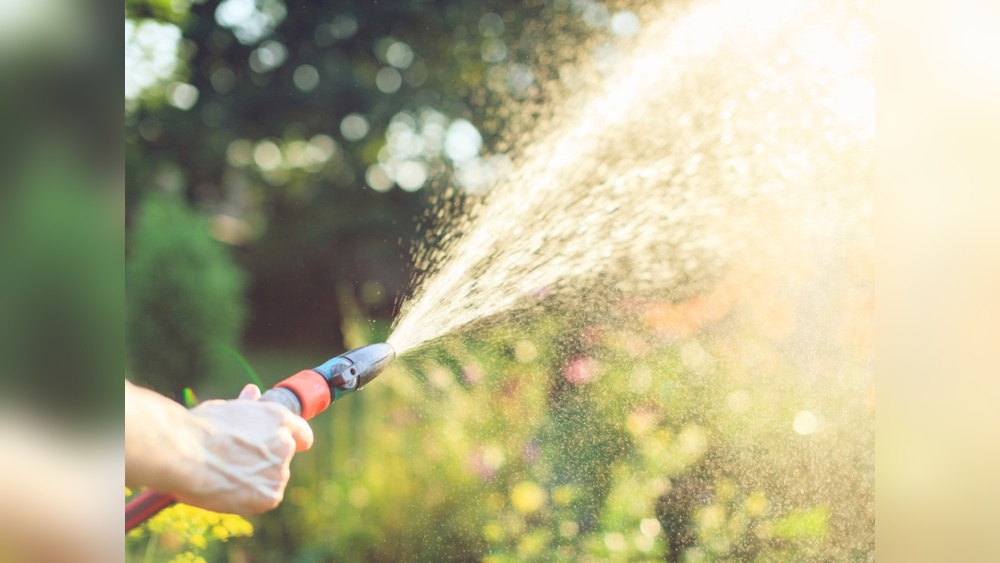
Have you ever hesitated to water your plants under the bright midday sun because you worried it might burn their leaves? You’re not alone.
Many gardeners believe that watering plants when the sun is blazing can cause damage, turning healthy green leaves into scorched, crispy patches. But is this really true, or just a gardening myth that’s been passed around? You’ll discover the surprising truth about watering plants in the sun, learn when and how to water your garden for the best results, and get practical tips to keep your plants thriving no matter the time of day.
Keep reading to protect your plants and become the confident gardener you want to be!
Credit: www.theguardian.com
Myth Of Sunburn From Watering
The idea that watering plants in the sun can burn them is a popular belief. Many gardeners avoid watering during sunny hours fearing damage. This section explores the truth behind this myth. Understanding the facts helps gardeners care better for their plants.
Origins Of The Myth
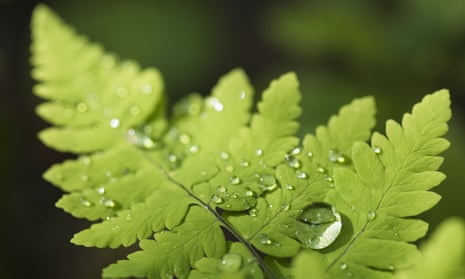
The myth likely started from the way water looks on leaves. Water droplets can glisten in the sun like tiny lenses. People thought these droplets focus sunlight and burn the leaves. This idea spread quickly among gardeners and plant lovers.
Another reason for the myth is the visible damage on some plants. Leaf spots or burns sometimes appear after watering. People blamed the water and sun combination. But these damages usually have other causes.
Scientific Perspective On Water Droplets
Scientists studied if water droplets can act like magnifying glasses. Most research shows droplets evaporate too fast to burn plants. The sun’s rays do not focus enough through water to cause burns. Leaves have protective layers reducing sun damage risks.
Water cools the leaves rather than heating them. It helps plants stay hydrated and healthy in hot weather. Proper watering supports photosynthesis and growth even under strong sunlight.
Common Misconceptions
Many confuse sunburn on plants with other problems. Leaf scorch can happen from too much direct sun or drought stress. This damage is unrelated to watering time. Overwatering or poor drainage can cause root damage, not leaf burns.
Some plants prefer shade or partial sun, so they react badly to intense light. This is a natural sensitivity, not a result of watering. Knowing plant types helps avoid confusion about watering and sun exposure.

Credit: www.youtube.com
How Sunlight Affects Plants
Sunlight plays a crucial role in the life of plants. It provides energy for photosynthesis, helping plants grow and stay healthy. But too much sunlight can harm plants. The intensity and duration of sunlight affect their leaves and overall health. Understanding how sunlight impacts plants helps gardeners care for them better.
Leaf Scorch Causes
Leaf scorch happens when leaves get too much sun and heat. The edges and tips of leaves turn brown and dry. This damage occurs because the plant loses water faster than it can absorb it. Strong sunlight increases water loss, especially on hot days.
Impact Of Sudden Sun Exposure
Plants moved from shade to full sun can suffer sudden sun damage. Their leaves may burn because they are not used to intense light. This shock can slow growth and weaken the plant. Gradual exposure to sunlight helps plants adjust safely.
Drought And Heat Stress Effects
Drought and heat cause stress that worsens sun damage. Without enough water, plants cannot cool themselves through evaporation. Heat stress causes leaves to wilt and dry out. Keeping plants hydrated reduces the risk of sunburn and heat damage.
Watering Timing And Plant Health
Watering timing plays a crucial role in plant health. Proper timing ensures plants absorb water efficiently. It also prevents damage to leaves and roots. Watering at the wrong time can stress plants and reduce growth. Understanding the best time to water helps keep plants strong and thriving.
Best Time To Water Plants
Early morning is the best time to water plants. The sun is low, so water does not evaporate quickly. Plants absorb water better in the cool morning air. This helps roots get enough moisture before the heat of the day. Watering in the morning also allows leaves to dry faster, reducing disease risk.
Risks Of Watering At Dusk Or Night
Watering plants at dusk or night can cause problems. Wet leaves stay damp longer, inviting fungi and diseases. Cool night air slows evaporation, keeping plants wet for hours. This creates a perfect environment for mold and mildew. Avoid watering late to keep plants healthy and disease-free.
Effect Of Midday Watering On Plants
Watering plants at midday can cause water to evaporate quickly. The hot sun heats water droplets on leaves. This can sometimes cause leaf scorch on sensitive plants. Large water droplets may act like tiny lenses, focusing sunlight. This effect is rare but possible. Midday watering often wastes water and stresses plants.
Water Droplets And Light Refraction
Water droplets on leaves can catch sunlight and bend its rays. This bending is called refraction. It happens because water and air have different densities. Refraction can focus light in small areas on the leaf surface. This causes some gardeners to worry about leaf burns from watering in the sun.
Understanding how water droplets and light refraction interact helps clear up this common gardening concern. The effects depend on several factors like droplet shape, sunlight intensity, and plant type.
Do Droplets Act As Magnifying Glasses?
Water droplets can act like tiny lenses. They can focus sunlight on small spots of the leaf. This focused light increases heat in that area. In theory, this could cause leaf tissue to burn.
But in real outdoor conditions, droplets are often irregular in shape. They move or evaporate quickly under the sun. This limits how long they can focus light. Most leaves do not get enough heat from droplets to burn.
Evaporation Rate And Its Role
The sun heats water droplets, causing fast evaporation. As droplets shrink, their lens effect weakens. The heat does not stay concentrated long enough to harm leaves. High evaporation rates reduce the chance of burning.
Also, evaporation cools the leaf surface. This natural cooling helps protect plants from heat stress during watering.
Conditions That Might Cause Leaf Damage
Leaf damage from watering is rare but possible under certain conditions. Large, round droplets on very sensitive leaves can focus strong sunlight. Intense midday sun with little breeze can increase risk. Plants with thin or delicate leaves are more vulnerable.
Still, most plants tolerate watering in the sun without harm. Proper watering habits and plant care reduce risks further.
Practical Tips For Watering In Sunny Conditions
Watering plants during sunny conditions requires care to keep them healthy. Direct sun and heat can stress plants and cause damage if watering is not done properly. Understanding the best techniques helps protect plants from burning and ensures they get the moisture they need. These practical tips guide you in watering plants safely under the sun.
Watering Techniques To Avoid Stress
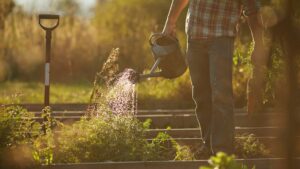
Water plants early in the morning or late in the afternoon. This reduces water loss through evaporation. Use a gentle spray or drip irrigation to avoid washing away soil. Water the soil, not just the leaves, to help roots absorb moisture. Avoid large water droplets on leaves during peak sun to prevent rare leaf scorch.
Selecting Plants Based On Sun Exposure
Choose plants suited for your garden’s sunlight levels. Full sun plants handle bright, direct light and heat well. Partial shade plants need some protection from intense midday sun. Shade-loving plants require filtered sunlight or morning sun only. Matching plants to sun exposure reduces stress and water needs.
Managing Soil Moisture Effectively
Check soil moisture regularly to avoid over or underwatering. Use mulch to keep soil cool and retain moisture longer. Mulch also prevents soil from drying quickly in the sun. Water deeply but less often to encourage strong root growth. Well-drained soil helps prevent waterlogging during watering.
Expert Opinions And Research Findings
Understanding whether watering plants in the sun burns them requires insights from experts and scientific studies. Many gardeners worry that water droplets might focus sunlight and harm leaves. This section explores expert opinions and research findings to clarify the truth. It highlights perspectives from horticulturists, university research, and lawn care specialists. The goal is to provide clear, reliable information for safe plant care.
Horticulturists’ Views
Horticulturists generally agree that watering plants in direct sunlight does not cause burning. The idea that water droplets act like tiny magnifying glasses is mostly a myth. Water evaporates quickly under the sun’s heat, preventing any significant light concentration. Some sensitive plants may show minor leaf scorch, but this is rare and usually linked to other stress factors. Experts recommend focusing on watering needs rather than worrying about sun damage from water.
University Studies On Watering Practices
Several university studies have tested the effects of watering plants at different times of day. Results show no evidence that watering in full sun causes leaf burn. Instead, the main concern is water loss from evaporation, which reduces watering efficiency. Research advises watering early in the morning or late afternoon for best water use. These times help plants absorb moisture better and reduce disease risk from prolonged leaf wetness.
Lawn Care Insights During Heat
Lawn care experts emphasize proper watering over watering time to keep grass healthy. During heat, lawns need consistent moisture but not excessive water on leaves. Watering in the sun wastes water but does not burn grass blades. Experts suggest watering deeply and less frequently to encourage strong root growth. They also warn against watering at night to avoid fungal diseases. The focus is on balance, not fear of sun-related water burn.

Credit: www.gardenmyths.com
Frequently Asked Questions
Is It Ok To Water Plants In The Hot Sun?
Watering plants in the hot sun is generally safe. Water droplets do not burn plants or magnify sunlight. However, water evaporates quickly, so early morning or late afternoon watering is more efficient.
What’s The Worst Time To Water Plants?
The worst time to water plants is at dusk or after dark, as wet leaves increase disease risk. Avoid midday watering to reduce water loss and leaf scorch on sensitive plants.
Can Plants Burn From Too Much Sun?
Yes, plants can burn from too much sun, causing leaf scorch and damage. Sensitive plants need partial shade or gradual sun exposure.
Does Watering In The Middle Of The Day Burn Grass?
Watering grass at midday does not burn it. Water droplets don’t magnify sunlight enough to cause damage.
Conclusion
Watering plants in the sun does not burn them. The myth about water droplets acting like magnifying glasses is false. Water usually evaporates quickly under strong sunlight. Some plants may show leaf scorch from sun exposure, but this is not caused by watering.
It is best to water plants early or late in the day to save water. Still, watering during the sun will not harm most plants. Keep an eye on your plants’ health and adjust watering as needed. Simple care helps plants grow strong and healthy.