Do Plants Need to Be Watered Everyday? Essential Care Tips Revealed
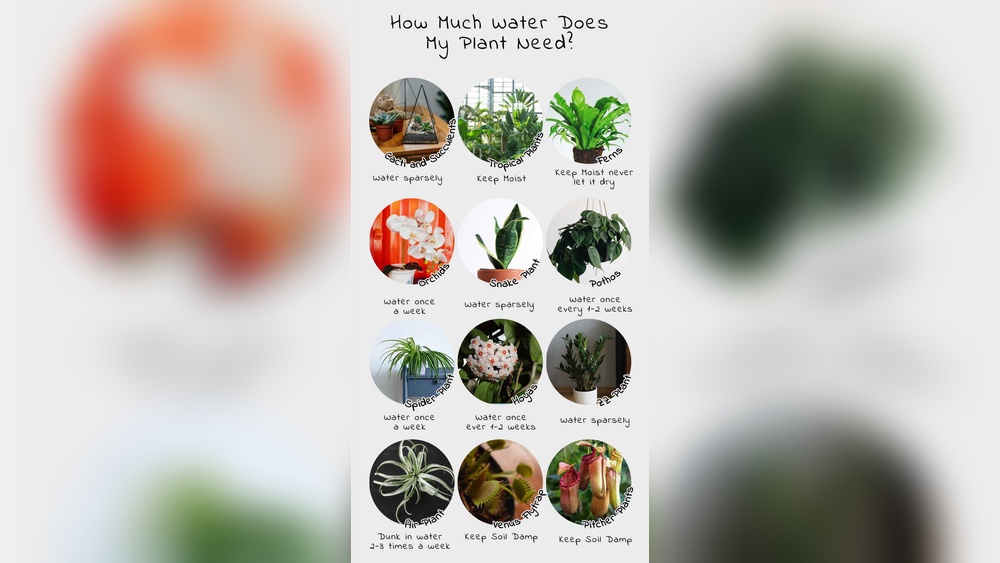
Do you find yourself wondering if your plants need a daily drink to stay healthy? It’s a common question for anyone caring for greenery, whether you have a few pots on your windowsill or a full garden outside.
Watering your plants too much or too little can both cause problems, but how do you know the right balance? You’ll discover simple tips to understand your plants’ true thirst and avoid common mistakes that could harm them. Keep reading to learn exactly when and how often to water your plants so they thrive under your care.
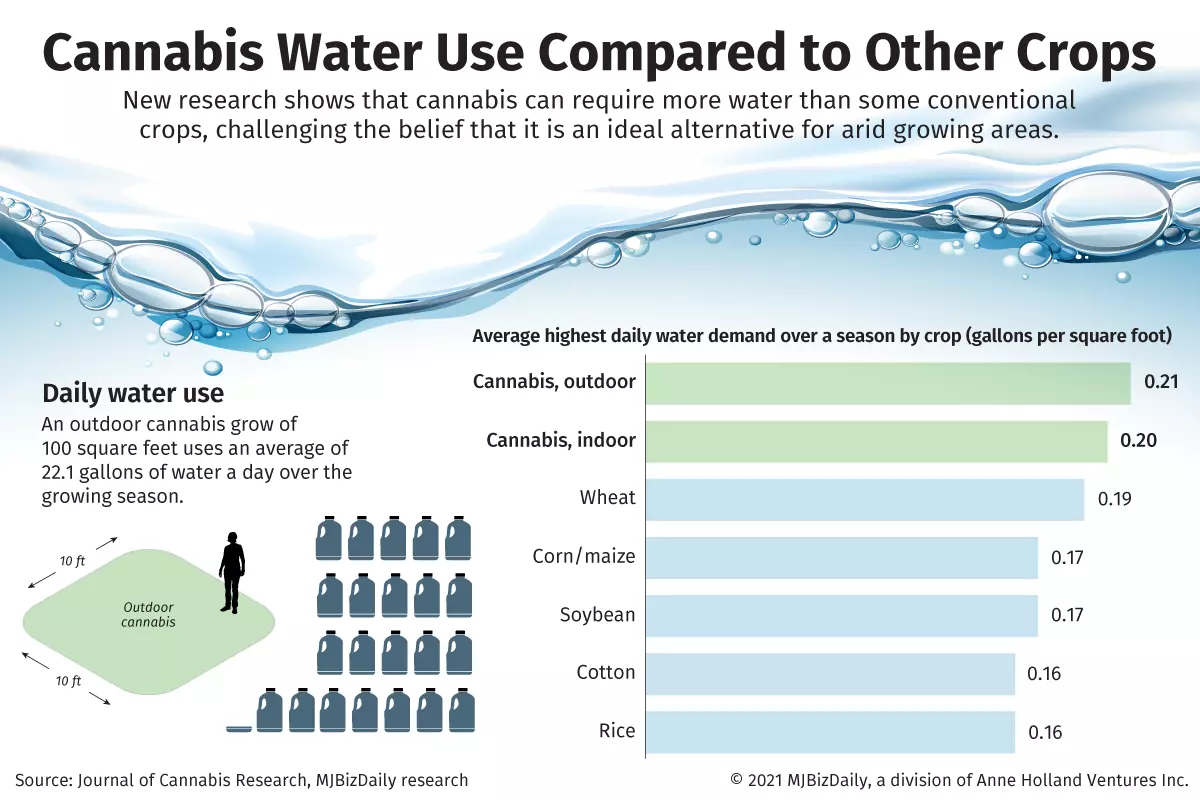
Credit: mjbizdaily.com
Watering Frequency
Understanding how often to water plants is key to their health. Watering frequency depends on many things. It is not always necessary to water plants every day. Finding the right balance helps plants grow strong and avoid problems like root rot or drought stress.
Daily Watering Needs
Some plants need water every day. These are usually young plants or those in sandy soil. They dry out quickly and must stay moist. Indoor plants in small pots may also need daily watering. But many mature plants do better with less frequent watering.
Factors Affecting Frequency
Soil type changes how often to water. Clay soil holds water longer than sandy soil. Plant size matters too. Big plants with deep roots need less frequent watering. Weather conditions affect needs as well. Hot, dry days increase water loss from soil and leaves.
Seasonal Variations
Watering needs change with seasons. Plants usually need more water in summer. High temperatures and strong sun dry soil quickly. In winter, many plants enter dormancy. They require less water and can suffer if overwatered. Adjust watering schedules based on the season.
Signs Plants Need Water
Plants show clear signs when they need water. Watching these signs helps keep plants healthy. Not all plants need daily watering. Some show stress only after missing water for a day or two.
Knowing the signs saves your plants from harm. You can act before damage happens. Let’s explore the main signals plants give when thirsty.
Wilting And Drooping
Wilting leaves are the most common sign of thirst. Leaves lose their stiffness and start to droop. This happens because water pressure inside the plant cells drops. Wilting means the plant lacks enough water to stay firm. If you see this, it is time to water your plant.
Soil Dryness Check
Checking the soil is a simple way to know when to water. Stick your finger about one inch into the soil. If it feels dry, the plant needs water. Wet or moist soil means the plant is fine. Soil moisture guides watering needs better than a fixed schedule.
Leaf Discoloration
Leaves may change color when plants lack water. Yellow or brown spots often appear on leaves. Edges can turn dry and crispy. Discoloration shows the plant is stressed by drought. Catching these signs early helps prevent leaf loss and damage.
Risks Of Overwatering
Overwatering plants can cause serious problems that harm their health. Plants do not need water every day. Too much water blocks air from reaching roots. This makes it hard for plants to breathe and grow. Signs of overwatering appear quickly and need attention to save the plant.
Yellowing Leaves
Leaves turn yellow when plants get too much water. This happens because roots cannot take in nutrients properly. Yellow leaves often start at the bottom and spread upward. This is an early warning sign of overwatering stress.
Mushy Stems
Stems become soft and mushy if plants stay wet too long. The excess water weakens the plant’s structure. Mushy stems may break easily and slow down growth. This shows the plant is struggling to survive.
Root Rot Indicators
Roots need air to stay healthy. Overwatering causes roots to rot from lack of oxygen. Root rot smells bad and turns roots dark brown or black. Plants with root rot often wilt and die if not treated quickly.
Fungal Growth
Too much water creates a perfect place for fungi. White, gray, or black spots may appear on soil or leaves. Fungal infections spread fast and damage plant tissues. Keeping soil too wet increases the risk of these diseases.

Credit: www.reddit.com
Best Watering Practices
Watering plants correctly helps them grow strong and stay healthy. Best watering practices focus on timing, how deep to water, and soil type. These factors affect how well plants absorb water and avoid problems like root rot or dryness. Follow simple steps to give plants the right amount of water.
Watering Timing
Water plants early in the morning or late in the afternoon. This reduces water loss from evaporation. Morning watering helps plants absorb moisture before the heat of the day. Avoid watering at midday when the sun is strong. Watering at night can cause fungal growth. Choose a time when plants can use water best.
Watering Depth
Water deeply so roots grow stronger and reach down for moisture. Shallow watering makes roots stay near the surface and dry out fast. Use slow, steady watering to soak soil at least 6 inches deep. Check soil moisture by sticking your finger into the soil. If dry at 2 inches, it is time to water again.
Adjusting For Soil Type
Sandy soil drains water quickly and needs more frequent watering. Clay soil holds water longer but can become waterlogged if overwatered. Loamy soil retains moisture well and needs moderate watering. Adjust watering amounts and frequency based on soil type. Knowing your soil helps prevent wasting water or harming plants.
Watering During Heatwaves
Heatwaves challenge plant care by increasing water loss and stress. During extreme heat, plants need careful watering to stay healthy. Adjusting watering habits helps plants survive and thrive in hot weather.
Increased Water Needs
Plants lose more water through leaves during heatwaves. Their roots also dry out faster in hot soil. Watering more often prevents plants from wilting. Deep watering helps roots absorb enough moisture. This keeps plants strong and growing well.
Avoiding Evaporation Loss
Water evaporates quickly in hot sunlight. Water plants early in the morning or late in the evening. This timing reduces water loss to the air. Applying mulch around plants keeps soil moist longer. Mulch also cools the soil and protects roots.
Protecting Plants From Heat Stress
Heat stress makes plants weak and prone to disease. Water helps cool plants and keeps cells healthy. Shade young or sensitive plants during the hottest part of the day. Use light coverings or move potted plants to shaded spots. These steps reduce heat damage and support recovery.
Caring For New Plants
Caring for new plants requires attention and the right watering habits. New plants need gentle care to grow strong and healthy. Proper watering supports their early development and helps them adapt to their new environment. Understanding how often to water new plants is key to their success.
New plants do not need water every day. They require consistent moisture but not soggy soil. Watering deeply once or twice a week works well. Check the soil moisture before watering again. If the top inch of soil is dry, it is time to water. Overwatering can harm roots and slow growth.
Establishing Strong Roots
Strong roots help plants absorb water and nutrients better. Watering new plants deeply encourages roots to grow downward. Shallow watering causes roots to stay near the surface, making plants weaker. Give enough water to soak the soil around the roots. This helps plants survive dry spells and stress.
Avoiding Water Stress
Water stress happens when plants get too little or too much water. New plants are sensitive to this stress. Avoid letting soil dry out completely or stay flooded. Both conditions can stunt growth or kill the plant. Keep soil moist but well-drained for healthy new plants. Watch for wilting or yellow leaves as warning signs.
Tools And Techniques
Understanding the right tools and techniques helps in watering plants properly. Effective watering saves water and keeps plants healthy. It also prevents overwatering or underwatering. Using simple tools can guide your watering schedule. Applying the correct methods improves water absorption by plants. Here are some useful tools and techniques to consider.
Soil Moisture Meters
Soil moisture meters measure how wet the soil is. Insert the probe into the soil near plant roots. The meter shows if the soil is dry, moist, or wet. This tool helps avoid watering plants too often or too little. It saves water and protects plants from root rot. Soil moisture meters are easy to use for beginners.
Drip Irrigation
Drip irrigation delivers water slowly to plant roots. It uses tubes with small holes or emitters. Water drips directly into the soil, reducing waste. This technique is perfect for gardens and potted plants. It keeps soil consistently moist without flooding. Drip irrigation saves time and water while helping plants grow well.
Mulching Benefits
Mulching covers soil with organic or inorganic material. It keeps soil moist by reducing evaporation. Mulch also controls weeds that compete for water. It helps keep soil temperature stable during hot days. Mulching improves soil quality as organic mulch decomposes. Use bark, straw, or leaves as mulch around plants.
:max_bytes(150000):strip_icc()/SPR-how-often-to-water-tomato-plants-7152127-a906d9d37a544e20ba5d586409fe58f8.jpg)
Credit: www.thespruce.com
Frequently Asked Questions
How Often Should You Water Your Plants?
Water plants deeply once or twice a week, adjusting frequency for soil type and weather. During hot spells, water daily to keep soil moist. Avoid overwatering by checking soil moisture before watering again.
What Is The 3-hour Gardening Rule?
The 3-hour gardening rule advises gardening activities early morning or late afternoon. This avoids intense heat, protects your skin, and helps plants absorb water better. It improves plant health and reduces water evaporation during hot hours.
Do Plants Need Watering Every Day In Hot Weather?
Plants often need daily watering in hot weather, especially fruits and vegetables. Water deeply early to prevent evaporation. Adjust frequency based on soil type and heat intensity. Avoid overwatering by checking soil moisture and plant health regularly.
How Do You Tell If A Plant Is Overwatered?
Overwatered plants show yellow, droopy, or wilting leaves despite moist soil. Check for mushy stems, leaf drop, mold, foul smell, and stunted growth. Soft, limp leaves and brown spots also indicate excess water causing root rot and oxygen deprivation.
Conclusion
Plants do not need watering every single day. Most thrive with deep watering once or twice weekly. Soil type and weather affect watering needs greatly. Overwatering can harm roots and waste water. Check soil moisture before watering your plants again.
Adjust watering depending on plant type and season changes. Healthy plants grow best with balanced water care. Watch your plants closely to learn their water needs. Simple care helps plants stay green and strong.