Are Watering Globes Good for All Plants? Essential Guide
Are watering globes the right choice for your plants? If you’ve ever wondered whether these handy glass bulbs can keep all your greenery happy, you’re not alone.
While watering globes can be a lifesaver for busy plant lovers or when you’re away, they aren’t a one-size-fits-all solution. Some plants thrive with constant moisture, while others can suffer from too much water. You’ll discover which plants benefit from watering globes and which ones don’t, helping you make smarter choices for your indoor and outdoor garden.
Keep reading to find out how to keep your plants healthy without overwatering or underwatering!
Watering Globes Basics
Watering globes are simple tools that help keep plants watered. They slowly release water into the soil. This process helps plants stay hydrated for days. People use them at home or when they travel. Not all plants benefit from watering globes. Some plants need dry soil, while others like constant moisture.
Understanding how watering globes work and the types available can help you decide if they suit your plants. Knowing this can prevent overwatering or underwatering problems.
How They Work
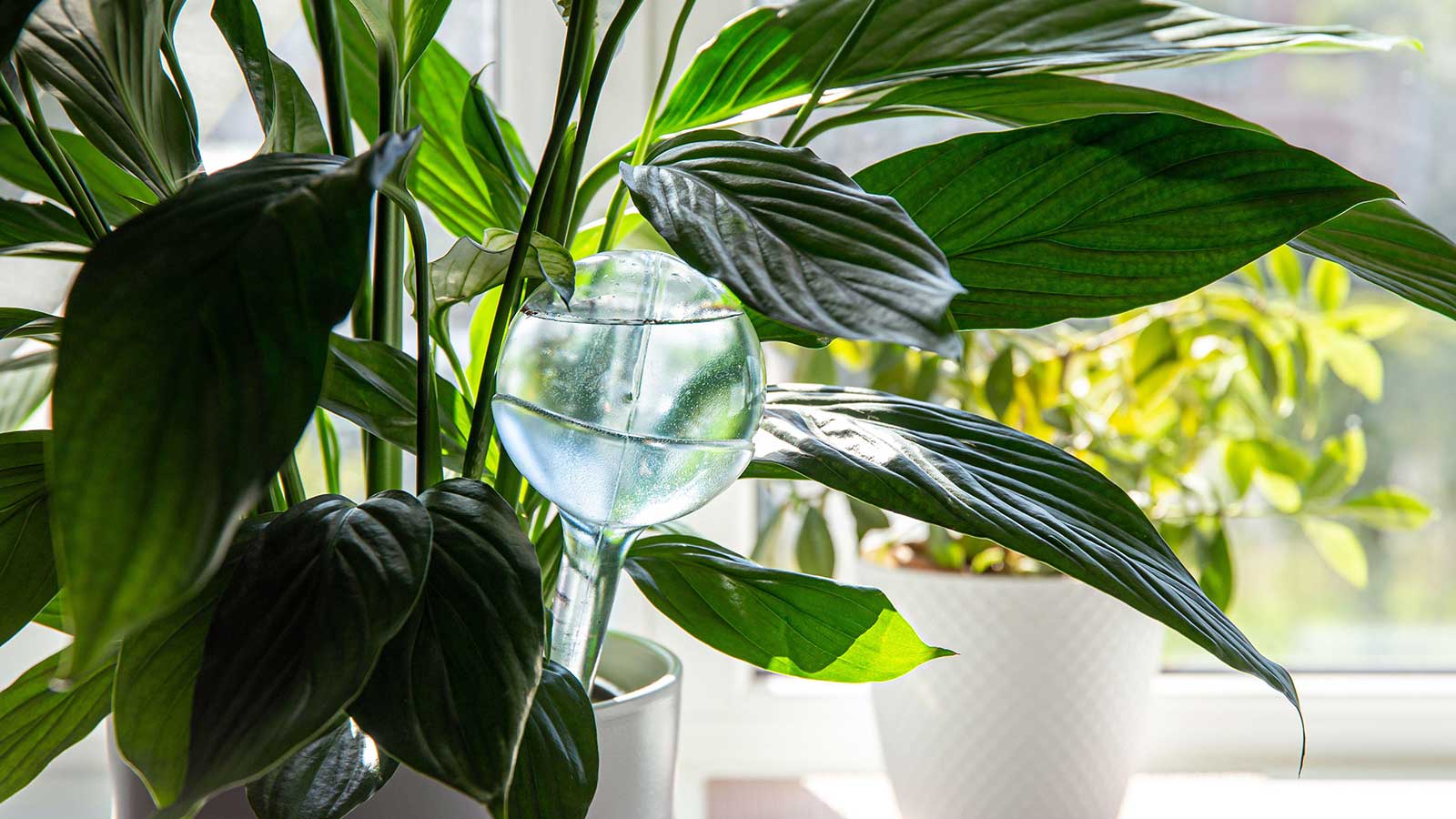
A watering globe is a glass or plastic bulb attached to a thin neck. You fill the globe with water and push the neck into the soil. Water flows out slowly through the neck. It stops when the soil is moist enough. This keeps water going to the roots over time. The soil’s dryness controls the water release. If soil is dry, more water comes out. If soil is wet, water flow slows down or stops.
Types Of Watering Globes
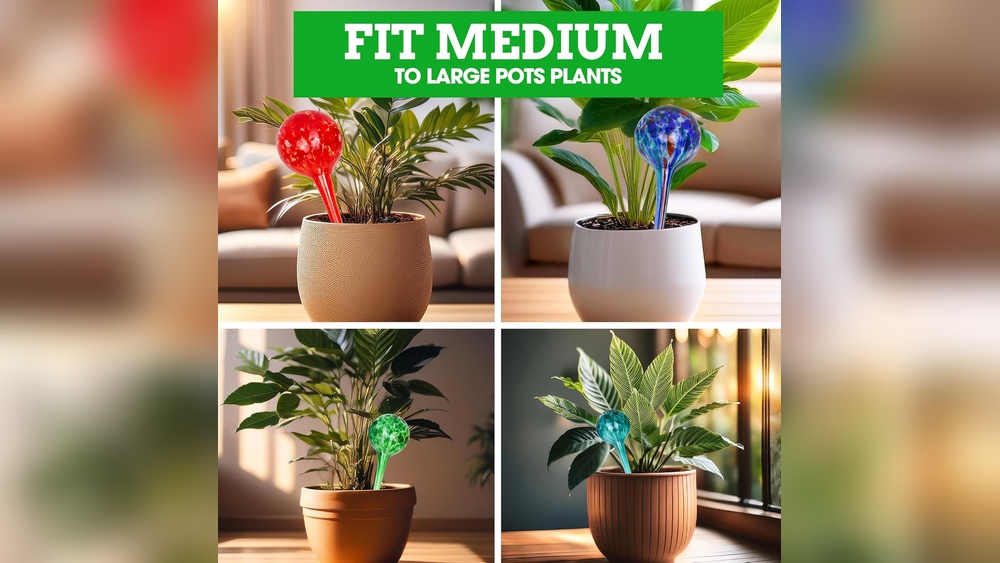
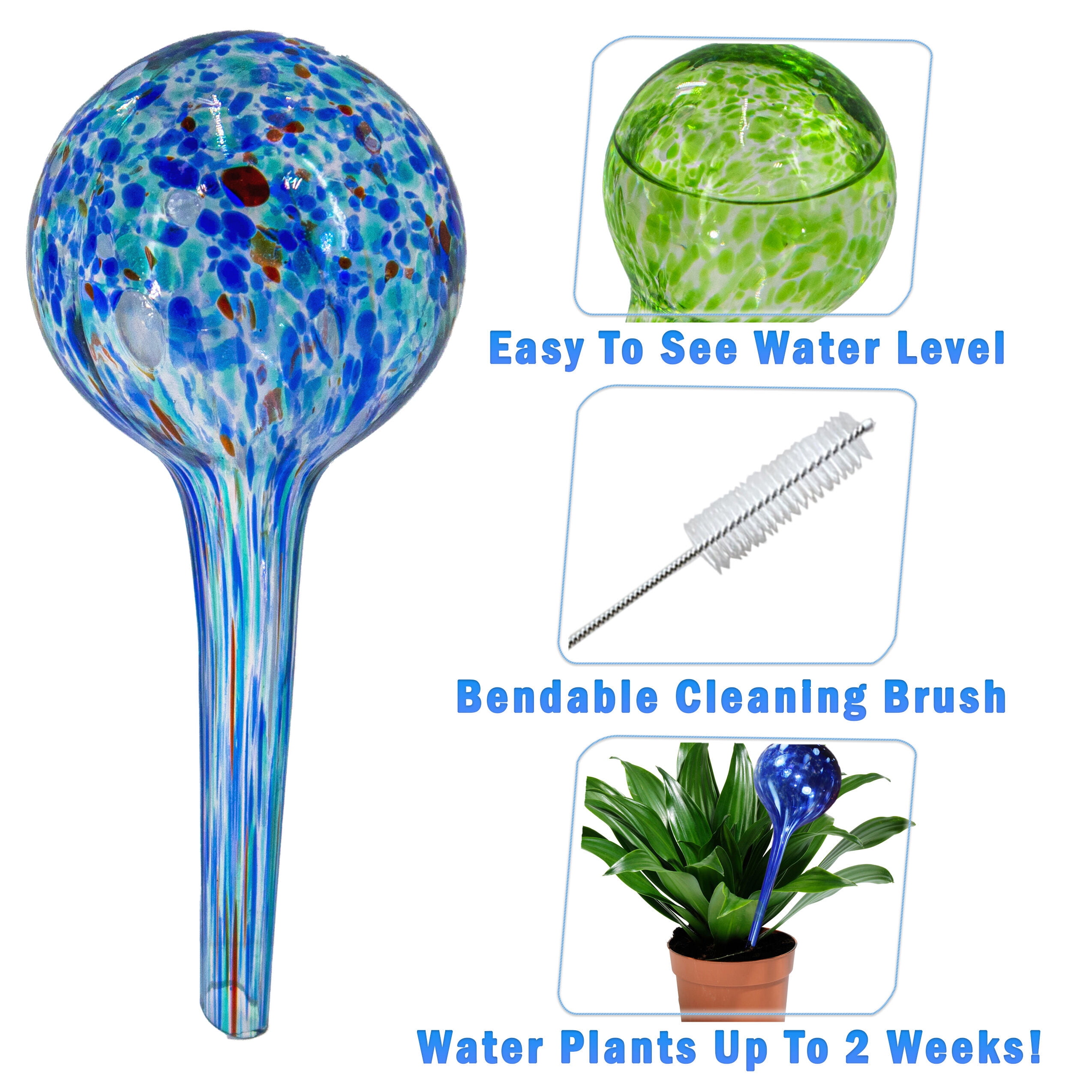
Watering globes come in many shapes and sizes. Glass globes are popular because they are reusable and easy to fill. Plastic globes are lighter and less likely to break. Some globes have decorative designs to fit home decor. Others are clear, so you can see the water level. There are globes with different neck lengths for small or large pots. Choosing the right type depends on your plant size and pot type.

Credit: saverne.fr
Plants That Benefit
Watering globes offer a steady supply of water to plants, making them ideal for certain types of greenery. Not all plants respond well to this method. Some thrive with constant moisture, while others prefer drier conditions. Understanding which plants benefit helps ensure healthy growth and avoid overwatering issues.
Moisture-loving Plants
Plants that enjoy consistently damp soil benefit most from watering globes. Ferns are a perfect example. They need regular moisture to stay lush and green. Other moisture-loving plants include peace lilies and calatheas. These plants can suffer if their soil dries out too much. Watering globes keep the soil evenly moist, reducing stress on these sensitive plants.
Suitable Indoor Plants
Many indoor plants respond well to watering globes. Spider plants and pothos appreciate steady hydration but dislike soggy soil. Globes provide just enough water without flooding their roots. Small to medium-sized houseplants also benefit from this slow watering system. It helps avoid the common problem of forgetting to water regularly.
Vegetables And Tropicals
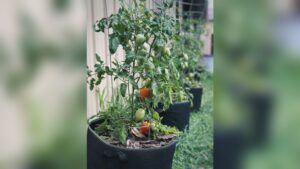
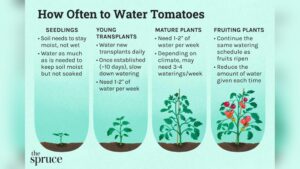
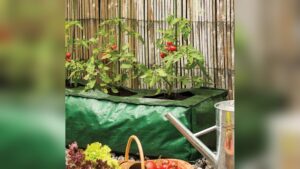
Vegetables such as tomatoes and peppers enjoy a steady water supply. Watering globes help maintain consistent soil moisture, which supports fruit development. Tropical plants like hibiscus and bird of paradise also thrive with this method. They prefer moist soil but are sensitive to waterlogged roots. Globes balance moisture levels for healthy growth and vibrant blooms.
Plants To Avoid
Watering globes provide a steady water supply to plants. Yet, they are not ideal for every plant type. Some plants prefer dry conditions or have special watering needs. Using watering globes on these plants can cause harm. Below are plants that do not do well with watering globes.
Cacti And Succulents
Cacti and succulents store water in their leaves and stems. They need very little water to survive. Watering globes release water slowly, which can keep soil too wet. This moisture can cause root rot and kill these plants.
Herbs Like Lavender
Lavender and similar herbs prefer dry soil. Constant moisture from watering globes can make their roots weak. These herbs grow best with well-drained soil and less frequent watering.
Orchids And Air Plants
Orchids and air plants absorb moisture from the air. They do not like sitting in wet soil. Watering globes hold water in the soil, which can suffocate their roots. These plants need special care with watering.
Plants Preferring Dry Soil
Some plants need dry soil to thrive. Watering globes keep soil damp all the time. This constant wetness can cause fungi and root problems. Plants like snake plants and some grasses prefer dry conditions.
Credit: www.homesandgardens.com
Common Issues
Watering globes offer a simple way to keep plants hydrated over time. Yet, they are not perfect for every plant type. Understanding common issues helps avoid damage and keeps plants healthy. Below are key problems that can arise with watering globes.
Overwatering Risks
Watering globes release water slowly, but they can still cause overwatering. Some plants need only occasional watering. Constant moisture can drown roots and harm the plant. Overwatering makes soil soggy and limits oxygen to roots. It is crucial to match watering globes to plants that like steady moisture.
Root Rot Concerns
Root rot happens when roots sit in wet soil too long. Watering globes may keep soil wet for extended periods. Plants that prefer dry or well-drained soil are at high risk. Root rot damages roots and can kill the plant. Monitoring soil moisture levels can prevent this serious issue.
Inconsistent Moisture Needs
Plants vary widely in how much water they require. Some prefer dry soil, while others need constant dampness. Watering globes provide a steady water supply and cannot adjust to changing needs. This makes them unsuitable for plants with irregular watering patterns. Understanding each plant’s needs ensures proper use of watering globes.
Usage Tips
Watering globes can be useful tools for plant care, but they require proper use. Understanding how to use them well helps keep your plants healthy. Here are some tips on using watering globes effectively.
Choosing The Right Number
Use one watering globe for small pots. Large pots or thirsty plants may need two or more. Test with one globe first and see how the soil stays moist. Avoid using too many globes, as this can overwater the plant.
Placement And Soil Considerations
Place globes deep enough so water reaches the roots. The soil should be well-draining to prevent water buildup. Avoid placing globes in pots with dry or sandy soil, as water may not spread evenly. Use watering globes in pots with soil that holds moisture well.
When To Use Watering Globes
Use globes if you travel or forget to water often. They work well for plants that like consistent moisture, such as ferns and tropical plants. Avoid using globes for succulents and cacti, which prefer dry soil. Check soil moisture regularly to prevent overwatering.
Credit: www.walmart.com
Alternatives To Watering Globes
Watering globes are helpful but not perfect for every plant type. Many plants need different watering methods to thrive. Exploring alternatives helps you find the best option for your plants’ needs. Below are some popular choices that offer better control and care.
Self-watering Pots
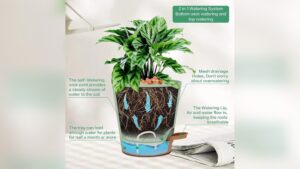
Self-watering pots have a built-in reservoir that feeds water to the plant slowly. They keep soil moist without overwatering. These pots work well for tropical plants and vegetables that like steady moisture. Avoid them for succulents and cacti since these plants prefer dry soil. Self-watering pots reduce the need for daily watering and keep plants healthy longer.
Wicking Systems
Wicking systems use a fabric or string to draw water from a container to the plant’s soil. This method supplies water gently and consistently. It is ideal for plants needing constant moisture. The wick prevents water from pooling, reducing root rot risk. Wicking systems are simple to set up and save water by minimizing waste.
Manual Watering Techniques
Manual watering remains the most flexible method for many gardeners. It allows you to check soil moisture before watering. Hand watering helps prevent overwatering or underwatering. Use a watering can with a narrow spout to control water flow. This method suits all plant types, especially those with special water needs.
Frequently Asked Questions
Can You Overwater With A Watering Globe?
Yes, you can overwater with a watering globe if it releases too much water for your plant’s needs. Use globes only for moisture-loving plants. Monitor soil moisture regularly to prevent root rot and avoid constant wetness. Adjust watering frequency based on plant type and pot size.
How Many Watering Globes Per Plant?
Use one watering globe per small to medium plant. For large pots or thirsty plants, use two or more globes. Test and adjust as needed.
When To Use A Watering Globe?
Use a watering globe to keep moisture-loving plants hydrated when you’re away or forget to water regularly. Avoid for drought-tolerant plants.
What Plants Do Not Like Self-watering Pots?
Plants that dislike self-watering pots include cacti, succulents, lavender, snake plants, ZZ plants, orchids, air plants, and hoya. They prefer dry, well-draining soil and can suffer root rot in constant moisture. Ferns and shallow-rooted plants may also struggle with bottom-watering systems.
Conclusion
Watering globes suit some plants but not all. They work best for moisture-loving plants. Avoid using them with cacti, succulents, or plants needing dry soil. Overwatering can harm plants, even with globes. Test globes carefully before relying on them fully.
Use globes mainly when away or busy. Understanding your plant’s needs helps you choose right watering methods. Simple care and attention keep plants healthy and happy.