Are Self Watering Planters Good for Plant Growth? Expert Insights
Are you tired of guessing when to water your plants or worried about overwatering and underwatering? Self-watering planters promise to take the guesswork out of plant care by providing a steady supply of moisture.
But are they really good for your plants? Whether you’re a beginner or a seasoned gardener, understanding how these planters work and which plants benefit the most can make a big difference in your green space. Keep reading to discover if self-watering planters are the right choice for your plants and how they might simplify your gardening routine.
Credit: www.crescentgarden.com
How Self-watering Planters Work
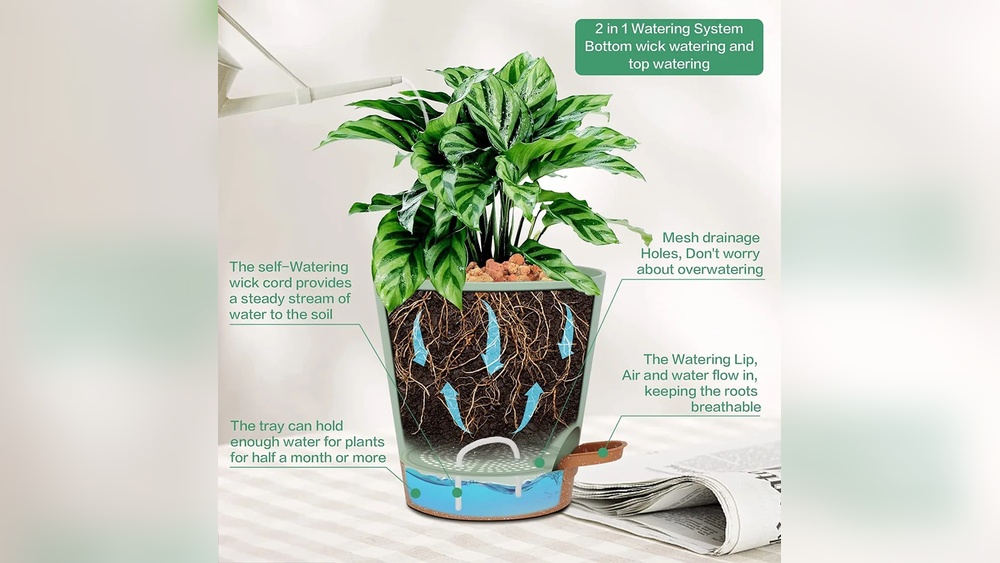
Understanding how self-watering planters work helps to see their benefits for plants. These planters store water in a reservoir and deliver it to the plant gradually. This system ensures plants get steady moisture without overwatering. The design reduces the effort needed for daily watering and helps plants grow healthy.
Water Reservoir Mechanism
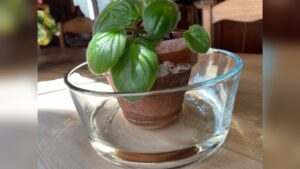
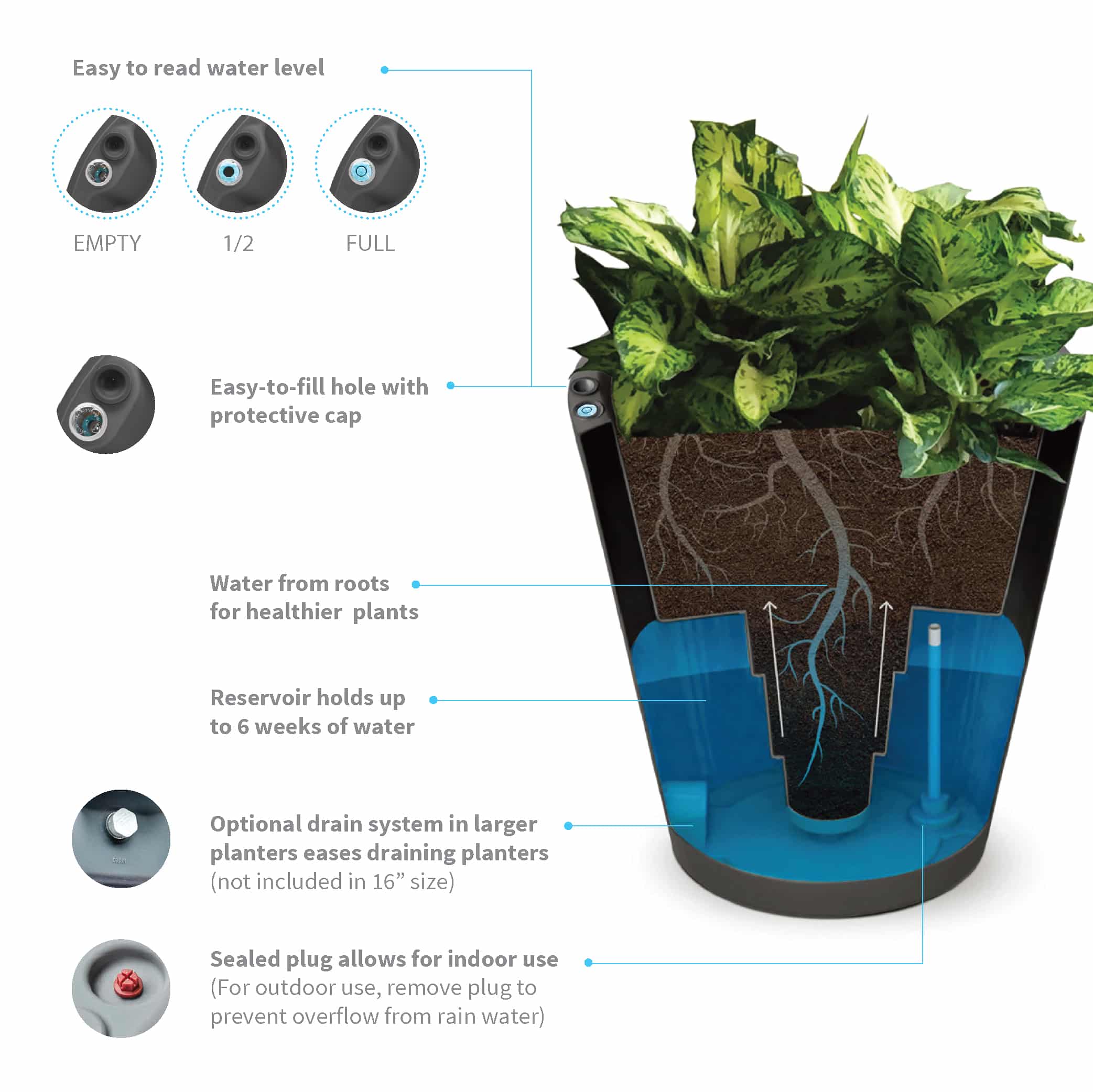
Self-watering planters have a built-in water reservoir at the base. This reservoir holds water separately from the soil. Plants draw water from it as needed, preventing waterlogging. The reservoir allows for longer periods without adding water. It also helps maintain consistent moisture levels for the plant roots.
Capillary Action And Soil Moisture
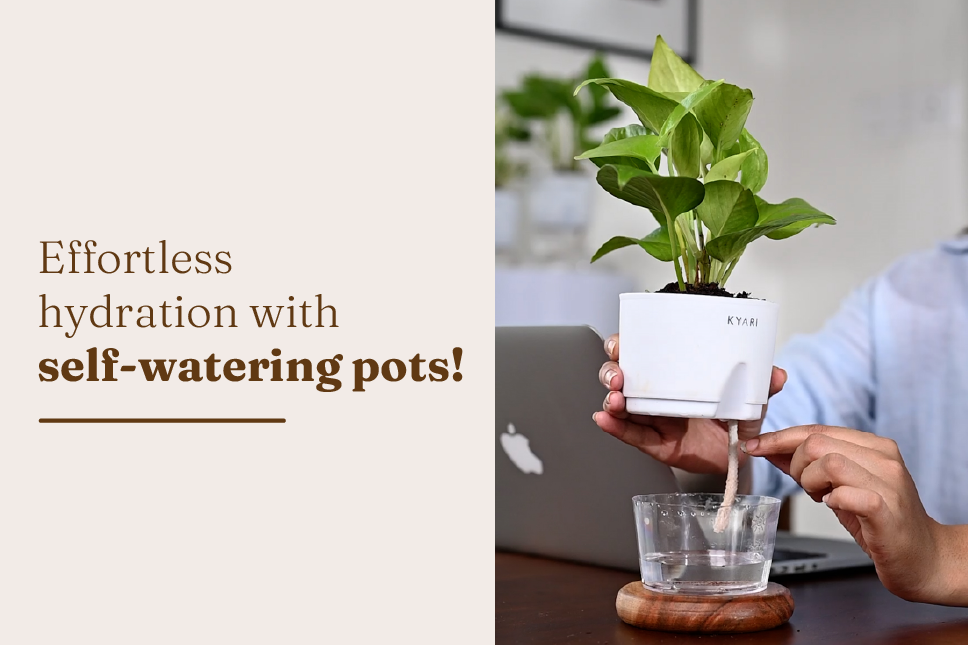
Water moves from the reservoir to the soil through capillary action. A wick or porous material connects the water to the soil. This movement keeps the soil moist but not soaked. Plants absorb water slowly, reducing stress from dry periods. The system mimics natural watering patterns, supporting healthy root growth.
Types Of Self-watering Systems
There are several types of self-watering planters available. Some use a wick that draws water up into the soil. Others have a sub-irrigation system with a water level indicator. Some planters combine a reservoir with automatic drainage holes. Each type offers different benefits depending on the plant’s needs and care routine.

Credit: www.amazon.com
Benefits For Plant Growth
Self watering planters offer several benefits that support healthy plant growth. These containers help maintain the right moisture balance in the soil. Plants get what they need without stress from too much or too little water.
Such planters create an ideal environment for roots to develop strong and absorb nutrients well. This leads to better growth and vibrant leaves. Gardeners often find these planters helpful for keeping plants healthy over time.
Consistent Moisture Supply
Self watering planters provide a steady supply of water to plants. The soil stays evenly moist, preventing dry spells that can harm roots. Plants get water as they need it, which supports steady growth. This consistency helps avoid stress caused by irregular watering.
Reduced Risk Of Overwatering
These planters limit the chance of overwatering, a common problem for many gardeners. Excess water drains into a reservoir, keeping soil from becoming waterlogged. Roots can breathe better, reducing the risk of root rot. Plants stay healthier with the right moisture level.
Convenience For Busy Gardeners
Self watering planters save time and effort. They reduce how often you must water plants manually. This convenience suits busy gardeners or those new to plant care. Plants remain hydrated even during short trips or busy days. It makes plant care simpler and more reliable.
Limitations And Drawbacks
Self watering planters offer convenience but also come with some limitations. Understanding these drawbacks helps you decide if they fit your plants’ needs. These planters are not perfect for all types of plants and require attention to avoid problems.
Not Ideal For Thirsty Plants
Some plants need frequent, large amounts of water. Self watering planters release water slowly. This slow release may not satisfy very thirsty plants. Such plants can suffer from lack of moisture. Examples include tomatoes and some tropical plants.
Potential For Root Rot
Constant moisture near roots increases the risk of root rot. If the water reservoir stays full too long, roots can stay wet. Wet roots do not get enough oxygen. This creates a perfect condition for fungi. Root rot weakens plants and can kill them.
Maintenance Challenges
Self watering planters need regular cleaning. Algae and mold can grow in water reservoirs. This growth harms plants and blocks water flow. You must check water levels often. Neglecting maintenance reduces planter effectiveness and plant health.
Credit: kyari.co
Best Plants For Self-watering Planters
Choosing the right plants for self-watering planters helps maximize their benefits. These planters keep soil moist by delivering water steadily, so plants that like consistent moisture thrive. Some plants handle this environment better than others. Below are top plant types that do well in self-watering planters and a few to avoid.
Tropical Plants
Tropical plants enjoy steady moisture and warm conditions. They thrive in self-watering planters because their roots stay evenly damp without drowning. Examples include peace lilies, ferns, and philodendrons. These plants often suffer from dry soil, so constant water supply helps them grow strong and healthy.
Herbs And Leafy Greens
Herbs and leafy greens do well with regular watering. Basil, mint, and parsley grow quickly in self-watering planters. Leafy greens like lettuce and spinach also benefit from constant moisture. These plants need wet soil to stay tender and fresh. Self-watering pots reduce the risk of wilting between waterings.
Plants To Avoid
Cacti and succulents dislike too much water and poor drainage. Self-watering planters keep soil moist, which can cause root rot for these plants. Also, plants that prefer dry conditions, like lavender or rosemary, do not do well. Avoid putting drought-tolerant plants in self-watering pots to prevent damage.
Tips For Optimal Use
Using self watering planters correctly can improve plant health and growth. Simple steps help plants get the right amount of water and air. Follow these tips to make the most of your self watering planter.
Choosing The Right Soil Mix
Pick soil that holds moisture but drains well. A mix of potting soil and perlite works well. Avoid heavy soils that keep too much water. Good soil helps roots breathe and stops waterlogging.
Proper Reservoir Management
Keep the water reservoir clean to stop mold and bacteria. Fill it with fresh water regularly. Check water levels often to avoid drying out. Do not overfill, as too much water can harm roots.
Adjusting For Plant Needs
Different plants have different water needs. Adjust the amount of water in the reservoir based on the plant type. For thirsty plants, fill more often. For drought-tolerant plants, allow soil to dry slightly between watering.
Comparing Self-watering To Traditional Pots
Comparing self-watering planters to traditional pots reveals key differences. These affect water use, plant health, and the user’s daily care routine. Understanding these factors helps decide which pot suits your needs best.
Water Efficiency
Self-watering planters use water more efficiently than traditional pots. They hold a reservoir that supplies water gradually to the plant roots. This reduces water waste from evaporation or overwatering. Traditional pots often need frequent watering, leading to more water loss. Self-watering pots keep soil moist longer, saving water overall.
Plant Health Outcomes
Plants in self-watering planters often experience steady moisture levels. This steady supply helps roots grow deeper and stronger. It prevents common issues like root rot or dry soil stress. Traditional pots may dry out between waterings, causing stress to plants. Some plants prefer the wet-dry cycle of traditional pots, though. Choosing depends on the plant species and its water needs.
User Experience
Self-watering planters reduce the need for daily watering. They suit busy or forgetful gardeners well. These pots offer convenience and lower maintenance. Traditional pots require more frequent attention and checking soil moisture. Users may find self-watering pots easier, especially indoors or during travel. Some gardeners enjoy the hands-on care traditional pots demand.
Expert Opinions And Experiences
Many gardeners and plant experts share their views on self-watering planters. Their experiences help us understand if these tools truly benefit plants. Opinions vary based on plant types and care needs. Insights from real gardeners and scientific research give a clearer picture. This section explores those expert opinions and experiences to guide your choice.
Gardener Testimonials
Many gardeners find self-watering planters helpful for busy lifestyles. They say these planters reduce the risk of overwatering. Some mention their plants stay healthier with steady moisture. Others note that certain plants prefer regular watering instead. Overall, gardeners appreciate the convenience but watch their plant’s water needs closely.
Scientific Studies
Research shows self-watering planters maintain stable soil moisture. Plants in these planters often grow with less stress. Studies confirm better water efficiency compared to traditional pots. However, some plants may suffer from root rot if water pools too much. Science supports self-watering pots but advises matching planter type to plant species.
Common Misconceptions
Many think self-watering planters replace all watering tasks. They do not remove the need for occasional checks. Some believe these planters work for every plant type. In truth, thirsty plants may need extra water. Others assume self-watering planters cause root rot often. Proper use prevents this problem. Understanding these facts helps avoid mistakes.
Innovations In Self-watering Planters
Self-watering planters have evolved significantly over recent years. These innovations aim to make plant care simpler and more effective. Modern designs combine technology, smart features, and eco-friendly materials. This progress helps plants receive the right amount of water consistently. It also reduces common problems like overwatering or underwatering. Exploring these innovations shows how self-watering planters benefit both casual gardeners and plant enthusiasts.
Smart Technology Integration
Many self-watering planters now include smart sensors. These sensors monitor soil moisture and send alerts to your phone. Some models connect with home automation systems. They adjust watering schedules based on weather and plant needs. This technology helps prevent water waste. It ensures plants stay healthy without constant manual checks.
Design Improvements
Designers have improved water reservoirs for longer supply. New wicking systems deliver water more evenly to roots. Many planters use clear indicators to show water levels easily. Some shapes fit better in small spaces or indoors. Materials are lighter and more durable than before. These updates make plant care less stressful and more reliable.
Sustainability Considerations
Eco-friendly materials are becoming common in self-watering planters. Recycled plastics and natural fibers reduce environmental impact. Water-saving designs minimize waste by controlling flow precisely. Some planters support rainwater collection to reduce tap water use. These features align with greener gardening habits. They help protect resources while supporting plant growth.
Frequently Asked Questions
What Are Self Watering Planters?
Self watering planters have a built-in water reservoir that supplies consistent moisture to plants. They reduce watering frequency and help maintain healthy soil hydration.
Are Self Watering Planters Good For All Plants?
No, they are best for plants that prefer steady moisture like tropicals and leafy greens. Thirsty plants or succulents may not thrive in them.
How Do Self Watering Planters Benefit Plant Growth?
They provide consistent moisture, preventing overwatering and underwatering. This steady hydration promotes healthy root development and reduces plant stress.
Can Self Watering Planters Prevent Root Rot?
Yes, many self watering planters have good drainage systems. This helps avoid waterlogging and reduces the risk of root rot.
Conclusion
Self-watering planters suit many types of plants well. They keep soil moist without daily watering. This helps busy gardeners and beginners alike. Some plants prefer dry soil, so choose carefully. These planters reduce watering mistakes and save time. Overall, they offer a simple way to care for plants.
Try them and see how your plants respond.