Can I Use Outdoor Potting Mix for Indoor Plants? Expert Tips!
Are you wondering if you can simply grab some outdoor potting mix and use it for your indoor plants? It sounds convenient, right?
After all, soil is soil—so why complicate things? But here’s the truth: using outdoor potting mix indoors can actually harm your plants and even bring unwanted pests or diseases into your home. If you want your indoor plants to thrive and stay healthy, understanding the differences between outdoor and indoor potting mixes is crucial.
Keep reading to discover why outdoor soil isn’t the best choice for your houseplants and what you should use instead to help your green friends flourish.
Credit: thesoilking.com
Differences Between Outdoor Soil And Indoor Potting Mix
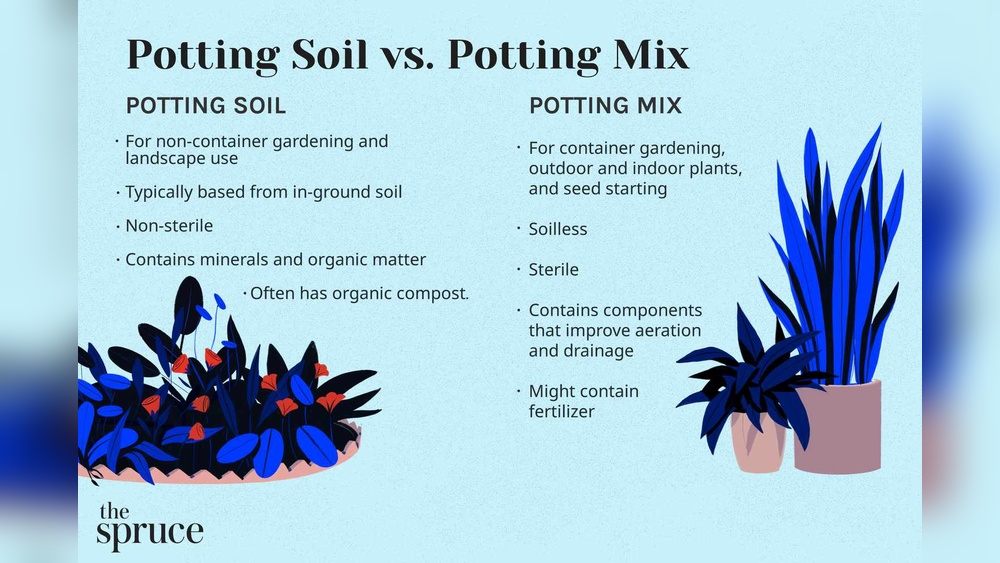
Understanding the differences between outdoor soil and indoor potting mix is key to healthy plants. Each type serves unique purposes based on its makeup. Using the wrong soil can harm plant growth and cause other issues. Below are the main differences that affect plant care indoors and outdoors.
Texture And Density
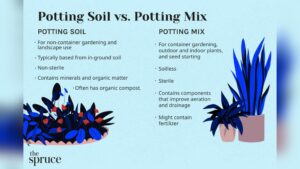
Outdoor soil is dense and heavy. It contains clay, sand, and organic matter. This density helps plants anchor outside but can suffocate indoor roots. Indoor potting mix is light and fluffy. It allows roots to spread easily without compacting.
Drainage And Aeration
Good drainage is vital for indoor plants. Outdoor soil often holds too much water, leading to root rot. Potting mix includes materials like peat moss and perlite. These improve drainage and air flow around roots, keeping them healthy.
Nutrient Content
Outdoor soil has natural nutrients from decomposed matter. However, nutrient levels vary widely. Indoor potting mixes are often enriched with balanced fertilizers. This ensures consistent nutrition for indoor plants.
Pests And Pathogens
Outdoor soil may carry pests, fungi, or bacteria harmful indoors. These can spread and damage houseplants. Potting mix is usually sterilized to reduce pests and diseases. This creates a safer environment for indoor growth.
Risks Of Using Outdoor Soil Indoors
Using outdoor soil indoors can cause many problems for houseplants. Outdoor soil is made for garden beds, not pots inside your home. Its texture and composition can harm your plants in several ways. Understanding these risks helps you choose the right soil and keep indoor plants healthy.
Root Suffocation And Compaction
Outdoor soil is often dense and heavy. This density can block air from reaching the roots. Roots need oxygen to grow and stay healthy. When soil compacts, roots may suffocate and stop growing. Compacted soil also reduces space for root expansion.
Water Retention And Root Rot
Outdoor soil holds water differently than indoor potting mix. It may retain too much water in pots without good drainage. Excess moisture causes roots to stay wet for too long. Wet roots can rot, leading to plant death. Proper drainage is essential for indoor plants.
Introducing Unwanted Pests
Outdoor soil can carry pests like insects, eggs, and disease-causing organisms. These pests may invade your indoor space and harm your plants. Indoor environments lack natural predators to control these pests. Using outdoor soil increases the chance of infestations.
Imbalanced Nutrient Levels
Outdoor soil has nutrients designed for garden plants, not houseplants. Nutrient levels may be too high or too low for indoor plant needs. This imbalance can stunt growth or cause nutrient burn. Indoor potting mixes are formulated to support potted plant health.
Benefits Of Using Indoor Potting Mix
Using the right potting mix for indoor plants is key to their health. Indoor potting mixes are specially made to support plants inside your home. They help plants grow strong and stay healthy. The benefits of using indoor potting mix go beyond just soil. They include better texture, drainage, and nutrients suited for indoor conditions.
Lightweight And Fluffy Structure
Indoor potting mix has a light and fluffy texture. This makes it easy for roots to spread and grow. It does not get compacted like outdoor soil. Plants get enough space for air and water. This structure helps roots breathe and stay healthy.
Proper Drainage And Aeration
Good drainage is very important for indoor plants. Indoor potting mixes drain excess water quickly. This prevents water from sitting and causing root rot. The mix also allows air to reach the roots. Proper aeration keeps plants from suffocating in wet soil.
Sterile And Pest-free
Indoor potting mixes are usually sterile. They do not contain harmful bacteria, fungi, or pests. This keeps indoor plants safe from diseases and insects. Using sterile mix reduces the need for pesticides. It creates a cleaner environment for your plants.
Balanced Nutrient Profile
Indoor potting mix contains nutrients suited for indoor plants. It has the right balance of minerals and organic matter. This helps plants get what they need to grow well. The nutrients release slowly, feeding plants over time. This supports steady and healthy growth indoors.
Alternatives To Outdoor Soil For Indoor Plants
Choosing the right soil is key for healthy indoor plants. Outdoor soil often contains pests, weeds, and diseases. It also compacts easily, which harms root growth inside pots. Luckily, there are better options designed specifically for indoor use. These alternatives provide good drainage and air flow. They support roots and reduce risks of problems. Let’s explore the best soil choices for indoor plants.
Dedicated Indoor Potting Mixes
Indoor potting mixes are made just for houseplants. They are light and fluffy. These mixes hold moisture but drain well. They often contain peat moss, vermiculite, and perlite. These ingredients keep soil from becoming too wet or dry. Some mixes include added nutrients to feed plants. Using a dedicated indoor mix helps plants grow strong and healthy.
Soilless Mixes And Their Ingredients
Soilless mixes are popular for indoor gardening. They contain no actual soil. Instead, they use materials like coconut coir, peat moss, and perlite. These mixes offer excellent drainage and air circulation. They reduce the chance of soil-borne diseases. Soilless mixes are lightweight, making them easy to handle. They are also sterile, which keeps plants safe indoors.
Customizing Mixes For Specific Plants
Different plants need different soil types. Succulents and cacti need fast-draining soil. Mix sand or perlite with potting mix for them. Tropical plants prefer moisture-retentive mixes with peat moss. Orchids need chunky, airy media like bark chips. Adjusting soil mix helps plants get the right water and air. Custom soil blends support specific plant needs perfectly.
How To Prepare Outdoor Soil For Indoor Use
Preparing outdoor soil for indoor plants requires careful steps. Outdoor soil may contain pests, diseases, and heavy particles. These can harm indoor plants and cause poor growth. Proper preparation improves soil quality and safety for indoor use.
Follow a simple process to make outdoor soil suitable. It involves sterilizing, improving aeration, and understanding risks. These steps help create a better environment for indoor plants to thrive.
Sterilizing Soil Safely
Sterilize outdoor soil to kill harmful organisms. Spread soil thinly on a baking tray. Heat it in an oven at 180°F (82°C) for 30 minutes. Use a thermometer to keep the temperature steady. Avoid higher heat to prevent releasing toxic gases.
Let the soil cool before use. This process removes bacteria, fungi, and pests. Sterilized soil reduces the risk of plant diseases indoors.
Amending For Aeration And Drainage
Outdoor soil tends to be dense and heavy. Mix in materials like perlite, vermiculite, or coarse sand. These improve airflow and drainage in the soil. Add organic matter such as peat moss or coconut coir to lighten the mix.
Good aeration prevents root rot and allows roots to breathe. Proper drainage stops water from pooling at the bottom. Well-amended soil supports healthy root growth and plant development.
Limitations And Risks
Even after preparation, outdoor soil may not be ideal for all indoor plants. It can still carry minerals or salts harmful to sensitive species. Some soils retain too much moisture, increasing mold risk indoors.
Regular monitoring of plant health is necessary. Consider using commercial indoor potting mixes for easier care. Outdoor soil requires more attention and may not deliver the best results every time.
Credit: planterhoma.com
Choosing The Right Potting Mix For Your Indoor Plants
Picking the correct potting mix helps your indoor plants grow healthy and strong. Indoor plants need soil that drains well and holds the right moisture. Using the wrong mix can cause root problems and slow growth.
Different plants have different soil needs. The potting mix should match the plant type and indoor conditions. Quality soil supports roots and supplies nutrients without waterlogging.
Considering Plant Types
Succulents and cacti need sandy, well-draining soil. Tropical plants prefer soil that holds moisture but still drains. Ferns grow well in soil rich in organic matter. Match the potting mix to your plant’s natural habitat for best results.
Checking For Drainage And Texture
Good drainage prevents roots from sitting in water. Look for a mix with perlite or vermiculite to keep soil airy. The texture should be light and crumbly, not dense or heavy. This helps roots get oxygen and avoid rot.
Avoiding Excess Nutrients
Outdoor potting mixes often have high fertilizer content. Too many nutrients can harm indoor plants. Choose mixes with balanced or low fertilizer levels. This prevents nutrient burn and keeps plants healthy.
Buying Quality Brands
Choose trusted brands for consistent quality and safety. Quality mixes are free from pests and diseases. They also contain the right blend of materials for indoor plants. Avoid cheap or unknown brands that may harm your plants.

Credit: www.amazon.com
Frequently Asked Questions
Is Indoor Potting Mix Different From Outdoor Potting Mix?
Indoor potting mix is lighter, sterile, and drains well, preventing root rot. Outdoor mix is denser, holds water, and may contain pests. Use indoor mix for healthy houseplants.
Can You Use Miracle-gro Outdoor Potting Mix For Indoor Plants?
Yes, Miracle-Gro outdoor potting mix works for indoor plants. It supports various plants with balanced nutrients and good drainage.
Do I Need Special Potting Mix For Indoor Plants?
Yes, indoor plants need special potting mix. It is lighter, drains well, prevents root rot, and avoids pests and diseases common in outdoor soil.
How To Clean Outdoor Soil For Indoor Plants?
Remove debris and dry the outdoor soil completely. Bake it at 180°F (82°C) for 30 minutes to kill pests. Sift to remove stones and roots. Mix with sterile indoor potting soil for better drainage and nutrient balance.
Conclusion
Using outdoor potting mix for indoor plants can cause issues. Outdoor soil often compacts, reducing air and water flow to roots. It may also contain pests or diseases harmful to indoor plants. Indoor potting mixes stay light and drain well, helping plants grow healthy.
Choosing the right soil helps your plants thrive inside your home. Remember, healthy roots need good soil that breathes and drains properly. This simple step supports strong, vibrant indoor plants.