Are Terracotta Pots Good for Indoor Plants: Ultimate Benefits Revealed
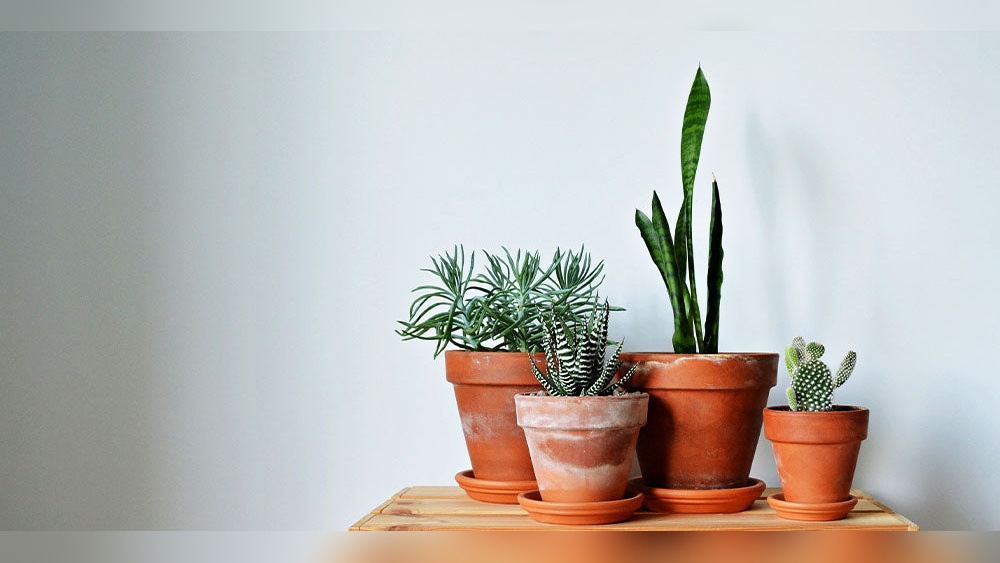
Are terracotta pots the right choice for your indoor plants? If you’ve ever wondered whether these classic clay containers help or hurt your green friends, you’re not alone.
Terracotta pots have a timeless charm and are loved by many plant enthusiasts, but they come with unique traits that can make a big difference in how your plants grow and thrive. You’ll discover which plants thrive in terracotta, which ones struggle, and why the pot you choose matters more than you might think.
Ready to give your indoor garden the best chance to flourish? Keep reading to find out if terracotta pots are truly good for your indoor plants—and how to make the most of them.
Benefits Of Terracotta Pots
Terracotta pots offer several benefits for indoor plants. Their unique properties support healthy plant growth. These pots create a balanced environment that helps plants thrive. Understanding the benefits reveals why many gardeners prefer terracotta for their indoor greens.
Porous Nature And Soil Aeration
Terracotta pots have a porous surface. This allows air to move through the pot walls. Soil inside gets better aeration. Roots receive oxygen more easily, which promotes growth. The pot’s breathability prevents soil from becoming compacted. This keeps the roots healthy and strong.
Prevention Of Root Rot
Excess moisture can cause root rot in plants. Terracotta pots absorb extra water from the soil. This stops water from pooling around the roots. By drying faster, the soil stays at a safe moisture level. Plants avoid the risk of root diseases. This makes terracotta a safe choice for many species.
Natural Temperature Regulation
Terracotta helps regulate soil temperature naturally. The clay walls cool down the soil in warm weather. They also provide slight insulation in cooler conditions. This creates a stable root environment. Plants suffer less stress from temperature swings. The result is healthier, more resilient indoor plants.
Aesthetic Appeal And Versatility
Terracotta pots have a warm, earthy look. Their classic design fits many indoor styles. They blend well with modern and traditional decor. Pots come in various shapes and sizes. This versatility allows for creative plant displays. Their natural color enhances the beauty of any plant.
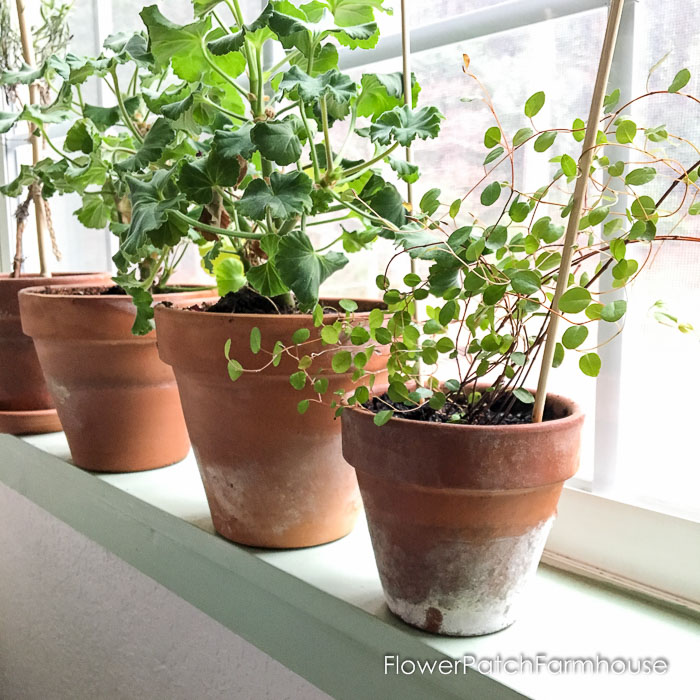
Credit: www.flowerpatchfarmhouse.com
Plants That Thrive In Terracotta
Terracotta pots offer a natural, breathable environment for many indoor plants. Their porous nature allows air and moisture to pass through the pot walls. This helps prevent overwatering and root rot. Certain plants love these conditions and grow healthier in terracotta. Below are some popular plants that thrive in terracotta pots.
Succulents And Cacti
Succulents and cacti need soil that dries out quickly. Terracotta pots absorb excess moisture, keeping the soil dry enough. This prevents root rot and fungal problems. These plants also enjoy the natural warmth terracotta provides. Their shallow root systems fit well in these pots. Ideal for indoor spaces with bright, indirect light.
Mediterranean Herbs
Mediterranean herbs like rosemary, thyme, and lavender prefer dry soil. Terracotta pots help maintain this condition by allowing water to evaporate faster. These herbs need good air circulation around their roots. Terracotta’s breathability supports this need. The pots also add a rustic charm to your kitchen or windowsill garden.
Spider Plants
Spider plants benefit from terracotta’s quick-drying quality. They dislike sitting in soggy soil, which can cause root problems. The pots help keep their roots healthy by preventing excess moisture buildup. Spider plants adapt well to various indoor lighting. Their hardy nature makes terracotta pots a great match for them.
Plants To Avoid In Terracotta
Terracotta pots have many benefits, but they are not suitable for all indoor plants. Some plants struggle in terracotta because the clay is porous and dries out soil quickly. Others need special soil conditions that terracotta can change. Knowing which plants to avoid helps keep your indoor garden healthy and thriving.
Moisture-loving Plants
Plants that need constantly moist soil do poorly in terracotta pots. The porous clay pulls moisture out fast, leaving roots too dry. Ferns need damp soil and will wilt quickly. Peace lilies like moist but not soggy soil, which terracotta cannot keep steady. Calatheas and alocasia require high humidity and consistent moisture. Cannas and calla lilies thrive in wet soil, which dries out too fast in terracotta. Venus flytraps need wet soil all the time. Irises also prefer soil that stays moist.
Acid-loving Plants
Plants that need acidic soil can suffer in terracotta pots. The natural alkalinity of terracotta clay can raise soil pH. Azaleas need acidic soil for bright blooms. Hydrangeas, especially blue varieties, may turn pink in terracotta because of pH changes. These plants will not show their true colors or grow well in terracotta.
Orchids And Root Sensitivity
Orchids have sensitive roots that can stick to terracotta pots. The rough, porous surface makes repotting difficult and can damage roots. They prefer smooth pots or special orchid bark mix. Using terracotta can stress orchids and slow their growth.
Plants In Hot Or Sunny Indoor Areas
Terracotta pots dry out soil quickly, especially in hot or sunny spots. Plants placed in these areas need frequent watering. Rapid water loss can cause stress and leaf damage. Choose other pots or place moisture-loving plants away from direct sun to prevent drying out.
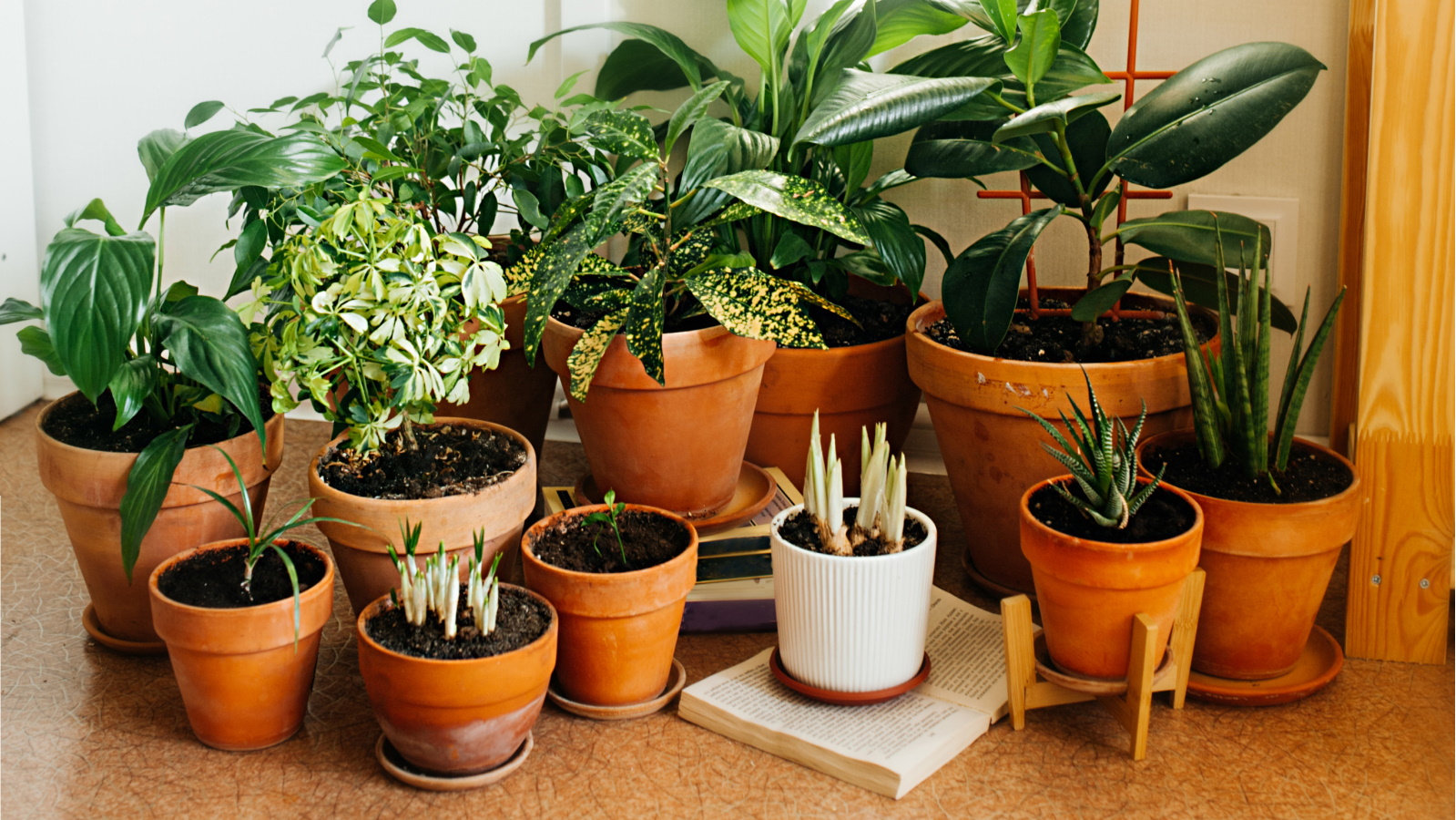
Credit: www.homesandgardens.com
Challenges Of Using Terracotta Indoors
Using terracotta pots indoors offers a natural, earthy look for your plants. Yet, terracotta brings some challenges inside the home. These issues can affect plant health and pot durability. Understanding these challenges helps in making better care choices. Below are key problems to consider when using terracotta indoors.
Rapid Soil Drying
Terracotta is porous, allowing air and moisture to pass through. This leads to faster drying of the soil. Indoor plants may suffer from lack of moisture. Plants that need consistent dampness might struggle. You may need to water more often to keep the soil healthy.
Potential For Cracking
Terracotta pots can crack due to temperature changes. Indoors, air conditioning or heating can cause stress on the clay. Water freezing inside the pot may also cause cracks. Cracked pots lose their structural strength and may leak water. Handle terracotta pots carefully to avoid damage.
Mineral Buildup And Stains
Water and fertilizer leave mineral deposits on terracotta surfaces. These white or greenish stains can look unsightly. Stains occur because terracotta absorbs minerals easily. Cleaning the pots regularly can reduce buildup. Using filtered water may also help prevent stains.
Frequent Watering Needs
Because terracotta dries quickly, plants need more frequent watering. This can be a challenge for busy plant owners. Forgetting to water might stress the plants or cause wilting. Setting a watering schedule helps keep plants healthy. Choose plants that tolerate drying if watering is difficult.
Choosing The Right Terracotta Pot
Choosing the right terracotta pot affects your plant’s health and growth. Terracotta pots have unique qualities. They breathe and absorb moisture. Picking the correct pot size and type supports your indoor plants well. Consider drainage, pot finish, and plant needs carefully. These factors help keep roots healthy and soil balanced.
Size And Drainage Considerations
Select a pot size that fits your plant’s root system. A too-large pot holds excess soil moisture. This can cause root rot. Too small a pot restricts root growth and dries out fast. Ensure the terracotta pot has drainage holes. These holes allow excess water to escape. Proper drainage prevents waterlogging and keeps roots healthy.
Sealed Vs. Unglazed Pots
Unglazed terracotta pots are porous. They absorb and release moisture, drying soil quickly. This suits plants needing well-drained soil. Sealed or glazed pots hold moisture longer. They reduce water loss through the pot walls. Choose sealed pots for plants that like constant moisture. Unglazed pots are best for drought-tolerant plants like succulents.
Matching Pot With Plant Needs
Match the pot type to your plant’s water needs. Succulents thrive in unglazed terracotta pots. The pot absorbs extra moisture, protecting roots. Moisture-loving plants need sealed pots to keep soil damp. Consider plant size and root depth when choosing pot size. Heavy plants need sturdy pots to prevent tipping. The right pot supports plant health and growth.
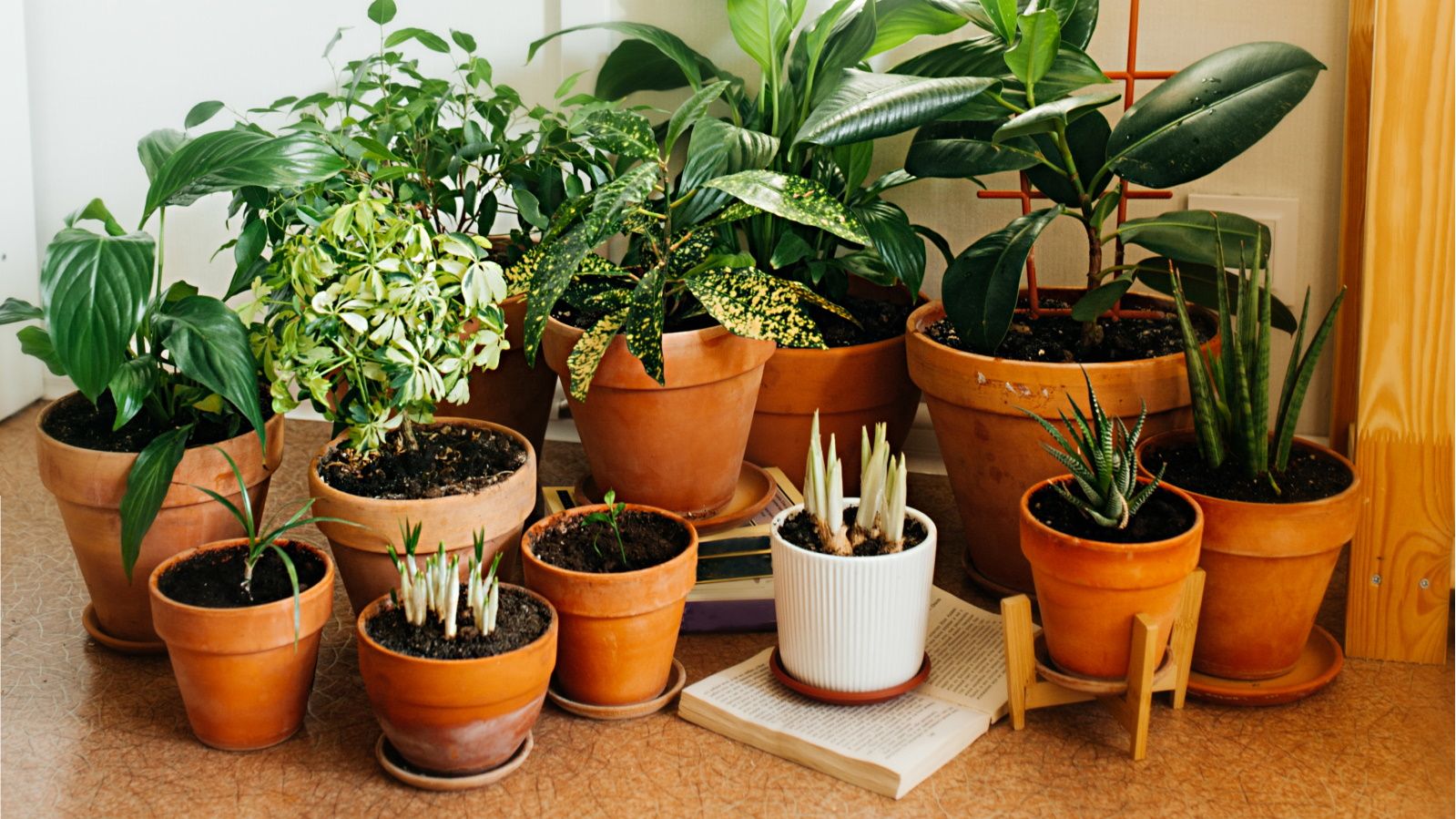
Credit: www.homesandgardens.com
Care Tips For Terracotta Pots
Terracotta pots add a natural charm to indoor plants. They are porous, allowing air and moisture to move through the walls. This feature helps plant roots breathe. Proper care keeps these pots in good shape and extends their life. Follow simple steps to maintain terracotta pots and support healthy plants.
Cleaning And Maintenance
Clean terracotta pots regularly to avoid salt buildup. Use a soft brush to remove dirt and debris. Wash pots with warm water and mild soap. Rinse well to remove soap traces. Let pots dry completely before adding soil or plants. This prevents mold and bacteria growth.
Preventing Cracks In Cold Weather
Terracotta pots can crack in freezing temperatures. Move pots indoors or to a sheltered area during cold weather. Avoid leaving wet soil in pots outside when frost is expected. Store empty pots in a dry, warm place. Handle pots gently to prevent chips and cracks.
Managing Watering Frequency
Terracotta pots dry out faster than plastic pots. Water plants more often to keep soil moist. Check soil moisture daily, especially in warm or dry rooms. Use a saucer under pots to catch excess water. This helps avoid overwatering and root rot.
Frequently Asked Questions
What Plants Should Not Be In Terracotta Pots?
Avoid terracotta pots for moisture-loving plants like ferns, peace lilies, calatheas, cannas, Venus flytraps, azaleas, hydrangeas, and orchids. These plants need consistently damp or acidic soil, which terracotta’s porous, alkaline nature cannot maintain.
What Are The Disadvantages Of Terracotta Pots?
Terracotta pots dry out soil quickly, risking dehydration for moisture-loving plants. They can alter soil pH, affecting acid-loving plants. Roots may stick to porous clay, complicating repotting. They also break easily and need frequent watering in hot climates.
Should Terracotta Pots Be Used Indoors?
Terracotta pots suit indoor plants that prefer dry soil, like succulents and herbs. Avoid moisture-loving plants, as terracotta dries soil quickly. Ensure pots have drainage to prevent root rot. Their porous nature benefits airflow but requires careful watering indoors.
What Indoor Plants Do Well In Terracotta Pots?
Succulents, cacti, Mediterranean herbs like rosemary, thyme, lavender, and spider plants thrive in terracotta pots due to good drainage. Avoid moisture-loving plants like ferns, peace lilies, and calatheas. Terracotta’s porosity prevents root rot but dries soil quickly, suiting drought-tolerant indoor plants best.
Conclusion
Terracotta pots suit many indoor plants well. They help soil dry quickly and prevent root rot. Succulents, cacti, and Mediterranean herbs thrive in them. Avoid using terracotta for moisture-loving or acid-loving plants. These pots need regular watering in dry indoor air.
Choose terracotta if your plants prefer drier soil conditions. They add a natural, earthy look to your space. Overall, terracotta pots can support healthy plant growth with proper care. Consider your plant’s needs before selecting terracotta for indoor use.