What is a Moss Pole: Ultimate Guide to Boost Plant Growth
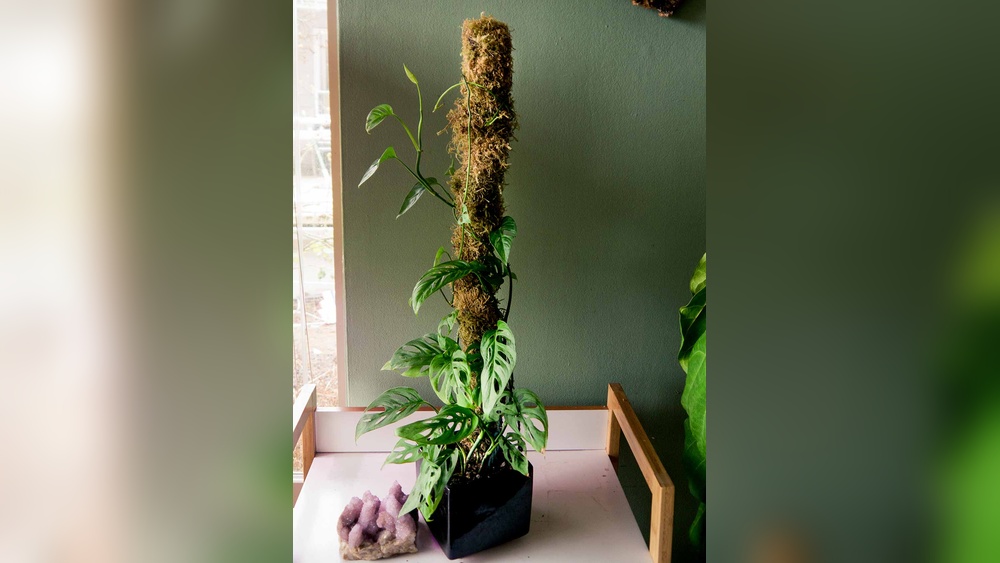
If you love growing indoor plants, you’ve probably heard about a moss pole but might not be sure what it really is or why you need one. A moss pole can transform your climbing plants, giving them the support they crave to grow taller and healthier.
Imagine your plants thriving with lush, green leaves climbing up a natural, moisture-rich pole right in your home. Curious how a simple tool can make such a difference? Keep reading to discover what a moss pole is and why it could be the secret to boosting your plant’s growth and beauty.
Credit: terrariumtribe.com
Moss Pole Basics
Moss poles are helpful tools for many indoor plants. They give plants a place to climb and grow tall. Using a moss pole supports the plant’s natural growing habits. This helps plants stay healthy and look beautiful.
Understanding the basics of moss poles is useful for any plant lover. It helps you choose the right pole and care for your plants better.
What Is A Moss Pole
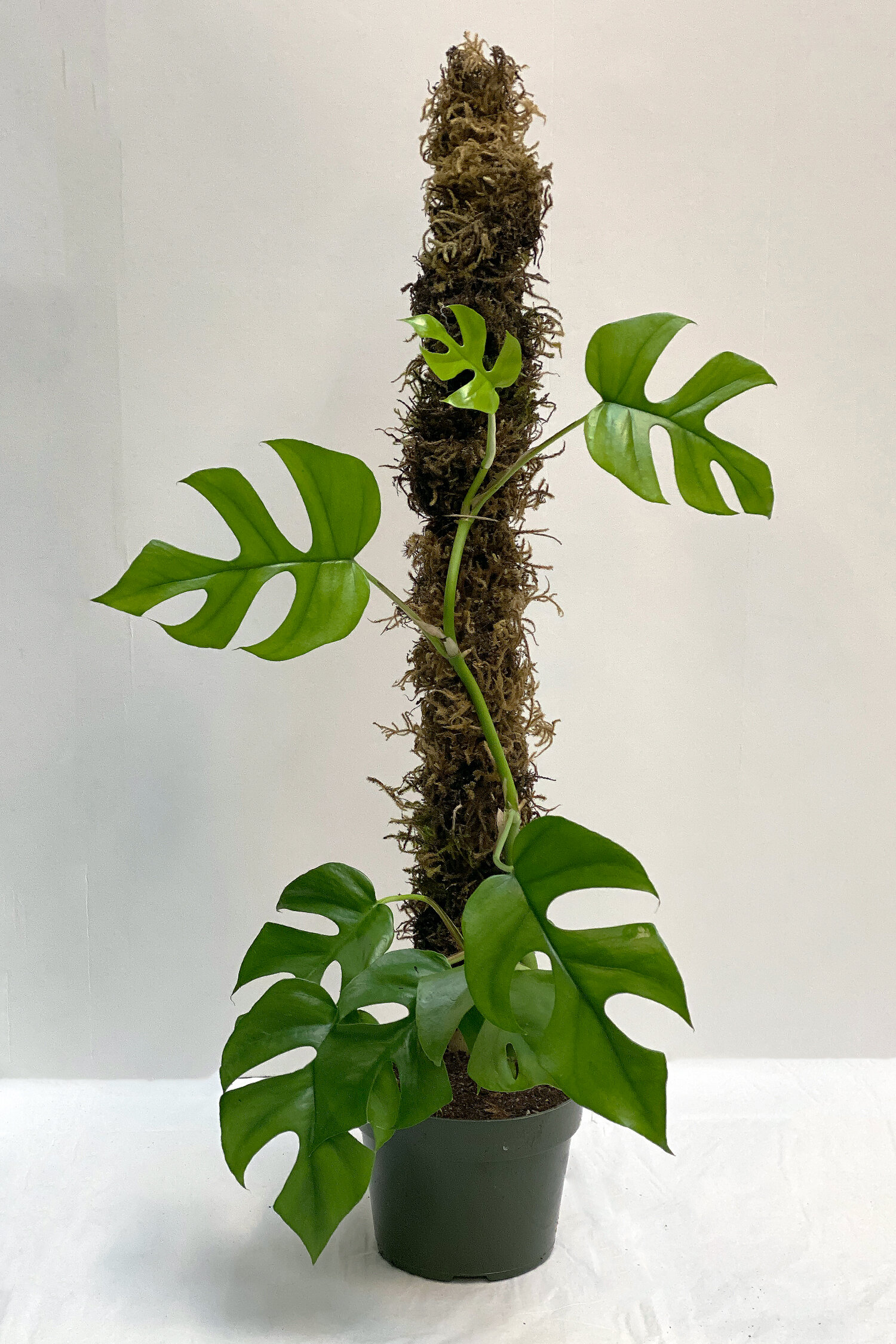
A moss pole is a stick covered with moss. Plants use it to climb upward. Climbing plants like monstera and philodendron grow better with moss poles. The moss holds moisture, which helps the plant roots stay wet. This makes the plant stronger and bigger.
Types Of Moss Poles
There are many types of moss poles. Some are simple sticks wrapped in moss. Others have a frame or grid for plants to grip. Some moss poles come with a plastic or metal base for support. Choose a type that fits your plant’s size and style.
Materials Used
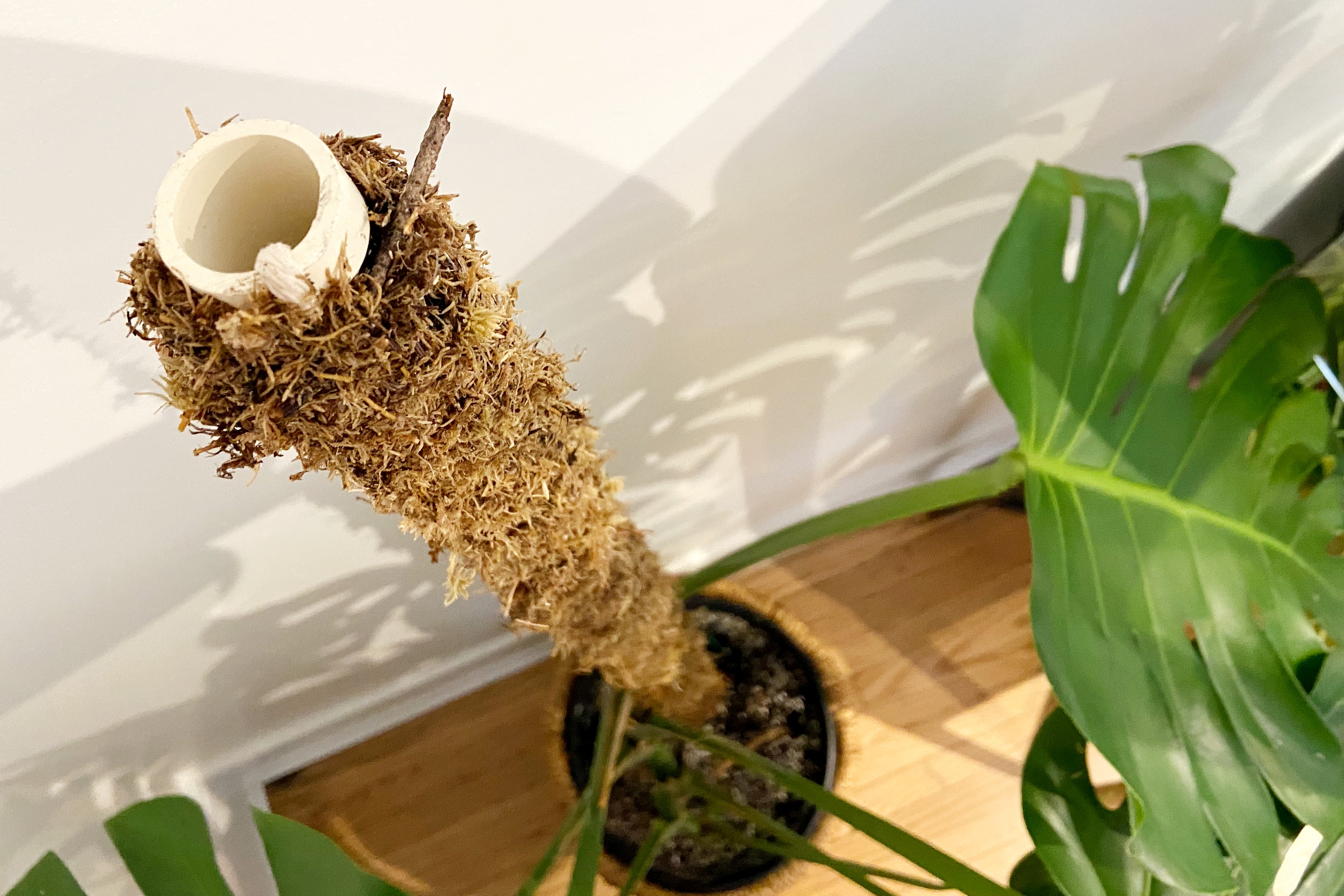
Moss poles use different materials. The main part is usually coconut coir or sphagnum moss. These materials keep moisture well. The pole inside can be wood, bamboo, or plastic. These give the pole strength and shape. The best materials keep plants safe and happy.
Benefits For Plants
Moss poles offer several benefits for your plants. They help plants grow strong and healthy. Using a moss pole supports natural growth habits. It also improves plant health in many ways. Here are some key benefits of moss poles for your plants.
Supporting Climbing Plants
Many plants like to climb as they grow. Moss poles give these plants a solid structure. Plants attach their aerial roots to the pole. This support helps plants grow upward and wider. It prevents leaves and stems from drooping or breaking. Climbing plants look fuller and more vibrant with a moss pole.
Encouraging Root Growth
Moss poles keep moisture around the plant’s roots. This moist environment encourages new root growth. Aerial roots grow into the moss, finding water and nutrients. More roots mean the plant can absorb more food. Strong roots lead to a healthier and bigger plant. Moss poles help plants grow roots where they usually cannot.
Improving Air Circulation
Moss poles lift the plant off the soil surface. This elevation allows better air flow around the leaves and stems. Good air circulation reduces the risk of mold and pests. It keeps the plant dry and healthy. Plants with better air flow grow stronger and resist diseases better.
How To Use A Moss Pole
Using a moss pole helps your climbing plants grow tall and strong. It acts like a natural support for vines and leaves to hold onto. This section explains how to choose, install, and train your plants on a moss pole.
Choosing The Right Pole
Select a moss pole that matches your plant’s size. Taller plants need longer poles for better support. Choose a pole with natural moss to hold moisture. This helps roots attach and grow better. Avoid poles that are too thin or weak. They may not support your plant well.
Installing The Pole
Place the moss pole deep into the soil near the plant’s base. Make sure it is stable and does not wobble. Water the moss before placing it in the pot. Moist moss helps roots stick and grow faster. Check the pole regularly to keep it moist. This supports healthy root growth on the pole.
Training Plants To Climb
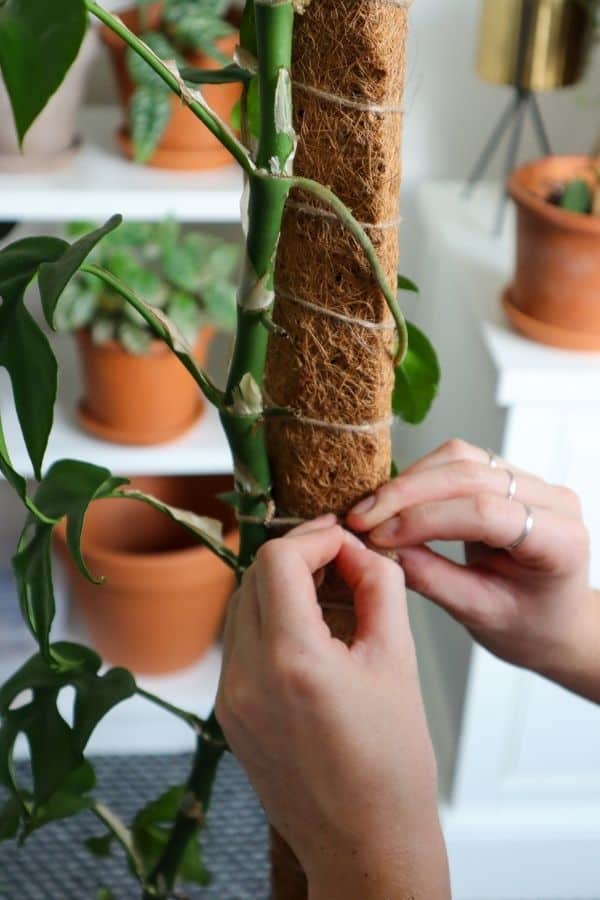
Gently guide your plant’s stems toward the pole. Use soft ties or string to secure stems loosely. Do this every few weeks as the plant grows. Encourage new vines to wrap around the pole naturally. Avoid tying too tight to prevent damage. Regular training helps plants climb evenly and stay healthy.
Credit: corisears.ca
Maintenance Tips
Maintaining a moss pole is key to keeping your plants healthy and growing strong. Regular care helps the pole stay moist and clean. It also stops problems like mold and pests from appearing. Here are some simple tips to care for your moss pole.
Watering The Moss Pole
Keep the moss pole damp but not soaking wet. Use a spray bottle to mist the moss every few days. This helps the plant roots attach and stay hydrated. Check the pole often and add water if it feels dry.
Cleaning And Replacing
Clean the moss pole by wiping it gently with a damp cloth. This removes dust and dirt that can build up. Replace the moss if it starts to break down or smell bad. Fresh moss gives your plant a better grip and moisture.
Preventing Mold And Pests
Ensure good air flow around the moss pole to avoid mold growth. Avoid overwatering, which creates a wet environment for pests. Check the pole regularly for bugs or mold spots. Remove any problem areas quickly to protect your plant.
Common Plants For Moss Poles
Moss poles are popular supports for climbing plants. They help plants grow tall and strong. Many indoor plants enjoy climbing and cling well to moss poles. These poles keep plants healthy and encourage lush growth.
Some plants naturally climb and attach their roots to surfaces. Moss poles mimic tree trunks, giving these plants a natural feel. Here are common plants that thrive with moss poles.
Monstera
Monstera plants love climbing. Their aerial roots grab onto moss poles easily. Climbing helps Monstera leaves grow bigger and develop holes. A moss pole supports the plant’s natural growth habit. It also improves air circulation around the leaves.
Philodendron
Philodendrons are great climbers. They use aerial roots to hold onto moss poles. This support helps them grow taller and fuller. The moss pole keeps the plant stable and upright. It encourages healthy leaf development and strong stems.
Pothos
Pothos plants climb or trail. They attach well to moss poles with their roots. Climbing Pothos look lush and vibrant on a moss pole. The pole helps the plant grow upward. It also keeps the leaves clean and healthy by improving airflow.
Credit: www.swansonsnursery.com
Diy Moss Pole Ideas
Creating your own moss pole can be fun and rewarding. It helps your climbing plants grow strong and healthy. You can make moss poles using simple materials found at home or in nature. These ideas save money and add a personal touch to your plant care.
Try different styles and materials to find what works best for your plants and space. Your moss pole can be natural, creative, or budget-friendly. Here are some easy ideas to get started.
Using Natural Materials
Use items like bamboo sticks, twigs, or branches for the pole. Wrap sphagnum moss or coconut coir around it to hold moisture. These materials help roots attach and absorb water. Natural moss poles blend well with indoor plants and look beautiful.
Creative Designs
Try unique shapes or add decorations to your moss pole. Use colorful strings or yarn to wrap around the pole. Attach small pots or hooks for extra plants or accessories. Creative poles make your plant corner more interesting and personal.
Cost-effective Options
Use recycled materials like old wooden dowels or plastic tubes. Cover them with moss or fabric to create a soft surface. Cheap and easy options work well for beginners or small plants. Save money while giving your plants the support they need.
Conclusion
A moss pole helps plants grow tall and strong. It gives support to climbing plants easily. Plants like pothos and monstera love using moss poles. You can make one at home with simple materials. Keeping your plants healthy and neat is easier with a moss pole.
Try adding one to your plant collection for better growth. Watching your plants climb and thrive feels rewarding and fun. A moss pole is a simple tool with big benefits for gardeners.