How to Tie Monstera to Moss Pole: Easy Steps for Healthy Growth
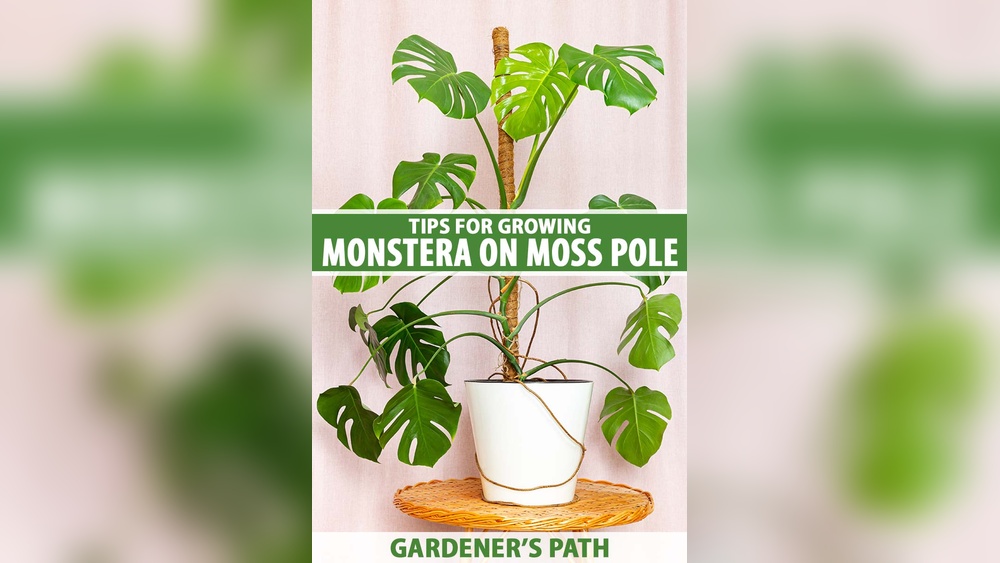
If you love your Monstera and want it to grow big and healthy, tying it to a moss pole is a game-changer. You might be wondering how to do it without hurting your plant or making it look messy.
The good news is, it’s easier than you think! By learning the right way to tie your Monstera to a moss pole, you’ll help it climb naturally, support its heavy leaves, and create a stunning, jungle-like vibe in your home.
Keep reading, and I’ll guide you step-by-step so your Monstera thrives and becomes the centerpiece of your space.

Credit: www.reddit.com
Choosing The Right Moss Pole
Choosing the right moss pole is key to supporting your Monstera’s growth. The pole helps the plant climb and stay healthy. Different moss poles vary in material, size, and preparation. Picking one that fits your plant’s needs makes tying easier and encourages strong growth.
Types Of Moss Poles
Moss poles come in several types. Traditional poles use sphagnum moss wrapped around a wire or plastic frame. Coco coir poles are made from coconut fibers and hold moisture well. Bamboo poles are sturdy but do not retain moisture. Choose a type that matches your watering habits and plant size.
Size And Height Considerations
The moss pole should be taller than your Monstera’s current height. This allows room for growth and climbing. A pole that is too short forces the plant to bend. Too tall poles can be hard to manage. Pick a size slightly above your plant’s height for best results.
Preparing The Moss Pole
Moisten the moss pole before use to help roots attach. Soak it in water until fully damp, then drain excess water. Insert the pole firmly into the pot near the main stem. This keeps the pole stable. Proper preparation ensures your Monstera can cling easily and grow upright.
Gathering Materials
Gathering the right materials is the first step to successfully tie your Monstera to a moss pole. Having everything ready before you start makes the process smooth and safe for your plant. The key items include soft ties, a sturdy moss pole, and some extra tools for support. Choosing the correct materials helps your Monstera grow healthy and strong as it climbs.
Soft Ties And Alternatives
Soft ties hold the Monstera stem gently without causing damage. Use plant-friendly options like soft garden twine, velcro straps, or strips of cloth. Avoid using wire or anything that can cut into the stem. Yarn or cotton string works well as a flexible, gentle choice. These materials support the plant while allowing room for growth.
Additional Support Tools
Besides soft ties and the moss pole, you might need extra tools. A pair of scissors helps cut ties to the right length. A spray bottle keeps the moss pole moist, encouraging root attachment. A small stake or bamboo stick can add extra stability if the moss pole is too thin. These tools improve the overall setup and care for your Monstera.
Safety Tips For Tying
Tie the Monstera loosely to avoid squeezing the stem. Tight knots can damage the plant and slow growth. Check ties regularly and adjust them as the plant grows. Keep the moss pole moist but not soaking wet to prevent mold. Handle the plant gently to avoid breaking leaves or stems during tying.
Positioning The Moss Pole
Positioning the moss pole correctly is important for your Monstera’s growth. The pole supports the plant, helping it grow tall and strong. It also guides the leaves to spread beautifully. Proper placement prevents damage and keeps your plant healthy.
Inserting The Pole Into The Pot
Choose a moss pole that fits your pot size. Insert it gently into the soil near the Monstera’s main stem. Push it deep enough to stay stable but avoid forcing it. If the pot is small, use a thinner pole to save space.
Aligning The Pole With The Monstera
Place the pole so it stands behind the Monstera’s thickest stem. The plant should lean slightly against the pole. This helps the aerial roots attach easily. Make sure the leaves face outward for good light and air flow.
Avoiding Root Damage
Insert the pole carefully to protect the roots. Check the soil surface for root location before pushing. Move the pole slowly and stop if you feel resistance. Damaged roots can cause stress and slow growth. Always be gentle to keep roots safe.
Tying The Monstera To The Pole
Tying the Monstera to the moss pole helps the plant grow upright and strong. It also encourages aerial roots to attach and absorb moisture. Proper tying supports the plant without harming it. Use soft ties to avoid cutting into the stem or leaves. Secure the plant carefully to keep it stable as it grows.
Securing The Main Stem
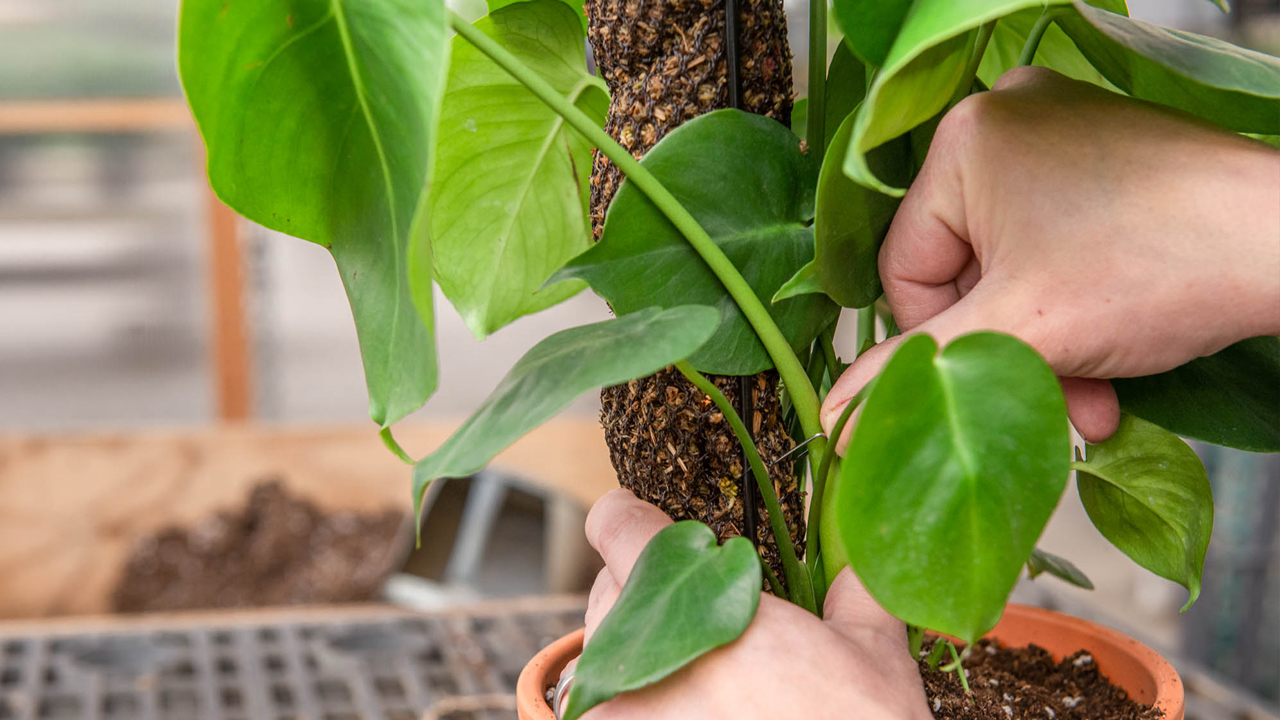
Place the moss pole close to the main stem. Use soft plant ties or yarn to hold the stem gently. Tie the stem at several points along the pole. This prevents the plant from leaning or falling. Ensure the ties are snug but not tight. The stem should have room to grow without damage.
Avoiding Ties On Petioles
Do not tie the leaf petioles to the pole. Petioles are thin and fragile. Tying them can cause bruising or breakage. Focus on securing only the main stem. This lets the leaves move freely in the air. Healthy leaves grow best without pressure from ties.
Spacing And Looseness Of Ties
Space the ties evenly along the main stem. Avoid placing ties too close to each other. Keep each tie loose enough to allow stem growth. Tight ties can cut into the stem and slow growth. Check the ties regularly and adjust as needed. This keeps the Monstera comfortable and secure.
Encouraging Aerial Root Growth
Helping your Monstera grow aerial roots makes the plant stronger. These roots grab onto the moss pole, giving the plant better support.
Encouraging aerial roots also helps the Monstera absorb moisture and nutrients from the moss pole. This keeps the plant healthy and happy.
Misting The Moss Pole
Keep the moss pole moist by misting it regularly. Use a spray bottle to lightly wet the pole daily.
Moist moss encourages aerial roots to grow and stick to the pole. Dry moss will not help the roots attach well.
Benefits Of Aerial Roots For Support
Aerial roots help the Monstera climb and stay upright on the moss pole. They act like natural anchors for the plant.
These roots also increase the plant’s stability during strong winds or when the leaves grow heavy. This prevents the stem from bending or breaking.
Adjusting As The Plant Grows
Adjusting your Monstera as it grows on a moss pole helps keep it healthy and strong. The plant’s weight and size change over time. This means you need to check the ties and the pole regularly. Proper adjustments support the plant and guide its growth.
Adding More Ties
As your Monstera grows taller, it needs extra support. Add more ties along the new growth. Use soft plant ties or cotton string to avoid damage. Tie loosely to allow movement but keep the stem close to the pole. Check the ties often to prevent them from cutting into the stem.
Replacing Or Extending The Pole
Your Monstera may outgrow the moss pole. Replace it with a taller one or extend the current pole. Insert the new pole carefully into the pot without harming the roots. Attach the plant to the new support using soft ties. This gives your Monstera space to climb and keeps it stable.
Common Mistakes To Avoid
Tying your Monstera to a moss pole helps it grow tall and healthy. Avoiding common mistakes makes this process easier. These errors can harm your plant or slow its growth. Watch out for these common pitfalls to keep your Monstera thriving.
Tying Too Tightly
Do not wrap ties too tight around the stem. Tight ties can squeeze and damage the plant. This restricts growth and may cause wounds. Use soft ties and leave some room to move. The plant needs space to grow and breathe.
Ignoring Plant Movement
Plants naturally sway and shift. Ignoring this movement can cause breakage. Leave the ties loose enough to allow gentle motion. Regularly check the ties and adjust as needed. This helps the Monstera grow strong without stress.
Neglecting Pole Maintenance
Moss poles need care too. Dry or decaying moss reduces moisture and grip. Mist the pole regularly to keep it damp. Replace moss if it breaks down or smells bad. A healthy pole supports your Monstera better over time.

Credit: www.reddit.com
Additional Tips For Healthy Growth
Supporting your Monstera on a moss pole is just one part of helping it thrive. Healthy growth also depends on the right care. Paying attention to light, water, feeding, and pruning will keep your plant strong and vibrant. These additional tips help your Monstera climb the moss pole with ease and flourish.
Optimal Light And Watering
Place your Monstera where it gets bright, indirect light. Avoid direct sunlight as it can burn the leaves. Water the plant when the top inch of soil feels dry. Use room temperature water to avoid shock. Keep the moss pole moist but not soggy. This helps the aerial roots attach and absorb moisture.
Feeding And Fertilizing
Feed your Monstera every 4 to 6 weeks during spring and summer. Use a balanced, water-soluble fertilizer diluted to half strength. Avoid overfeeding to prevent leaf burn. Stop fertilizing in fall and winter when growth slows. Proper feeding supports healthy leaves and strong stems for climbing.
Regular Pruning
Trim dead or yellow leaves to keep the plant healthy. Prune leggy or overgrown stems to encourage bushier growth. Use clean, sharp scissors to avoid damage. Regular pruning helps the Monstera focus energy on new growth and better attachment to the moss pole.
Credit: mulhalls.com
Conclusion
Tying your Monstera to a moss pole helps it grow tall and strong. Use soft ties to avoid hurting the stem. Keep the main stem close to the pole but leave the leaves free to move. Mist the moss pole often to encourage aerial roots.
Check and adjust the ties as your plant grows. This simple care keeps your Monstera healthy and beautiful. Enjoy watching your plant climb and thrive with ease.