What is Difference between Vermiculite And Perlite: Key Facts Revealed
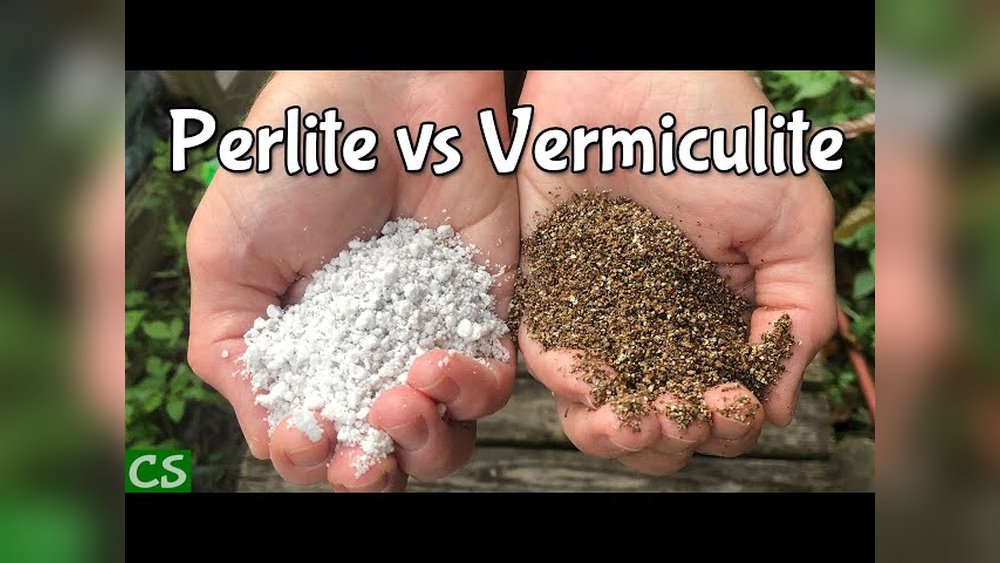
Are you confused about whether to use vermiculite or perlite for your plants? Choosing the right soil additive can make a big difference in how well your garden grows.
Both vermiculite and perlite improve soil, but they do it in very different ways. Understanding these differences will help you give your plants the best care possible. Keep reading, and you’ll discover exactly what sets vermiculite and perlite apart—and which one is the right fit for your gardening needs.
:max_bytes(150000):strip_icc()/SPR-vermiculite-vs-perlite-6455754-hero-1a2d3e14e0584fbaa4a990ebef1d494b.jpg)
Credit: www.thespruce.com
Vermiculite Basics
Understanding vermiculite helps you choose the right material for gardening and other uses. Vermiculite is a natural mineral that changes when heated. It becomes light and fluffy, making it useful in many ways.
Its unique features make it different from other materials like perlite. Learning about vermiculite basics gives a clear idea of its benefits and uses.
Origin And Composition
Vermiculite comes from natural minerals found in the earth. It is a type of mica that expands when heated. This expansion creates layers filled with air. These layers help hold water and nutrients. The mineral is mined and then heated to create the final product.
Physical Properties
Vermiculite is lightweight and soft to touch. It has a spongy texture and holds moisture well. It can absorb many times its weight in water. It also allows air to pass through easily. These properties make it good for plants and insulation.
Common Uses
Gardeners use vermiculite to improve soil. It helps soil keep moisture and nutrients. It also helps roots grow better. Vermiculite is used in seed starting and potting mixes. Outside gardening, it works as insulation in walls and ceilings. It also helps in packing fragile items safely.
Credit: spiderfarmer.eu
Perlite Basics
Perlite is a popular soil additive for gardeners and growers. It helps improve soil structure and drainage. This natural material is lightweight and easy to use in many planting situations.
Understanding perlite helps you choose the right soil amendment. It has unique features that make it different from vermiculite. Knowing its properties supports better plant growth.
Origin And Composition
Perlite is a volcanic glass formed from lava. It contains water trapped inside its structure. When heated, it expands like popcorn. This expansion creates tiny, porous particles.
The expanded particles are white and lightweight. They have a rough texture that holds air well. This makes perlite an excellent soil conditioner.
Physical Properties
Perlite particles are light and porous. They hold air but drain water quickly. This helps prevent soil compaction. The particles do not break down easily in soil. They remain stable for a long time.
Perlite is sterile and free of diseases. It does not add nutrients but improves soil aeration. This allows roots to breathe and absorb water better.
Common Uses
Gardeners mix perlite with potting soil to improve drainage. It is useful in seed starting and cuttings. Perlite helps prevent root rot by keeping soil airy.
It also finds use in hydroponics and soil-less mixes. Perlite is good for indoor plants and container gardening. Its lightweight nature makes it easy to handle.
Comparing Water Retention
Water retention plays a key role in choosing between vermiculite and perlite. Both materials affect how soil holds and releases moisture. Understanding their differences helps gardeners pick the right option for their plants.
Vermiculite’s Moisture Holding
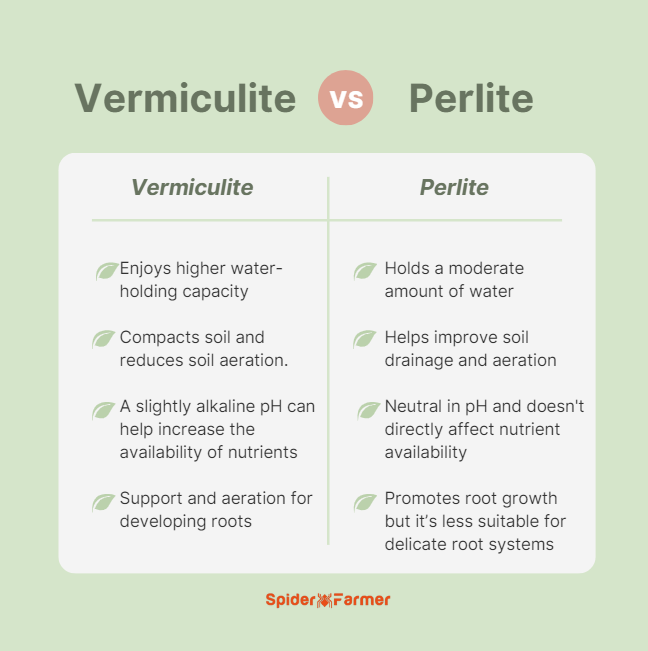
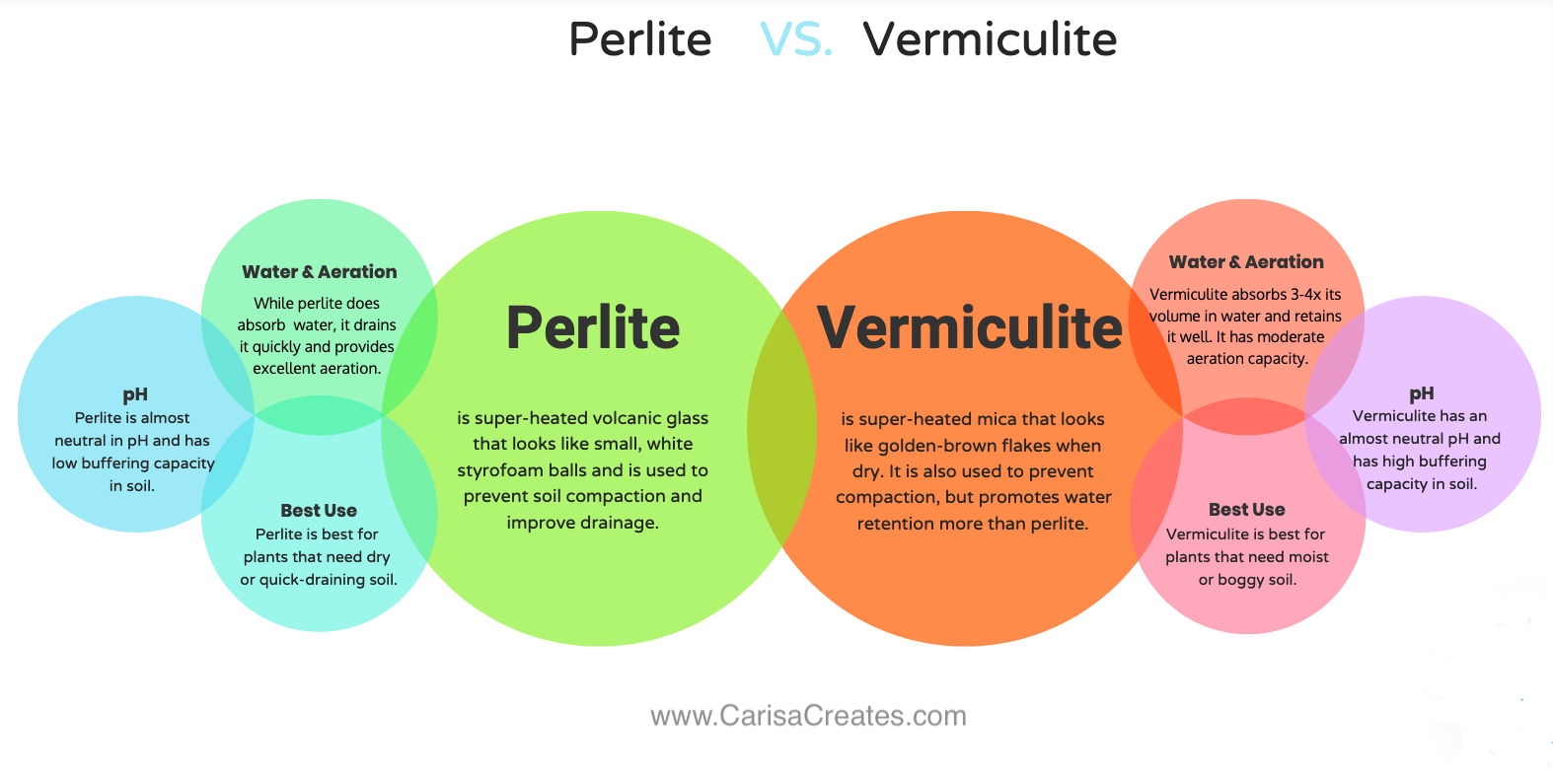
Vermiculite absorbs and holds a lot of water. It acts like a sponge inside the soil. This helps keep moisture near plant roots for longer. Vermiculite also stores nutrients well, releasing them slowly to plants. It suits plants that like consistent moisture without drying out.
Perlite’s Drainage Ability
Perlite drains water quickly and does not hold much moisture. It creates air pockets in the soil, improving airflow around roots. This helps prevent root rot and overwatering problems. Perlite is ideal for plants that need well-drained soil and less water retention.
Credit: carisacreates.com
Impact On Soil Aeration
Soil aeration plays a key role in plant health. It allows roots to breathe and grow well. Good aeration means air can move freely through the soil. This helps water drain and prevents soil from becoming too heavy or compact. Vermiculite and perlite both affect soil aeration but in different ways. Understanding these differences helps in choosing the right soil mix for your plants.
Aeration With Vermiculite
Vermiculite holds water and air inside its layers. It helps keep soil loose but also moist. This means roots get air but stay wet enough to grow. Vermiculite does not create many air pockets. It absorbs water like a sponge. So, it improves aeration but not as much as perlite. It works best in soils needing moisture and gentle aeration.
Aeration With Perlite
Perlite is lightweight and full of tiny air pockets. It keeps soil very loose and well-drained. This allows air to move easily around roots. Perlite does not hold water well. It helps prevent soil from becoming too wet or compact. It is ideal for plants that need excellent drainage and strong aeration. Perlite creates more space for air than vermiculite.
Effect On Plant Growth
Both vermiculite and perlite improve soil and help plants grow better. They change how water, air, and nutrients move around the roots. This affects plant growth in different ways. Knowing their effects helps choose the best one for your plants.
Benefits Of Vermiculite
Vermiculite holds water well. It keeps moisture close to plant roots. This helps plants stay hydrated longer. Vermiculite also stores nutrients and releases them slowly. Plants get steady food over time. It improves soil structure and makes roots grow strong. It is soft and light, so roots can spread easily.
Benefits Of Perlite
Perlite helps soil drain water fast. It stops water from staying too long and causing root rot. It adds air spaces in the soil. Roots get more oxygen and breathe better. This encourages healthy root growth. Perlite keeps the soil loose and easy to work with. It helps plants grow strong and healthy by avoiding overwatering problems.
Environmental And Safety Aspects
Environmental and safety aspects are key when choosing between vermiculite and perlite. Both materials affect the planet and user health in different ways. Understanding these differences helps gardeners and growers make better choices. This section explains the sustainability and safety of vermiculite and perlite clearly.
Sustainability Of Vermiculite
Vermiculite is a natural mineral mined from the earth. Mining can disturb land and wildlife habitats. Some vermiculite sources have been linked to asbestos contamination. This makes careful mining and testing essential. Vermiculite can be recycled in garden use but is not biodegradable. Using vermiculite from trusted suppliers reduces environmental risks.
Sustainability Of Perlite
Perlite is made by heating volcanic glass until it expands. The mining process impacts the environment by removing volcanic rock. The heating requires energy, adding to its carbon footprint. Perlite is inert and does not break down easily. It can be reused in gardens many times. Choosing suppliers with responsible mining helps lower perlite’s environmental impact.
Handling And Safety Tips
Both vermiculite and perlite create dust during handling. Dust can irritate eyes, skin, and lungs. Always wear a dust mask when working with these materials. Use gloves to protect your hands. Work in well-ventilated areas to reduce dust exposure. Keep vermiculite and perlite dry to avoid mold growth. Store them in sealed containers to prevent spills and dust.
Choosing Between Vermiculite And Perlite
Choosing between vermiculite and perlite depends on the needs of your plants and soil. Both materials improve soil quality but serve different purposes. Understanding their strengths helps you pick the right one. This choice affects water retention, aeration, and nutrient availability in your garden.
Best Uses For Vermiculite
Vermiculite holds water well. It is ideal for plants that need consistent moisture. Seed starting mixes benefit from vermiculite’s ability to keep soil damp. It also helps with nutrient retention, releasing minerals slowly to plants. Use vermiculite in potting soil for moisture-loving plants.
Best Uses For Perlite
Perlite improves soil aeration and drainage. It stops soil from becoming compacted. Use perlite for plants that need good airflow around roots. It is perfect for succulents and cacti. Perlite also lightens heavy clay soils, making them easier to work with.
Mixing Both For Optimal Results
Combine vermiculite and perlite for balanced soil. This mix retains moisture while allowing air to flow. Use equal parts in potting soil for most plants. It suits a wide range of garden and houseplants. Mixing both helps create a healthy root environment.
Conclusion
Vermiculite and perlite both help plants grow well. Vermiculite holds water and nutrients better. Perlite keeps soil light and drains water fast. Choosing depends on what your plants need most. Use vermiculite for moisture-loving plants. Use perlite if you want good soil air and drainage.
Both improve soil but serve different jobs. Knowing their differences helps your garden thrive. Simple choices make plant care easier and more effective.