What is Perlite And Vermiculite: Essential Benefits Explained
Are you curious about what perlite and vermiculite are and how they can transform your gardening or home projects? These two natural minerals might sound unfamiliar, but they play a huge role in making your plants healthier and your soil better.
Whether you’re a seasoned gardener or just starting out, understanding perlite and vermiculite can give you an edge. Keep reading to discover what makes these materials special and how they can benefit your plants and soil like never before.

Credit: www.supremeperlite.com
Perlite Basics
Perlite is a natural material used widely in gardening and construction. It helps improve soil and offers good insulation. Understanding its basics can guide its proper use.
Perlite is lightweight and porous, making it useful in many settings. It comes from volcanic glass and expands when heated. This process creates tiny air pockets inside.
Origin And Composition
Perlite forms from volcanic glass rich in water. When heated to high temperatures, it expands like popcorn. This expansion creates a white, lightweight material full of tiny holes.
The main components include silica, alumina, and water. These elements give perlite its unique, porous structure. It comes from volcanic areas around the world.
Physical Properties
Perlite is light and has a rough texture. It holds water well but drains excess moisture quickly. Its porous nature allows air to reach plant roots easily.
The material resists decay and does not break down over time. It is also sterile and free from harmful chemicals. These traits make it safe for plants and soil mixes.
Common Uses
Gardeners add perlite to soil to improve aeration and drainage. It helps roots grow strong by preventing waterlogging. Perlite is also used in seed starting mixes and potting soil blends.
In construction, perlite acts as insulation and lightweight filler. It is found in plaster, concrete, and roof materials. Its fire-resistant nature adds safety benefits to buildings.
:max_bytes(150000):strip_icc()/SPR-vermiculite-vs-perlite-6455754-hero-1a2d3e14e0584fbaa4a990ebef1d494b.jpg)
Credit: www.thespruce.com
Vermiculite Basics
Vermiculite is a natural mineral that expands when heated. It looks like small, lightweight flakes. These flakes hold water and air well. This makes vermiculite useful in gardening and construction. Its unique traits help plants grow and improve soil quality.
Vermiculite also has good insulation properties. It can absorb moisture and nutrients, slowly releasing them. This helps plants stay healthy longer. Understanding vermiculite’s basics reveals why it is popular in many fields.
Origin And Composition
Vermiculite comes from mica minerals found in the earth. It forms through natural heat and pressure over time. The mineral contains magnesium, iron, aluminum, and silica. These elements give vermiculite its special properties.
When heated, vermiculite expands many times its original size. This process creates tiny air pockets inside the flakes. These pockets trap water and air, making vermiculite lightweight and absorbent.
Physical Properties
Vermiculite is light and fluffy after heating. It has a soft texture and can hold water well. The flakes are fire-resistant and do not break easily. Vermiculite also resists decay and mold, lasting long in soil.
Its ability to hold air and water helps plant roots breathe and grow. Vermiculite does not change pH levels in soil. This makes it safe to use with different plants and seeds.
Common Uses
Gardeners add vermiculite to soil to improve water retention. It helps keep soil moist and aerated for roots. Vermiculite also works well in seed starting mixes and potting soil.
In construction, vermiculite acts as insulation in walls and roofs. It helps control temperature and reduce noise. Vermiculite also appears in packaging to protect fragile items during shipping.
Benefits For Gardening
Perlite and vermiculite are natural minerals often used in gardening. They improve soil and help plants grow better. Both materials offer unique benefits that support healthy roots and strong plants.
Soil Aeration And Drainage
Perlite helps keep soil light and airy. It creates spaces in the soil for air to reach roots. Good air flow is important for root health. Vermiculite also improves soil structure but holds more moisture. Using these minerals prevents soil from becoming heavy and compacted. Plants grow better in loose, well-drained soil.
Water Retention
Vermiculite absorbs water like a sponge. It holds moisture around the roots for longer. This helps plants during dry periods. Perlite holds less water but helps drain excess moisture. Both balance soil moisture, so roots get the right amount of water. This reduces the risk of overwatering or drought stress.
Nutrient Holding Capacity
Vermiculite can hold and release nutrients to plants. It stores minerals in the soil and makes them available for roots. Perlite does not hold nutrients but supports nutrient movement by improving drainage. Together, they help plants access food easily. Healthy nutrient flow leads to stronger, greener plants.
Benefits In Construction
Perlite and vermiculite are popular materials in construction. They offer many benefits that improve building quality and efficiency. Builders use these minerals to make structures safer and more comfortable. Their natural properties help reduce costs and increase durability.
Understanding the benefits of perlite and vermiculite can help builders choose better materials. These minerals provide solutions for common construction challenges.
Insulation Properties
Perlite and vermiculite have excellent insulation abilities. They help keep buildings warm in winter and cool in summer. This reduces the need for heating and cooling systems. Both materials resist heat transfer effectively. This property improves energy efficiency and lowers utility bills.
Their fire-resistant nature adds safety to homes and offices. Using these minerals can slow down the spread of fire. This feature is important for many building codes and regulations.
Lightweight Material Advantages
Both perlite and vermiculite are very light compared to other construction materials. This reduces the overall weight of walls and roofs. Lighter buildings put less stress on foundations and support structures. This can lower construction costs and speed up building time.
The lightweight nature also makes handling and transport easier. Workers can move and install materials faster with less effort. This improves safety and reduces labor costs on construction sites.
Differences Between Perlite And Vermiculite
Perlite and vermiculite are popular soil additives used in gardening and planting. Both improve soil quality but have distinct traits. Knowing their differences helps in choosing the right one for your plants.
Appearance And Texture
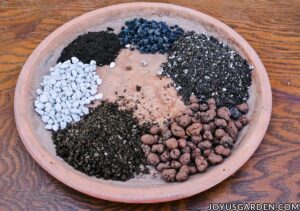
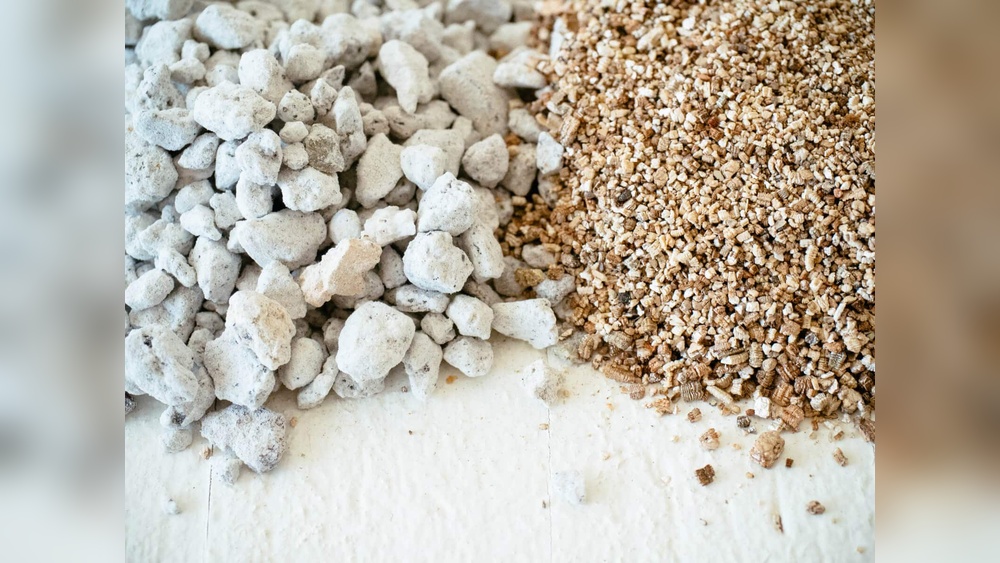
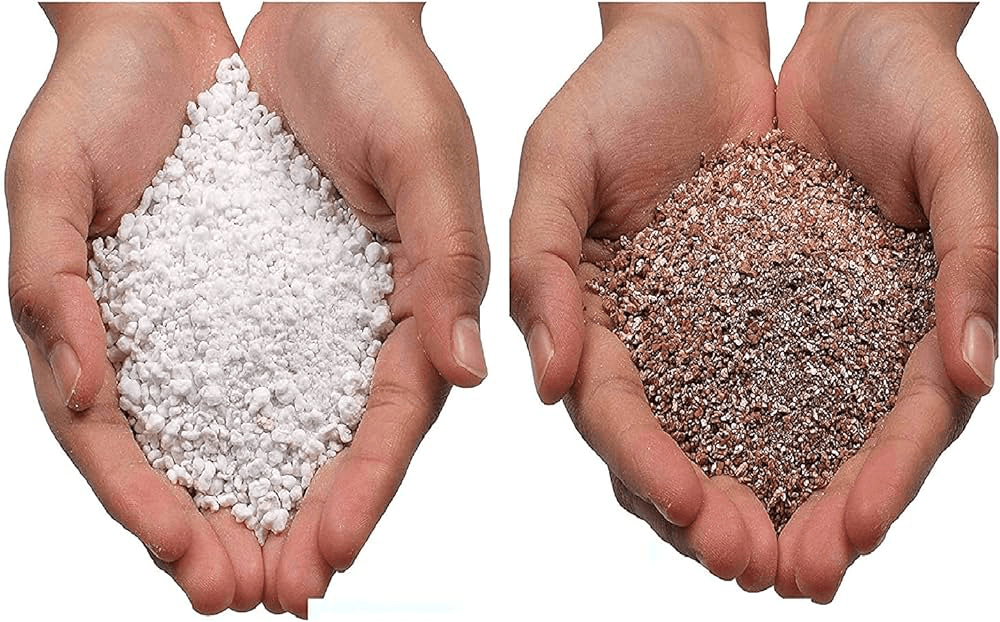
Perlite looks like small white balls. It is lightweight and rough to touch. Vermiculite has a shiny, golden-brown color. It feels soft and spongy. These textures affect how they mix with soil.
Water Retention Abilities
Perlite holds less water. It drains quickly and lets air flow. Vermiculite absorbs more water. It keeps moisture longer and releases it slowly. This makes vermiculite better for plants needing steady water.
Ideal Applications
Perlite works well for plants needing good drainage. It suits cactus and succulents. Vermiculite helps seeds and young plants grow. It is great for moisture-loving plants. Use each based on your plant’s water needs.
Credit: www.amolminechem.com
Choosing The Right Material
Choosing the right material between perlite and vermiculite matters for your project. Both have unique features that fit different uses. Knowing their strengths helps you pick the best option. This section explains how to choose based on your needs.
Gardening Needs
Perlite improves soil drainage and aeration. It keeps soil light and prevents compaction. This helps roots grow strong and healthy. Vermiculite holds water well and releases it slowly. It also adds minerals to the soil. Use perlite for plants needing dry soil. Use vermiculite for plants that like moisture.
Construction Requirements
Perlite is lightweight and fire-resistant. It works well in insulation and plaster. It also adds strength without extra weight. Vermiculite offers good heat insulation and soundproofing. It absorbs moisture but can break down over time. Choose perlite for dry areas and structural support. Choose vermiculite for moisture control and sound insulation.
Conclusion
Perlite and vermiculite both help plants grow better. Perlite improves soil drainage and airflow. Vermiculite holds water and nutrients well. Gardeners use them to make soil lighter and richer. Each has its special role in gardening. Choose based on your plants’ needs.
Both are natural and safe for your garden. Understanding these helps you care for plants easily. Try using them to see the difference. Simple steps can lead to healthier plants.