How to Use Coco Coir Bricks: Ultimate Guide for Garden Success
Are you looking for a natural, eco-friendly way to boost your gardening success? Coco coir bricks might be exactly what you need.
These compact blocks transform into rich, fluffy growing material that helps your plants thrive. But how do you use them correctly to get the best results? You’ll discover simple, step-by-step tips to turn coco coir bricks into a powerful tool for your garden.
Keep reading, and you’ll soon unlock a secret that makes growing healthier plants easier than ever.

Credit: www.youtube.com
Benefits Of Coco Coir
Coco coir bricks offer many benefits for gardeners and growers. They provide a natural and effective growing medium that supports healthy plant growth. Using coco coir helps improve soil quality and plant health. It is a versatile option suitable for many types of plants.
Eco-friendly Growing Medium
Coco coir is made from coconut husks, a renewable resource. It reduces waste by using parts of the coconut that are often discarded. Growing with coco coir lowers the need for peat moss, which harms peat bogs. This makes coco coir a sustainable choice for eco-friendly gardening.
Water Retention And Aeration
Coco coir holds water well, keeping plants hydrated longer. It also allows air to reach plant roots easily. This balance prevents overwatering and root rot. Plants grow stronger in coco coir due to better oxygen and moisture levels.
Nutrient Retention Properties
Coco coir retains nutrients effectively and releases them slowly to plants. This ensures plants get a steady supply of food. It also reduces the need for frequent fertilizing. Nutrient retention in coco coir supports healthy, steady plant growth.

Credit: cococoirglobal.com
Choosing The Right Coco Coir Brick
Choosing the right coco coir brick is important for your gardening success. Different bricks suit different needs and plants. Picking the best one helps your plants grow strong and healthy.
Types Of Coco Coir Bricks
Coco coir bricks come in several types. Some are made from pure coco peat. Others mix coco peat with fibers or chips. Pure coco peat bricks absorb water quickly. Bricks with fibers offer better air flow. Choose the type based on your plant and soil needs.
Quality Indicators
Good quality coco coir bricks break apart easily in water. They should not have a bad smell or visible dirt. The color should be light brown or golden. Avoid bricks that look moldy or feel slimy. High-quality bricks provide better drainage and nutrition for plants.
Sizing And Quantity
Bricks come in different sizes and weights. Small bricks suit small pots or seed starting. Large bricks work well for bigger gardens or multiple plants. Check the product label for how much soil one brick makes. Buy enough bricks to cover your planting area properly.
Preparing Coco Coir Bricks
Preparing coco coir bricks is the first step to using them effectively. These bricks are dry and compacted. They need proper treatment before planting. The process is simple but important for good soil quality. Follow these steps to prepare coco coir bricks correctly.
Soaking And Expanding
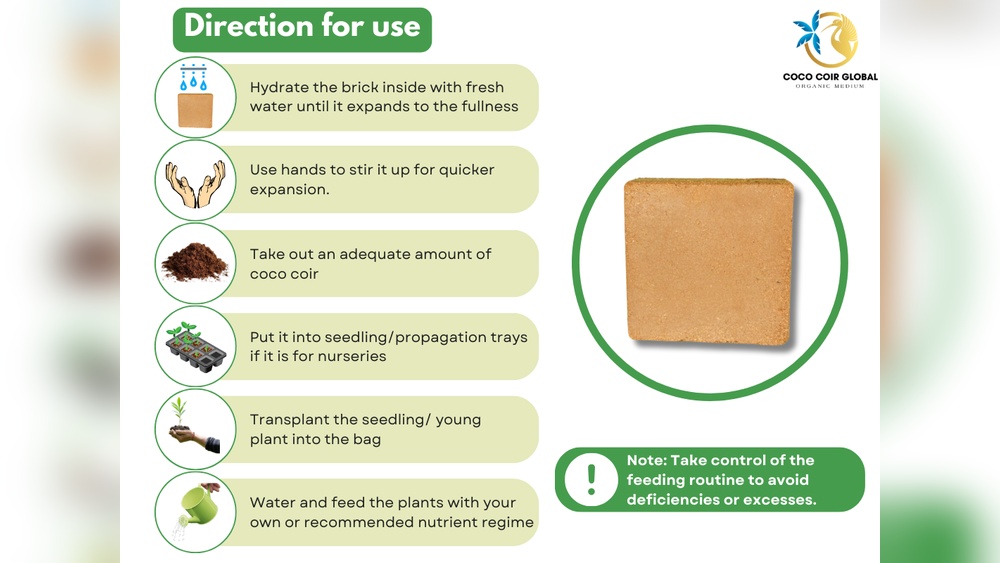
Place the coco coir brick in a large container. Add warm water to cover the brick completely. The brick will start to absorb water and expand. Wait about 20 to 30 minutes for full expansion. The brick will turn into loose, fluffy coir after soaking.
Fluffing And Breaking Up
Use your hands or a tool to break up the expanded coir. Fluff it to remove any clumps or hard parts. This helps air circulate through the coir. Fluffed coir provides better root growth and drainage. Make sure the texture is soft and even.
Adjusting Ph Levels
Check the pH of the soaked coir using a testing kit. Coco coir usually has a neutral to slightly acidic pH. Adjust the pH to around 5.5 to 6.5 for most plants. Use lime or sulfur to raise or lower the pH as needed. Proper pH ensures better nutrient uptake and plant health.
Using Coco Coir In Different Garden Setups
Coco coir bricks are a versatile growing medium. They suit many garden setups. This section explains how to use coco coir in various ways. Each method helps plants grow strong and healthy. Coco coir holds water well. It also provides good air flow to roots. These qualities make it a favorite for gardeners.
Seed Starting And Propagation
Coco coir is perfect for starting seeds. It keeps moisture steady around young roots. This helps seeds sprout faster. Use small trays or pots with coco coir. Moisten the coir before planting seeds. The soft texture lets roots grow easily. It also reduces the risk of disease. Seedlings develop strong roots in coco coir.
Container Gardening
Use coco coir for container plants. It drains excess water well. This stops root rot in pots. Mix coco coir with compost for nutrients. It helps keep soil light and fluffy. Plants get enough air and water. Coco coir also holds nutrients for longer. Your container plants will stay healthy and grow better.
Hydroponic Systems
Coco coir works well in hydroponics. It supports plant roots without soil. The coir holds moisture and oxygen equally. This balance is important for hydroponic growth. Use coco coir as a growing medium in trays or buckets. It allows easy root expansion. Coco coir is reusable after cleaning. It is a natural, eco-friendly choice for hydroponics.
Soil Amendment
Add coco coir to garden soil to improve it. It increases water retention in sandy soil. It also improves drainage in heavy clay soil. Mix coco coir evenly with garden soil. This creates a balanced environment for roots. Plants absorb nutrients better in amended soil. Coco coir helps soil stay loose and healthy. This supports strong plant growth all season.
Maintaining Coco Coir For Optimal Growth
Maintaining coco coir is key for healthy plant growth. Proper care helps roots breathe and absorb water well. It also keeps the coir from breaking down too fast. Good maintenance means better yields and stronger plants.
Simple steps can keep your coco coir in top shape. Focus on watering, nutrients, and preventing soil problems. These will help your plants thrive and grow evenly.
Watering Tips
Water coco coir evenly. Avoid letting it dry out completely. Too much water can drown roots. Too little water makes plants weak. Check moisture by feeling the coir. Water when it feels just damp, not soggy.
Use clean, pH-balanced water. Ideal pH for coco coir is 5.5 to 6.5. This range helps plants absorb nutrients well. Water often but in small amounts. This keeps the coir moist and airy.
Nutrient Management
Coco coir holds little natural nutrients. Feed plants regularly with balanced fertilizers. Use nutrient mixes made for coco coir growing. Follow instructions carefully to avoid overfeeding. Excess nutrients can harm roots.
Flush coco coir with water every few weeks. This removes salt build-up from fertilizers. Salt can block root absorption and stunt growth. Keep nutrient levels steady and plants will stay healthy.
Preventing Compaction
Compacted coco coir limits air and water flow. Roots need loose, fluffy coir to grow well. Avoid packing coir too tightly in pots. Gently fluff the coir before planting.
Use tools like a small rake or fork to aerate coir. Do this every few weeks. Proper aeration improves root health and nutrient uptake. Loose coir encourages strong, healthy root systems.
Troubleshooting Common Issues
Using coco coir bricks is simple, but some common issues might appear. Knowing how to fix these problems keeps your plants healthy. Below are easy tips to handle typical troubles.
Salt Buildup
Salt buildup happens when minerals collect in the coir. This can harm roots and slow plant growth. To stop this, rinse the coir with fresh water before use. Flush the coir with water regularly to remove extra salts. Use good quality water to avoid adding more salts.
Mold And Fungal Growth
Mold grows in moist, warm coco coir. It may smell bad and harm plants. Keep the coir dry between watering. Ensure good air flow around your plants. Remove any moldy coir and replace it if needed. Use a mild fungicide if mold persists.
Drainage Problems
Poor drainage causes water to stay in the coir, hurting roots. Make sure the container has enough holes for water to escape. Avoid packing the coir too tightly, which blocks water flow. Add perlite or sand to improve drainage if needed. Always check that water drains quickly after watering.
Storing And Reusing Coco Coir
Coco coir bricks are popular for gardening and planting. Storing and reusing them saves money and helps the environment. Proper care keeps coco coir fresh and ready for future use. This section explains how to store, clean, and reuse coco coir bricks effectively.
Proper Storage Techniques
Keep coco coir bricks in a dry place. Avoid moisture to prevent mold and decay. Store bricks in a sealed plastic bag or container. A cool, dark spot works best for storage. Proper storage maintains the coir’s quality over time. Avoid direct sunlight to prevent drying out.
Cleaning And Rehydrating
Used coco coir may contain salts and debris. Rinse the coir with clean water to remove unwanted materials. Soak the coir in fresh water for a few hours. This helps restore moisture and softness. Drain excess water before use. Clean coir supports healthy plant growth.
Longevity And Reusability
Coco coir bricks can last for several growing cycles. Proper cleaning and storage extend their life. Reused coir may need nutrient replenishment. Mix fresh fertilizers or compost to boost nutrients. Regularly check coir for signs of wear or mold. Replace it when it becomes too compacted or damaged.

Credit: www.youtube.com
Conclusion
Coco coir bricks offer a natural and easy way to grow plants. They hold water well and help roots breathe. Simply soak the bricks in water until they expand. Use them in pots or garden beds for better soil. They reduce waste and last a long time.
Many gardeners enjoy their lightweight and eco-friendly nature. Try coco coir bricks to support healthy plant growth. A simple step for greener gardening.