How to Use Seed Starting Trays: Easy Steps for Thriving Seedlings
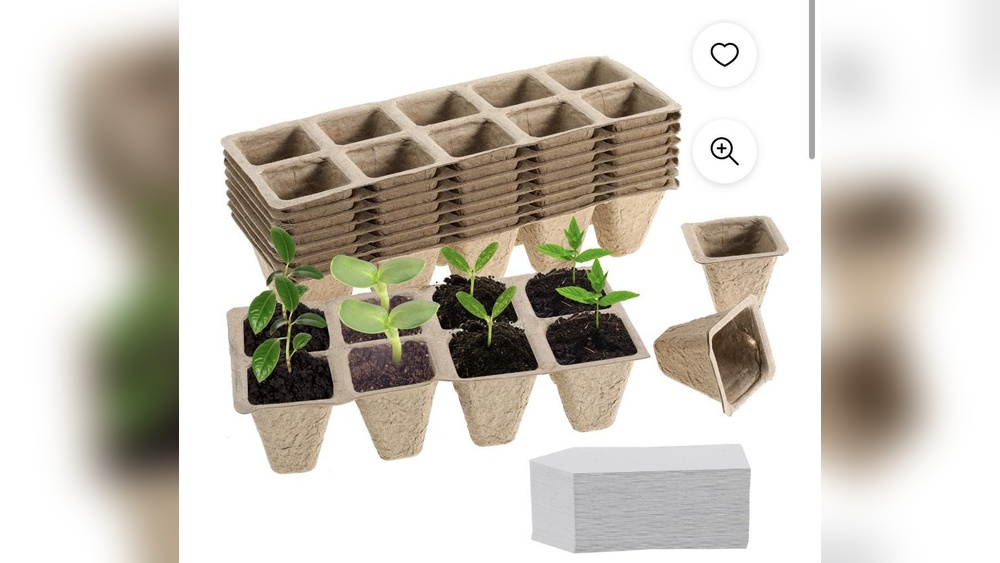
Starting seeds is an exciting part of gardening. Using seed starting trays helps plants grow strong from the start. If you want to grow flowers, vegetables, or herbs, seed trays make it easier.
What Are Seed Starting Trays?
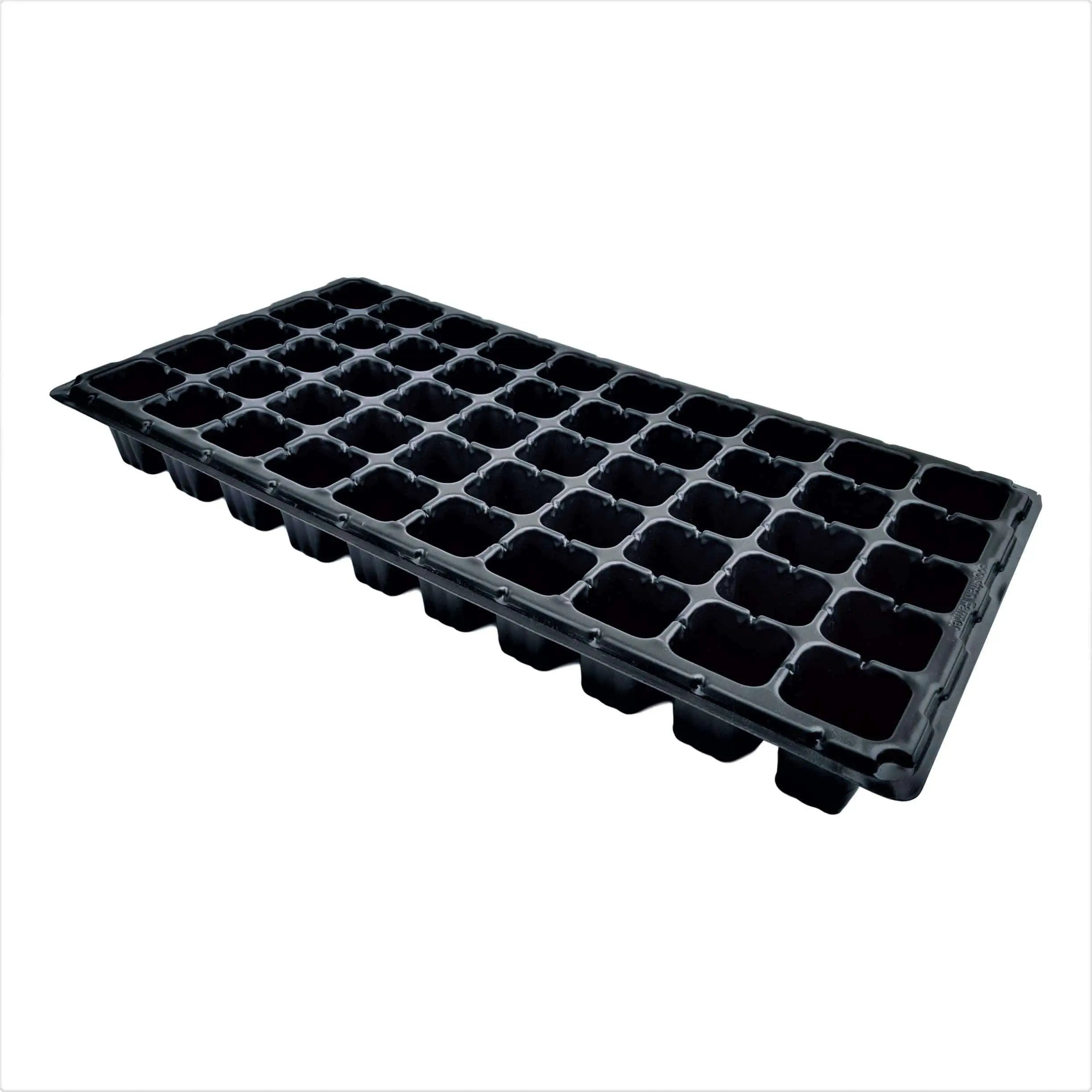
Seed starting trays are shallow containers with many small cells. Each cell holds soil and one or more seeds. They keep seeds safe and help them grow into seedlings. You can find trays made of plastic or biodegradable material.
Why Use Seed Starting Trays?
- Better control: You can give each seed the right soil and water.
- Space saving: Trays hold many seeds in a small area.
- Easy transplant: Seedlings can move to the garden without damage.
- Healthy roots: Each plant grows its own root system.
What You Need Before Starting
| Item | Purpose |
|---|---|
| Seed Starting Tray | Holds the soil and seeds |
| Seed Starting Mix | Light, clean soil for seed growth |
| Seeds | Plants you want to grow |
| Watering Can or Spray Bottle | Keeps soil moist without washing seeds away |
| Humidity Dome (optional) | Keeps moisture and warmth for seeds |
| Light Source | Helps seedlings grow strong (sun or grow light) |
Step-by-Step Guide to Using Seed Starting Trays
1. Prepare The Seed Starting Mix
Use a special seed starting mix. It is light and drains well. Avoid garden soil because it may have bugs or diseases.
Moisten the mix before filling the tray. The soil should be damp but not soaking wet. This helps seeds stay moist and start growing.
2. Fill The Tray With Soil
Fill each cell of the tray with the moist seed starting mix. Do not press the soil too hard. Just fill it gently and leave a little space at the top.
3. Plant The Seeds
Check the seed packet for planting depth. Usually, seeds go 2 to 3 times as deep as their size. For example, a small seed goes 1/4 inch deep.
Place one or two seeds in each cell. If you use more, seedlings may crowd each other. Cover seeds lightly with soil after placing them.
4. Water The Seeds
Use a spray bottle or gentle watering can to wet the soil. Water slowly to avoid moving seeds. The soil should stay moist but not soggy.
5. Cover The Tray
Put a clear plastic dome over the tray if you have one. This keeps humidity and warmth inside. Seeds need warmth and moisture to sprout well.
6. Place The Tray In A Warm Spot
Most seeds grow best at 65 to 75 degrees Fahrenheit (18 to 24°C). A warm window or near a heater works well. Avoid cold places or direct hot sun.
7. Check Daily And Keep Soil Moist
Look at your tray every day. Spray water if soil feels dry. Remove the dome once seedlings start to appear. This helps air reach the plants and stops mold.
8. Provide Light
Seedlings need light to grow strong. Place the tray where it gets 12 to 16 hours of light daily. If you don’t have enough sunlight, use a grow light above the tray.
9. Thin The Seedlings
If more than one seed grows in a cell, pick the strongest seedling. Cut or pinch the weaker ones near soil level. This gives space for the best plants to grow.
10. Prepare For Transplanting
When seedlings have 2 to 4 true leaves, they are ready to move. Hardening off is important. Put seedlings outside for a few hours a day. Increase time slowly over 7 to 10 days.
Tips for Success with Seed Starting Trays
- Use clean trays: Wash trays before use to avoid diseases.
- Label your seeds: Write seed names and date on tape or tags.
- Do not overwater: Too much water can cause seeds to rot.
- Keep temperature steady: Sudden cold or heat can stop growth.
- Be patient: Some seeds take longer to sprout than others.

Credit: www.amazon.com
Credit: www.bootstrapfarmer.com
Common Mistakes to Avoid
| Mistake | Why It Happens | How to Fix |
|---|---|---|
| Seeds too deep | Seeds can’t reach the surface | Follow seed packet depth instructions |
| Overwatering | Soil stays soggy, seeds rot | Water lightly and check soil moisture |
| No light | Seedlings grow tall and weak | Use bright light or grow lights |
| Not thinning seedlings | Crowded plants compete for space | Remove weak seedlings early |
| Skipping hardening off | Seedlings shock outside and die | Gradually expose seedlings to outside |
How Long Should Seedlings Stay in Trays?
Seedlings usually stay in trays for 4 to 8 weeks. It depends on the plant type and growth speed. Watch for strong roots and leaves before transplanting.
If roots grow out of the cells’ bottom, it’s time to move plants to bigger pots or garden soil.
Watering Seed Trays: Best Practices
Water from the top gently or from the bottom. Bottom watering means filling a tray or saucer with water and letting soil soak it up. This helps avoid washing seeds away.
Keep soil moist but not wet. Dry soil stops seed growth. Too much water causes mold or rot.
What to Do After Transplanting Seedlings
- Water seedlings well after moving to new soil.
- Plant in a shaded spot first to avoid sunburn.
- Keep soil moist but allow some drying between waterings.
- Watch for pests or diseases and act quickly.
Final Thoughts
Using seed starting trays is a smart way to grow plants. They help control soil, water, and space. With patience and care, your seeds will sprout healthy seedlings.
Remember to keep soil moist, provide light, and transplant seedlings carefully. Soon, you will enjoy fresh plants from your own seeds. Happy gardening!
Frequently Asked Questions
How Long Should Seedlings Stay In Starter Trays?
Seedlings should stay in starter trays for 2 to 4 weeks. Transplant when true leaves appear and roots fill cells.
How Do You Use A Seed Sprouting Tray?
Fill the tray with moist seed-starting mix. Sow seeds at recommended depth and cover lightly. Keep soil moist and warm. Use a humidity dome until seeds sprout. Provide bright light and air circulation. Transplant seedlings when strong enough.
Should I Put Water In The Bottom Of A Seed Tray?
Yes, add water to the bottom of a seed tray to let soil absorb moisture evenly. Avoid overwatering to prevent seed rot.
How Many Seeds Do You Put In A Seedling Tray?
Place two to three seeds per cell in a modular seedling tray. Adjust quantity based on seed size and growth reliability. For non-modular trays, follow the seed packet spacing instructions. Avoid overcrowding to ensure healthy seedling development and easy transplanting.