What to Plant in Grow Bags: Top Easy & Productive Choices
Are you ready to transform your gardening space with grow bags but unsure what to plant? Grow bags are a fantastic way to grow fresh vegetables, herbs, and even fruits, no matter how much space you have.
Whether you’re working with a balcony, small patio, or limited yard, grow bags let you create a thriving garden right at your fingertips. You’ll discover the best plants that flourish in grow bags, how to choose the right sizes, and simple tips to maximize your harvest.
Keep reading to unlock the secrets of successful grow bag gardening and start growing your own vibrant, healthy produce today!
Best Vegetables For Grow Bags
Grow bags offer a flexible way to cultivate many vegetables. They suit small spaces and patios well. Choosing the right vegetables ensures a healthy, productive garden. Some plants thrive better in grow bags due to root space and soil control. Compact and bushy vegetables work best. Large grow bags support bigger, thirsty plants with deep roots. Below are some top vegetable choices to plant in grow bags.
Leafy Greens
Leafy greens grow fast and need little space. Lettuce, spinach, kale, Swiss chard, and arugula do well. These plants give multiple harvests in a season. They prefer cooler temperatures and moist soil. Grow bags help keep soil fresh and roots healthy. Leafy greens are good for beginners and provide fresh salads.
Root Vegetables
Root vegetables fit well in deep grow bags. Carrots, radishes, and beets grow straight and long. They need loose soil for roots to expand. Potatoes also thrive in grow bags. Bags allow easy digging and harvesting. Choose bags at least 12 inches deep for roots. Rotate crops to keep soil healthy and free of pests.
Fruit-bearing Plants
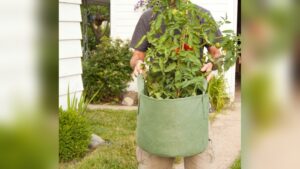
Fruit-bearing plants need larger grow bags with rich soil. Tomatoes, peppers, and cucumbers are popular choices. These plants need support like stakes or cages. They require regular watering and feeding. Grow bags help control soil quality and drainage. Harvest fresh fruits right from your porch or balcony. These plants bring color and flavor to your garden.

Credit: growinginthegarden.com
Top Herbs To Grow
Grow bags offer a flexible and convenient way to cultivate herbs at home. They save space and improve root aeration. Choosing the right herbs ensures a thriving mini garden. Herbs suit grow bags well because many have compact root systems. The right selection can enhance your cooking and home aroma.
Culinary Herbs
Basil is a popular choice with vibrant leaves and sweet flavor. Parsley grows well and adds freshness to many dishes. Cilantro thrives in cooler weather and is great for salads and salsas. Chives are easy to grow and provide a mild onion taste. Thyme offers strong flavor and stays compact, perfect for small spaces. Rosemary needs good sunlight and adds a piney taste to meals.
Aromatic Herbs
Lavender is a fragrant herb that attracts pollinators and calms the mind. Mint grows rapidly and can spread quickly, so grow bags help control it. Lemon balm has a fresh citrus scent and soothes teas and desserts. Sage has a strong aroma and complements many dishes and herbal remedies. Oregano is hardy and fills your garden with a warm, earthy scent. These herbs create a pleasant atmosphere indoors and outdoors.
Choosing The Right Grow Bag Size
Choosing the right grow bag size is key for healthy plants and good harvests. Grow bags come in various sizes to fit different plant needs. Picking the right size helps roots grow well and prevents water stress. Small plants need less space, while bigger plants require more room for roots. Understanding which size suits your plants improves growth and yield.
Small Bags For Herbs And Greens
Small grow bags work well for herbs and leafy greens. These plants have shallow roots and do not need deep soil. Herbs like basil, parsley, and cilantro thrive in 1 to 3-gallon bags. Leafy greens such as lettuce and spinach also do well in small bags. These bags save space and are easy to move. They keep soil moist without overwatering.
Large Bags For Tomatoes And Squash
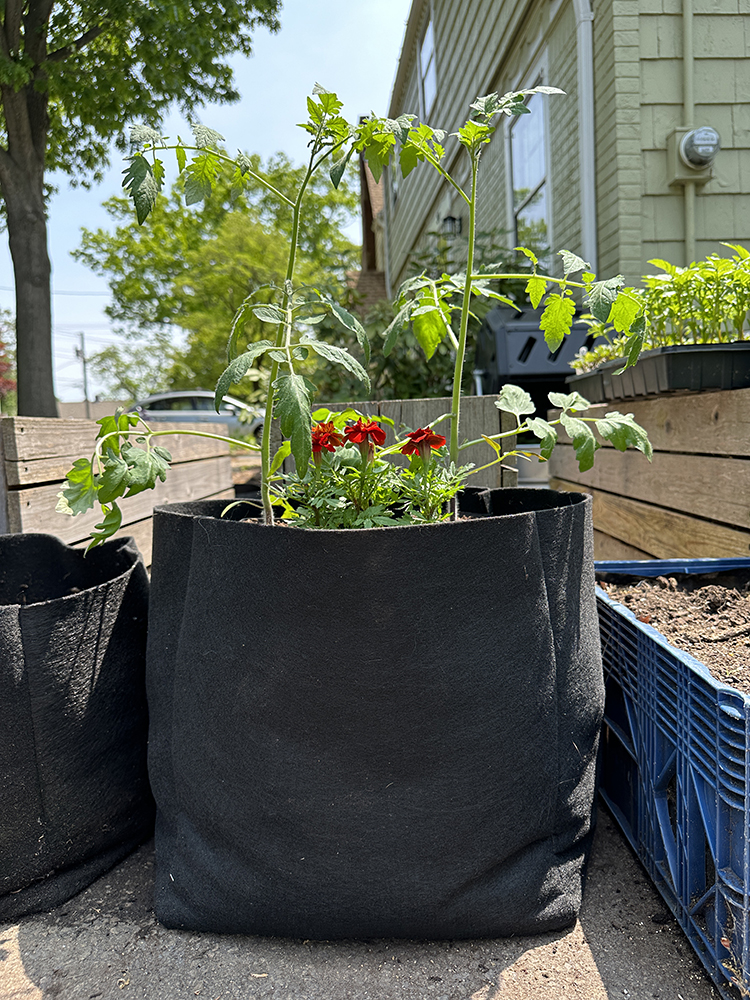
Large grow bags suit big plants with deep roots. Tomatoes and squash need 10 to 20-gallon bags or more. These plants grow large and need room for strong root systems. Bigger bags hold more soil, which retains moisture longer. This helps plants stay hydrated and healthy. Large bags also support heavy fruit without tipping over.
Soil And Drainage Tips
Choosing the right soil and ensuring proper drainage are key for successful grow bag gardening. Healthy soil provides nutrients and supports root growth. Good drainage prevents waterlogging and root rot, keeping plants strong.
Use a light, well-aerated soil mix. It helps roots breathe and absorb water evenly. Avoid heavy garden soil that can compact and block drainage.
Choosing The Right Soil Mix
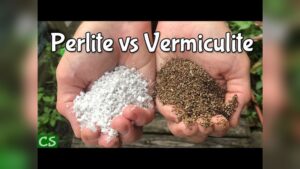
Pick a soil mix designed for containers or raised beds. These mixes often include peat, coco coir, and perlite. They hold moisture but drain well. Adding compost boosts nutrients and improves soil structure.
Ensuring Proper Drainage
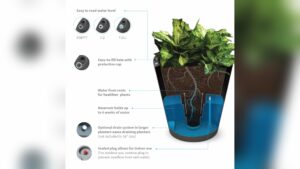
Grow bags usually have built-in drainage, but extra care helps. Place grow bags on a raised surface or tray with holes. This allows excess water to escape freely. Avoid letting water sit under the bag to stop root rot.
Maintaining Soil Moisture
Water grow bags regularly but avoid overwatering. Soil should feel moist, not soggy. Mulch the soil surface with straw or shredded leaves. Mulch reduces evaporation and keeps soil temperature steady.
Watering And Feeding Plants
Watering and feeding plants in grow bags is crucial for healthy growth. Grow bags dry out faster than garden soil. They need regular watering to keep plants hydrated. Proper feeding ensures plants get enough nutrients for strong roots and good yields.
Watering should be consistent and measured. Overwatering can cause root rot, while underwatering stresses plants. Feeding requires balanced fertilizer with essential nutrients. Organic options support soil life inside the bag.
How To Water Plants In Grow Bags
Check the soil moisture daily by touching the surface. Water deeply until it drains from the bag’s bottom. Early morning watering reduces evaporation and fungal problems. Use a watering can or drip irrigation for even moisture. Avoid letting the soil dry out completely between watering.
Best Fertilizers For Grow Bags
Choose slow-release fertilizers for steady feeding over weeks. Organic compost or worm castings improve soil health and nutrient supply. Liquid fertilizers provide quick nutrient boosts during growth phases. Follow package instructions to avoid overfeeding and burning roots. Replenish fertilizer every few weeks during the growing season.
Signs Of Watering And Feeding Issues
Wilting leaves indicate lack of water or root damage. Yellowing leaves may signal nutrient deficiency or overwatering. Stunted growth suggests poor feeding or compacted soil. Adjust watering schedule and add fertilizer as needed. Monitor plants closely to catch problems early.
Planting Techniques For Grow Bags
Planting in grow bags requires special attention to soil depth and plant compatibility. Choosing the right technique helps plants thrive and produce more. Grow bags offer flexibility, but understanding root needs and plant pairings is key. Proper planting ensures healthy growth and easier care.
Shallow Vs Deep Rooted Plants
Grow bags vary in size and depth to suit plant roots. Shallow-rooted plants like lettuce, spinach, and herbs need less soil depth. Use wide, shallow bags for these plants to spread their roots easily. Deep-rooted plants such as carrots, potatoes, and tomatoes need taller bags. These plants require more space for roots to grow down. Matching bag depth to root length prevents crowding and improves growth.
Companion Planting Ideas
Companion planting works well in grow bags to save space and boost growth. Plant tomatoes with basil or onions to reduce pests naturally. Pair carrots with lettuce or radishes to use space efficiently. Avoid planting plants that compete for nutrients or attract pests together. Thoughtful companion planting helps plants grow stronger and healthier in limited space.
Common Challenges And Solutions
Gardening in grow bags offers many benefits but also presents some common challenges. Knowing these issues helps keep plants healthy and productive. Simple solutions can prevent problems and improve growth. Below are key challenges and how to handle them effectively.
Pest Control
Pests can quickly damage plants in grow bags. Regularly check leaves and stems for insects. Use natural pest repellents like neem oil or soapy water spray. Encourage beneficial insects such as ladybugs to keep pests in check. Remove any heavily infested leaves to stop spread. Keep the area around grow bags clean to reduce hiding spots.
Preventing Overwatering
Grow bags drain well but can still hold too much water. Overwatering causes root rot and weak plants. Water only when the top inch of soil feels dry. Use bags with good drainage holes and place them on a raised surface. Avoid watering on a fixed schedule; adjust based on weather and plant needs. Adding mulch helps keep moisture balanced.
Seasonal Planting Suggestions
Choosing the right plants for grow bags depends on the season. Seasonal planting ensures healthy growth and better yields. Different plants thrive in different weather and temperatures. Grow bags offer flexibility for changing crops throughout the year. Below are some seasonal planting suggestions to maximize your grow bag garden.
Spring And Summer Choices
Spring and summer bring warmth and longer daylight. Warm-season vegetables do well in grow bags at this time. Tomatoes are a popular choice, especially smaller varieties like cherry tomatoes. Peppers also thrive, adding color and flavor to your garden.
Leafy greens such as lettuce and spinach grow quickly in early spring. These can be harvested multiple times. Herbs like basil and cilantro enjoy the warmth and grow well in grow bags. Root vegetables like carrots and radishes also perform well if the bags are deep enough.
Fall And Winter Options
Cooler temperatures arrive in fall and winter. Cool-season crops suit this period best. Kale and Swiss chard remain green and nutritious in colder months. Leafy greens such as arugula and spinach tolerate frost and grow steadily.
Root vegetables like beets and carrots can be planted in early fall. Onions and garlic also do well in grow bags during winter. Herbs like thyme and parsley survive cool weather and add flavor to meals. These options keep your garden productive year-round.
Maximizing Yield In Small Spaces
Maximizing yield in small spaces is essential for urban gardeners and those with limited outdoor areas. Grow bags provide a flexible and effective way to cultivate a variety of plants without needing large garden beds. They allow gardeners to use every inch wisely, making it possible to produce a good harvest even in tight spots.
Using smart planting techniques in grow bags can increase the amount of food grown. Careful planning helps ensure plants get enough sunlight, water, and nutrients. This leads to healthier plants and more abundant crops.
Vertical Gardening With Grow Bags
Vertical gardening saves ground space by growing plants upward. Hanging grow bags or stacking them on shelves can create a green wall. This method works well for vining plants like peas, cucumbers, and tomatoes.
Vertical setups improve air circulation and make harvesting easier. They also reduce pest problems by keeping plants off the ground. Using vertical grow bags increases the number of plants you can grow in a small area.
Succession Planting
Succession planting keeps your garden producing all season long. After harvesting one crop, plant another in its place. This method uses grow bag space efficiently and avoids empty soil.
Fast-growing plants like lettuce and radishes are great for succession planting. You can follow slow growers like tomatoes with quick crops. This approach maximizes yield and keeps your grow bags full.
Credit: www.incolororder.com

Credit: vjmaterialsmart.com
Conclusion
Grow bags offer a flexible way to grow many plants. Choose compact vegetables and herbs for best results. Deep bags suit root crops like carrots and potatoes. Water regularly to keep plants healthy and growing. Experiment with different plants to find what works for you.
Growing in bags saves space and can improve soil drainage. Enjoy fresh, homegrown produce even with limited garden space. Start small, and watch your grow bag garden thrive.