What are Grow Bags Made of: Surprising Materials Explained
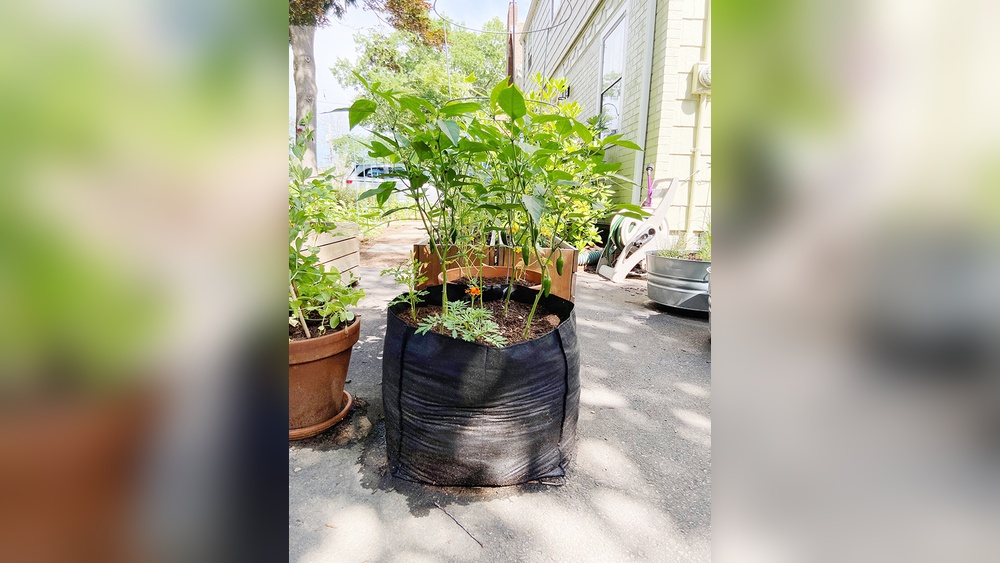
If you’re curious about grow bags and wondering what they’re really made of, you’re in the right place. Understanding the materials behind grow bags is key to knowing how they work and whether they’re the right choice for your garden.
You might be asking yourself: Are grow bags safe? Are they durable? And how do they affect your plants’ health? This article will break down the most common materials used in grow bags, explain their benefits and drawbacks, and help you make an informed decision for your gardening needs.
Common Materials For Grow Bags
Grow bags come in different materials, each with unique features. Choosing the right material affects plant health and bag durability. Common materials balance breathability, strength, and environmental impact. Here are the most popular options used for grow bags today.
Polypropylene Fabric
Polypropylene is a lightweight, strong fabric widely used for grow bags. It is breathable, allowing air to reach plant roots and prevent overwatering. This fabric is durable and resists tearing, making it ideal for repeated use. Polypropylene bags also dry quickly, reducing the risk of root rot. Many polypropylene grow bags are food-safe and free from harmful chemicals.
Polyethylene From Recycled Plastics
Some grow bags use polyethylene made from recycled plastic bottles. This material is sturdy and helps reduce plastic waste. It is less breathable than polypropylene but offers good moisture retention. Polyethylene bags often have a smooth surface, which resists dirt and stains. Using recycled plastics supports eco-friendly gardening practices without sacrificing quality.
Biodegradable Options
Biodegradable grow bags are made from natural fibers like coconut coir or jute. These bags break down over time, enriching the soil as they decompose. They provide excellent aeration and drainage for plant roots. Biodegradable bags suit gardeners who prefer sustainable, zero-waste products. These bags may not last as long but offer a natural way to grow plants.

Credit: www.amazon.com
Advantages Of Fabric Grow Bags
Fabric grow bags offer unique benefits that appeal to gardeners of all levels. Their design improves plant growth by supporting healthier roots and better soil conditions. These bags also make gardening more convenient and environmentally friendly. Understanding their advantages can help you choose the right container for your plants.
Breathability And Root Health
Fabric grow bags allow air to flow through the sides. This breathability keeps roots from becoming waterlogged. Roots get enough oxygen, which helps them grow stronger. The fabric also prevents roots from circling and becoming root-bound. Plants develop a healthier root system that supports better growth and yields.
Lightweight And Portable
Fabric grow bags weigh less than traditional pots. This makes moving them easier, even when filled with soil. You can change their location to follow sunlight or protect plants from harsh weather. Their soft sides make storage simple when not in use. Gardeners enjoy the flexibility these bags provide.
Eco-friendly Choices
Many fabric grow bags use recycled materials, like polypropylene or polyethylene. These materials reduce waste and lower plastic use. Fabric bags often last several growing seasons, cutting down on single-use containers. Choosing fabric grow bags supports greener gardening practices and helps protect the environment.
Drawbacks Of Grow Bags
Grow bags offer many benefits for gardeners, but they also have some drawbacks. Understanding these downsides helps gardeners make better choices for their plants. Grow bags need special care and attention to avoid common problems.
Frequent Watering Needs
Grow bags are made from breathable fabric. This makes soil dry out faster than in plastic pots. Plants in grow bags need watering more often. Skipping watering can stress plants or stunt growth.
Susceptibility To Ripping
Fabric grow bags can tear easily, especially low-quality ones. Sharp tools or rough handling can cause rips. A torn bag may lose soil and harm plants. Gardeners must handle grow bags carefully to avoid damage.
Soil Hydrophobicity Issues
If soil inside a grow bag dries out completely, it becomes hydrophobic. Water then runs off the soil surface without soaking in. This makes re-watering difficult and wastes water. Slow, gentle watering helps prevent this problem.
Aesthetic Limitations
Grow bags often lack the decorative appeal of ceramic or plastic pots. Their simple fabric look may not suit all garden styles. Some gardeners find grow bags less attractive in patios or indoor spaces.
Durability And Stability Factors
Durability and stability are key factors in choosing grow bags. These bags must hold soil and plants securely for the entire growing season. They should resist damage from weather, handling, and root growth. The material used affects how long the bag lasts and how well it supports plants. Understanding these factors helps gardeners pick the right grow bags for their needs.
Wear And Tear Over Time
Grow bags face constant exposure to sunlight, water, and soil. This exposure can weaken the fabric fibers gradually. Bags made from heavy-duty materials like polypropylene last longer. Lower-quality bags may rip or tear after a few uses. Good quality bags resist fading and fraying. Choosing durable fabric helps prevent leaks and spills.
Root Penetration Concerns
Roots often grow toward the bag edges. Thin or weak fabric may allow roots to push through. This can damage plants and reduce stability. Strong, tightly woven fabrics stop roots from escaping. Some bags have double layers for extra protection. Proper material keeps roots healthy and contained.
Handling When Full
Grow bags become heavy when filled with soil and plants. The handles and fabric must support this weight. Poor stitching or thin handles can tear under pressure. Bags with reinforced handles offer safer lifting and moving. Stability while handling prevents accidents and soil loss.
Environmental Impact
Grow bags impact the environment depending on their material and lifespan. Choosing the right grow bag can reduce waste and pollution. Understanding the environmental effects helps gardeners make better decisions.
Use Of Recycled Materials
Many grow bags use recycled plastics like polypropylene or polyethylene. These materials come from plastic bottles and other waste. Recycling reduces the need for new plastic production. It also keeps plastic out of landfills and oceans. Using recycled materials lowers the environmental footprint of grow bags.
Biodegradable Alternatives
Some grow bags are made from natural fibers like coconut coir or jute. These materials break down in soil over time. Biodegradable grow bags do not add long-term waste. They improve soil health by adding organic matter. Such bags offer an eco-friendly option for sustainable gardening.
Longevity Vs Waste
Durable grow bags last for several growing seasons. Longer use means fewer bags thrown away. Cheap bags may tear quickly, causing more waste. Investing in quality bags reduces plastic pollution. Balancing durability and biodegradability helps minimize environmental harm.
Tips For Choosing The Right Grow Bag
Choosing the right grow bag matters for healthy plants and easy gardening. The right bag supports root growth, moisture control, and plant size. Consider material, size, and plant type before buying. This helps pick a bag that fits your garden needs perfectly.
Material Considerations
Grow bags come in different materials like fabric and plastic. Fabric bags are breathable and let air reach roots. This stops root rot and helps plants grow strong. Plastic bags hold water longer but can cause poor air flow. Choose heavy-duty fabric for durability and good drainage. Check if the material is food-safe and free from harmful chemicals. This keeps plants healthy and safe to eat.
Size And Shape Options
Grow bags vary in size from small to large. Small bags suit herbs and seedlings. Large bags work well for vegetables and bigger plants. The shape also matters. Round bags give even root growth. Square or rectangular bags fit tight spaces better. Pick a size and shape that match your garden space and plant needs. Avoid bags that are too small or too big for your plants.
Intended Plant Types
Different plants need different grow bags. Root vegetables like carrots need deep bags for long roots. Leafy greens grow well in medium-sized bags. Tomatoes and peppers need bigger bags with good support. Consider the plant’s root depth and spread. Use grow bags designed for the specific plant type. This ensures the plant has enough room and nutrients to thrive.
Care And Maintenance
Grow bags need regular care to last longer and support healthy plants. Proper maintenance keeps the fabric strong and the soil healthy. Simple steps help avoid common problems like mold and drying out. Follow easy tips for watering, cleaning, and storing grow bags.
Proper Watering Techniques
Grow bags dry out faster than pots. Water slowly and evenly to keep soil moist. Avoid pouring water too quickly. Let water soak in before adding more. Check moisture daily, especially in hot weather. Water early in the day to reduce evaporation.
Preventing Mold And Algae
Fabric bags can grow mold or algae in wet, humid places. Avoid overwatering to keep bags dry on the outside. Place grow bags where air moves freely. Clean bags with mild soap and water if mold appears. Let bags dry fully in the sun before reuse.
Handling And Storage
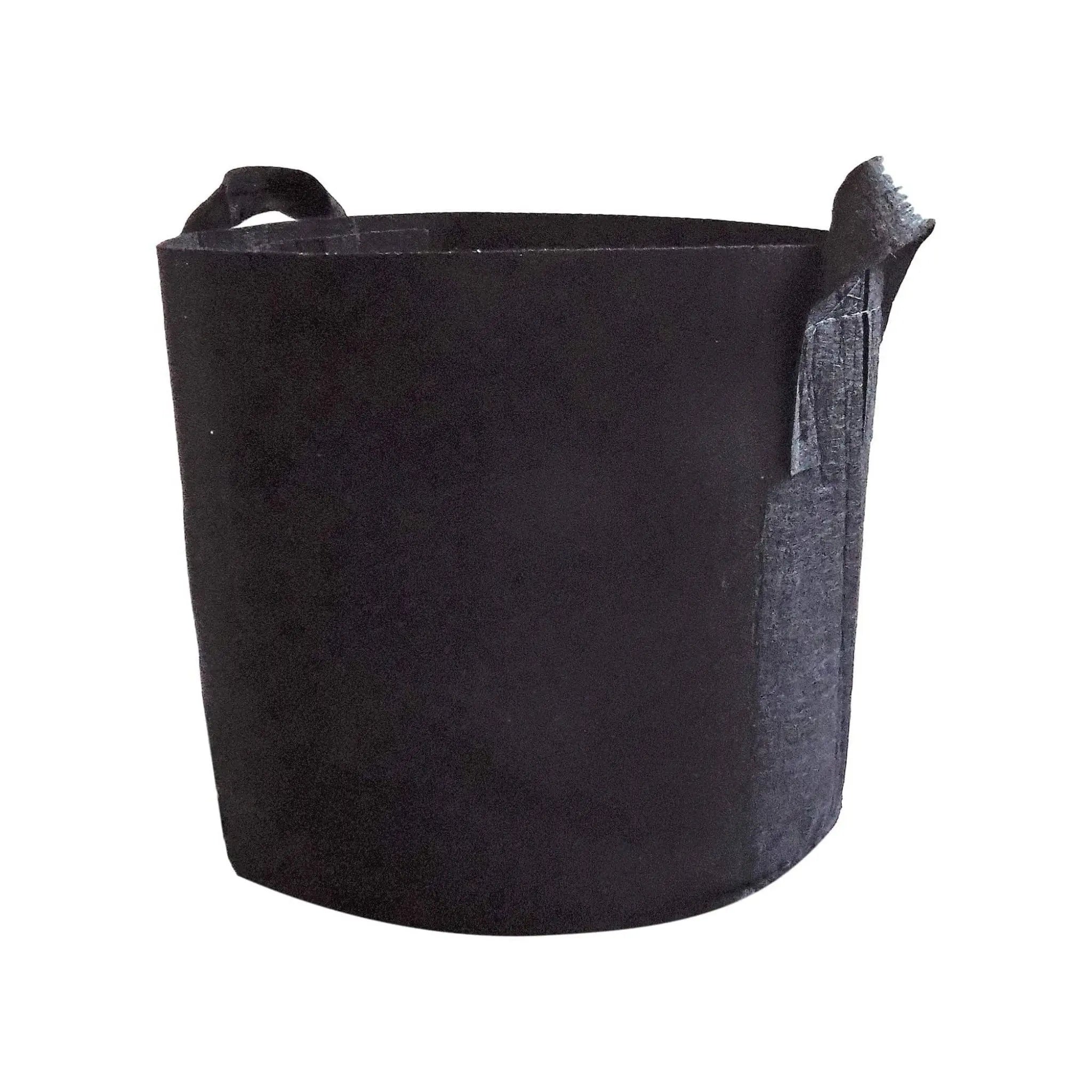
Handle grow bags gently to avoid tears. Use both handles when moving heavy bags. Empty soil before storage to reduce weight and mold risk. Store bags in a dry, cool place away from direct sunlight. Fold bags neatly to save space and keep fabric smooth.

Credit: www.amazon.com
Comparing Grow Bags To Traditional Pots
Comparing grow bags to traditional pots reveals key differences gardeners should know. Each option affects plant health and care routines in unique ways. Understanding these differences helps in choosing the best container for your garden needs.
Water Retention Differences
Grow bags are made from breathable fabric, allowing air and water to pass through easily. This causes soil to dry faster than in traditional pots. Traditional pots, often made of plastic or ceramic, hold moisture longer. Plants in grow bags require more frequent watering. Overwatering is less common with grow bags due to better drainage. Traditional pots may cause water to pool at the bottom, risking root rot.
Root Growth Patterns
Grow bags encourage healthy root growth by air pruning roots naturally. Roots stop growing when they reach the fabric edge, preventing circling. This leads to a denser and more fibrous root system. Traditional pots often cause roots to circle around the pot edges. Root circling can limit nutrient uptake and stunt plant growth. Grow bags promote stronger, healthier plants with better nutrient absorption.
Aesthetic And Practical Factors
Traditional pots come in many colors and styles, fitting various garden designs. Grow bags usually have a simple, functional look and come in neutral colors. Grow bags are lightweight and easy to move, even when filled. Traditional pots can be heavy, especially ceramic or clay types. Grow bags may wear out or tear over time. Traditional pots are more durable and last longer. Both have their place depending on your garden style and needs.
Credit: www.bootstrapfarmer.com
Conclusion
Grow bags are usually made from breathable fabrics like polypropylene or recycled plastic. These materials allow good air and water flow to plant roots. Fabric grow bags help plants grow healthy by preventing root circling. They dry out faster, so watering often is important.
Though not as sturdy as pots, they are lightweight and easy to store when empty. Choosing quality bags can reduce tearing and improve durability. Grow bags offer a simple and effective way to garden in small spaces.