What Size Grow Bag for Cantaloupe: Ultimate Guide for Perfect Growth
If you’re thinking about growing cantaloupe but don’t have a big garden, using a grow bag can be a perfect solution. But how do you know what size grow bag is right for your cantaloupe plants?
Choosing the correct size can make a huge difference in how healthy your plants grow and how sweet and juicy your melons turn out. In this guide, you’ll discover exactly what size grow bag you need to give your cantaloupes room to thrive, along with tips to maximize your harvest even in limited spaces.
Choosing Grow Bag Size
Choosing the right grow bag size is crucial for cantaloupe plants to thrive. The size affects root development and overall fruit production. Small bags limit growth, while large bags provide ample space for roots. Understanding these needs helps you pick the best option for healthy cantaloupes.
Minimum Size Requirements
Cantaloupe plants need at least a 10-gallon grow bag. This size gives enough room for roots to spread. Smaller bags cause root crowding and stunt growth. Use grow bags with good drainage to prevent waterlogging.
Ideal Size For Growth
The ideal grow bag size for cantaloupes is 15 to 20 gallons. This allows roots to grow deeply and absorb nutrients well. Bigger bags help maintain soil moisture and temperature. Larger bags also support bigger plants and sweeter fruits.
Space-saving Options
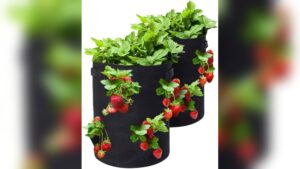
For limited space, choose vertical grow bags or bags with trellis support. These save ground space by allowing vines to climb. Smaller bags work if you train vines upward carefully. Use bush-type cantaloupe varieties for tight spaces.

Credit: www.youtube.com
Soil And Drainage
Choosing the right soil and ensuring good drainage is crucial for growing healthy cantaloupes in a grow bag. Cantaloupes need soil that holds moisture but does not stay soggy. Proper drainage prevents root rot and promotes strong plant growth. The soil mix and drainage system work together to create the perfect environment for cantaloupes to thrive.
Soil Composition
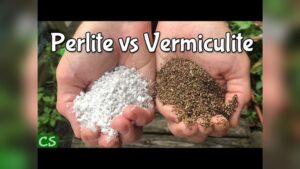
Use a light, well-aerated soil mix for cantaloupe grow bags. A mix of potting soil, peat moss, and perlite works well. This blend helps retain moisture and provides enough air for roots. Avoid using heavy garden soil alone, as it can compact and reduce oxygen to roots. The soil should be loose and crumbly.
Improving Drainage
Drainage holes in the grow bag are essential. They allow excess water to escape and stop waterlogging. Add a layer of small stones or coarse sand at the bottom of the bag to improve drainage. Check that water flows freely out of the bag after watering. Good drainage keeps roots healthy and prevents diseases.
Using Compost And Fertilizers
Mix compost into the soil to provide nutrients and improve soil structure. Compost also helps retain moisture without making soil heavy. Use a balanced fertilizer with nitrogen, phosphorus, and potassium for cantaloupe growth. Apply fertilizer every few weeks during the growing season. Healthy soil with nutrients supports larger and sweeter melons.
Planting Techniques
Planting cantaloupe in grow bags requires careful techniques for healthy growth and good fruit yield. Proper planting ensures roots develop well and plants get enough nutrients and space. Using the right size grow bag also supports the plant’s growth and prevents crowding.
Seed Starting
Start cantaloupe seeds indoors 3-4 weeks before the last frost date. Use a seed tray or small pots with moist, well-draining soil. Plant seeds about 1 inch deep. Keep soil warm, around 70-85°F, to encourage germination. After 7-10 days, seedlings will appear.
Transplanting Seedlings
Transplant seedlings to grow bags when they have 2-3 true leaves. Choose grow bags at least 15 gallons in size for one plant. Fill bags with rich, loose soil mixed with compost. Handle seedlings gently to avoid root damage. Plant seedlings deep enough to cover the root ball.
Proper Spacing
Space cantaloupe plants 18-24 inches apart in the grow bag. This spacing lets vines spread and air circulate around the plant. Avoid crowding to reduce disease risk. If growing multiple plants, use larger grow bags or separate bags for each plant.

Credit: growfully.com
Supporting Growth
Supporting cantaloupe growth starts with the right setup. Using proper techniques helps your plant thrive. Cantaloupes need space and support to grow healthy fruit. Grow bags offer a flexible way to control soil and space.
Choosing the right size grow bag is important. A larger bag lets roots expand and keeps soil moist. This support encourages strong vines and bigger melons. Along with the grow bag, providing vertical support improves air flow and sunlight exposure.
Vertical Growing Methods
Vertical growing saves space and keeps fruit clean. Train cantaloupe vines to grow upward rather than across the ground. Use stakes or frames to guide the vines. This method reduces pests and disease risks. It also makes harvesting easier and keeps fruit off damp soil.
Using Trellises And Netting
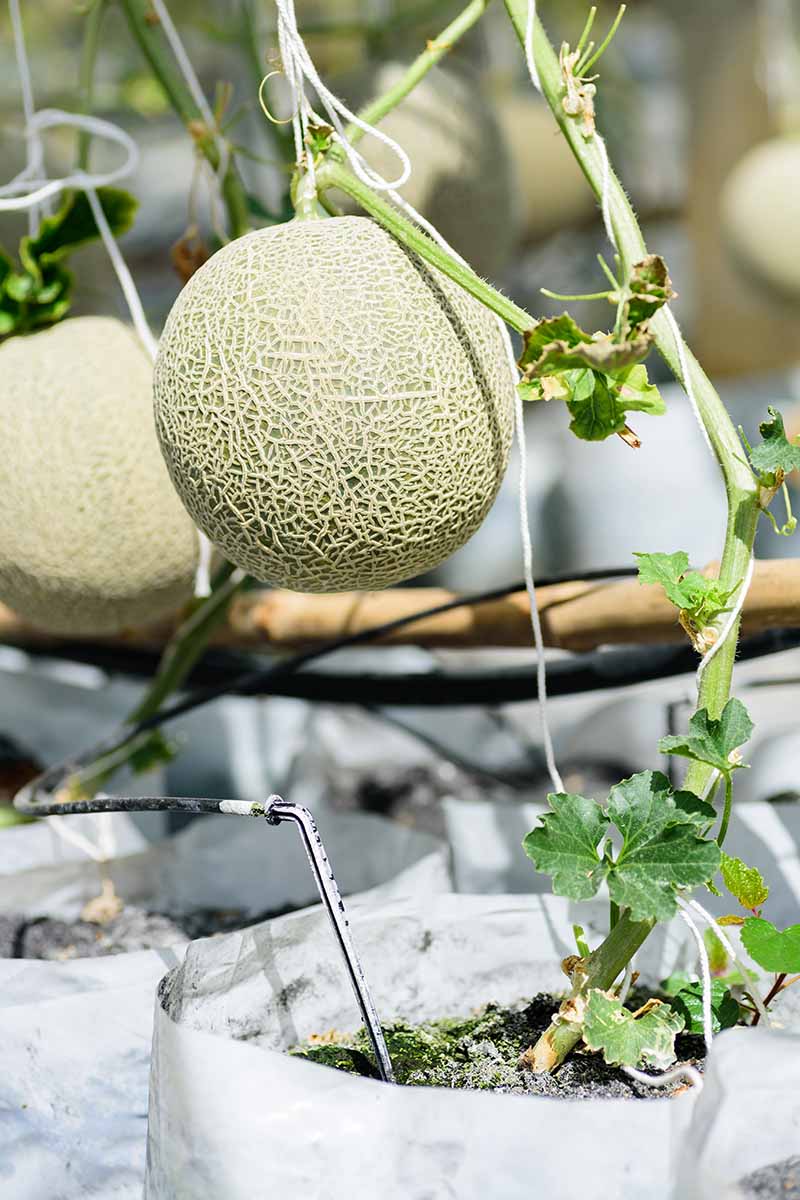
Trellises and netting give cantaloupe vines a sturdy structure. Attach the vines gently to avoid damage. Netting supports the weight of developing melons. This prevents fruit from falling or bruising. Choose a trellis that stands strong and tall enough for your plant.
Managing Vine Weight
Vines can become heavy as melons grow. Support heavy branches with soft ties or slings. This stops them from breaking under the weight. Regularly check the plant to adjust supports as needed. Proper weight management helps fruit grow evenly and reduces stress on the plant.
Watering And Care
Proper watering and care are essential for growing healthy cantaloupes in grow bags. These plants need consistent moisture but not soggy soil. Good care helps cantaloupes produce sweet, juicy fruits. Follow these simple tips to keep your cantaloupe plants thriving in grow bags.
Watering Frequency
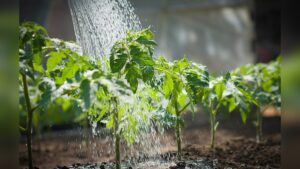
Water cantaloupe plants regularly to keep soil moist. Usually, watering every 2 to 3 days works well. Check the soil daily by touching it. If the top inch feels dry, it is time to water. During hot weather, water more often. Early morning watering is best to reduce evaporation.
Avoiding Overwatering
Too much water can harm cantaloupe roots. Overwatering causes root rot and weak plants. Make sure the grow bag has good drainage holes. Let excess water drain out freely. Avoid watering if the soil feels wet. Use a moisture meter to help check soil dampness. Proper watering keeps roots healthy and plants strong.
Pest And Disease Control
Watch for pests like aphids and cucumber beetles on leaves. Remove pests by hand or use insecticidal soap. Keep the grow bag area clean to reduce pests. Check plants often for signs of disease, like yellow spots or mold. Remove affected leaves quickly to stop spread. Good air circulation around plants helps prevent diseases. Healthy plants resist pests and diseases better.
Harvesting Tips
Harvesting cantaloupes at the right time ensures the best taste and texture. Knowing when and how to pick your fruit helps you enjoy fresh, sweet melons. Proper handling after harvest keeps the fruit fresh longer and reduces damage.
Signs Of Ripeness
Look for a creamy, yellow color under the netting on the cantaloupe skin. The fruit should feel slightly soft at the blossom end. A sweet, musky aroma near the stem shows it is ripe. The stem should begin to slip off easily with gentle pressure.
Harvesting Techniques
Use clean, sharp scissors or pruning shears to cut the fruit from the vine. Leave a small piece of stem attached to the cantaloupe. Avoid pulling or twisting the fruit, as this can damage the vine and fruit. Handle the fruit gently to prevent bruising.
Post-harvest Handling
Place harvested cantaloupes in a shaded, cool area immediately. Avoid stacking the fruits too high to prevent bruises. Wash the melons with clean water before storing. Store cantaloupes at 50-55°F for best freshness. Consume within a week for optimal flavor and texture.
Common Challenges
Growing cantaloupe in a grow bag brings unique challenges. These challenges affect plant health and fruit quality. Understanding common problems helps you choose the right grow bag size and care methods. Below are key issues you might face while growing cantaloupe in grow bags.
Dealing With Limited Space
Cantaloupe vines need room to spread. Grow bags can limit this space. Small bags restrict root growth and reduce yield. Choose larger grow bags, at least 15 gallons, to allow roots to expand. Vertical support helps save ground space. Use trellises to lift vines and prevent crowding.
Preventing Fruit Damage
Fruits resting on soil or bags can rot or bruise. Placing cantaloupe directly on grow bags risks damage. Use straw or a small platform under fruits. This keeps them dry and clean. Check fruits regularly for pests and mold. Protecting fruit ensures better taste and longer storage.
Troubleshooting Growth Issues
Poor growth may result from wrong grow bag size or soil. Small bags dry out quickly and stress plants. Watering must be consistent but not excessive. Use well-draining soil mixed with compost. Yellow leaves or weak vines signal nutrient problems or root stress. Adjust soil and water to fix these issues.
Credit: gardenerspath.com
Conclusion
Choosing the right grow bag size helps cantaloupe plants thrive. A 10 to 15-gallon bag gives enough space for roots to grow. Proper root space supports healthy vines and bigger fruits. Use well-draining soil and place the bag in full sunlight.
Water regularly but avoid waterlogging. With the right bag size, you can enjoy sweet, juicy cantaloupes even in small spaces. Growing cantaloupes in grow bags is simple and rewarding. Try it and watch your garden flourish!