What Size Grow Bag for Bell Peppers: Ultimate Guide for Big Harvests
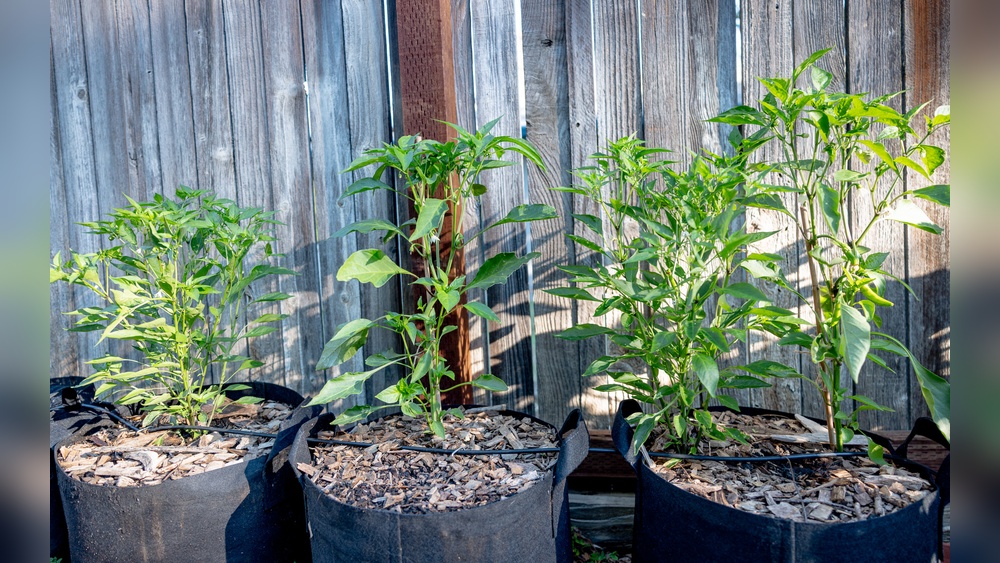
If you’re planning to grow bell peppers in your garden or on your balcony, choosing the right size grow bag is key to your success. You want your plants to thrive, produce vibrant peppers, and avoid common problems like root crowding or drying out too fast.
But how do you know what size grow bag will give your bell peppers the best chance to flourish? You’ll discover the perfect grow bag size that balances root space, moisture retention, and plant stability. Keep reading to learn exactly what your bell peppers need to grow big and healthy—so you can enjoy a bountiful harvest right at home!

Credit: www.youtube.com
Grow Bag Sizes For Bell Peppers
Choosing the right grow bag size for bell peppers is key to healthy plants and good harvests. Bell peppers need enough space for roots to spread and grow strong. The size of the grow bag affects water retention, root health, and plant stability.
This section explains different grow bag sizes suitable for bell peppers. It covers minimum options, standard sizes, and benefits of larger bags.
Minimum Size Options
At least a 3-gallon grow bag can support bell peppers. This size works for small plants but limits root growth. Plants in 3-gallon bags may need more frequent watering. They might produce fewer or smaller peppers. Use this size only if space is very limited.
Standard 5-gallon Bags
Five-gallon grow bags are the most popular choice for bell peppers. They give enough room for roots to grow well. These bags hold moisture better than smaller ones. They also keep plants stable against wind or movement. Most gardeners find 5 gallons ideal for healthy pepper plants.
Benefits Of Larger Bags
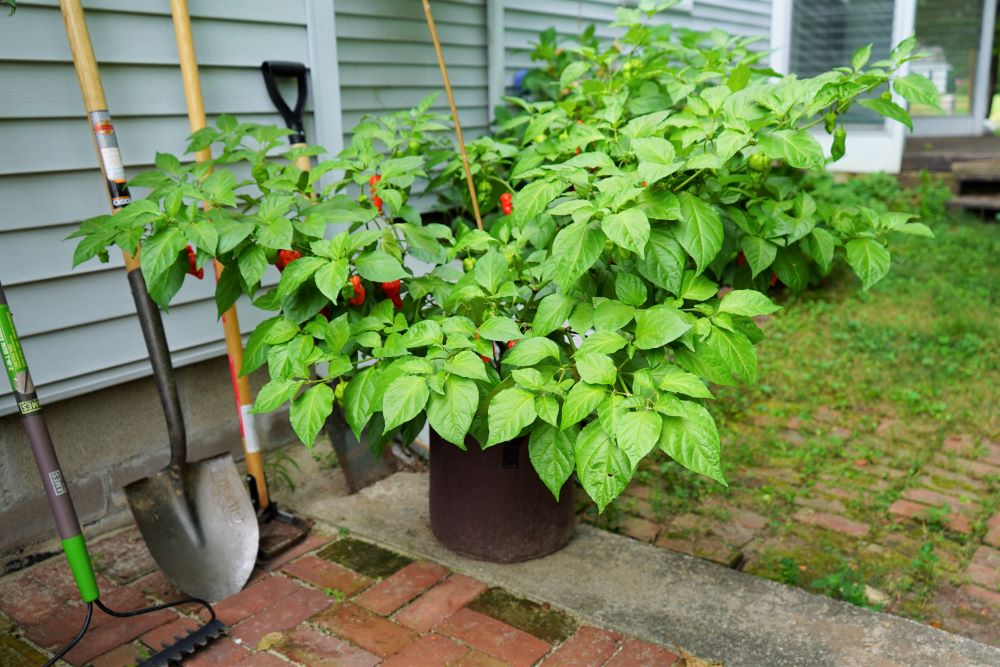
Larger grow bags, like 7 or 10 gallons, offer extra root space. This leads to bigger plants and more peppers. Bigger bags hold water longer, reducing how often you water. They improve plant stability, especially for tall or heavy pepper varieties. Choose larger bags for best results if space allows.
Credit: peppergeek.com
Choosing The Right Size
Choosing the right size grow bag is key to healthy bell pepper plants. The size affects root growth, water retention, and overall plant health. Picking the correct bag helps peppers thrive and produce more fruit. Consider the pepper variety and root needs carefully.
Matching Bag Size To Pepper Variety
Small pepper varieties need smaller grow bags. A 3-gallon bag may work for compact types. Larger bell peppers require bigger bags. A 5-gallon grow bag suits most bell pepper plants. This size gives enough space for roots to expand. Choose a bag size based on the pepper’s growth habit.
Considering Root Space Needs
Bell peppers have deep roots. They need enough soil to spread and grow. Crowded roots stunt plant growth and reduce yields. A grow bag with at least 5 gallons provides ample root space. This size supports strong root systems and healthy plants. Avoid small bags that limit root development.
Water Retention And Moisture Control
Bigger grow bags hold more water and keep soil moist longer. Smaller bags dry out quickly and need frequent watering. Proper moisture helps peppers avoid stress and stay healthy. A 5-gallon bag balances water retention and drainage well. Choose a size that helps control soil moisture efficiently.
Impact On Plant Growth
Choosing the right size grow bag greatly impacts bell pepper plant growth. The grow bag size controls root space, water retention, and overall plant health. A well-sized grow bag helps plants grow strong and produce good fruit. Understanding how size affects growth is key to successful bell pepper gardening.
Root Development And Health
Root space affects how well bell pepper roots develop. Small grow bags limit root growth and cause roots to become crowded. Crowded roots cannot absorb enough water and nutrients. Larger grow bags provide room for roots to spread out. Healthy roots support strong plants and better fruit production.
Plant Stability In Grow Bags
Grow bag size also affects plant stability. Small bags hold less soil, making plants easier to tip over. Larger bags hold more soil and keep plants steady. Stable plants resist wind and handle the weight of growing peppers better. Stability helps plants stay healthy and grow well.
Effect On Yield And Fruit Size
Grow bag size impacts the amount and size of peppers produced. Small bags often lead to smaller plants and fewer fruits. Bigger grow bags support larger plants with more room for roots. This leads to higher yields and bigger, healthier peppers. Choosing the right size grow bag improves harvest quality.

Credit: www.youtube.com
Watering And Maintenance Tips
Proper watering and maintenance are key to healthy bell pepper plants in grow bags. The size of the grow bag influences how often you water and how well the soil holds moisture. Small bags dry out faster, while larger bags keep water longer. Adjust your care routine to match the grow bag size for best results.
Managing Drying In Small Bags
Small grow bags dry quickly. This can stress bell pepper plants. Check soil moisture daily. Water thoroughly but avoid waterlogging. Use a spray bottle for light misting between deep watering. Place bags in a shaded spot during peak sun to reduce evaporation. Mulching helps keep soil moist. Small bags need more frequent attention.
Benefits Of Moisture Retention In Larger Bags
Larger grow bags hold moisture longer. This helps roots stay hydrated and healthy. Plants grow stronger with steady water supply. Soil temperature stays more stable in bigger bags. Less frequent watering saves time and effort. Larger bags reduce the risk of drying out quickly. They support larger root systems and bigger plants.
Best Practices For Consistent Watering
Water bell peppers early in the morning or late afternoon. Use enough water to soak the soil deeply. Avoid shallow watering that only wets the surface. Check soil moisture by touching or using a moisture meter. Keep soil evenly moist but not soggy. Remove any dead leaves to prevent disease. Regularly inspect plants for signs of over or underwatering.
Material And Quality Of Grow Bags
The material and quality of grow bags play a key role in the success of growing bell peppers. Choosing the right fabric ensures healthy root development and proper plant growth. Good grow bags balance water retention with air circulation. They also last long enough to serve through several growing seasons.
High-quality grow bags prevent overwatering and root rot. They offer a controlled environment for the roots to expand freely. The fabric used must be strong but breathable. This helps maintain ideal moisture levels and temperature around the roots.
Breathability And Drainage Features
Grow bags made from breathable fabric allow air to reach the roots. This stops the soil from becoming soggy. Proper drainage holes or porous material help excess water escape easily. Good airflow prevents root diseases and encourages strong root systems. Bell peppers need well-drained soil to thrive. Therefore, grow bags with excellent breathability and drainage support healthy plants.
Durability For Multiple Seasons
Durable grow bags resist tearing and wear over time. Strong stitching and thick fabric improve their lifespan. Many gardeners reuse grow bags for several seasons. This saves money and reduces waste. A quality grow bag withstands sunlight, water, and rough handling. It holds its shape even when filled with soil. Investing in a durable bag ensures reliable use for many pepper growing cycles.
Eco-friendly Options
Environmentally friendly grow bags use natural or recycled materials. They avoid harmful chemicals and plastics. Such bags break down more easily after use. Biodegradable fabrics reduce landfill waste. Organic cotton, jute, or recycled felt are common eco-friendly choices. Selecting green grow bags helps protect the planet. It also supports sustainable gardening practices for bell pepper cultivation.
Placement And Environmental Factors
Choosing the right placement and understanding environmental factors is vital for growing bell peppers in grow bags. Bell peppers need the right conditions to grow strong and produce well. Poor placement or ignoring environmental needs can stunt growth and reduce yield.
Grow bags offer flexibility, but the environment around them must support the plant’s health. Consider sunlight, temperature, and protection from wind and pests. These factors influence how well your bell peppers thrive in a container setting.
Sunlight Exposure
Bell peppers require full sun to grow best. Place your grow bag where it can get at least six hours of direct sunlight daily. Morning sun is especially beneficial as it warms the plant early and helps dry off dew. Avoid shaded areas or spots with only filtered light. Lack of sunlight leads to weak plants and fewer fruits.
Temperature Control
Bell peppers grow well in warm temperatures between 70°F and 85°F. Avoid placing grow bags in areas that get too cold at night or too hot during the day. Extreme temperatures stress the plant and reduce fruit quality. Use shade cloth in very hot climates to protect from intense afternoon sun. Move grow bags to sheltered spots if temperatures drop below 55°F.
Protection From Wind And Pests
Strong winds can damage pepper plants and dry out the soil quickly. Place grow bags in spots shielded from heavy wind, such as near a wall or fence. This also helps maintain consistent moisture levels. Watch for common pests like aphids and spider mites, which can harm bell peppers. Use natural pest control methods and inspect plants regularly. Proper placement reduces pest problems and keeps plants healthy.
Tips From Experienced Growers
Experienced growers share valuable advice on choosing the right grow bag size for bell peppers. Their tips help avoid common problems and improve plant health. Small details can affect growth and yield greatly.
Many gardeners learn through trial and error. Listening to those with hands-on experience saves time and effort. Their insights make growing bell peppers easier and more rewarding.
Common Mistakes To Avoid
Using grow bags that are too small limits root space and plant growth. This causes stunted peppers and weak plants. Overwatering can happen more often in small bags.
Choosing bags without drainage holes leads to waterlogging and root rot. Avoid bags made of non-breathable materials. These can trap moisture and harm roots.
Planting more than one pepper plant per grow bag causes crowding. Roots compete for nutrients and water. This reduces overall plant health and pepper size.
Recommended Bag Brands And Sizes
Many growers prefer 5-gallon grow bags. This size offers enough room for roots and moisture retention. It supports strong, healthy bell pepper plants.
Some trusted brands include VIVOSUN and Gardzen. These brands provide durable, breathable fabric bags with good drainage. Their bags last through multiple growing seasons.
A few gardeners use 3-gallon bags for smaller spaces. These work but require more frequent watering and careful monitoring. Larger bags reduce stress on plants.
Personal Success Stories
One gardener in Austin grew bell peppers in 5-gallon VIVOSUN bags. She reported bigger peppers and less watering effort. Her plants stayed healthy throughout the season.
Another grower used 3-gallon bags in a small balcony garden. He learned to water carefully and prune regularly. His peppers were smaller but flavorful and consistent.
Many gardeners say the right bag size improved their results quickly. They saw stronger roots, better growth, and higher yields. Choosing the right grow bag makes a big difference.
Conclusion
Choosing the right grow bag size helps bell peppers grow strong and healthy. A 5-gallon grow bag works best for most bell pepper plants. It gives enough space for roots and holds moisture well. Smaller bags like 3 gallons may need more watering and limit growth.
Remember, bigger bags support bigger plants and reduce stress. Picking the right size saves effort and boosts your harvest. Start with a good grow bag to enjoy fresh, tasty bell peppers at home. Simple steps lead to better gardening results.