What Size Grow Bag for Cherry Tomatoes
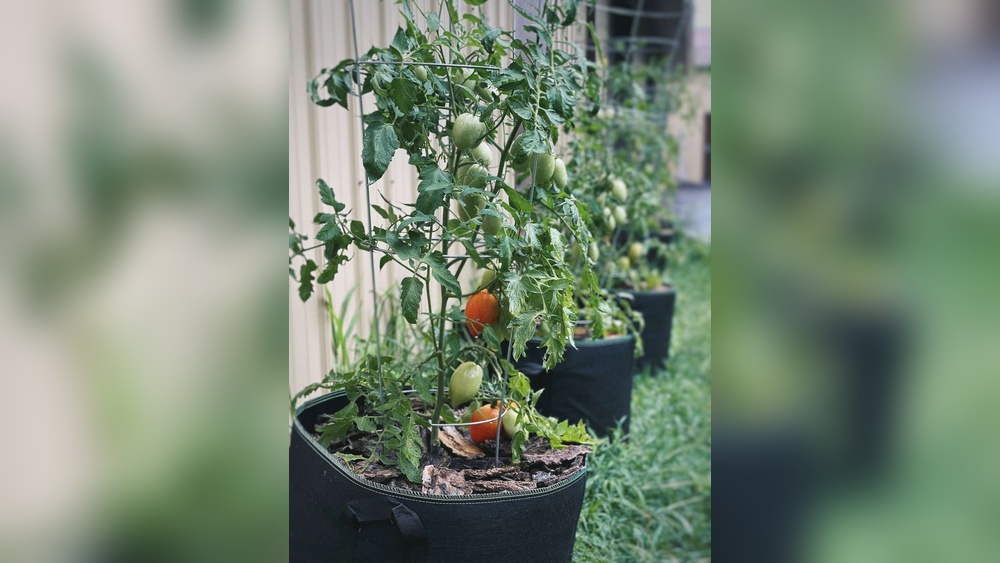
Are you ready to grow delicious cherry tomatoes right at home, but unsure which grow bag size is just right for your plants? Choosing the perfect grow bag can make all the difference in how healthy and fruitful your cherry tomatoes become.
Too small, and your plants may struggle; too large, and you could be wasting space and resources. You’ll discover the ideal grow bag size that gives your cherry tomatoes the room they need to thrive. Keep reading to find out how to boost your harvest with the right choice—your taste buds will thank you!
Grow Bag Sizes For Cherry Tomatoes
Choosing the right grow bag size is key for healthy cherry tomato plants. The size affects root growth, water retention, and overall plant health. Too small bags can limit root space, while too large ones may hold excess water. Understanding the best sizes helps you grow juicy, flavorful tomatoes.
Grow bags come in many sizes. Each size suits different growing conditions and space availability. Knowing these differences lets you pick the perfect bag for your needs.
Small Vs Large Bags
Small grow bags, usually under 5 gallons, fit tight spaces and balconies. They are easy to move but limit root growth. Plants may produce fewer tomatoes in small bags.
Large grow bags, from 7 to 15 gallons, offer more room for roots. They support bigger plants and higher yields. Large bags hold more soil, so they need less frequent watering.
Balance space and plant needs when choosing between small and large bags.
Recommended Volume For Best Growth
Cherry tomatoes grow best in grow bags holding 7 to 10 gallons of soil. This size gives roots enough space to spread and access nutrients. It also holds enough water to keep plants hydrated between waterings.
Bags smaller than 5 gallons may stress the plant. Larger than 10 gallons can retain too much moisture, causing root problems. A 7 to 10-gallon bag is ideal for strong, healthy plants.
Comparing Different Grow Bag Dimensions
Grow bags vary in shape and size. Common dimensions include 12” x 12” x 12” and 18” x 18” x 12”. The depth and width affect soil volume and root space.
A 12-inch bag holds about 5 gallons of soil, good for smaller plants. An 18-inch bag holds around 10 gallons, perfect for full growth and fruit production.
Choose bags with at least 12 inches depth. This ensures roots grow down and stay cool. Wider bags support spreading roots and more plant stability.
Credit: www.mudandbloom.com
Choosing The Right Grow Bag Material
Choosing the right grow bag material is essential for healthy cherry tomato growth. The material affects water retention, air flow, and root development. Picking the best option helps your plant thrive and produce more fruit. This section covers key points to help you decide.
Fabric Vs Plastic Bags
Fabric grow bags are made from breathable cloth. Plastic bags are solid and non-porous. Fabric bags allow air to pass through, which helps roots breathe. Plastic bags keep moisture longer but may cause water buildup. Fabric bags drain excess water easily, reducing root rot risk. Plastic bags might trap water, needing careful watering.
Durability And Breathability
Fabric bags last several seasons with proper care. They resist tearing and mold. Breathability prevents soil from overheating. Plastic bags can crack under sun and heat. They trap heat, stressing roots in hot weather. Fabric bags keep soil temperature stable. Plastic bags may need shade in hot climates.
Impact On Root Health
Fabric bags encourage healthy root growth by air pruning. Air pruning stops roots from circling. This creates strong, fibrous roots for better nutrient uptake. Plastic bags often cause root circling, limiting growth. Poor root health reduces plant vigor and fruit yield. Fabric bags improve oxygen supply to roots, boosting plant health.
Preparing Grow Bags For Planting
Preparing grow bags for planting cherry tomatoes is crucial for healthy growth. Proper preparation ensures good drainage, nutrient availability, and moisture retention. This step helps plants develop strong roots and produce tasty fruits.
Filling With Soil And Compost
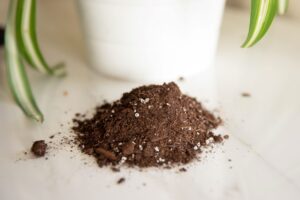
Start by filling the grow bag with a mix of quality soil and compost. Use a lightweight potting soil combined with organic compost. This blend provides nutrients and good structure. Fill the bag about three-quarters full to leave space for watering.
Adding Drainage Layers
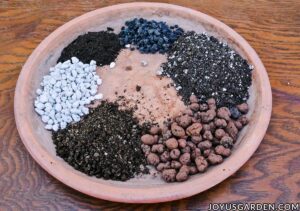
Place a drainage layer at the bottom of the grow bag. Use small stones, broken pottery, or coarse sand. This layer prevents waterlogging and root rot. Proper drainage helps roots breathe and stay healthy.
Pre-planting Moisture Tips
Moisten the soil mix before planting cherry tomatoes. Water evenly until the soil feels damp but not soggy. This step reduces transplant shock and encourages root growth. Avoid overwatering to keep roots safe from disease.
Planting Cherry Tomatoes In Grow Bags
Planting cherry tomatoes in grow bags offers a simple and space-saving way to enjoy fresh tomatoes. Grow bags provide good drainage and airflow to the roots. They help prevent overwatering and root rot. Choosing the right size grow bag is important for healthy growth and fruit production. Cherry tomatoes need enough room to spread their roots and get nutrients.
Proper planting techniques ensure strong plants and better yields. Support is necessary to keep the plants upright and safe from damage. Using stakes, cages, or bamboo canes helps guide the plant as it grows. Tying the stems gently prevents breakage and encourages vertical growth. These steps make growing cherry tomatoes in grow bags easier and more productive.
Spacing And Depth Guidelines
Choose a grow bag at least 5 gallons (about 20 liters) in size for one cherry tomato plant. This size gives enough space for roots to grow well. Plant seedlings about 2 inches deep, covering the stem up to the first set of leaves. Space multiple grow bags at least 12 to 18 inches apart. This spacing allows air circulation and sunlight to reach each plant.
Supporting Plants With Stakes Or Cages
Cherry tomato plants grow tall and need support to stay upright. Use a sturdy stake or tomato cage with each plant. Insert the stake or cage into the soil beside the plant. Tie the main stem loosely to the support with soft ties. This keeps the plant stable and helps prevent branches from breaking under the fruit’s weight.
Using Bamboo Canes And Twine
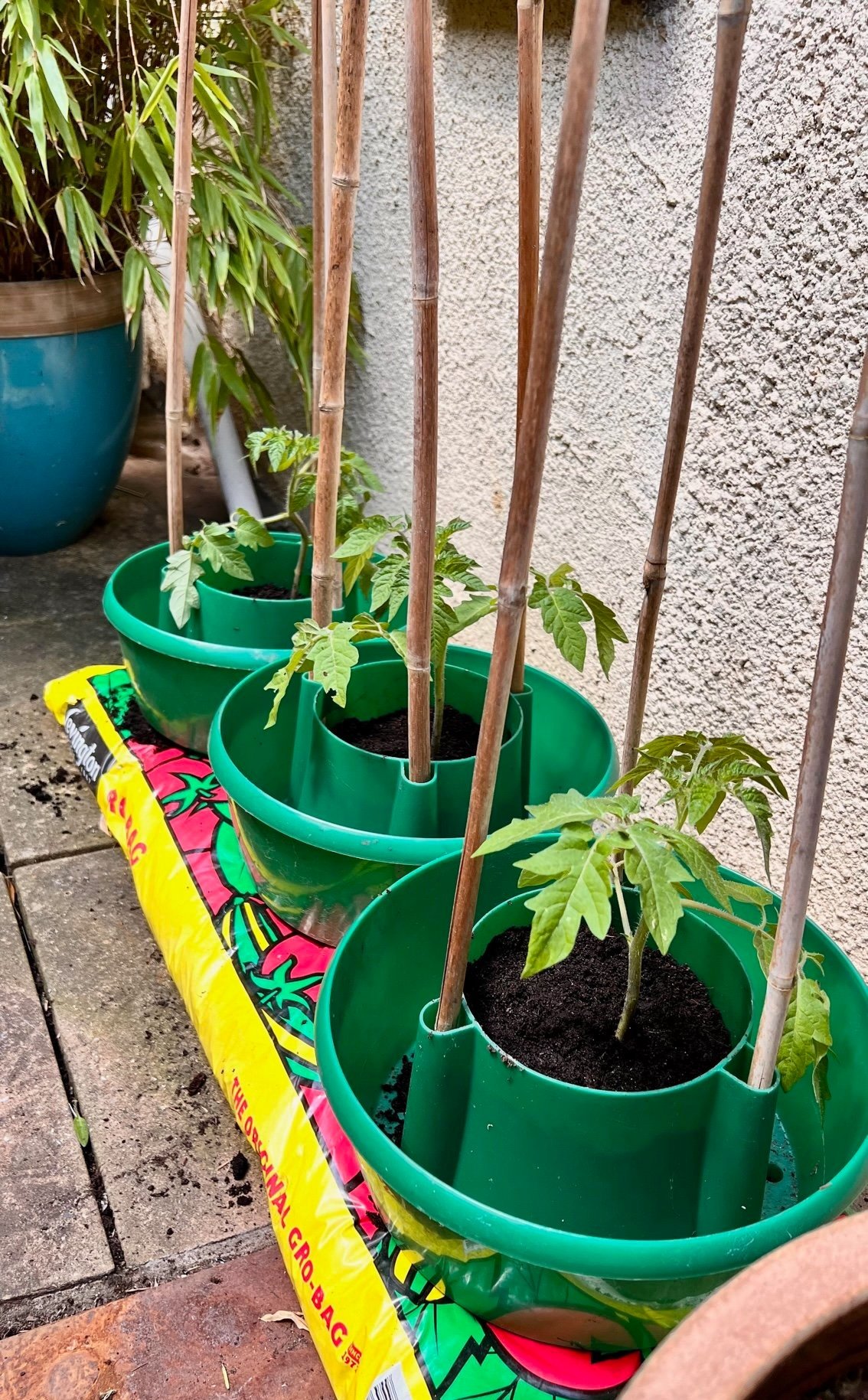
Bamboo canes work well as natural supports for cherry tomatoes. Push one cane deep into the grow bag or ground near the plant. Use garden twine to tie the plant’s stem gently to the cane. Adjust the twine as the plant grows to avoid cutting into the stem. Bamboo canes and twine create a flexible support system that helps plants grow straight and strong.
Care And Maintenance
Caring for cherry tomatoes in grow bags requires regular attention. Proper care helps plants grow healthy and produce tasty fruit. This section explains key steps for watering, feeding, and protecting your tomatoes. Follow these tips to keep your plants thriving in any grow bag size.
Watering Techniques
Cherry tomatoes need consistent moisture to grow well. Water the plants deeply but avoid waterlogging the soil. Check the top inch of soil daily. If it feels dry, give water. Use a watering can or drip irrigation for even watering. Water early in the morning to reduce evaporation. Avoid wetting leaves to prevent fungal diseases.
Fertilizing For Bigger Harvests
Feed cherry tomatoes regularly with balanced fertilizer. Use a fertilizer high in potassium and phosphorus to boost fruit growth. Apply fertilizer every two weeks during the growing season. Follow the product instructions carefully to avoid overfeeding. Organic options like compost or fish emulsion also work well. Healthy soil helps plants produce larger and sweeter tomatoes.
Pest And Disease Management
Inspect plants often for pests like aphids or whiteflies. Remove pests by hand or spray with mild insecticidal soap. Keep the grow bag area clean and free of fallen leaves. Watch for signs of diseases such as blight or mold. Remove affected leaves immediately. Good air circulation around the plants reduces disease risks. Rotate plants to different spots each season to keep soil healthy.
Maximizing Yield In Grow Bags
Maximizing yield in grow bags requires careful attention to several factors. Cherry tomatoes grow well in containers but need the right care. Proper techniques help plants produce more fruit and stay healthy. Focus on pruning, managing temperature and sunlight, and timing your harvest.
Pruning And Training Plants
Pruning keeps the plant strong and productive. Remove lower leaves to improve air flow. Cut off suckers that grow between main stems and branches. Train plants to grow upward by tying stems to stakes or cages. This method saves space and directs energy to fruit growth.
Managing Temperature And Sunlight
Cherry tomatoes need at least 6 hours of sunlight daily. Too much heat can stress the plants and reduce yield. Provide shade during the hottest part of the day if needed. Keep grow bags in a spot with good air circulation. Water regularly to prevent soil from drying out.
Harvest Timing And Frequency
Harvest tomatoes when they are fully colored and firm. Picking fruit early encourages the plant to produce more. Check plants every two to three days during peak season. Remove ripe tomatoes carefully to avoid damaging the vine. Frequent harvesting increases overall yield.
Alternative Containers For Cherry Tomatoes
Cherry tomatoes grow well in various containers beyond traditional grow bags. Choosing the right alternative container helps your plant thrive. Consider space, drainage, and ease of use when selecting containers. Each option offers different benefits for growing healthy cherry tomatoes.
Pots Vs Grow Bags
Pots provide sturdy walls and come in many sizes. They hold soil firmly, helping roots develop well. However, pots may limit airflow to roots. Grow bags allow air pruning, which prevents root circling. Grow bags are lightweight and easy to move. Both options need good drainage holes to avoid waterlogging. Choose pots for stability and grow bags for better root health.
Diy Grow Bag Options
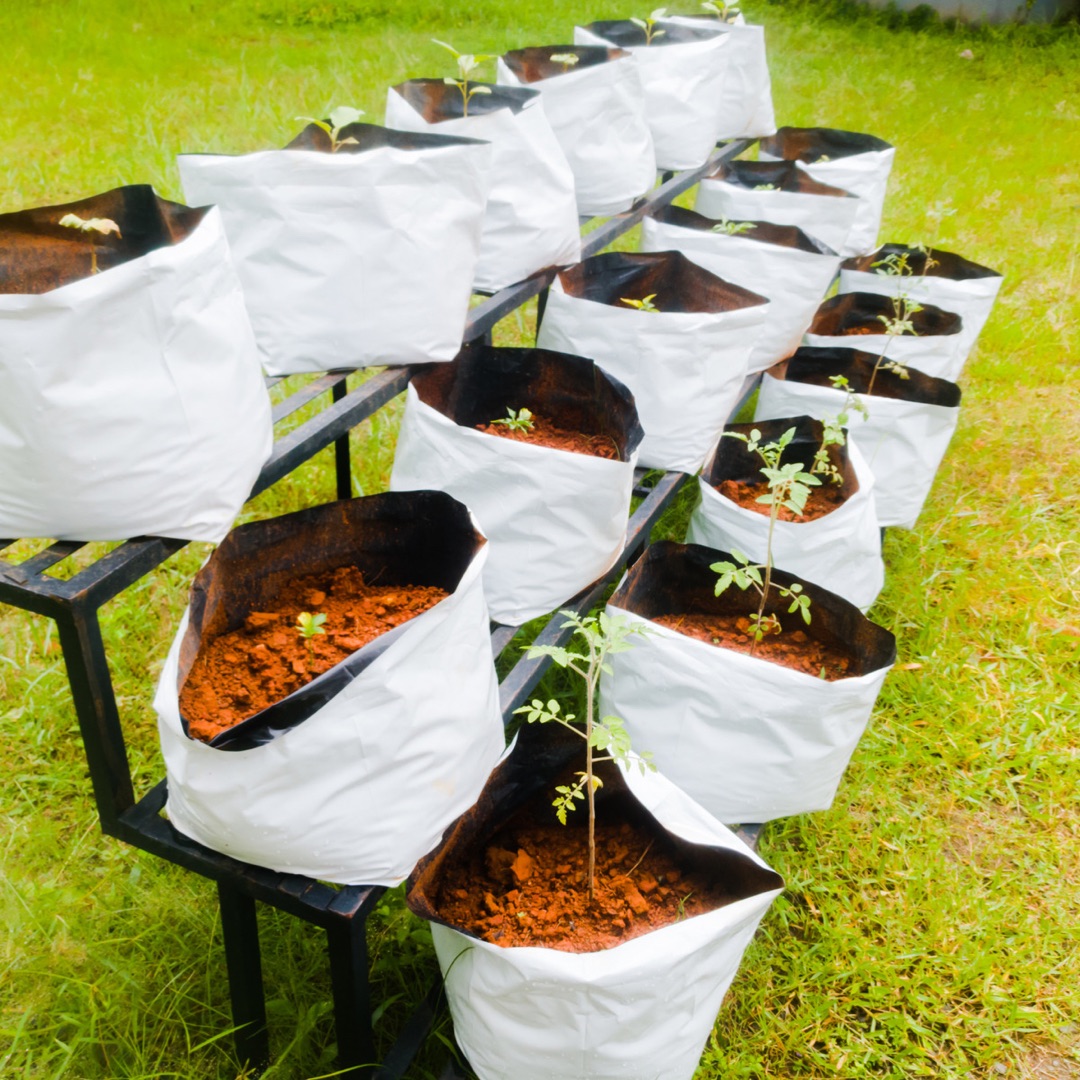
DIY grow bags save money and reduce waste. Use old fabric, burlap sacks, or thick plastic bags. Cut holes for drainage and airflow. Fill with quality potting mix to support growth. DIY bags can be customized to fit your space. Ensure bags are strong enough to hold wet soil. This option suits gardeners who enjoy hands-on projects.
Raised Beds And Other Methods
Raised beds offer deep soil and good drainage. They allow growing multiple tomato plants in one space. Raised beds warm up quickly in spring. You control soil quality and moisture better. Other methods include hanging baskets and vertical towers. These save space and improve air circulation. Choose a method that fits your garden size and care routine.

Credit: meadowlarkjournal.com
Credit: farmtojar.com
Conclusion
Choosing the right grow bag size helps your cherry tomatoes thrive. A 5 to 7-gallon bag gives enough space for roots to grow. This size keeps soil moist and nutrients balanced. Smaller bags may dry out too fast. Larger bags take up more space and soil.
Support your plants with stakes or cages. Healthy roots lead to better fruit and stronger plants. Enjoy fresh cherry tomatoes all season long!