What Size Grow Bags for Tomatoes: Ultimate Guide for Perfect Growth
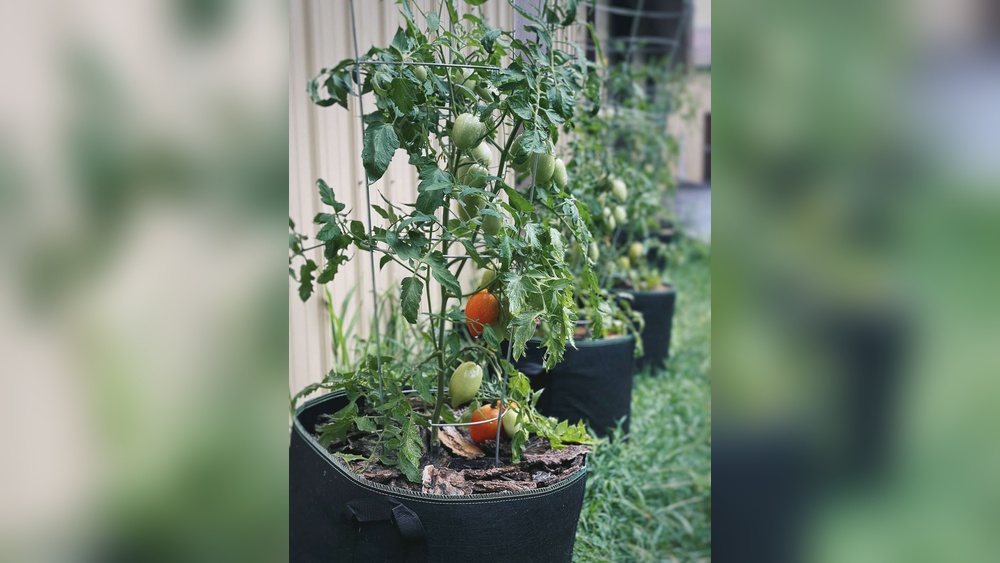
Are you ready to grow juicy, delicious tomatoes right at home but wondering what size grow bag you actually need? Choosing the right grow bag size is a simple step that can make a huge difference in how healthy and productive your tomato plants become.
If your grow bag is too small, your tomatoes might struggle to grow, leaving you with fewer fruits and lots of frustration. But with the right size, you’ll give your plants plenty of room to spread their roots, soak up water, and absorb nutrients—setting you up for a bountiful harvest.
Keep reading to discover exactly what size grow bags work best for different types of tomatoes and why size really matters for your gardening success. Your perfect tomato crop starts here!
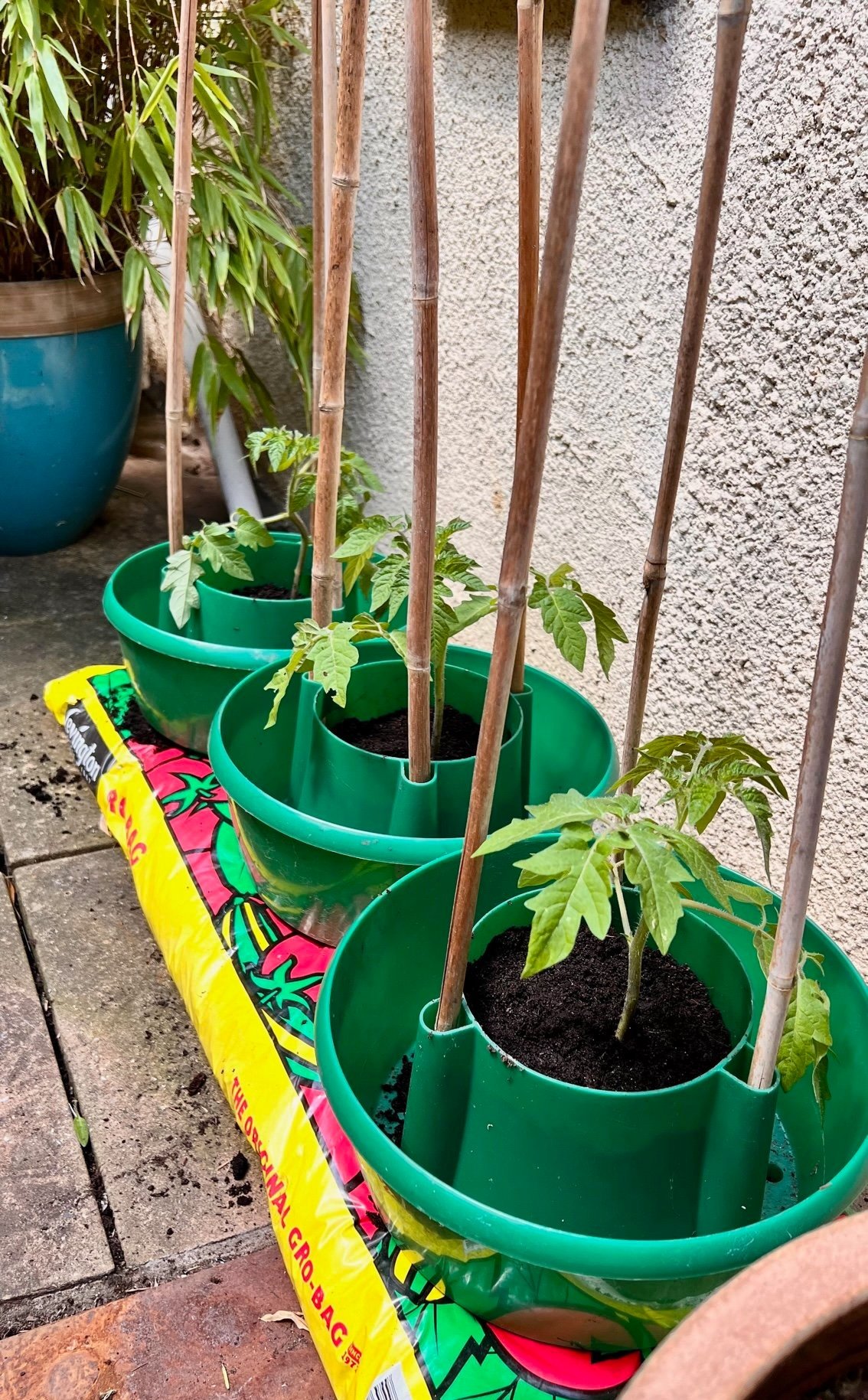
Credit: www.mudandbloom.com
Grow Bag Sizes For Tomatoes
Choosing the right grow bag size affects tomato growth and yield. Tomato plants need enough space for roots to spread well. The soil volume impacts water retention and nutrient supply. Picking the correct grow bag size helps plants stay healthy and produce more fruit.
Grow bags come in different sizes to fit tomato varieties. Small, medium, and large types each need a specific bag size. Understanding these needs ensures better results in your garden or patio.
Small Varieties
Small tomato plants like cherry or grape types do well in 5 to 7-gallon grow bags. These bags offer enough space for roots without wasting soil. They are easy to move and water. Small bags also fit limited spaces like balconies.
Medium Varieties
Medium tomatoes such as Roma or patio types need 10 to 15-gallon grow bags. These sizes give more room for root growth. The soil volume holds water longer, reducing watering frequency. Medium bags support stronger plants and better fruit development.
Large Varieties
Big tomato plants, like beefsteak or heirloom types, require 20 gallons or more. Large grow bags prevent root-bound problems and boost nutrient access. They keep soil moist longer during hot days. These bags help large tomatoes reach full size and yield.

Credit: www.youtube.com
Why Grow Bag Size Matters
Choosing the right grow bag size for tomatoes affects plant health and fruit yield. The size controls root growth, water supply, and nutrient access. Small bags limit development, while large bags support strong plants. Understanding why grow bag size matters helps gardeners pick the best option.
Root Space Importance
Tomato roots need enough space to spread and grow. A bigger grow bag gives roots room to expand. This supports a stronger plant with better nutrient and water uptake. Crowded roots in small bags can stunt growth and reduce tomato production.
Water Retention Benefits
Larger grow bags hold more soil and keep moisture longer. This reduces how often you must water your tomatoes. Consistent moisture helps plants stay healthy, especially in hot weather. Small bags dry out quickly, stressing the plants and lowering yield.
Nutrient Availability
More soil means more nutrients for tomato plants. Bigger grow bags store nutrients better and provide a steady supply to roots. This supports vigorous growth and abundant fruit. Small bags limit nutrients, causing weaker plants and fewer tomatoes.
Avoiding Root-bound Plants
Tomatoes in small grow bags can become root-bound. Roots circle inside, restricting growth and nutrient uptake. This weakens the plant and cuts fruit production. Choosing a larger grow bag prevents root-binding and promotes healthy tomato plants.
Recommended Sizes By Tomato Type
Choosing the right grow bag size depends on the tomato type. Each variety has different root and space needs. Picking the correct size helps plants grow strong and produce more fruit.
Below are recommended grow bag sizes based on tomato types. These sizes ensure healthy growth and better yields.
Cherry Tomatoes
Cherry tomatoes have small plants and shallow roots. A grow bag of 5 to 7 gallons works well. This size provides enough space for roots to spread. It also keeps soil moist without waterlogging. Smaller grow bags save space and make moving plants easier.
Beefsteak Tomatoes
Beefsteak tomatoes are large and need deep roots. Use a grow bag of 10 to 15 gallons. This size supports heavy fruit and strong stems. More soil means better water and nutrient storage. Bigger grow bags reduce stress on the plant during hot weather.
Roma Tomatoes
Roma tomatoes are medium-sized with moderate root systems. A 7 to 10-gallon grow bag suits them well. This size balances root space and soil volume. It helps Roma tomatoes stay healthy and produce firm fruits. Roma plants grow upright, so stable support is easier in these bags.
Determinate Vs Indeterminate
Determinate tomatoes grow to a set height and stop. Smaller grow bags, around 7 gallons, work fine for them. Indeterminate tomatoes grow continuously and get tall. They need 10 to 15-gallon grow bags. Larger bags allow for bigger root systems. Indeterminate plants also need strong stakes or cages.
Choosing Grow Bags For Peppers And Other Plants
Choosing the right grow bags for peppers and other plants is important for healthy growth. Different plants have different root needs. Grow bags provide good air flow and drainage. They help prevent root rot and keep soil healthy. Using the correct size lets roots spread well and take in nutrients easily. This guide covers peppers, cucumbers, and how to make your own grow bags.
Peppers
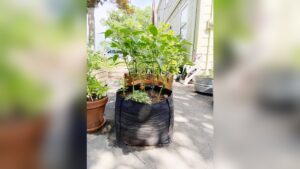
Peppers need grow bags that hold about 3 to 5 gallons of soil. This size gives roots enough space to grow strong. Smaller bags can limit root growth and reduce pepper size. Use bags with good drainage holes to avoid water buildup. Peppers like warm soil, so place bags in a sunny spot. Water often but do not overwater. A 12 to 14-inch diameter grow bag usually works well.
Cucumbers
Cucumbers need larger grow bags because they have big root systems. Choose bags holding 5 to 7 gallons of soil. This size supports strong vines and plenty of fruit. Cucumbers like moist soil, so use bags that drain well. They also need space to spread. Place a trellis or support for the vines to climb. Keep soil evenly moist and fertilize regularly for best results.
Making Your Own Grow Bags
Making grow bags at home saves money and lets you customize size. Use breathable fabric like canvas or heavy-duty felt. Cut fabric into rectangles and sew edges to form a bag. Add handles for easy moving. Choose size based on plant type and space. Homemade grow bags drain well and allow air to roots. They are reusable and eco-friendly. Fill bags with good quality potting mix for healthy plants.
Tips For Planting Tomatoes In Grow Bags
Planting tomatoes in grow bags offers flexibility and control over your garden space. Proper care increases your chances of a healthy, fruitful harvest. Pay attention to soil, water, and plant support for the best results. Use the right techniques to help your tomato plants thrive in grow bags.
Soil Preparation
Choose high-quality potting mix that drains well. Avoid garden soil that can compact and harm roots. Mix compost or organic fertilizer into the soil for nutrients. Fill the grow bag loosely to allow root growth. Keep the soil moist but not soggy before planting.
Watering Techniques
Water tomatoes deeply and regularly to keep soil moist. Check the soil daily, especially in hot weather. Avoid overhead watering to reduce leaf diseases. Use a drip system or water at the base of the plant. Mulch on top of soil helps retain moisture longer.
Supporting Tomato Plants
Tomato plants need support to grow upright and strong. Insert stakes or tomato cages at planting time. Tie the main stem gently to the support as the plant grows. This prevents branches from breaking under fruit weight. Proper support improves air circulation and fruit quality.
Maintaining Tomato Plants In Grow Bags
Maintaining tomato plants in grow bags requires attention to several key tasks. Proper care helps tomatoes grow strong and produce more fruit. Grow bags offer good drainage and root aeration, but tomatoes still need regular feeding, pruning, and pest checks. These steps ensure healthy plants throughout the season.
Fertilizing
Tomatoes need nutrients to grow well in grow bags. Use a balanced fertilizer with nitrogen, phosphorus, and potassium. Feed plants every two weeks during the growing season. Slow-release fertilizers work well for steady nutrition. Avoid over-fertilizing, which can cause leafy growth but fewer fruits.
Pruning
Pruning tomato plants helps improve air flow and sunlight exposure. Remove the lower leaves that touch the soil. Pinch off suckers that grow between main stems and branches. This directs energy to the main fruit-producing stems. Regular pruning reduces disease risk and supports larger, healthier tomatoes.
Pest And Disease Control
Check tomato plants in grow bags often for pests like aphids and whiteflies. Remove pests by hand or use insecticidal soap if needed. Keep the area clean and avoid overhead watering to reduce disease. Watch for signs of fungal infections and treat early. Healthy plants resist pests and diseases better.

Credit: www.thebambooguy.com
Conclusion
Choosing the right grow bag size helps tomatoes grow strong and healthy. Bigger bags give roots space to spread and soak up water well. This means less watering and better nutrient access for your plants. Small bags can limit growth and reduce fruit yield.
Aim for at least 10 to 15 gallons for most tomato varieties. Remember, proper grow bag size supports a fruitful tomato harvest.