What is a Grow Bag: Ultimate Guide to Boost Your Gardening Success

If you’re looking to grow your own fresh veggies, herbs, or flowers but don’t have a big garden space, a grow bag might be just what you need. But what exactly is a grow bag?
Simply put, it’s a special type of container made from breathable fabric that lets your plants’ roots breathe and grow healthier. Imagine giving your plants more room to spread out, better air circulation, and easier watering—all while keeping things lightweight and portable.
You’ll discover why grow bags are becoming a favorite for gardeners everywhere, how they can make your gardening easier and more successful, and what to consider when choosing the right one for your plants. Ready to find out how a simple grow bag can transform your garden? Keep reading!
Credit: www.incolororder.com
Grow Bags Basics
Grow bags offer a simple and effective way to grow plants without traditional pots. They are flexible containers that hold soil and plants. Grow bags improve root health and make gardening easier in small spaces.
Understanding the basics of grow bags helps gardeners choose the right type. Size, material, and design all affect plant growth and care. This section explains what grow bags are, their materials, and size options.
What Grow Bags Are
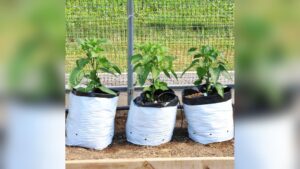
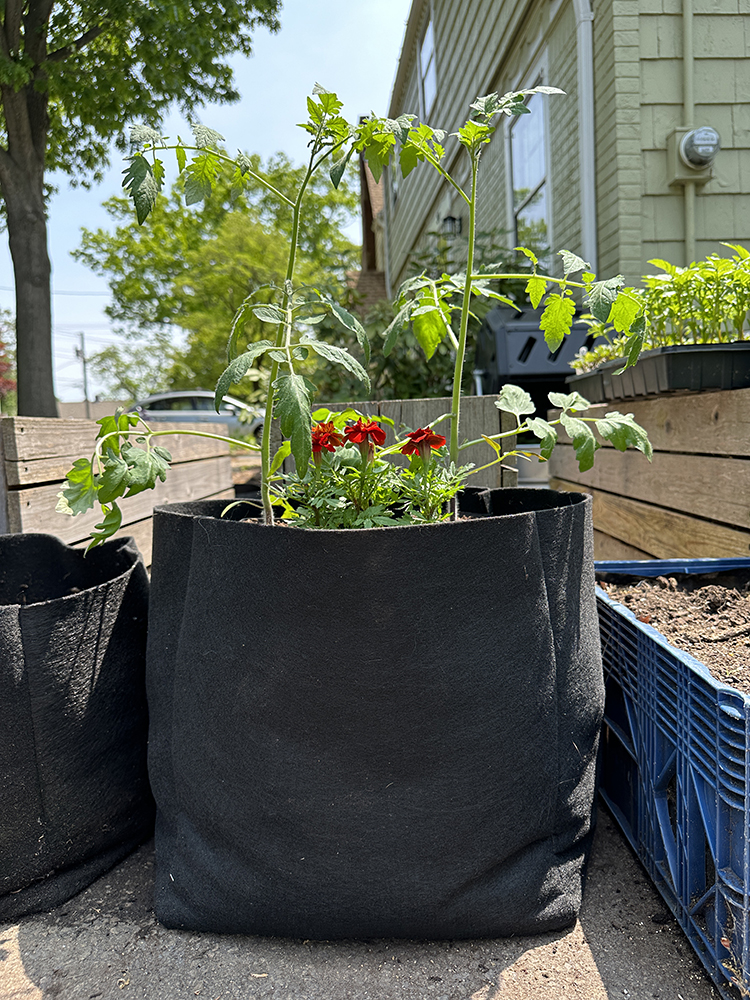
Grow bags are containers made from breathable fabric or plastic. They hold soil and let roots grow freely. Unlike pots, grow bags allow air to reach roots. This prevents root circling and promotes healthier plants.
They are lightweight and easy to move. Grow bags work well for vegetables, herbs, and flowers. They suit balconies, patios, and small gardens.
Materials Used
Most grow bags are made from non-woven fabric. This fabric is breathable and helps with air pruning of roots. Some grow bags use recycled plastic or felt materials. These allow water drainage and air flow.
Fabric grow bags dry faster, reducing root rot risk. Plastic grow bags hold moisture longer but may overheat in the sun. Choosing the right material depends on your climate and plant needs.
Size Options
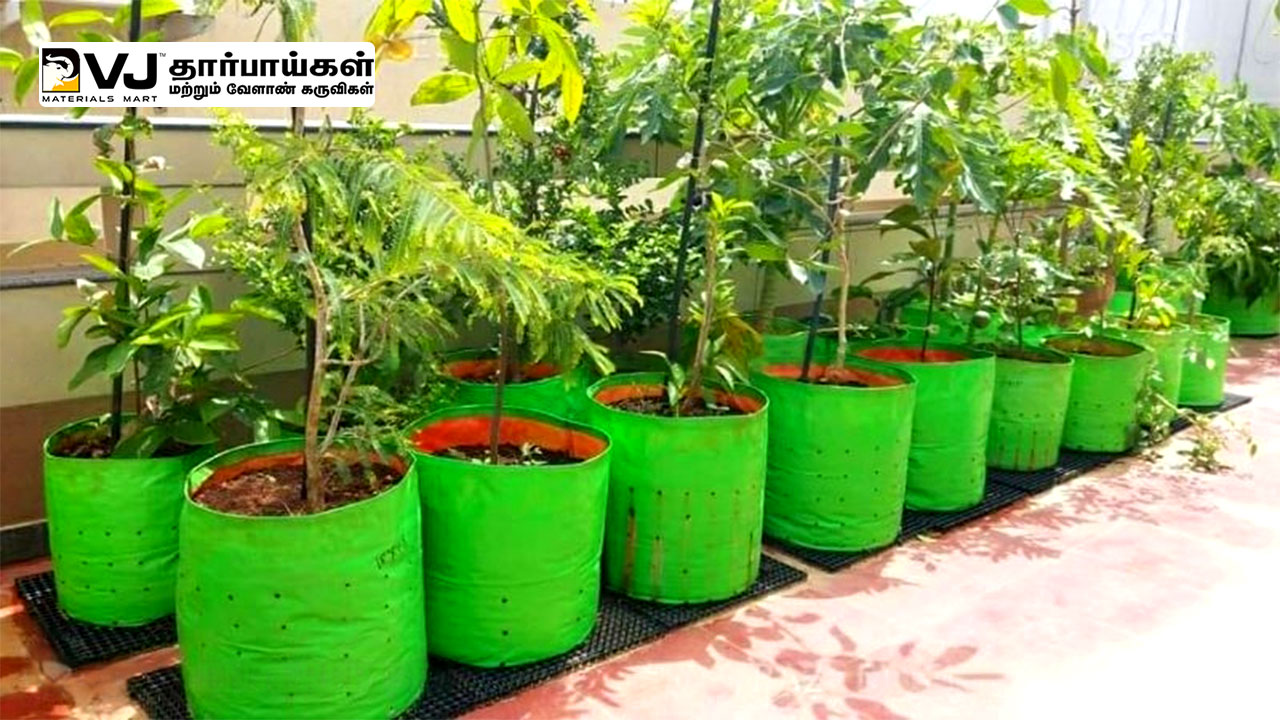
Grow bags come in many sizes, from small 1-gallon bags to large 20-gallon ones. Small bags are good for herbs and small plants. Larger bags fit bigger vegetables like tomatoes and peppers.
Choose a size based on the plant’s root space needs. Wide and shallow bags suit leafy greens and onions. Deep bags work better for root vegetables and larger plants.
Credit: vjmaterialsmart.com
Benefits Of Grow Bags
Grow bags offer many advantages for gardeners of all levels. These flexible containers improve plant growth and health. They provide a better environment for roots and make gardening easier. Below are some key benefits that show why grow bags are popular.
Improved Root Health
Grow bags help roots grow strong and healthy. The fabric allows air to reach the roots. This air pruning stops roots from circling and becoming root-bound. Plants develop a more fibrous and dense root system. Healthy roots absorb water and nutrients better. This leads to stronger and more productive plants.
Portability And Flexibility
Grow bags are lightweight and easy to move. You can change their location to catch the sun or avoid harsh weather. They come in different sizes to fit many plants. You can grow vegetables, flowers, or herbs with them. This flexibility suits small spaces and urban gardens well.
Better Drainage And Aeration
The breathable fabric of grow bags lets excess water drain quickly. This prevents waterlogging and root rot. Good aeration keeps the soil fresh and full of oxygen. Plants stay healthier and grow faster. The right balance of moisture and air helps roots thrive.
Avoiding Soil-borne Diseases
Using grow bags reduces risks from soil-borne diseases. You start with fresh, clean potting mix every season. This avoids harmful pathogens found in garden soil. Grow bags also keep pests and weeds away from roots. Your plants stay safer and healthier throughout growth.
Choosing The Right Grow Bag
Choosing the right grow bag is key for a healthy garden. The right bag helps plants grow strong. It supports roots and controls moisture. Picking a wrong bag can stunt growth or cause damage. Consider the plant type and growing needs before buying.
Considering Plant Size
Choose a grow bag size based on plant size. Small plants need small bags with less soil. Large plants need bigger bags for deep roots. Root vegetables need deep and wide bags. Herbs and lettuce grow well in shallow bags. Match the bag size to the plant’s root system.
Material Durability
Grow bags come in different materials. Some fabrics are thick and last many seasons. Others are thin and may tear easily. Strong materials protect roots and keep soil in place. Durable bags handle outdoor weather well. Check for sturdy seams and fabric texture before buying.
Biodegradable Vs Non-biodegradable
Biodegradable bags break down in soil over time. They are eco-friendly and reduce waste. Non-biodegradable bags last longer but need removal. Choose biodegradable for easy disposal and composting. Pick non-biodegradable for reuse across seasons. Decide based on your garden’s needs and environmental goals.
Setting Up Grow Bags
Setting up grow bags properly ensures healthy plant growth and easy maintenance. Prepare the bags with the right soil, place them thoughtfully, and protect surfaces underneath. These steps help maximize the benefits of grow bags in any garden.
Ideal Soil Mixes
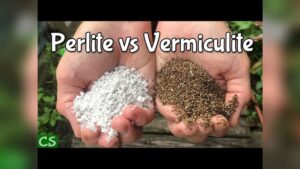
Use a light, well-draining soil mix for grow bags. Combine potting soil with compost and perlite or vermiculite. This mix retains moisture but avoids waterlogging roots. Avoid heavy garden soil, which can compact and reduce airflow. Nutrient-rich soil helps plants grow strong and healthy.
Placement Tips
Place grow bags where plants get enough sunlight. Most vegetables and flowers need at least six hours of sun daily. Avoid windy spots to protect plants from damage. Ensure good air circulation around bags to prevent mold and pests. Elevate bags slightly to improve drainage.
Using Mulch And Cardboard
Spread mulch or cardboard under grow bags to block weeds and keep soil moist. Mulch reduces evaporation and keeps roots cool. Cardboard breaks down over time, enriching the soil underneath. Both help create a clean area and reduce garden maintenance tasks.
Protecting Surfaces With Trays And Saucers
Place trays or saucers beneath grow bags to protect patios and decks from water damage. These catch excess water draining from the bags. Choose trays that fit the bag size to avoid spills. This also helps keep the growing area tidy and prevents stains.
Enhancing Drainage And Air Flow
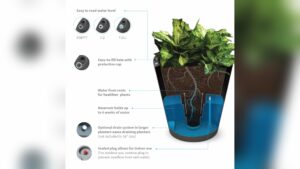
Proper drainage and air flow are key to healthy plants in grow bags. Without good drainage, water can pool at the bottom and cause root rot. Good air flow helps roots breathe and prevents soil from staying too wet. Enhancing these two factors improves plant growth and reduces disease risks.
Elevating Bags With Pavers Or Blocks
Raising grow bags off the ground helps water drain better. Use pavers or small blocks under the bags. This creates space for air to move beneath the bag. Air flow reduces soil moisture and keeps roots healthy. It also stops pests from hiding under the bags. Elevation encourages water to flow freely out of the bag’s holes.
Adding Gravel Inside Bags
Place a thin layer of gravel at the bottom inside the grow bag. Gravel allows excess water to drain quickly. This layer prevents soil from blocking drainage holes. Water moves through gravel and out of the bag easily. Adding gravel improves soil aeration around the roots. It helps plants avoid being waterlogged and encourages stronger root growth.
Common Challenges
Grow bags offer many gardening benefits, but they also come with some common challenges. Understanding these issues helps gardeners make better choices. The following points highlight the main concerns users face.
Weight Management
Grow bags filled with soil can become very heavy. Moving them around is not always easy. This can be a problem for people with limited strength. Large grow bags especially weigh a lot when wet. Managing their weight requires planning and care.
Durability Concerns
Not all grow bags last the same time. Some materials wear out quickly under sun and rain. Tears and holes may appear with regular use. This reduces their usefulness and may cause soil loss. Choosing strong, durable bags can help avoid these problems.
Replacing Non-biodegradable Bags
Many grow bags are made from plastic or other non-biodegradable materials. These bags do not break down in the soil. Removing and disposing of them can be a hassle. Switching to biodegradable options is better for the environment.
Best Plants For Grow Bags
Choosing the best plants for grow bags helps maximize your gardening success. Grow bags suit many plants but thrive with certain types. Plants that fit well use space efficiently and grow healthy roots. Select plants based on their root depth and growth habits. This guide covers shallow root crops, deep root vegetables, and herbs and flowers. Each group performs well in grow bags and offers diverse garden options.
Shallow Root Crops
Shallow root crops need little soil depth. They grow near the surface, perfect for small grow bags. Lettuce thrives in these conditions with fast growth. Spinach also prefers shallow soil and cooler temperatures. Radishes grow quickly and do well in shallow bags. Green onions and garlic fit this group too. These crops offer fresh, quick harvests in limited space.
Deep Root Vegetables
Deep root vegetables need more room for roots to spread. Carrots grow best in deep, loose soil inside grow bags. Beets also require depth to develop fully. Potatoes grow well in larger grow bags with deep soil. Sweet potatoes need space for long roots to grow. These vegetables benefit from the air circulation grow bags provide. Use bags at least 12 inches deep for best results.
Herbs And Flowers
Many herbs adapt well to grow bags due to their root size. Basil, parsley, and cilantro grow happily in small grow bags. Mint is vigorous but contained by grow bags, preventing spread. Marigolds and petunias add color and deter pests. Flowers brighten your garden and attract pollinators. Herbs and flowers offer variety and beauty in any grow bag garden.
Maintenance Tips
Maintaining grow bags properly helps plants thrive and extends the life of the bags. Simple care routines keep soil healthy and prevent problems. Follow these tips to get the best results from your grow bags.
Watering Strategies
Grow bags dry out faster than traditional pots. Check moisture daily, especially in hot weather. Water thoroughly until water drains from the bottom. Avoid letting soil stay too wet or too dry. Use a watering can or gentle hose spray for even watering. Early morning watering reduces evaporation and supports growth.
Fertilizing Tips
Plants in grow bags need regular feeding. Use a balanced liquid fertilizer every two weeks. Choose slow-release fertilizer mixed into the soil at planting time. Avoid over-fertilizing, which can damage roots and plants. Organic options like compost tea work well for steady nutrition. Fertilize more often during peak growing seasons for best results.
Cleaning And Storage
After the growing season, empty old soil from the grow bags. Rinse bags with clean water to remove dirt and salts. Let bags dry completely in the sun to prevent mold. Store bags in a dry, cool place until next use. Proper cleaning and storage keep bags durable and ready for future planting.
Grow Bags Vs Traditional Pots
Grow bags and traditional pots both serve as containers for growing plants. Each has unique features that affect plant health, convenience, and space use. Choosing between them depends on your gardening needs and environment. Below, we compare grow bags and traditional pots across key factors.
Pros And Cons Comparison
Grow bags are made of breathable fabric. This allows air to reach the roots, preventing root circling. They drain well, reducing risk of overwatering. But grow bags can dry out faster and may need frequent watering. Some grow bags wear out and need replacement over time.
Traditional pots are usually made of plastic, clay, or ceramic. They hold water longer and need less watering. They are durable and reusable for many years. However, pots can limit root growth and cause roots to circle. They also may overheat in strong sun, harming plants.
Space Efficiency
Grow bags are flexible and lightweight. They can fit in odd spaces and be easily moved. Their shape adapts to the space available. This makes grow bags good for small balconies or crowded gardens.
Traditional pots are rigid and take fixed space. They can be stacked or grouped but cannot adjust shape. Their weight makes moving them harder. Large pots may need more space than grow bags of similar volume.
Cost Considerations
Grow bags are often cheaper at first. They come in sets and sizes for all needs. Over time, replacement costs can add up if bags degrade.
Traditional pots cost more upfront. Their sturdy build lasts many years. This may save money long-term as they rarely need replacing.

Credit: joegardener.com
Conclusion
Grow bags offer a simple, flexible way to grow plants in small spaces. They provide good drainage and air flow for healthy roots. Choosing the right size helps plants grow strong and well. Using grow bags can reduce soil problems and make gardening easier.
They fit well on patios, balconies, or indoors. Remember to place something under the bag to protect surfaces. Overall, grow bags make gardening possible for many people, no matter the space. Give them a try for your next garden project.