What is a Grow Bag Made of: Eco-Friendly Materials Uncovered
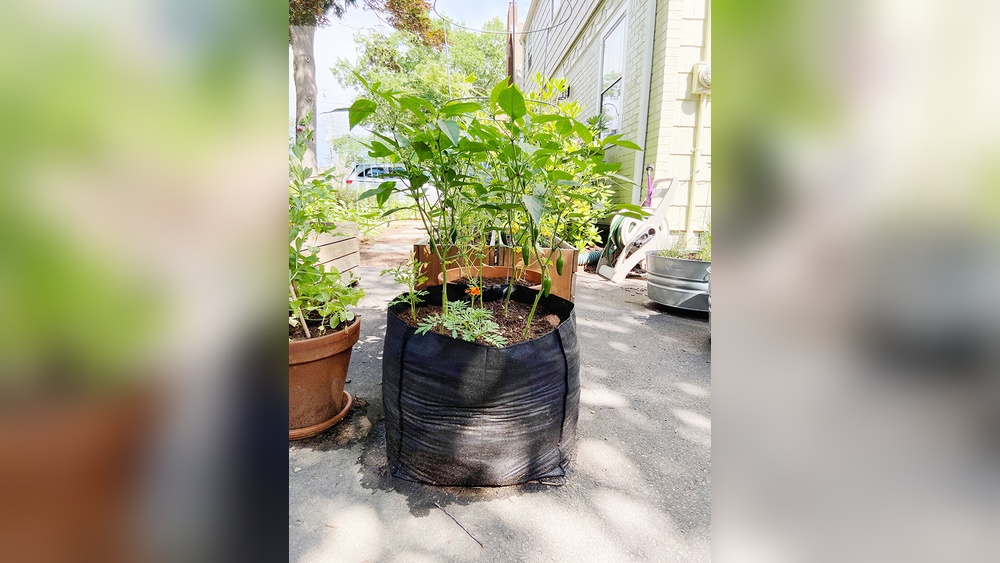
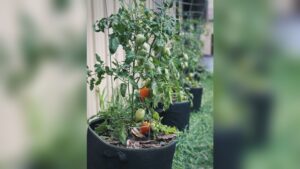
Have you ever wondered what your grow bag is actually made of? Whether you’re starting a small herb garden or growing tomatoes on your balcony, knowing the material behind your grow bag can make a big difference.
The right material affects how well your plants breathe, how easy it is to move your garden, and even the health of your soil. You’ll discover the common materials used in grow bags—from breathable fabrics made of recycled plastics to natural fibers like jute and burlap.
Understanding these options will help you choose the best grow bag for your gardening needs and ensure your plants thrive season after season. Keep reading to find out what’s inside your grow bag and why it matters to your garden’s success.
Credit: www.walmart.com
Common Grow Bag Materials
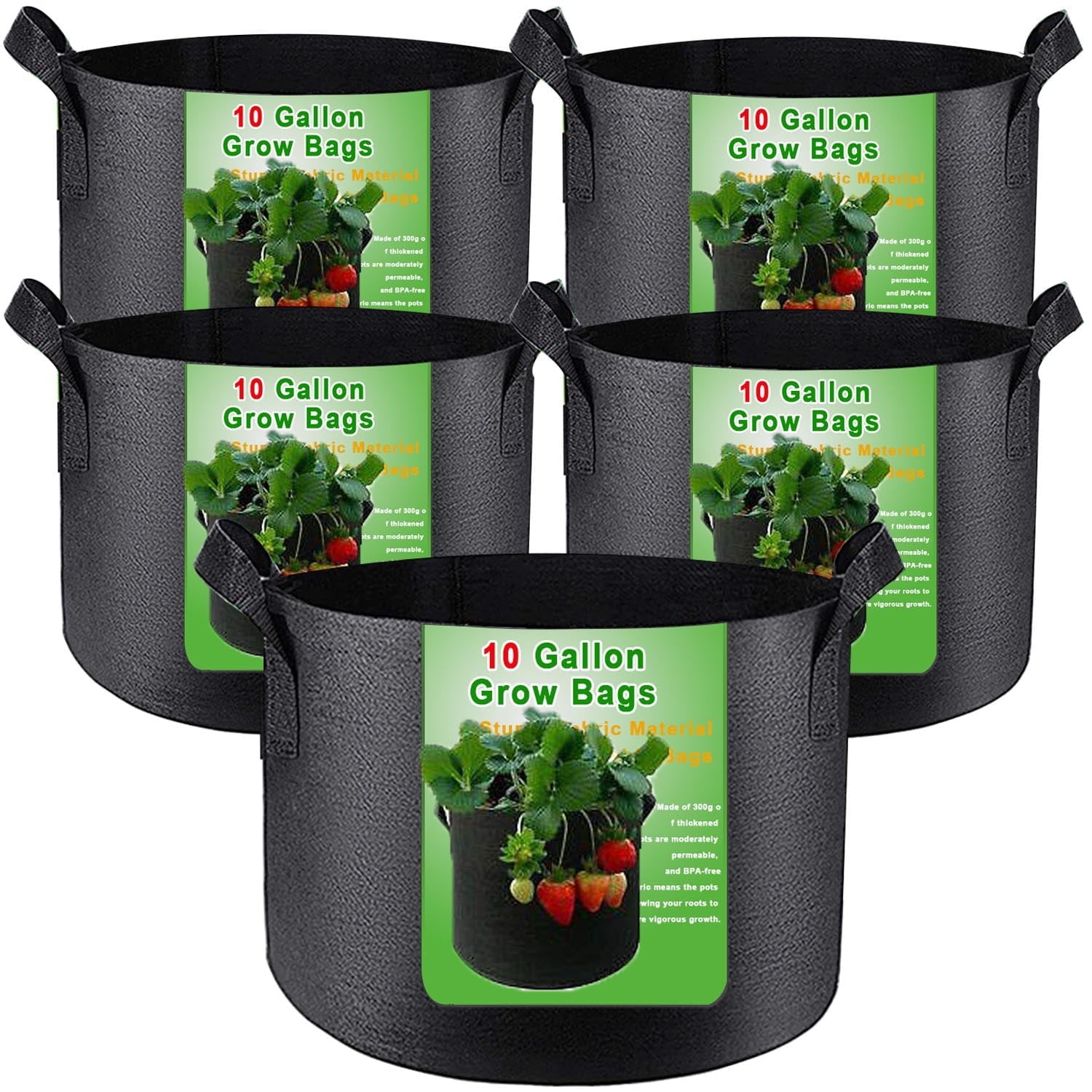
Grow bags come in different materials, each with unique benefits. Choosing the right material affects plant health and bag durability. The most common grow bag materials include synthetic fabrics, natural fibers, and felt-like fabrics. These materials support air flow, drainage, and root growth.
Synthetic Fabrics
Synthetic fabrics are popular for grow bags. They are usually made from polypropylene or polyethylene. These materials are strong and last for many growing seasons. They allow air to pass through, which helps roots breathe. Synthetic fabrics resist water, preventing overwatering problems. Many synthetic grow bags are lightweight and easy to move.
Natural Fibers
Natural fibers include jute, burlap, and cotton. These materials are biodegradable and eco-friendly. They break down naturally in the soil over time. Natural fiber grow bags provide good air circulation. However, they may wear out faster than synthetic ones. They are ideal for gardeners seeking organic and sustainable options.
Felt-like Fabrics
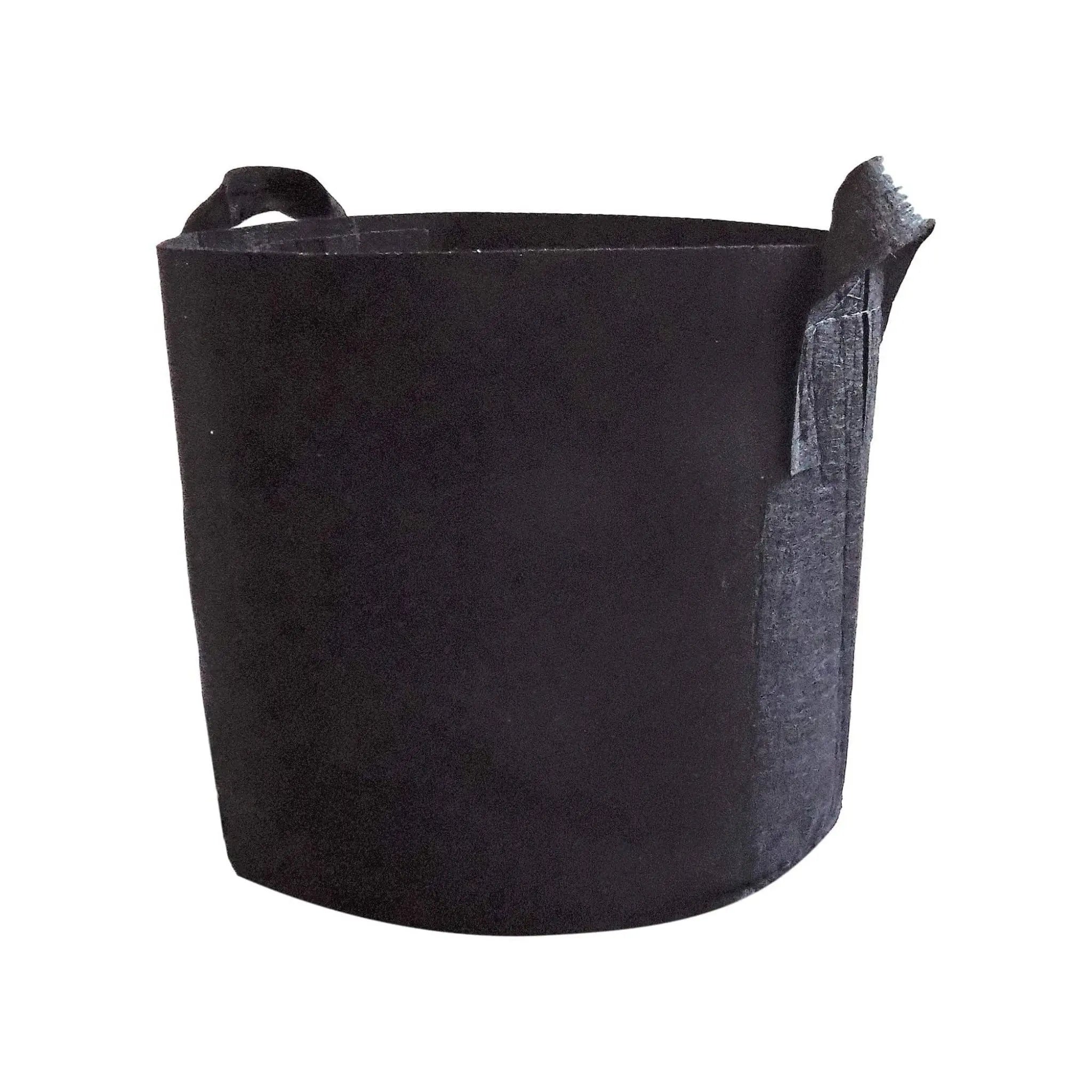
Felt-like fabrics are made from non-woven materials. Often, they use recycled plastics like PET or PP. Felt grow bags are breathable and durable. They support healthy root growth by air pruning roots. These bags retain moisture while allowing excess water to drain. Felt fabrics combine the benefits of synthetic and natural materials.
Credit: www.bootstrapfarmer.com
Synthetic Fabric Details
Grow bags often use synthetic fabrics to offer strength and breathability. These fabrics come from plastic materials that are processed into fibers. The most popular synthetic materials are polypropylene and PET. These fabrics help plants grow better by allowing air and water flow.
Synthetic fabrics also make grow bags durable and long-lasting. They resist tears and wear even with regular use. Yet, these fabrics raise some environmental concerns about waste and recycling.
Polypropylene And Pet
Polypropylene (PP) is a common plastic used in grow bags. It is lightweight, strong, and resists water. PET, or polyethylene terephthalate, comes from recycled plastic bottles. PET fibers are tough and help create breathable fabrics. Both PP and PET fabrics are non-woven, making them soft but durable.
Breathability And Durability
Synthetic fabrics allow air to reach plant roots. This prevents root rot and helps plants grow healthier. Water drains easily through the fabric, avoiding waterlogging. These fabrics hold up well against sunlight and rough handling. Grow bags made from synthetic fabrics last for several seasons.
Environmental Concerns
Synthetic grow bags do not break down quickly in nature. They can add to plastic waste if not recycled properly. Some manufacturers use recycled plastics to reduce impact. Reusing grow bags extends their life and reduces waste. Choosing biodegradable or natural options can lessen environmental harm.
Natural Fiber Options
Natural fiber grow bags offer an eco-friendly alternative to synthetic materials. They provide breathability and support plant health by allowing air and water flow. These fibers break down in soil over time, reducing waste and pollution.
Cotton
Cotton grow bags are soft and breathable. They allow roots to get enough air. Cotton is a natural fiber that decomposes in the soil. These bags are gentle on plants but may wear out faster than synthetic ones.
Jute
Jute is a strong, coarse fiber. It holds its shape well and supports heavy plants. Jute bags drain water efficiently, preventing root rot. They are fully biodegradable and add nutrients to the soil as they break down.
Burlap
Burlap comes from jute fibers but is woven more tightly. It offers durability and good breathability. Burlap grow bags are popular for their rustic look and natural feel. They degrade over time, enriching the garden soil.
Biodegradability Benefits
Natural fiber grow bags break down naturally in soil. They reduce plastic waste and pollution. These bags enrich the soil as they decay. Using them supports sustainable gardening practices. They help maintain a healthier environment.
Durability Limitations
Natural fibers wear out faster than synthetic ones. They may tear or rot after a few seasons. Exposure to moisture speeds up their breakdown. These bags need gentle handling and proper storage. Replacement may be needed more often than plastic bags.
Felt-like Fabric Characteristics
The felt-like fabric used in grow bags offers unique benefits for plant growth. This material is soft yet sturdy, making it ideal for holding soil and roots. Its texture allows water to drain well while keeping enough moisture for plants. The fabric’s breathability helps maintain a healthy root environment by allowing air flow. These characteristics support strong and healthy plants in small spaces or gardens.
Air Circulation And Root Pruning
The felt-like fabric promotes excellent air circulation around the roots. This prevents roots from becoming waterlogged and reduces the risk of root rot. The fabric allows air to reach the root zone, which improves oxygen availability. Roots that grow towards the fabric air prune themselves naturally. This stops roots from circling and becoming root-bound, encouraging new root growth and better nutrient absorption.
Material Composition
Most felt-like grow bags are made from non-woven fabrics such as polypropylene or recycled plastics like PET. These materials are lightweight and durable. Some grow bags use natural fibers like jute or hemp, which are biodegradable. The synthetic fabrics resist tearing and hold soil firmly. They are also safe for food plants and free from harmful chemicals. The blend of materials ensures breathability and strength for long-term use.
Longevity And Use Cases
Felt-like fabric grow bags last several growing seasons with proper care. They resist fading and damage from sunlight and moisture. These bags work well for vegetables, herbs, and flowers. They are perfect for patios, balconies, and small gardens. Their lightweight design makes moving plants easy. After use, some bags can be composted or recycled, depending on the material. This makes them an eco-friendly choice for many gardeners.
Eco-friendly Material Benefits
Grow bags made from eco-friendly materials offer many benefits for gardeners and the environment. These materials help reduce waste and support sustainable practices. Choosing the right grow bag can make a big difference in your gardening impact.
Reducing Plastic Waste
Many grow bags are now made from recycled plastics like polypropylene or PET. Using recycled plastic reduces the need for new plastic production. It also keeps plastic waste out of landfills and oceans. This simple choice helps lower overall plastic pollution.
Supporting Sustainable Gardening
Eco-friendly grow bags often use natural fibers such as jute, hemp, or burlap. These materials break down naturally over time. They improve soil health and reduce chemical use. Sustainable gardening with these bags protects plants and wildlife.
Compostable Options
Some grow bags are fully compostable and made from organic materials. They decompose quickly, turning into rich compost for your garden. Compostable bags eliminate waste and add nutrients back to the soil. They are a smart choice for eco-conscious gardeners.
Drawbacks Of Different Materials
Grow bags come in many materials, each with its own drawbacks. Choosing the right material matters for plant health and environmental impact. Some materials cause waste, others add weight, and many degrade over time. Understanding these issues helps gardeners make better choices.
Non-biodegradable Waste
Many grow bags use synthetic fabrics like polypropylene or polyethylene. These materials do not break down naturally in soil. They add to plastic waste in landfills and the environment. Removing old bags from gardens can be a hassle. Over time, leftover plastic fibers may harm soil health.
Weight And Handling Issues
Grow bags filled with soil can become very heavy. Some synthetic bags do not dry out quickly, adding to the weight. Heavy bags are hard to move, especially for small gardens or balconies. Bags made of thick materials might be bulky and difficult to store when empty.
Material Degradation Over Time
Sunlight and water slowly break down many grow bag fabrics. Synthetic materials can become brittle and tear after a few seasons. Natural fabrics like jute or burlap degrade faster but may lose strength quickly. Degraded bags leak soil and water, reducing plant growth quality.
Choosing The Right Grow Bag
Choosing the right grow bag is essential for healthy plant growth. The material affects water drainage, root health, and plant stability. Selecting a bag that fits your gardening needs improves results and makes care easier.
Breathability Importance
Breathability helps air reach plant roots. Grow bags made of porous materials like felt or jute allow air to circulate. This prevents root rot and promotes strong root systems. Proper airflow keeps soil temperature balanced and reduces overwatering risks.
Durability Needs
Durability ensures the grow bag lasts through seasons. Synthetic fabrics like polypropylene resist tearing and weather damage. Natural fibers such as burlap may break down faster. Choose a bag sturdy enough to hold soil and plants without collapsing or leaking.
Environmental Impact
Environmental impact matters for eco-friendly gardening. Natural fiber bags like jute or hemp biodegrade after use. Synthetic bags made from recycled plastics reduce waste but may not break down easily. Selecting reusable and recyclable grow bags supports sustainability.

Credit: www.amazon.com
Conclusion
Grow bags are mostly made from breathable, strong fabrics like polypropylene. Some use natural fibers such as jute or burlap, which break down in soil. These materials help air reach plant roots and prevent waterlogging. Choosing the right grow bag depends on durability and environmental impact.
Understanding what grow bags are made of helps gardeners pick the best option. This knowledge supports healthier plants and easier gardening. Grow bags offer flexibility and good drainage for many growing needs.