What Size Grow Bag for Vegetables: Ultimate Guide for Perfect Growth
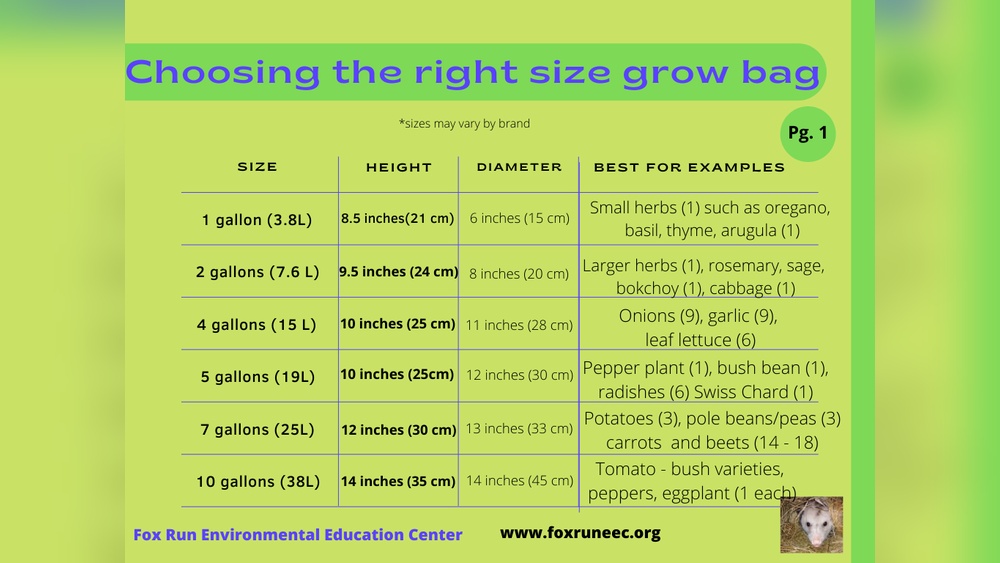
Choosing the right size grow bag for your vegetables can make all the difference between a thriving garden and a disappointing harvest. If you want your plants to grow strong and produce plenty of fresh veggies, you need to give their roots enough room to stretch and breathe.
But how do you know what size grow bag is just right for your favorite vegetables? Whether you’re growing carrots, tomatoes, or potatoes, this guide will help you pick the perfect grow bag size to maximize your yield and keep your garden healthy.
Choosing Grow Bag Sizes
Selecting the right grow bag size plays a big role in vegetable growth. It affects root space, water retention, and nutrient supply. The correct size helps plants grow strong and healthy.
Grow bags come in various sizes, shapes, and depths. Each type suits different vegetables and garden spaces. Understanding how to choose the best size saves time and effort in gardening.
Factors Influencing Size Selection
Plant type is the first factor to consider. Deep-rooted vegetables like carrots need deeper bags. Leafy greens require less root space and smaller bags.
Available space also matters. Small balconies need compact bags. Larger gardens can hold bigger bags for more harvest.
Watering frequency affects size choice. Larger bags retain moisture longer. Smaller bags dry out quickly and need more attention.
Small Vs Large Grow Bags
Small grow bags suit herbs and small vegetables. They fit tight spaces and are easy to move. Use them for lettuce, spinach, or radishes.
Large grow bags support bigger plants like tomatoes and potatoes. They give roots room to spread. Bigger bags hold more soil and nutrients.
Choosing a size depends on plant needs and space. Balance between size and manageability for best results.
Shape And Depth Considerations
Grow bag shape influences root growth. Round bags work well for most plants. Rectangular bags fit narrow spaces better.
Depth is critical for root crops. Deep bags allow long roots to grow straight. Shallow bags suit shallow-rooted plants.
Consider both shape and depth to provide a good growing environment. This helps plants thrive and produce more vegetables.
Grow Bags For Root Vegetables
Grow bags offer a flexible and space-saving way to grow root vegetables. These bags provide good drainage and aeration. They help roots grow strong and healthy. Choosing the right size is important. The bag must allow enough room for roots to expand. Different root vegetables need different depths and widths. This helps avoid misshapen or stunted growth. Below are ideal sizes for popular root crops.
Ideal Sizes For Carrots
Carrots need a grow bag at least 12 inches deep. This depth allows roots to grow straight and long. The width should be around 10 to 14 inches. This size gives space for several carrot plants. Use loose, sandy soil for easy root growth. Avoid compacted soil which can cause forked carrots.
Potato Grow Bag Dimensions
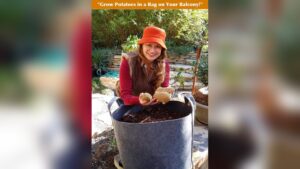
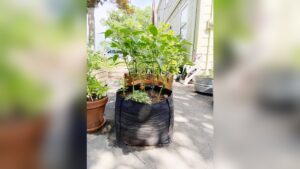
Potatoes require larger grow bags to support tuber development. A bag with 16 to 20 inches depth works best. The width should be about 18 to 24 inches. This size holds enough soil for good moisture and nutrient retention. It also provides room for multiple seed potatoes. Choose a sturdy bag to support the weight as plants grow.
Growing Parsnips And Others
Parsnips need deep grow bags similar to carrots. At least 14 inches deep is ideal. Width can be around 12 to 16 inches for multiple plants. Other root vegetables like radishes and beets can grow in smaller bags. For radishes, 8 to 10 inches deep is enough. Beets need at least 10 inches depth. Always use well-draining soil and keep moisture steady for best results.
Grow Bags For Tomatoes
Grow bags offer a flexible and effective way to cultivate tomatoes in small spaces. They allow good root growth and proper drainage. Choosing the right size grow bag depends on the tomato variety you want to grow. Different types need different amounts of space for healthy growth and fruit production.
Sizes For Determinate Varieties
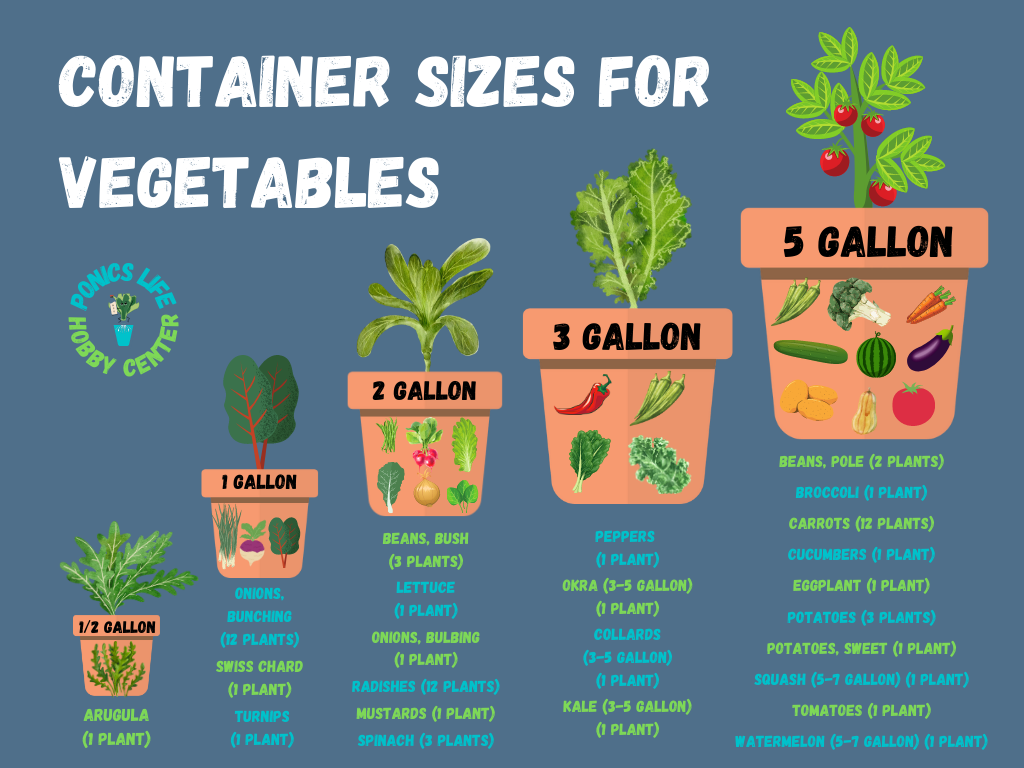
Determinate tomatoes grow to a set size and produce fruit all at once. A 5 to 7-gallon grow bag suits these plants well. This size gives enough room for roots to spread. It also helps keep the soil moist without waterlogging. This size supports a healthy harvest without crowding the roots.
Sizes For Indeterminate Varieties
Indeterminate tomatoes keep growing and producing fruit all season. They need more space than determinate types. Choose a 10 to 15-gallon grow bag for these plants. Larger bags allow roots to grow deeply and absorb more nutrients. This size helps support tall plants and heavy fruit loads.
Compact And Patio Tomato Options
Compact or patio tomatoes are bred for small spaces. They stay small and grow well in limited areas. A 3 to 5-gallon grow bag is enough for these varieties. This size keeps the roots healthy without taking up too much space. Ideal for balconies, patios, or small gardens.
Credit: ponicslife.com
Grow Bags For Peppers And Other Vegetables
Grow bags offer a flexible way to grow peppers and other vegetables in limited spaces. These bags allow roots to breathe and prevent overwatering. Choosing the right size grow bag is key to healthy plants and good yields. Different vegetables need different space for root growth.
Peppers and many other vegetables thrive in well-sized grow bags. Proper size supports root development and nutrient uptake. This section helps select the best grow bag size for peppers and mixed vegetable crops.
Recommended Sizes For Peppers
Peppers need a grow bag with enough depth and width for roots. A 3 to 5-gallon bag works well for most pepper varieties. This size provides enough room for root expansion and moisture retention.
Smaller bags may stunt growth or dry out quickly. Larger bags allow bigger plants and higher yields but need more soil and water. For hot peppers or larger bell peppers, choose a 5-gallon bag.
Versatile Bags For Mixed Crops
Mixed vegetable crops need grow bags that suit different root sizes. A 5 to 10-gallon grow bag fits a mix of peppers, tomatoes, and leafy greens. This size balances space and soil volume for varied plants.
Use larger bags for crops with deep roots like carrots or potatoes. Smaller bags suit herbs or lettuce. Group plants with similar water and root needs to improve growth in shared bags.
Soil And Watering Tips
Proper soil and watering practices improve vegetable growth in grow bags. Healthy roots need good soil and steady moisture. Avoid soil that is too heavy or waterlogged. Follow these tips to keep your plants strong and productive.
Choosing The Right Soil Mix
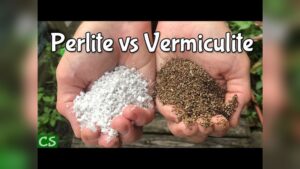
Use a light, well-draining soil mix for grow bags. Combine potting soil with compost and perlite or vermiculite. This mix holds nutrients and drains excess water. Avoid garden soil, which can be too dense and may contain pests. Fresh soil provides oxygen and space for roots to grow.
Maintaining Moisture Levels
Keep soil consistently moist but not soggy. Water regularly, especially during hot weather. Check soil moisture by feeling the top inch; water if it feels dry. Use a spray bottle or gentle watering can to avoid washing away soil. Proper watering helps plants absorb nutrients and prevents stress.
Drainage And Aeration
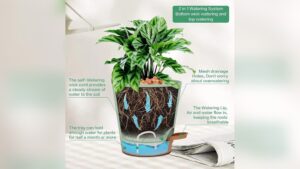
Good drainage prevents root rot and keeps plants healthy. Ensure your grow bag has holes at the bottom for water to escape. Add a layer of small stones or broken pottery to improve drainage. Aerate soil by gently loosening it every few weeks. This lets air reach roots and supports growth.
Credit: www.simpleecology.com
Maximizing Harvest In Grow Bags
Maximizing harvest in grow bags requires smart planning and care. Grow bags offer flexibility for vegetable gardening in small spaces. Choosing the right techniques can improve your vegetable yield significantly. Focus on efficient use of space, proper feeding, and timely harvesting to get the best results.
Space Optimization Techniques
Use vertical space by adding trellises or supports for climbing plants. Plant vegetables with different root depths together to avoid competition. Thin seedlings early to allow room for growth. Arrange grow bags where they receive full sunlight throughout the day. Rotate crops to keep soil healthy and productive.
Fertilizing Inside Grow Bags
Use slow-release fertilizers to provide steady nutrients over time. Add compost or organic matter to enrich the soil mix. Feed plants every two weeks with a balanced liquid fertilizer. Avoid over-fertilizing, which can harm roots and reduce yield. Monitor plant health and adjust fertilizer amounts as needed.
Harvest Timing For Best Yield
Harvest vegetables at their peak ripeness for best flavor and nutrition. Pick leafy greens regularly to encourage new growth. For root vegetables, wait until they reach the desired size before pulling. Harvest tomatoes when fully colored but still firm. Avoid letting vegetables over-ripen on the plant to prevent spoilage.
Common Grow Bag Mistakes
Choosing the right grow bag size is important for healthy vegetable growth. Many gardeners make common mistakes that limit their harvest. These errors often cause poor plant health and wasted effort.
Understanding these mistakes helps you avoid problems and grow better vegetables. Focus on key areas like plant space, watering, and bag quality. Fixing these issues leads to stronger plants and a better yield.
Avoiding Overcrowding
Putting too many plants in one grow bag causes crowding. Roots have less room to grow. Plants compete for water, nutrients, and light. Overcrowding reduces air flow, increasing disease risk.
Choose a grow bag size that fits your vegetable type and number. Leave enough space between plants. This helps roots spread and plants grow healthy and strong.
Preventing Waterlogging
Grow bags must drain well. Waterlogging suffocates roots and causes rot. It kills plants fast. Use bags with good drainage holes. Avoid bags that hold too much water.
Water vegetables evenly but not too much. Check soil moisture before watering again. Proper drainage keeps roots healthy and plants thriving.
Choosing Poor Quality Bags
Cheap grow bags tear easily and do not last long. Poor quality bags can leak soil and dry out plants quickly. They may not allow proper air flow for roots.
Pick grow bags made from sturdy, breathable fabric. Quality bags support plant growth and last through seasons. This saves money and effort in the long run.
Credit: rainsciencegrowbags.com
Special Tips For Terrace And Deck Gardens
Terrace and deck gardens need special care when choosing grow bags. Space limits and sunlight affect vegetable growth. Proper planning helps maximize harvest even in small areas. Follow these tips for better results with grow bags on terraces and decks.
Size Recommendations For Limited Spaces
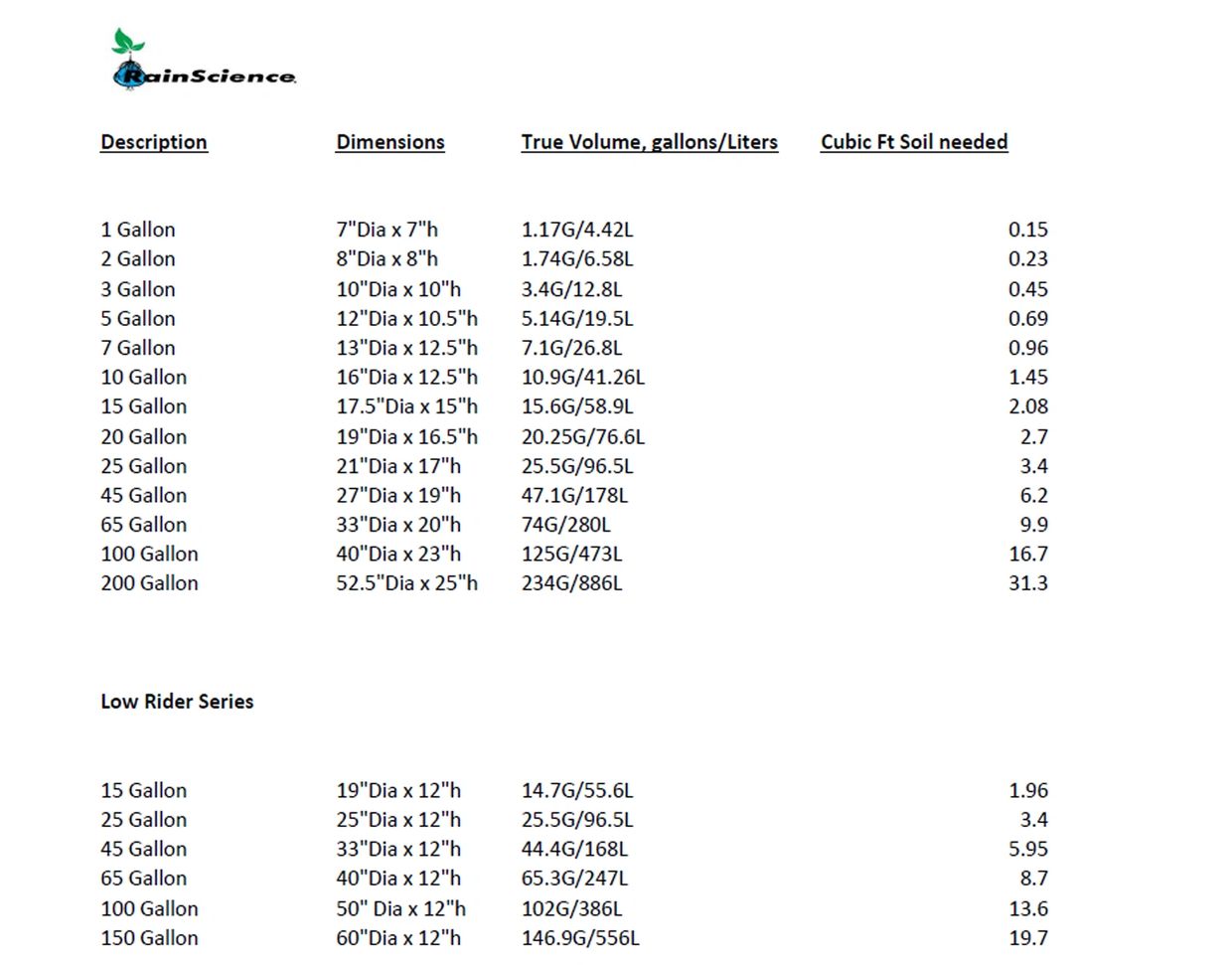
Choose smaller grow bags for tight spots, around 5 to 10 gallons. Use bags with at least 12 inches depth for root vegetables. Taller bags suit plants like tomatoes or peppers. Avoid very large bags that crowd the area. Multiple small bags allow variety and easy movement.
Container Placement For Sunlight
Place grow bags where they get 6 to 8 hours of sunlight. South-facing spots usually work best. Avoid shaded corners as plants need light to thrive. Rotate bags every few days for even sun exposure. Use stands or shelves to catch more light in crowded spaces.
Mobility And Storage Considerations
Pick grow bags with handles for easy moving. Shift bags to protect plants from harsh weather. Store bags indoors during winter to reuse next season. Lightweight bags help rearrange your garden as needed. Mobility supports healthy plants and space management.
Conclusion
Choosing the right grow bag size helps your vegetables grow strong. Small bags suit herbs and compact plants well. Medium or larger bags work better for root vegetables and tomatoes. Deeper bags allow roots to spread and absorb water easily.
Always pick bags with good drainage to prevent waterlogging. Use fresh, light soil for best results. Water regularly to keep soil moist but not soaked. Adjust bag size based on space and the vegetable type. Healthy roots mean healthy vegetables.