What Size Grow Bag for Tomatoes: Ultimate Guide for Perfect Growth
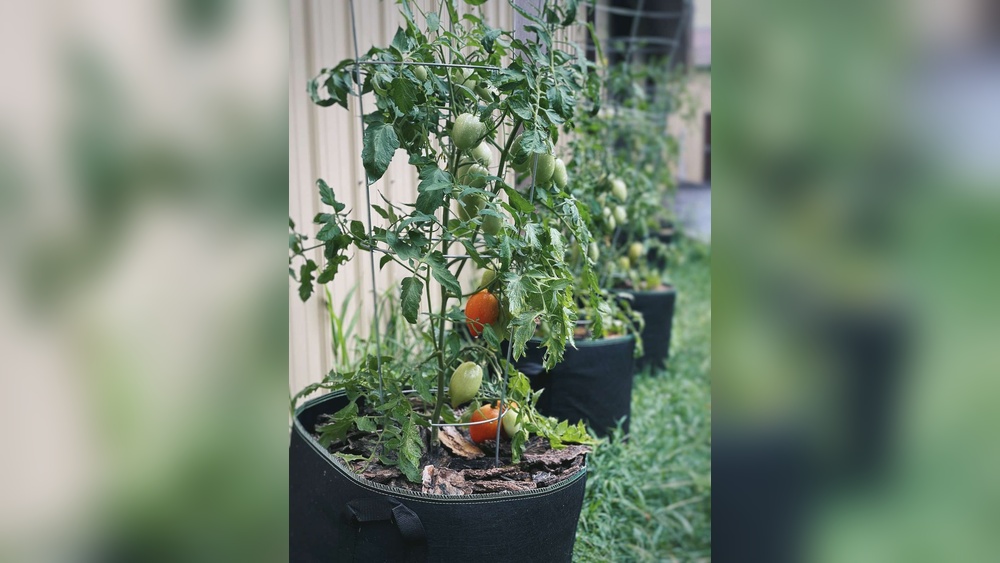
Are you ready to grow juicy, flavorful tomatoes right at home but unsure what size grow bag to choose? Picking the right grow bag is a simple step that can make a huge difference in how healthy and productive your tomato plants become.
Too small, and your tomatoes might struggle to develop; too large, and you could waste space and soil. In this guide, you’ll discover exactly what size grow bag works best for different tomato varieties, why size really matters for root growth, moisture, and plant stability, and how to give your tomatoes the perfect home to thrive.
Credit: meadowlarkjournal.com
Grow Bag Sizes For Tomatoes
Choosing the right grow bag size is key for healthy tomato plants. Tomatoes need enough space for roots to grow strong and for soil to hold moisture well. The size of the bag affects plant growth, fruit production, and ease of care. Different tomato types and growth habits need different bag sizes. This guide helps you pick the best size for your tomato grow bag.
Small, Medium, And Large Options
Small grow bags hold about 2 to 3 gallons of soil. They suit cherry tomatoes or small patio varieties. These bags are easy to move and fit in tight spaces.
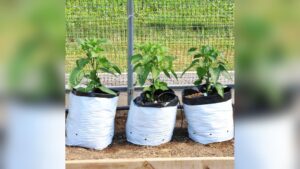
Medium grow bags range from 5 to 7 gallons. They work well for most common tomato types. Medium bags give roots more room to grow and hold moisture longer.
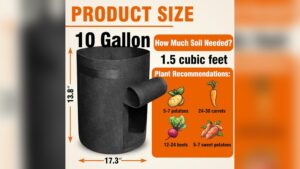
Large grow bags hold 10 gallons or more. Use these for large tomato plants or indeterminate varieties. Large bags support bigger root systems and heavier fruit loads.
Size Recommendations By Tomato Type
Cherry tomatoes do well in small bags of 2 to 3 gallons. Their roots are smaller and need less soil.
Most slicing tomatoes grow best in medium bags of 5 to 7 gallons. This size balances space and water needs.
Big beefsteak or heirloom tomatoes need large bags with at least 10 gallons. They develop large roots and heavy fruit clusters.
Choosing Based On Plant Growth Habit
Determinate tomatoes grow to a set size and stop. Medium bags usually suit them well.
Indeterminate tomatoes grow tall and keep producing fruit. Large bags help support their extensive roots and growth.
Consider the plant’s final size and fruit load. Bigger plants need bigger bags for best results.

Credit: www.thebambooguy.com
Why Bag Size Influences Growth
Grow bag size plays a key role in tomato plant health and yield. The right size ensures roots grow well and plants stay strong. Small bags restrict growth and limit water retention. Large bags give plants room to thrive and hold moisture better. Choosing the correct bag size supports robust tomato growth and fruit production.
Root Space And Development
Tomato plants have deep roots that spread wide and down. A large grow bag gives roots enough space to expand freely. Roots in small bags get crowded and tangled. Crowded roots struggle to absorb water and nutrients. More root space means stronger plants and bigger tomatoes.
Soil Moisture Retention
Bigger grow bags hold more soil, which keeps moisture longer. Soil dries out fast in small bags, needing frequent watering. Consistent moisture helps tomato plants grow steady and healthy. Proper moisture also prevents stress that can reduce fruit size.
Plant Stability And Support
Tomatoes grow tall and heavy with fruit. Large grow bags filled with soil provide a firm base. This keeps plants upright and stable in wind or rain. Small bags tip over easily, risking damage to the plant. Stability helps plants focus energy on fruit, not recovery.
Grow Bags For Different Tomato Varieties
Choosing the right grow bag size depends on the tomato variety you want to grow. Different tomatoes need different space for roots and growth. Proper bag size helps plants stay healthy and produce more fruit. Here is a guide for grow bags suited to popular tomato types.
Determinate Tomato Bags
Determinate tomatoes grow to a fixed size. They have a bushy shape and stop growing once fruit sets. A 5 to 7 gallon grow bag works well. This size gives roots enough room without wasting soil. It keeps the plant stable and supports good fruit development.
Indeterminate Tomato Bags
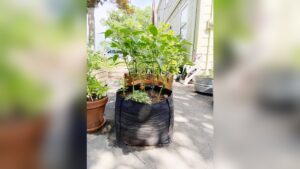
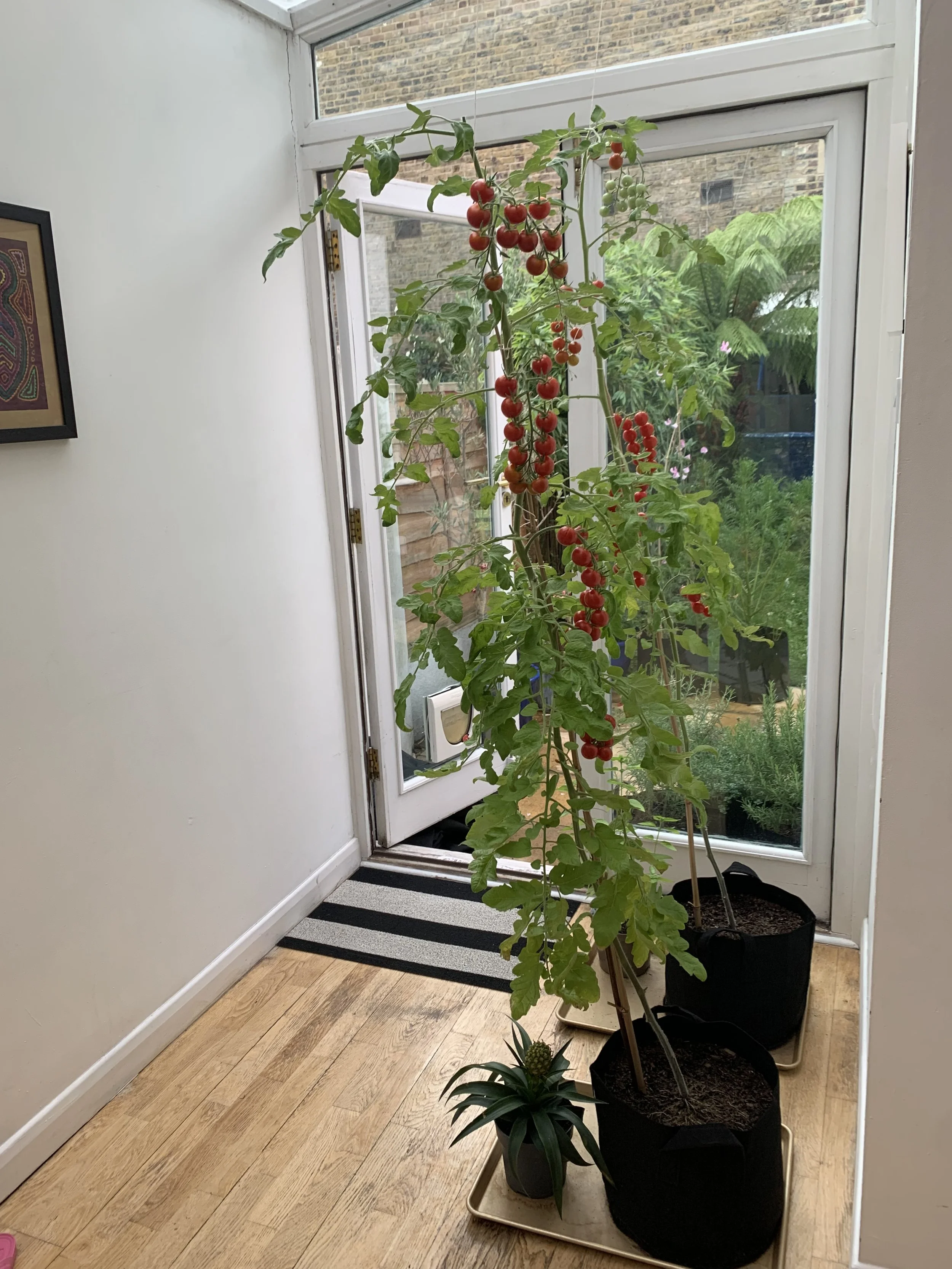
Indeterminate tomatoes grow tall and keep producing fruit all season. They need more space for roots and support. Use a 10 to 15 gallon grow bag for these plants. The larger size allows deep root growth and holds more water. It also helps keep the plant steady as it grows tall.
Cherry Tomato Bags
Cherry tomatoes produce many small fruits and grow in a compact way. A 5 gallon grow bag is usually enough. These bags provide enough soil for roots and moisture. They also make it easy to move the plants if needed. Cherry tomatoes thrive with good drainage and airflow.
Beefsteak Tomato Bags
Beefsteak tomatoes are large and heavy with big fruits. They need the most space to grow well. Choose a grow bag of 15 gallons or more. This size supports strong root systems and holds enough water. It prevents the plant from tipping over under the fruit’s weight.
Materials And Features Of Grow Bags
Choosing the right materials and features in grow bags impacts tomato growth significantly. Good grow bags offer proper root space and promote healthy plant development. They also improve watering efficiency and plant stability. Understanding fabric types, drainage, and durability helps select the best option for growing tomatoes.
Fabric Types And Breathability
Grow bags usually come in fabric or plastic materials. Fabric grow bags are popular for tomatoes due to their breathability. They allow air to reach roots, preventing root rot and promoting strong growth. Common fabrics include felt and non-woven polypropylene. These materials balance moisture retention with air circulation, keeping roots healthy.
Drainage And Aeration Benefits
Drainage is crucial for tomato plants to avoid waterlogging. Fabric grow bags naturally drain excess water through their porous walls. This feature prevents soil from becoming soggy and reduces the risk of fungal diseases. Aeration improves root oxygen supply, encouraging better nutrient absorption. Well-aerated soil supports vigorous tomato plants with higher yields.
Durability And Reusability
Durability matters for long-term use and cost-effectiveness. Quality grow bags resist tearing and withstand outdoor conditions like sun and rain. Many fabric bags can be reused for several growing seasons. They are lightweight, easy to move, and store. Choosing durable grow bags means fewer replacements and sustainable gardening.
Optimizing Growth In Grow Bags
Optimizing growth in grow bags is key for healthy tomato plants. Choosing the right size bag matters, but care practices inside the bag are just as important. Proper soil, watering, and sunlight help tomatoes thrive in limited space.
Grow bags give roots room to grow and improve air circulation. This reduces disease and boosts plant vigor. Proper care ensures tomatoes develop strong stems and produce abundant fruit.
Soil Mix And Fertilization
Use a light, well-draining soil mix for grow bags. Combine potting soil with compost and perlite for airflow. This mix holds moisture without becoming soggy, preventing root rot.
Feed tomatoes regularly with balanced fertilizer. Choose one high in phosphorus and potassium to support flowers and fruit. Slow-release fertilizers work well for steady nutrition.
Watering Techniques
Water grow bags deeply but less often. This encourages roots to grow deeper. Check soil moisture daily by feeling the top inch of soil.
Water early in the day to reduce evaporation. Avoid wetting leaves to prevent fungal diseases. Use a drip system or water at the base of the plant.
Placement And Sunlight Exposure
Place grow bags where tomatoes get at least 6-8 hours of direct sunlight. Sunlight is critical for fruit development and sweetness.
Avoid shady spots or locations with strong wind. Wind can dry soil quickly and damage plants. Rotate bags occasionally to ensure even light exposure.
Common Challenges With Grow Bags
Grow bags offer a flexible way to grow tomatoes in small spaces. Yet, they come with common challenges. These issues can affect plant health and yield. Understanding these challenges helps in choosing the right grow bag size and care methods. Below are some key problems and solutions to consider.
Preventing Root Bound Issues
Tomato roots grow fast and need space to spread. Small grow bags can restrict root growth. This causes the plant to become root bound. Root bound plants absorb less water and nutrients. Use larger grow bags to allow roots to expand freely. A 10 to 15-gallon grow bag is usually best for tomatoes. Check roots occasionally to avoid overcrowding. Repot or trim roots if necessary to keep plants healthy.
Managing Temperature Fluctuations
Grow bags heat up quickly in the sun. High temperatures can stress tomato plants. Roots may get too hot and dry out. Use grow bags made of breathable fabric to help regulate heat. Place bags in spots with partial shade during the hottest part of the day. Water regularly to keep soil cool and moist. During cold weather, bring grow bags indoors or cover them to protect roots.
Pest And Disease Control
Grow bags reduce some soil pests but do not eliminate risks. Common tomato pests include aphids, whiteflies, and spider mites. Inspect plants often for signs of pests. Remove affected leaves and use safe insect sprays if needed. Diseases like blight can spread quickly in grow bags. Avoid overwatering and keep good air circulation around plants. Clean grow bags before reuse to prevent disease build-up.
Tips For Selecting The Right Grow Bag
Selecting the right grow bag for tomatoes is crucial for a healthy harvest. The bag size impacts root growth, moisture retention, and plant stability. Choosing wisely ensures your tomato plants thrive and produce well.
Assessing Available Space
Measure the area where you plan to place your grow bags. Small balconies or patios need compact bags. Larger gardens allow for bigger bags that support more growth. Ensure enough room for air circulation around each bag.
Budget Considerations
Grow bags come in various prices, often linked to size and material. Set a budget before buying. Cheaper bags might not last long or hold enough soil. Investing a bit more improves durability and plant health.
Balancing Size And Portability
Large grow bags hold more soil but are heavy when filled. Smaller bags are easier to move but may restrict root growth. Choose a size that fits your space and is easy to handle during watering or repositioning.
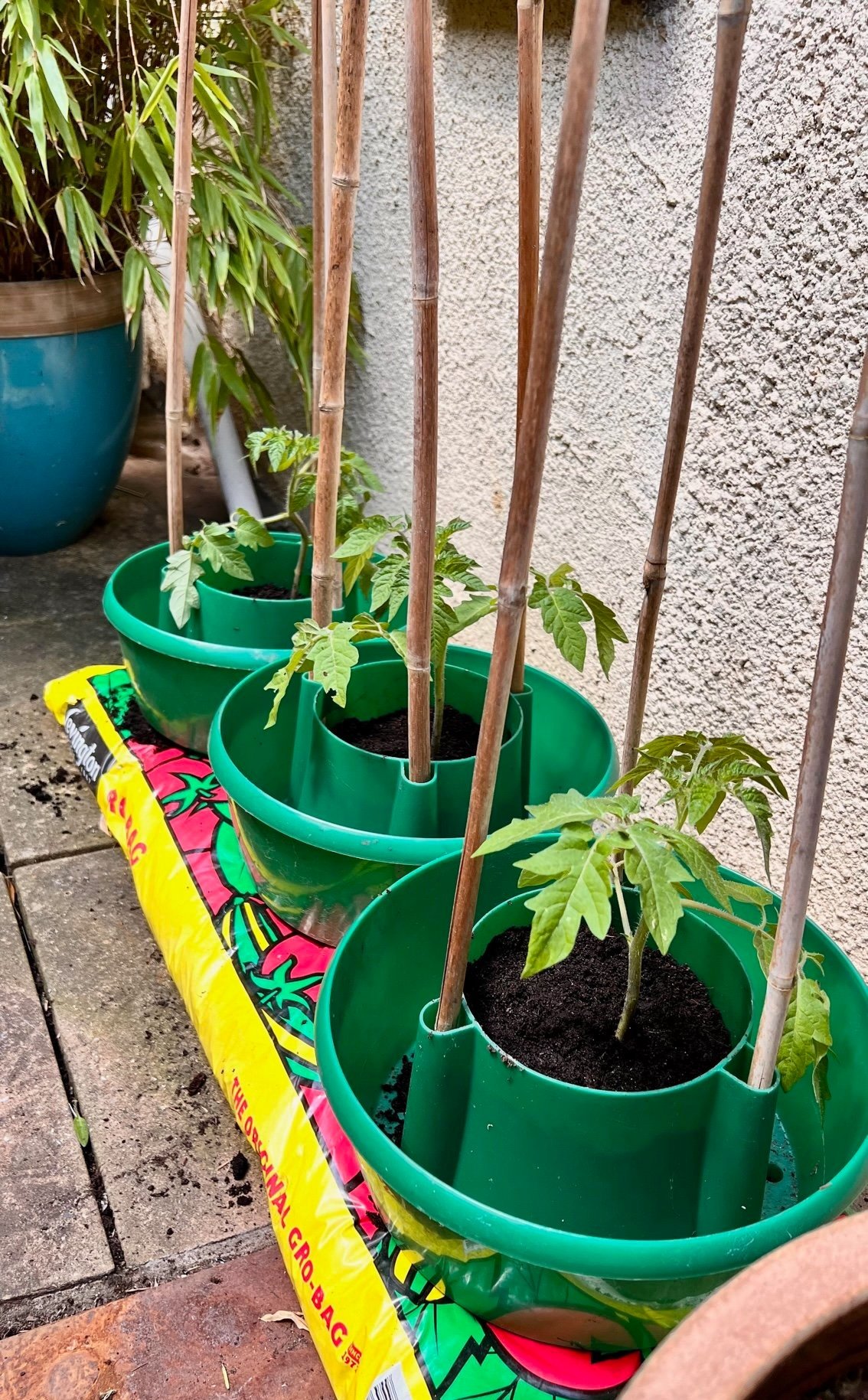
Credit: www.mudandbloom.com
Conclusion
Choosing the right grow bag size helps your tomato plants thrive. Bigger bags give roots room to grow deep and spread wide. This supports strong plants and better fruit production. They also hold more soil, keeping moisture longer and reducing watering needs.
A stable, large bag prevents tipping as tomatoes get heavy. Remember, proper grow bag size is key for healthy tomato growth and a good harvest. Keep it simple, pick a bag that fits your space and tomato type. Happy gardening!