How to Use a Grow Bag: Expert Tips for Thriving Plants

Are you ready to transform your gardening game with a simple, space-saving tool? Grow bags are a fantastic way to grow your favorite plants, whether you have a tiny balcony or a backyard garden.
But how do you use a grow bag to get the best results? Understanding the right steps can make a huge difference in your plant’s health and your harvest. You’ll discover easy, practical tips to set up and care for your grow bags, so your plants thrive all season long.
Choosing The Right Grow Bag
Choosing the right grow bag is vital for a successful gardening experience. Grow bags come in different materials and sizes. Picking the right one helps plants grow healthy and strong. It also makes gardening easier and more enjoyable. Understanding the options helps you match the bag to your plants’ needs.
Materials And Sizes
Grow bags are mostly made from fabric or plastic. Fabric bags allow air to pass through. This stops roots from circling and improves drainage. Plastic bags hold moisture longer but can overheat in the sun. Choose fabric bags for better root health. Sizes range from small 1-gallon bags to large 20-gallon ones. Small bags suit herbs and flowers. Large bags work well for bigger vegetables like tomatoes. Pick a size that fits the plant’s root system. Also, consider the space available for placing the bags.
Best Plants For Grow Bags
Grow bags work best for many vegetables and herbs. Tomatoes, peppers, and cucumbers thrive in medium to large bags. Leafy greens like spinach and lettuce do well in smaller bags. Herbs such as basil, parsley, and mint also grow nicely in small grow bags. Root vegetables like carrots and radishes need deep bags for enough space. Choose plants that match the bag size and material. This helps plants get enough air, water, and room to grow.

Credit: www.youtube.com
Preparing Your Grow Bag
Preparing your grow bag is an important first step for healthy plants. It sets the stage for strong roots and good drainage. Proper preparation helps your plants grow better and avoids common problems like waterlogging.
Follow these simple steps to get your grow bag ready for planting. This will create the best environment for your seeds or seedlings.
Adding Drainage Holes
Drainage holes allow excess water to escape. Without them, water collects at the bottom and harms roots. Use a sharp tool to make several small holes evenly spaced on the bottom of the bag. Make sure holes are not too large to avoid soil loss. Proper drainage prevents root rot and keeps soil healthy.
Selecting Soil And Amendments
Choose light, well-draining soil for your grow bag. A mix made for container gardening works best. Avoid heavy garden soil, which can stay too wet. Add compost or organic matter to boost nutrients. This helps plants get the food they need. Mix the soil and amendments well before filling the bag. Healthy soil supports strong, productive plants.
Setting Up The Location
Choosing the right spot for your grow bag is essential. The location affects plant health and growth. Find a place with good sunlight and air flow. The ground should be level and clean. Preparing the area helps your plants thrive from the start.
Using Trays And Saucers
Place trays or saucers under grow bags to catch excess water. This prevents water from pooling and damaging surfaces. Trays help keep patios and decks clean and dry. Choose trays that fit the size of your grow bags well.
Elevating Bags For Drainage
Lift grow bags slightly off the ground to improve drainage. Use bricks, wooden blocks, or pot feet for elevation. This stops water from sitting under the bags. Good drainage keeps roots healthy and reduces the risk of rot.
Protecting Surfaces And Controlling Weeds
Put a weed barrier or cardboard under grow bags to block weed growth. This keeps your garden tidy and saves time on weeding. Protect surfaces like wooden decks with plastic sheets or tarps. This prevents stains and moisture damage from the bags.
Planting Techniques
Planting techniques are key for success with grow bags. Proper methods help plants thrive and produce well. Simple steps can make growing easier and more productive.
Using the right planting techniques ensures good root growth and healthy plants. Soil preparation, seed placement, and spacing all matter. Here are the main ways to plant in grow bags.
Sowing Seeds In Grow Bags
Fill the grow bag with loose, well-draining soil. Moisten the soil before sowing seeds. Make shallow holes or furrows based on seed size. Place seeds gently and cover with soil.
Do not plant seeds too deep. Lightly press the soil to secure seeds. Water gently to avoid washing seeds away. Keep the soil moist until seeds sprout.
Transplanting Seedlings
Choose strong seedlings for transplanting into grow bags. Make a hole in the soil large enough for roots. Carefully remove seedlings from their original containers.
Place the seedling in the hole and cover roots with soil. Press soil lightly around the base to remove air pockets. Water well after transplanting to settle the soil.
Spacing And Depth Tips
Space plants properly to avoid overcrowding. Check seed packets for recommended spacing. Crowded plants compete for water and nutrients.
Plant seeds or seedlings at the right depth. Too deep can slow growth, too shallow can dry out roots. Follow guidelines on seed packets for best results.
Maintain even soil moisture but avoid waterlogging. Proper depth and spacing lead to healthy roots and strong plants.
Watering And Feeding
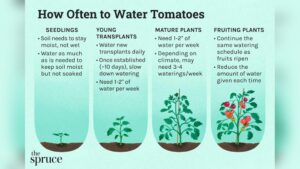
Watering and feeding are vital for healthy plants in grow bags. Proper care helps roots absorb nutrients and stay strong. Grow bags drain well, so water often enough to keep the soil moist but not soaked. Feeding with the right nutrients supports growth and productivity. Balance water and fertilizer for best results.
Maintaining Moisture Levels
Check the soil daily by touch. The top inch should feel damp but not wet. Water deeply until water seeps out of the bottom. This ensures roots get enough moisture. During hot days, water more often to prevent drying. Mulch on top helps keep moisture longer. Avoid letting the soil dry out completely.
Choosing Fertilizers
Select a balanced fertilizer with nitrogen, phosphorus, and potassium. These nutrients promote leaf growth, root health, and flowering. Use liquid fertilizers for quick absorption or slow-release pellets for steady feeding. Organic options like compost tea or fish emulsion are gentle and effective. Follow package instructions to avoid overfeeding. Feed plants every two to three weeks during growing season.
Avoiding Overwatering
Too much water can cause root rot and poor growth. Let the soil dry slightly between watering sessions. Ensure grow bags have enough drainage holes. Lift the bag occasionally to check weight and moisture. If the bag feels heavy and soggy, reduce watering. Water early in the day to allow excess moisture to evaporate. Good airflow around the bag helps prevent mold and fungus.
Managing Growth
Managing growth in your grow bag is key to healthy plants and a good harvest. Proper care helps plants use space well and stay strong. Watch your plants daily to spot changes early. Adjust your care as plants grow to meet their needs. This keeps your garden thriving and productive.
Pruning And Training Plants
Pruning removes dead or extra leaves. This lets light reach the healthy parts. Trim plants carefully to avoid stress. Training plants guides their growth direction. Use ties or stakes to shape them. This prevents overcrowding and supports air flow.
Supporting Taller Plants
Taller plants need support to stay upright. Place stakes or cages near the base. Tie plants loosely to supports with soft ties. This stops bending and breaking in wind. Proper support also helps fruit grow evenly.
Controlling Pests And Diseases
Check plants regularly for pests and disease signs. Remove affected leaves or plants quickly. Use natural remedies like neem oil or insecticidal soap. Keep the area clean and dry to prevent problems. Healthy plants resist pests better and grow stronger.
Seasonal Care
Seasonal care plays a key role in successful grow bag gardening. Plants in grow bags face changing weather conditions. Proper care helps them thrive through different seasons. Adjusting your approach keeps plants healthy and productive all year.
Knowing how to protect grow bags during cold months preserves soil and roots. Seasonal care ensures your garden stays strong despite temperature shifts. Follow simple steps to prepare your grow bags for each season.
Adjusting For Temperature Changes
Warm weather increases water evaporation from grow bags. Check soil moisture daily to avoid drying out. Water early in the morning or late in the evening. Move grow bags to shaded areas during hot afternoons. Use mulch on the soil surface to keep it cool. Cooler temperatures slow plant growth and water needs. Reduce watering but never let the soil dry completely. Bring bags indoors or to sheltered spots if frost threatens. Protect plants from sudden cold by covering bags with cloth or plastic sheets.
Preparing Grow Bags For Winter
Empty grow bags after the last harvest to prevent disease build-up. Clean the bags with mild soap and water. Allow them to dry completely before storage. Store bags in a dry, cool place away from sunlight. For bags with overwintering plants, add extra mulch for insulation. Place grow bags close to walls or fences to reduce wind exposure. Consider using frost cloths or covers on freezing nights. Avoid overwatering in winter to prevent root rot. Proper winter care extends the life of your grow bags and plants.

Credit: www.wikihow.com
Harvesting And Reusing Grow Bags
Harvesting and reusing grow bags helps save money and supports sustainable gardening. Proper care allows you to get multiple growing seasons from each bag. This section guides you on when to harvest, how to clean, and ways to extend your grow bag’s life.
When To Harvest
Harvest your plants once fruits or vegetables ripen fully. Check daily for signs of readiness like color change or size. Pick crops gently to avoid damaging the grow bag or roots. Remove old plants completely before reusing the bag. Clear out all plant debris to prevent pests and diseases.
Cleaning And Storage Tips
Empty soil and shake out loose dirt from the grow bag. Rinse the bag with clean water to remove remaining soil. Use mild soap and a soft brush for stubborn stains or residues. Allow the bag to dry fully in a sunny, airy spot. Store the dry grow bag in a cool, dry place away from direct sunlight.
Extending Grow Bag Lifespan
Handle grow bags gently during planting and harvesting to avoid tears. Avoid dragging bags on rough surfaces to prevent damage. Rotate the bags’ position to reduce wear on one side. Use fresh, high-quality soil and avoid overwatering to keep the fabric healthy. Repair small holes or tears promptly with fabric patches or tape.
Credit: www.youtube.com
Conclusion
Using grow bags makes gardening simple and flexible. They save space and improve plant health. Fill bags with quality soil and water regularly. Place them where plants get enough sunlight. Check drainage to avoid waterlogging. Growing vegetables or flowers in bags works well.
You can move bags easily to suit weather or space. With care, grow bags yield healthy, vibrant plants. Try them for a practical, enjoyable gardening experience.