How Long Do Grow Bags Last: Ultimate Guide to Durability & Care
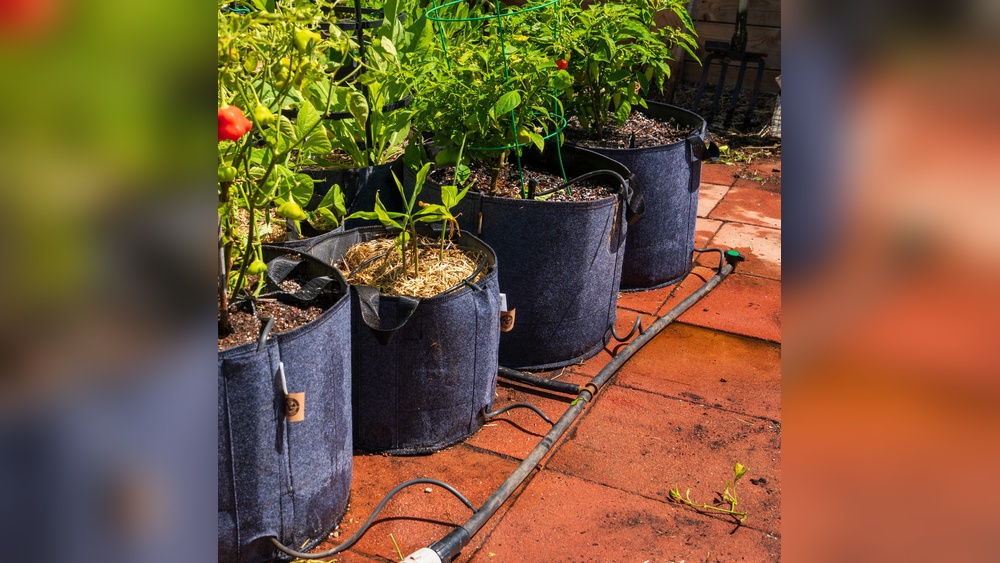
If you’re using grow bags for your garden, you’ve probably wondered: how long do these bags actually last? Knowing their lifespan is key to planning your gardening routine and getting the best value for your money.
Grow bags have many advantages, but they also come with a few challenges, like wearing out over time or needing special care. You’ll discover what affects the durability of grow bags, signs that it’s time to replace them, and simple tips to extend their life.
Grow Bag Lifespan
Grow bags are popular for gardening due to their breathability and portability. Knowing how long they last helps gardeners plan their use and replacement. The lifespan of grow bags depends on several key factors. Quality, material, and environmental conditions all play a role. Understanding these elements ensures you get the best value from your grow bags.
Typical Durability Span
Most grow bags last between 2 to 5 years. Higher quality bags tend to last closer to 5 years. Lower quality or thin fabric bags may only last 1 to 2 years. Frequent use and exposure to sun and rain can shorten their lifespan. Proper care can extend the durability of grow bags.
Factors Affecting Longevity
Exposure to sunlight breaks down fabric fibers over time. Heavy rain and constant moisture may cause mold or mildew. Handling also matters; rough use or dragging can cause tears. Soil type and watering habits impact fabric wear. Storing bags indoors during winter helps preserve them.
Material Types And Lifespan
Non-woven polypropylene is common and lasts about 3 to 5 years. Burlap bags tend to degrade faster, around 1 to 2 years. Biodegradable materials break down naturally and last less than a year. Heavy-duty woven fabrics resist tearing and last longer. Choosing the right material depends on your gardening needs.
Watering Challenges
Watering grow bags presents specific challenges due to their material and design. The porous fabric allows air to reach roots but also causes soil to dry out faster. This means plants in grow bags need more careful and frequent watering. Understanding these challenges helps ensure healthy plant growth and extends the life of your grow bags.
Frequent Watering Needs
Grow bags dry out much faster than plastic or ceramic pots. The fabric lets water evaporate quickly, especially in warm weather. Plants can suffer if soil stays dry too long. Watering must happen often to keep soil moist. This frequent watering can be time-consuming but is essential for plant health.
Soil Drying And Hydrophobic Issues
When soil in grow bags dries out completely, it becomes hydrophobic. This means water runs off instead of soaking in. The soil repels water, making it hard to rehydrate the plant’s roots. Hydrophobic soil can stress plants and slow growth. Prevent this by watering before the soil gets bone dry.
Effective Watering Techniques
Water grow bags slowly and evenly to let moisture soak in. Pouring water too fast causes it to run out the sides. Use a watering can with a fine spout or a drip irrigation system. Check soil moisture regularly by touching it. Water deeply rather than just wetting the surface. These methods help maintain healthy soil moisture and support plant roots.
Durability Issues
Grow bags face several durability issues that affect their lifespan. These problems can shorten how long they last and reduce their usefulness. Understanding common durability concerns helps gardeners choose better quality bags and care for them properly.
Ripping And Tearing Risks
Grow bags often rip or tear over time. Thin fabric and rough handling cause small holes or large tears. Moving bags with heavy soil increases the risk of damage. Sharp objects or roots growing through the fabric can also cause tears. Low-quality bags tear more easily than sturdy ones.
Handle Strength And Wear
Handles on grow bags can wear out quickly. Weak stitching or thin fabric causes handles to break. Carrying heavy soil stresses the handles more. Broken handles make moving the bags hard and unsafe. Reinforced handles last longer and support the bag better.
Structural Stability Concerns
Grow bags lack rigid structure. They can lose shape when moved or when soil settles. This instability may disturb plant roots and slow growth. Overfilled bags become heavy and collapse. Choosing bags with thicker fabric or extra support helps keep their shape intact.
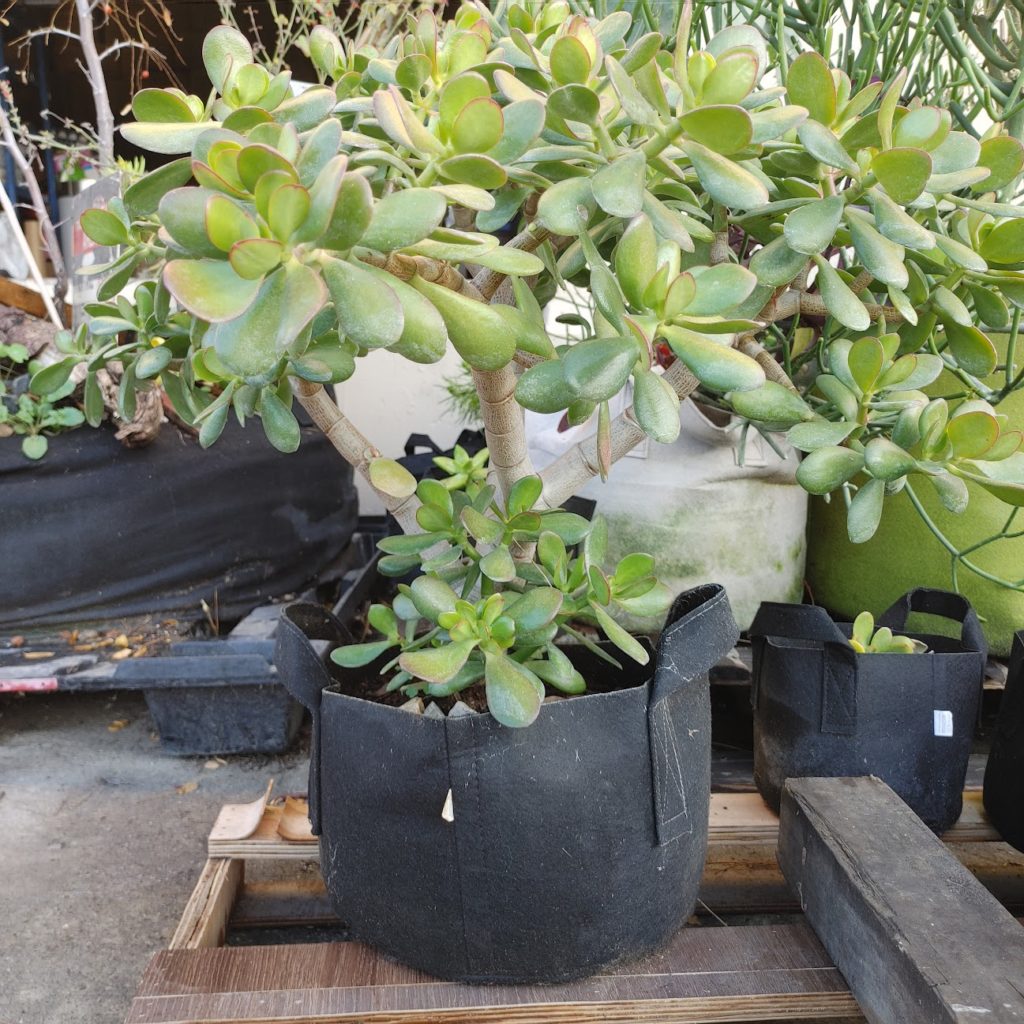
Credit: www.247garden.com
Handling And Mobility
Handling and moving grow bags needs care and planning. These bags change in weight and shape once filled with soil. Knowing how to manage their weight helps protect your plants and the bags themselves. Choosing the right place for your grow bags reduces the need to move them often. Careful handling keeps grow bags lasting longer and your plants healthier.
Weight When Filled
Grow bags become very heavy after filling with soil and water. A large grow bag can weigh 20 to 40 pounds or more. The weight depends on the size of the bag and soil moisture. Wet soil is much heavier than dry soil. Handling heavy bags can be hard and risky if done carelessly. Always check the weight before moving to avoid damage.
Best Practices For Moving
Move grow bags slowly and gently to avoid tearing the fabric. Lift from the bottom or use handles if they are strong. Do not drag grow bags on rough surfaces to prevent holes. Use two people to move large or heavy bags safely. Avoid sudden jerks or drops that can harm roots. Try to keep the soil inside stable during moves.
Choosing A Permanent Location
Pick a spot for grow bags that suits your plants and sunlight needs. A permanent location reduces the need to move heavy bags often. Place bags where water drainage is good to avoid soggy soil. Choose a flat, stable surface to keep bags from tipping. Setting grow bags in the right spot helps plants grow well and keeps bags intact longer.
Root And Soil Care
Root and soil care play a vital role in the health and longevity of plants grown in grow bags. Proper attention to roots and soil ensures strong growth and reduces transplant shock. Grow bags offer unique conditions that affect root development and soil moisture.
Understanding how roots interact with the fabric, the risks during transplanting, and the benefits of biodegradable bags helps maintain plant health longer.
Root Growth Through Fabric
Grow bags are made of breathable fabric. This allows roots to grow through the sides. It prevents roots from circling inside the container. Air pruning occurs when roots reach the fabric edges. This stops root tangling and encourages new root growth.
Strong root systems develop in grow bags. Roots get more oxygen, which boosts plant health. Still, roots growing outside the bag can be vulnerable to damage. Careful handling is needed to protect them.
Transplanting Risks
Transplanting plants from grow bags can be tricky. Roots that grow through the fabric may tear during removal. This causes root damage and slows plant recovery. Moving the grow bag gently reduces stress on roots.
Cutting away the bag carefully or planting the whole bag into the ground can help. Avoid rough handling to keep roots intact. Healthy roots speed up plant adaptation to new soil.
Biodegradable Bag Benefits
Biodegradable grow bags break down naturally in the soil. They reduce transplanting risks by allowing planting without removing the bag. Roots can grow freely through the decomposing material.
These bags improve soil health over time. They add organic matter as they break down. Plants benefit from better soil structure and nutrients. Biodegradable bags support sustainable gardening practices effectively.
Appearance And Pest Issues
Grow bags offer many benefits for gardeners but also face challenges with appearance and pests. Their look often differs from traditional pots, which can affect garden aesthetics. Pests may find grow bags attractive, causing damage to plants and soil. Understanding these issues helps maintain healthy plants and a neat garden space.
Aesthetic Drawbacks
Grow bags usually have a plain, utilitarian look. They lack the smooth finish of ceramic or plastic pots. Over time, dirt and water stains can make them look worn. Some grow bags may sag or lose shape when filled with soil. This can make garden beds look messy. Choosing bags with colors or patterns can help, but they still appear less polished than traditional pots.
Common Pests Attracted
Grow bags can attract insects like fungus gnats and root aphids. These pests thrive in moist soil and can harm plant roots. Slugs and snails may also hide around the bags, feeding on leaves. The fabric’s porous nature holds moisture, creating a perfect environment for pests. Regular inspection of plants and soil helps catch infestations early. Removing dead leaves and debris around bags reduces hiding spots for pests.
Preventing Damage From Animals
Animals like squirrels and rabbits may dig in grow bags. They look for food or shelter in the soft soil. To protect bags, place them on raised platforms or use cages. Covering the bags with mesh keeps animals away without blocking sunlight. Applying natural repellents around the garden discourages animals from approaching. Checking bags frequently helps spot any damage early and fix it fast.
Maintenance Tips
Proper maintenance helps your grow bags last longer and perform better. Simple care can prevent common problems like mold, algae, and fabric damage. Regular cleaning and smart storage keep bags in good shape for many growing seasons.
Preventing Mold And Algae
Mold and algae thrive in damp, shaded areas. Place grow bags where they get sunlight to stay dry. Avoid overwatering to reduce excess moisture. Use well-draining soil to prevent water buildup inside the bag. Allow the surface to dry between watering sessions. Check bags regularly for signs of mold or green algae growth. Remove affected soil and clean the bag surface if needed.
Cleaning And Storage
Empty grow bags after each season. Shake off old soil and debris. Rinse bags with water to remove dirt and salts. Use a mild soap solution to kill any fungi or bacteria. Rinse thoroughly to avoid soap residue. Let bags dry completely in the sun before storing. Store bags in a cool, dry place away from direct sunlight. Fold bags gently to avoid creases and tears during storage.
Extending Bag Lifespan
Choose high-quality grow bags made from durable materials. Avoid sharp tools near the bags to prevent cuts. Handle bags carefully when moving them, especially if full of soil. Rotate bags regularly to spread wear evenly. Use mulch on top of soil to keep moisture steady and reduce fabric wear. Replace bags once fabric thins or tears appear to protect plant roots. Proper maintenance saves money and supports healthy plant growth.
Cost And Value
When deciding to use grow bags, understanding their cost and value is important. Grow bags offer unique benefits but also come with some expenses. Evaluating how they compare with traditional pots can help you choose the best option for your garden. Value depends on how long the grow bags last and how well they suit your gardening needs.
Comparing With Traditional Pots
Traditional pots usually cost more upfront than grow bags. They are made from ceramic, plastic, or clay, which can last many years. Grow bags, made from fabric, wear out faster but are lighter and easier to move. Pots keep soil moist longer, while grow bags dry out faster but allow better root aeration. Each option serves different gardening styles and budgets.
Cost-effectiveness
Grow bags often cost less than many traditional pots. Their lower price makes them appealing for large gardens or temporary planting. While they may need replacing after a few seasons, their breathability helps plants grow strong roots. This can improve plant health and yield, adding value beyond the initial cost. Using grow bags wisely can save money over time.
When Grow Bags Are Worth It
Grow bags are worth buying when you need flexibility and easy storage. They work well for small spaces, balconies, or mobile gardens. Their lightweight nature makes planting and transplanting simpler. For gardeners focused on root health and drainage, grow bags offer clear benefits. If you need long-lasting containers or prefer decorative pots, traditional options might be better.

Credit: www.singhalglobal.com
Conclusion
Grow bags usually last between one to three years. Their lifespan depends on quality and care. Frequent watering and sun exposure can wear them out faster. Avoid overloading to prevent tearing and damage. Choose good-quality bags for longer use. Replace bags if they start to rip or lose shape.
Proper care helps your plants grow healthy and strong. Grow bags offer good drainage but need attention. Use them wisely for a successful gardening experience.