How Long Does Grow Bags Last: Ultimate Guide to Durability & Care

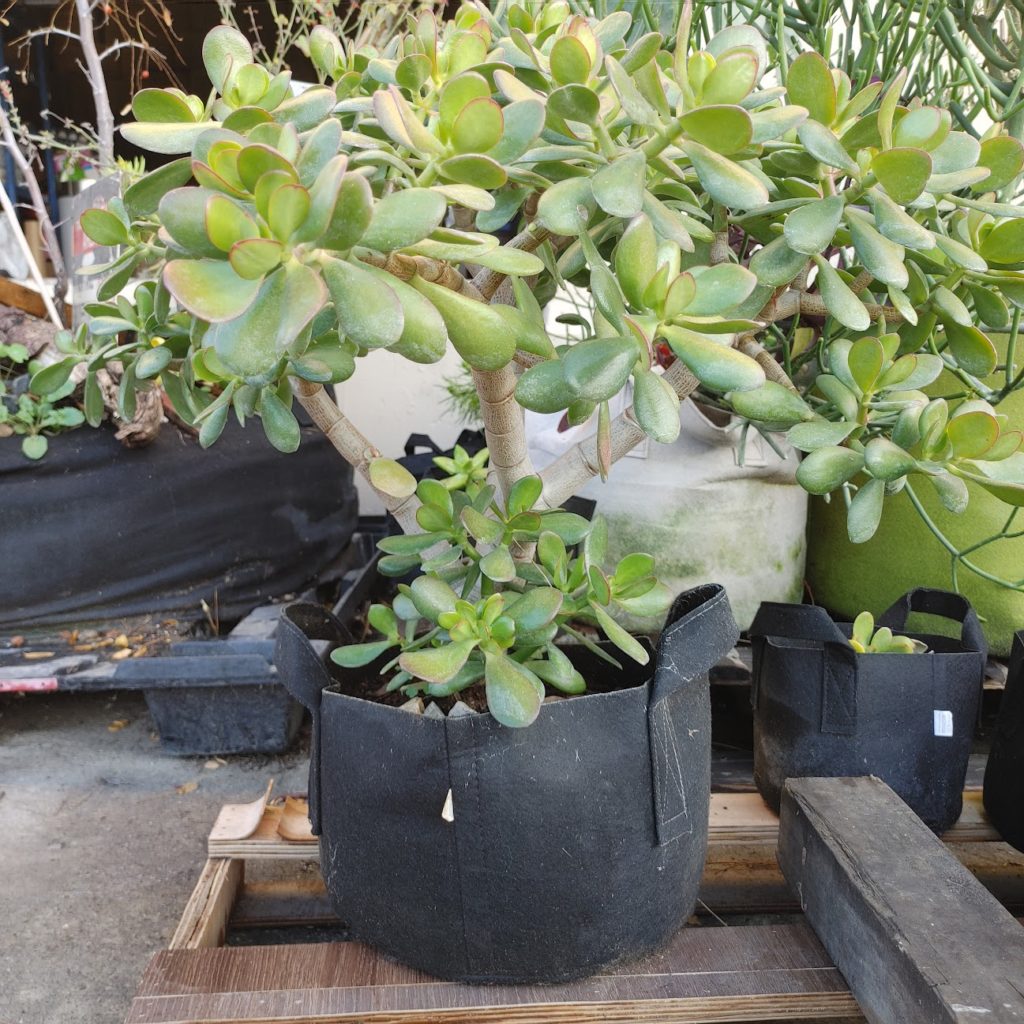
You’ve probably wondered, “How long does a grow bag last?” Whether you’re a seasoned gardener or just starting out, knowing the lifespan of your grow bags is key to planning your garden and protecting your plants. Grow bags are popular for their breathability and ease of use, but they don’t last forever.
If you want to get the most out of your investment and keep your plants healthy, it’s important to understand what affects their durability and when you should replace them. Keep reading, and you’ll discover everything you need to know about grow bag lifespan, so your garden thrives season after season.
Grow Bag Lifespan
Grow bags offer a flexible and breathable option for growing plants. Knowing their lifespan helps gardeners plan better. The durability of grow bags depends on several key factors. Understanding these can save money and effort in the long run.
Typical Duration
Most grow bags last between one and three years. Quality and usage affect this time span. Higher quality bags often last longer. Frequent use, exposure to sun, and weight of soil also matter. Some biodegradable bags break down faster, ideal for single season use.
Material Impact
Grow bags come in different materials like felt, fabric, or plastic blends. Felt and fabric bags breathe better but wear out quicker. Plastic blends last longer but may trap moisture. Natural fibers degrade faster due to exposure to water and sun. Choosing the right material depends on the type of plants and climate.
Environmental Factors
Sunlight breaks down the fabric fibers over time. Heavy rain can weaken the material and cause mold. Dry, hot climates cause faster wear and tear. Indoor use extends bag life since there is less exposure to elements. Proper care, such as storing bags in shade when not used, helps maintain their strength.
Durability Challenges
Grow bags face several durability challenges that affect their lifespan. Understanding these issues helps gardeners make better choices. These challenges mainly involve the fabric’s strength and the bag’s overall structure. Over time, wear and tear can reduce grow bags’ effectiveness and safety for plants.
Tearing And Ripping
Grow bags often suffer from tearing due to thin fabric. Sharp objects or rough handling can cause small rips. These tears grow larger with time and can lead to soil loss. Low-quality materials tear faster than heavy-duty fabrics. Exposure to sun and weather weakens the fabric fibers. Careful use and proper storage can reduce tearing risks.
Handle Weakness
Handles are a common weak point in grow bags. They bear the weight when moving the bag full of soil. Weak stitching or thin fabric can cause handles to break. Broken handles make moving the bag difficult and unsafe. Reinforced handles increase durability and ease of transport. Avoid lifting grow bags by the handles when they are very heavy.
Structural Instability
Grow bags lack rigid structure, causing instability. The flexible fabric shifts and deforms when moved or filled unevenly. This movement can disturb plant roots and soil balance. Bags may collapse or lean, stressing the plants inside. Placing grow bags on flat, firm ground helps maintain shape. Using grow bags with slightly thicker fabric improves stability.
Watering And Soil Care
Proper watering and soil care play a big role in how long grow bags last. These bags are made from fabric, which makes them breathable and lightweight. This breathability helps roots get oxygen but also means the soil dries out faster. Caring for the soil and watering correctly keeps plants healthy and extends the life of the grow bag.
Frequent Watering Needs
Grow bags dry out faster than regular pots. The fabric lets moisture escape quickly. This means plants need water more often. Check the soil daily to keep it moist. Avoid letting the soil dry out completely. Consistent watering helps plants grow strong and stops stress on the bag material.
Hydrophobic Soil Issues
Soil in grow bags can become hydrophobic if it dries too much. This means water runs off the soil surface and does not soak in. The soil repels water and plants can suffer from drought. To prevent this, water the soil before it gets very dry. You can also stir the soil gently to help it absorb water better.
Slow Watering Techniques
Pouring water too fast can cause it to run off the sides of grow bags. Water the soil slowly to let it soak in deeply. Use a watering can with a fine rose or drip irrigation. This method helps water reach the roots and reduces waste. Slow watering keeps soil healthy and prevents damage to the grow bag fabric.
Mold, Algae, And Pest Problems
Grow bags are popular for gardening, but they face challenges from mold, algae, and pests. These issues can shorten the lifespan of grow bags. Understanding these problems helps keep plants healthy and bags lasting longer.
Mold And Algae Growth
Mold and algae often grow on the fabric surface of grow bags. Moist and humid conditions encourage their growth. Poor drainage or overwatering makes the problem worse. Mold can cause unpleasant smells and damage the bag’s material. Algae can block sunlight and reduce air flow to roots.
Ants And Small Animals
Ants and small animals are attracted to grow bags for shelter or food. Ants may farm aphids on plants inside the bags. Small animals like rodents can chew the fabric, causing tears. These pests damage both plants and the grow bags. They may also carry diseases harmful to plants.
Prevention Tips
Place grow bags in well-drained, sunny spots to reduce moisture. Avoid overwatering to keep the fabric dry. Clean grow bags regularly to remove mold and algae. Use natural repellents or barriers to keep ants and animals away. Inspect bags frequently for holes or damage. Repair small tears quickly to extend bag life.
Handling And Mobility
Handling and moving grow bags can affect their lifespan and the health of your plants. These bags become heavy when filled with soil and water. Careful handling helps avoid damage to the bag and roots. Understanding weight, location, and root risks improves your gardening experience.
Weight Considerations
Grow bags get heavy once filled with soil and plants. Wet soil adds even more weight. Moving large bags can be hard and risky. Lifting too quickly or roughly may tear the fabric. Use both hands to lift and support the bottom. Avoid dragging bags on rough surfaces to prevent rips.
Choosing A Permanent Spot
Because grow bags are heavy and fragile, picking a good spot is smart. Find a place with enough sun and proper drainage. Avoid moving the bag often to reduce stress on roots and fabric. A stable spot lets plants grow without interruption. Think about weather conditions and accessibility before settling the bag.
Root Damage Risks
Roots can grow through the fabric of grow bags. Pulling or moving bags may harm these roots. Damaged roots slow plant growth or cause transplant shock. Biodegradable bags reduce this risk as roots can grow naturally. Handle bags gently to keep roots safe and plants healthy.
Credit: www.247garden.com
Appearance And Aesthetics
Appearance and aesthetics play a key role in choosing grow bags. Many gardeners want containers that look good in their garden or balcony. Grow bags have a simple, functional look. This may not suit everyone’s taste or style. Still, their design offers benefits that traditional pots do not provide.
Comparing To Traditional Pots
Traditional pots often have smooth surfaces and bright colors. They come in many styles and shapes. This variety can add beauty to any garden space. Grow bags usually have a rough, fabric texture. Their colors are often plain and muted. This makes them less eye-catching than ceramic or plastic pots. However, grow bags are lightweight and flexible. They fit well in casual or modern garden setups. Traditional pots are rigid and can crack or chip. Grow bags do not have these problems but may wear out faster.
Design Options
Grow bags come in different sizes and shapes. Some have handles for easy moving. They are available in neutral colors like black, brown, or gray. This helps them blend into the garden background. Some brands offer grow bags with printed patterns or brighter colors. This adds a bit of style without losing their practicality. The fabric material allows air to pass through, which helps plants grow healthy roots. Though simple, grow bags offer enough design variety to suit many growers.
Care Tips To Extend Life
Proper care helps your grow bags last longer and perform better. Small habits make a big difference. Keeping your grow bags clean, storing them correctly, and fixing minor damage can increase their lifespan. These care tips keep the fabric strong and ready for many growing seasons.
Proper Cleaning
Clean grow bags after each use to remove soil and plant residue. Use mild soap and water to wash the fabric gently. Avoid harsh chemicals that can weaken the material. Rinse thoroughly to remove all soap. Let the bags air dry fully before storing to prevent mold growth.
Storage Practices
Store grow bags in a dry, cool place away from direct sunlight. Fold them neatly to avoid creases and damage. Keep them off the ground to prevent moisture absorption. Using a storage container or bag helps protect from dust and pests. Proper storage keeps the fabric intact for the next planting season.
Repairing Minor Damage
Check your grow bags regularly for small tears or holes. Patch minor damage with fabric glue or sewing to stop it from worsening. Fixing small rips extends the bag’s life and avoids soil loss. Quick repairs save money and reduce waste by allowing more uses.
Choosing The Right Grow Bag
Choosing the right grow bag is crucial for healthy plant growth and longer use. The right bag supports root development and retains moisture well. It also lasts longer, saving money and effort. Consider fabric type, size, and biodegradability when selecting grow bags. These factors affect durability and plant health.
Fabric Types
Grow bags come in different fabrics like polypropylene, felt, and canvas. Polypropylene bags are lightweight and cheap but may tear easily. Felt bags offer better breathability and drainage, helping roots breathe. Canvas bags are sturdy and reusable but heavier. Choose fabric based on durability and plant needs. Breathable fabric prevents root rot and allows air pruning.
Size Selection
Select grow bag size based on plant type and root space. Small bags suit herbs and small flowers. Larger bags are needed for tomatoes, potatoes, or larger plants. Bigger bags hold more soil and water but can be heavy. Avoid too small bags to prevent root crowding. Proper size ensures healthy roots and reduces frequent watering.
Biodegradable Options
Biodegradable grow bags break down naturally in soil over time. They reduce plastic waste and are eco-friendly. These bags are ideal for transplanting as roots grow through the fabric. They usually last one or two growing seasons. Biodegradable bags may cost more but help the environment. Choose them if you want sustainable gardening solutions.
Conclusion
Grow bags usually last one to three growing seasons. Their lifespan depends on material quality and care. Frequent watering helps keep plants healthy but may wear bags faster. Avoid letting soil dry out completely to prevent damage. Watch for tears or mold, which shorten bag life.
Choose sturdy bags for longer use. Handling bags gently preserves their shape and roots. Replace grow bags when they show signs of wear. This keeps plants safe and growing well. Overall, grow bags offer flexible gardening but need regular attention.