How to Hang Planters Without Drilling: Easy & Damage-Free Tips

Want to add a splash of green to your space but worried about damaging your walls? You’re not alone.
Hanging planters can transform any room, balcony, or patio into a fresh, lively oasis. But drilling holes isn’t always an option—whether you rent, have delicate walls, or just want a quick, mess-free setup. What if you could hang your planters without drilling?
In this guide, you’ll discover simple, clever ways to showcase your plants without leaving a single hole behind. Ready to bring your space to life effortlessly? Keep reading to find out how!
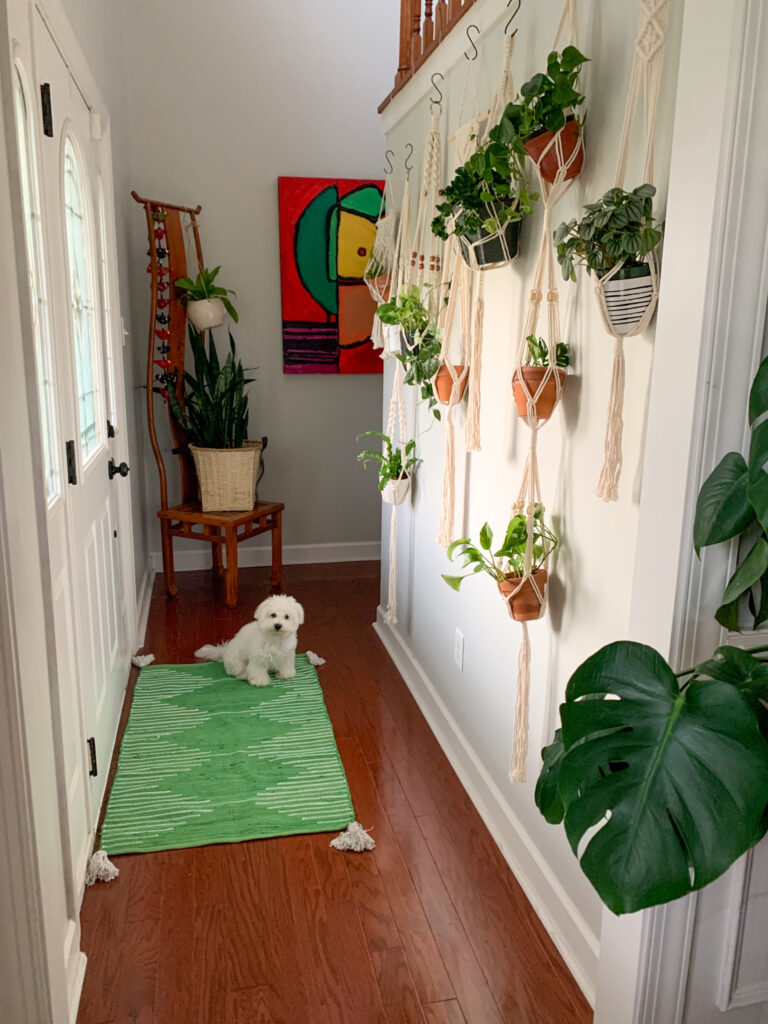
Credit: thegiftedgabber.com
Choosing The Right Planters
Choosing the right planters is key to hanging plants without drilling. The right planter makes the process safer and easier. It also helps your plants look great on walls or ceilings. Consider weight, material, size, and shape for the best fit. This guide will help you pick planters that suit your space and style.
Lightweight Options
Lightweight planters reduce stress on hooks and supports. Plastic and resin planters weigh less and are easy to hang. They hold soil and plants well without adding extra weight. Choose small to medium sizes to keep weight low. Lightweight options prevent damage to walls or ceilings.
Material Considerations
Planter materials affect durability and style. Plastic is affordable, light, and weather-resistant. Ceramic looks elegant but is heavier and fragile. Metal planters offer a modern look but add weight. Fabric pots are flexible and very light. Pick a material that suits your space and hanging method.
Size And Shape Tips
Choose a planter size that fits your plant and space. Small round pots work well for compact plants. Long, narrow planters suit trailing plants and tight areas. Avoid very large or heavy planters without strong supports. A balanced shape helps plants grow evenly and stay secure.
Adhesive Hooks And Strips
Adhesive hooks and strips offer a simple way to hang planters without drilling holes. They stick firmly to many surfaces and hold lightweight to medium-weight planters. These tools help keep walls intact and make hanging plants easy and fast.
Choosing the right adhesive hook or strip is important. Proper surface preparation ensures strong adhesion. Installing the hooks correctly keeps your planters safe and secure.
Types Of Adhesive Hooks
There are several types of adhesive hooks. Plastic hooks work well for small to medium planters. Metal hooks provide extra strength for heavier plants. Strips with hooks combine tape and a hook for easy hanging. Some hooks are clear and blend with the wall. Others come in different shapes and sizes to match your style.
Surface Preparation
Clean the surface before applying hooks. Use rubbing alcohol or mild soap to remove dirt and oils. Let the surface dry completely. Avoid textured or rough surfaces for best results. Smooth surfaces like glass, tile, or painted walls hold adhesive hooks better.
Installation Tips
Press the hook firmly against the surface. Hold for 30 seconds to ensure good contact. Wait at least one hour before hanging your planter. Avoid placing heavy planters on small hooks. Check the weight limit on the product packaging. Remove hooks carefully to prevent wall damage.
Using Tension Rods
Tension rods offer a simple way to hang planters without drilling holes. They fit tightly between two surfaces, like walls or window frames. This makes them perfect for renters or anyone avoiding wall damage. You can easily adjust or move them anytime. Plus, they hold a variety of planter styles and sizes.
Ideal Locations
Tension rods work best in narrow spaces. Hallways, window frames, and small balconies are great spots. They also fit well between kitchen cabinets or inside closets. Choose places where rods can stretch firmly. Avoid very wide or uneven spaces for better hold.
Weight Limits
Each tension rod has a weight limit. Check the product details before use. Light to medium planters suit most rods. Heavy pots may cause the rod to slip or fall. Use lightweight containers or plastic pots to stay safe. Distribute weight evenly across the rod.
Creative Arrangements
Hang multiple rods at different heights for a layered look. Combine small pots with trailing plants for charm. Use hooks on the rod to hang various planter types. Arrange plants by size or color to create a natural display. This adds life without permanent fixtures.
Command Strips And Velcro
Command strips and Velcro offer a simple way to hang planters without drilling holes. These options protect your walls and make hanging easy. They hold planters securely and can be removed cleanly.
Both methods work well on painted walls, tiles, and wood surfaces. They are great for renters or anyone avoiding damage. Choose the right product to fit your planter’s weight and size.
Best Strips For Planters
Use heavy-duty Command strips for medium to large planters. They hold more weight and stay strong over time. Velcro strips also work well for lighter planters. Look for outdoor or waterproof versions if needed.
Check the weight limit on the package before buying. Match strips to the planter’s size for the best hold. Extra-large strips give more support for heavier pots.
Application Process
Clean the wall with rubbing alcohol before applying strips. Avoid using water or cleaners that leave residue. Press the strip firmly on the wall for 30 seconds. Wait one hour before attaching the planter.
Attach the matching strip to the back of the planter. Press both strips together tightly. Hold for 30 seconds to ensure a strong bond. Let the adhesive set for at least an hour.
Removal Without Damage
To remove, gently pull the tab straight down. Stretch the adhesive slowly to release the grip. Avoid pulling outward to prevent wall damage. The strips come off cleanly without paint peeling.
Remove leftover adhesive by rubbing lightly with your fingers. Wash the wall with mild soap and water if needed. Command strips and Velcro keep walls safe and intact.
Hanging With Rope And Suction Cups
Hanging planters without drilling keeps walls safe and looks neat. Using rope and suction cups is a smart way to do this. This method works well on smooth surfaces like glass and tiles. It lets you add greenery without damage or mess. You can create a natural, cozy feel in any room quickly and easily.
Selecting Strong Suction Cups
Choose suction cups made from durable materials like silicone or rubber. They hold better and last longer. Check the suction cup’s weight limit to match your planter. Bigger suction cups usually hold more weight. Avoid cheap or thin suction cups. They lose grip and fall off.
Securing The Rope
Use a strong rope like cotton or nylon. Cut the rope longer than the hanging height. Tie a secure knot around the planter’s handle or hook. Loop the other end through the suction cup’s hook. Double knot it tightly to prevent slipping. Test the rope’s strength before hanging.
Tips For Smooth Surfaces
Clean the surface well before attaching suction cups. Use rubbing alcohol to remove dust and grease. Dry the surface completely for better grip. Press the suction cup firmly to push out air bubbles. Avoid touching the suction cup’s inner part with fingers. This keeps it sticky and strong.
Using Over-the-door Hooks
Using over-the-door hooks is a clever way to hang planters without drilling holes. These hooks fit over the top of a door or frame, providing a sturdy place to hang your plants. They are easy to install and remove, making them perfect for renters or anyone avoiding damage to walls.
Over-the-door hooks work well indoors or outdoors. They keep plants visible and add a touch of green to small spaces. This method saves floor space and keeps plants at eye level for easy care.
Suitable Doors And Frames
Choose doors or frames that are strong and stable. Standard interior doors usually work best. Make sure the top edge is flat and about 1 inch thick. Avoid doors with uneven surfaces or very thick frames.
Metal and wooden doors both support over-the-door hooks well. Check the gap between the door and frame to ensure the hook fits easily. This prevents damage or jamming when opening or closing the door.
Weight Capacity
Check the weight limit of your over-the-door hooks before hanging planters. Most hooks hold between 5 and 20 pounds. Choose hooks with rubber or padded grips to protect door surfaces.
Use lightweight pots and soil to stay within weight limits. Hanging heavy planters can cause hooks to bend or doors to stick. Balance the planter’s weight for safety and ease of use.
Decorative Ideas
Pick hooks that match your room’s style. Simple metal hooks offer a clean, modern look. Painted or decorative hooks add a pop of color and charm.
Combine multiple hooks for a mini hanging garden. Use different planter sizes and shapes to create visual interest. Add trailing plants to soften the edges and create a lush effect.
Diy Plant Hanger Alternatives
DIY plant hanger alternatives offer creative ways to display plants without drilling holes. These ideas save walls and keep your space flexible. They use simple materials and easy techniques anyone can try.
Try these three smart options to hang planters safely and stylishly.
Macrame Without Hardware
Macrame hangers add charm without needing nails or screws. Use strong cotton or nylon cords. Tie knots to form a secure cradle for your planter. Hang it from curtain rods, ceiling hooks, or sturdy furniture.
This method works well for lightweight pots and brings a boho vibe to your room.
Repurposing Household Items
Look around your home for items that can hold plants. Old ladders, wooden crates, or even baskets make good holders. Place them near windows or on shelves. Use string or wire to hang them from existing fixtures.
Reusing items saves money and adds a personal touch to your décor.
Portable Hanging Solutions
Portable hangers let you move plants easily. Use plant stands with hooks or foldable tripods. Another option is tension rods placed between walls to hang planters. These solutions need no damage to walls and suit renters well.
They provide flexibility and keep your plants safe and stylish.

Credit: www.youtube.com
Frequently Asked Questions
What Materials Work Best For Hanging Planters Without Drilling?
Strong adhesive hooks, tension rods, and plant hangers suit non-drill planter setups well.
Can I Hang Heavy Planters Without Drilling Holes?
Use heavy-duty adhesive hooks or ceiling hooks with anchors designed for weight support.
How Do I Protect Walls When Hanging Planters Without Drilling?
Choose removable hooks or pads to avoid wall damage and leave no marks.
Are There Safe Alternatives To Nails For Hanging Planters Indoors?
Yes, command strips, suction cups, and tension rods offer safe, damage-free options.
How To Hang Planters Without Drilling On A Balcony Railing?
Use railing clamps or hooks designed to fit securely without drilling holes.
Conclusion
Hanging planters without drilling saves walls and avoids damage. Use hooks, adhesive strips, or tension rods to hang plants easily. These methods work well for renters or anyone who dislikes holes. Choose the option that fits your space and weight needs.
Keep your plants safe and your walls clean. Enjoy green spaces without the hassle of tools. Simple solutions make hanging planters quick and neat. Try these ideas and bring life to your home today.