How to Hang Planters on a Fence: Easy Steps for Stunning Greenery
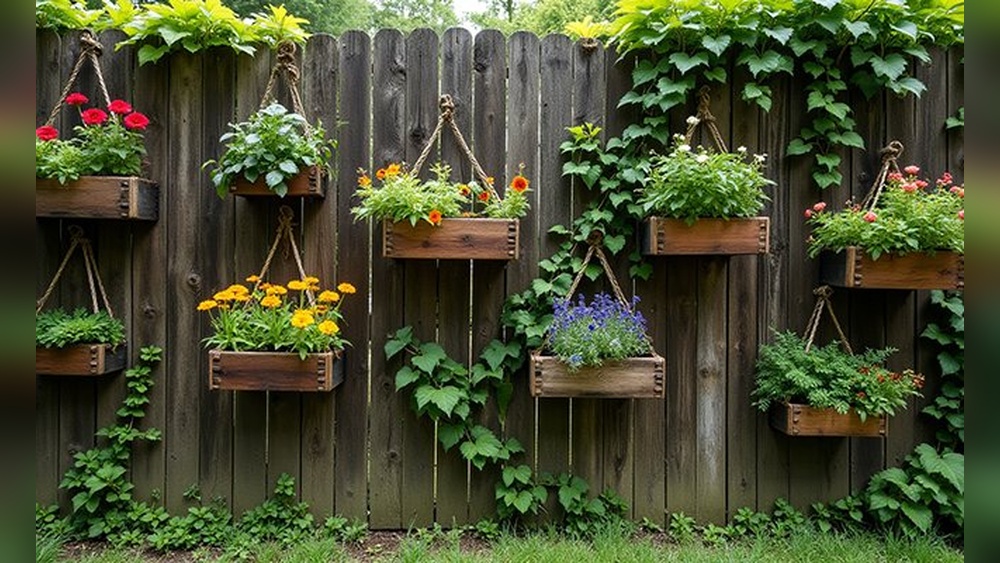
Looking to add a splash of green to your outdoor space? Hanging planters on your fence is a simple and stylish way to bring life and color right to your backyard or garden.
But how do you make sure they stay secure and look great? In this guide, you’ll discover easy steps and clever tips to hang your planters safely and beautifully. Whether you want to save space or create a stunning vertical garden, you’re just moments away from transforming your fence into a vibrant plant display.

Credit: www.perimtec.com
Choosing The Right Planters
Choosing the right planters is key to a beautiful fence garden. The planters must suit your fence and the plants you want. The right choice helps your plants grow well and looks great.
Material Options
Planters come in many materials like plastic, wood, metal, and ceramic. Plastic planters are light and cheap. Wooden ones look natural but may need care. Metal planters are strong but can get hot. Ceramic pots are pretty but heavy. Pick a material that fits your climate and style.
Size And Weight Considerations
Choose planters that fit your fence space. Small planters work well for herbs and flowers. Big planters hold larger plants but weigh more. Heavy planters need strong hooks or supports. Make sure your fence can hold the planter’s weight safely.
Style And Color Matching
Planters come in many colors and styles. Match the planter color with your fence or house. Neutral colors fit most places. Bright colors add a fun touch. Choose simple or decorative styles based on your taste. Style and color help your fence garden look nice and neat.
Selecting The Best Fence
Selecting the best fence for hanging planters is important for both safety and style. The right fence holds the weight of planters and suits your garden’s look. Consider the material, strength, and sunlight exposure. These factors help you choose a fence that supports healthy plants and looks good.
Wood Vs Metal Fences
Wood fences provide a natural look and are easy to attach hooks or brackets. They can hold heavy planters if the wood is strong. Metal fences are durable and resist weather well. They may need special hooks or clamps for hanging planters. Choose a fence that matches your garden’s style and planter weight.
Fence Condition And Strength
Check your fence before hanging planters. Look for cracks, rust, or loose boards. A strong fence holds planters safely. Weak fences risk falling and damaging plants. Repair or reinforce your fence if needed. Use sturdy hooks or brackets to secure planters well.
Sunlight And Placement
Place planters where plants get enough sunlight. Different plants need different light levels. South-facing fences usually get the most sun. East and west sides get moderate light. Avoid shady spots to keep plants healthy. Think about how sunlight changes through the day.
Tools And Supplies Needed
Hanging planters on a fence requires the right tools and supplies. These help you work faster and keep your plants safe. Having everything ready makes the job easier and more fun. Here is a list of what you need to get started.
Mounting Hardware
Mounting hardware holds your planters firmly on the fence. Hooks, brackets, and screws are common choices. Choose hardware that fits your planter’s size and weight. Rust-resistant materials like stainless steel or coated metal last longer outdoors. Use wall anchors if your fence is hollow or weak. This prevents planters from falling or damaging the fence.
Power Tools And Hand Tools
A drill is essential for making holes in wood or metal fences. Use drill bits that match your screws or anchors. A screwdriver helps you fasten screws tightly. Pliers and a hammer might be needed for bending or securing hooks. A measuring tape and pencil help mark the exact spots for mounting. Having these tools saves time and improves accuracy.
Safety Equipment
Safety is important when working with tools and hardware. Wear safety glasses to protect your eyes from dust and debris. Gloves protect your hands from sharp edges and splinters. Use ear protection if using loud power tools for a long time. Work in a clear space to avoid tripping or accidents. Safety gear keeps you safe and confident while hanging planters.
Preparing The Fence Surface
Preparing the fence surface is a key step before hanging planters. It ensures your planters stay secure and your fence stays safe. A clean, well-prepared fence holds hooks or brackets better. This also prevents damage to the fence material over time.
Cleaning And Inspecting
Start by cleaning the fence surface. Remove dirt, dust, and cobwebs using a brush or cloth. A clean surface helps hooks stick better. After cleaning, inspect the fence for damage. Look for cracks, rot, or loose boards. Fix any problems before hanging planters. A strong fence supports the weight safely.
Marking Mounting Spots
Decide where to hang each planter. Use a pencil to mark the spots clearly. Measure evenly to keep planters balanced. Mark spots at a height that is easy to reach. Proper marking saves time during installation. It also ensures your planters look neat and organized.
Protecting Fence Material
Use protective pads or plastic shields under hooks. This prevents scratches and water damage to wood or metal. Avoid direct contact between metal hooks and wood. Consider rust-resistant hooks for metal fences. Protection extends the life of your fence. It keeps your garden looking good longer.
Mounting Techniques
Mounting planters on a fence requires the right technique to keep them secure and stylish. The method you choose depends on the type of fence and planter. Safe mounting ensures plants get enough sun and stay stable. Below are common, easy ways to hang your planters.
Using Hooks And Brackets
Hooks and brackets offer a simple way to hang planters. Choose sturdy metal hooks that match your fence material. Screw the hooks into the fence at the desired height. Brackets provide extra support for heavier planters. They hold the planter’s weight evenly, preventing damage to the fence. Hooks and brackets allow for quick removal and repositioning of planters.
Attaching With Screws And Nails
Screws and nails create a strong hold for wooden or metal fences. Use weather-resistant screws to avoid rust and decay. Pre-drill holes in the planter holders to prevent splitting. Drive screws or nails directly into the fence slats. This method is permanent but very reliable for heavy pots. Make sure the planter is balanced and secure before hanging.
Employing Hanging Chains Or Ropes
Chains and ropes add a rustic look and flexible height options. Attach chains or ropes to the planter’s hooks or handles. Secure the other end to the top or sides of the fence. This method works well with open fences and spaces. Check the knots and links often to keep the planter safe. Chains are stronger but ropes give a softer, natural feel.
Plant Selection For Fence Planters
Selecting the right plants for fence planters is key to a vibrant garden. The plants must suit the fence’s light and space. Choose plants that grow well in small containers or hanging pots. Think about the colors, shapes, and textures you want to see. Healthy plants will make your fence look lively and inviting.
Choosing Climbers And Trailers
Climbers and trailers add height and depth to fence planters. They grow up or trail down, covering the fence beautifully. Ivy, sweet peas, and morning glories climb well. Trailing plants like petunias and lobelia hang down nicely. These plants fill spaces and create a lush, full look.
Drought-tolerant Varieties
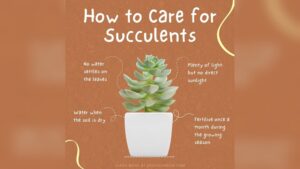
Drought-tolerant plants save water and need less care. They survive well in sunny, dry spots on the fence. Succulents, lavender, and sedum work perfectly. These plants keep their color and shape even in hot weather. Choose them for a low-maintenance and strong garden.
Seasonal And Perennial Options
Seasonal plants bring fresh colors every few months. Think about pansies in spring or mums in fall. Perennials return each year with little effort. Hostas, daylilies, and ferns are good choices. Mixing both types gives your fence beauty all year long.
Caring For Fence Planters
Caring for fence planters keeps plants healthy and vibrant. Proper care helps plants grow strong and look great on your fence. Simple steps help maintain your planter’s beauty all season.
Watering Tips
Water your fence planters regularly. Check soil moisture by touching it. Water when the top inch feels dry. Avoid overwatering, which can harm roots. Use a watering can or hose with a gentle spray. Water early in the morning or late in the evening. This reduces water loss from evaporation.
Fertilizing Schedule
Feed your plants to promote growth. Use a balanced, water-soluble fertilizer every two to four weeks. Follow the instructions on the fertilizer package. Avoid over-fertilizing, which can damage plants. Organic options like compost or fish emulsion work well. Fertilize more during the growing season and less in winter.
Pruning And Maintenance
Trim dead or yellow leaves to keep plants tidy. Pinch back leggy growth to encourage bushiness. Remove spent flowers to boost new blooms. Check plants for pests and diseases regularly. Clean the planters to prevent mold and algae. Proper maintenance helps your fence garden thrive.
Creative Design Ideas
Creative design ideas can transform a simple fence into a lively garden feature. Hanging planters on your fence offers a unique way to display plants. It brings color, texture, and life to outdoor spaces.
Experimenting with different arrangements and styles can make your fence stand out. Use these creative tips to enhance your planter display.
Grouping And Layering Planters
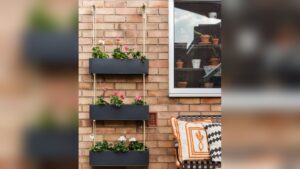
Cluster several planters close together for a bold look. Grouping different sizes and shapes creates visual interest. Layer planters at various heights to add depth. Use hooks or shelves to help with layering. This method makes your fence feel lush and full.
Incorporating Decorative Elements
Add small decorative items to complement the plants. Use fairy lights, colorful stones, or small sculptures. Choose elements that match your garden’s style. These touches give your fence a personal and artistic feel. They make the planter display more inviting and fun.
Seasonal Displays
Change your planters with the seasons for a fresh look. Use bright flowers in spring and summer. Add pumpkins or dried leaves in fall. Incorporate evergreens or berries in winter. Seasonal displays keep your fence interesting all year long.
Troubleshooting Common Issues
Hanging planters on a fence adds beauty to your outdoor space. Yet, some common problems may occur. These issues can affect the health of your plants and the fence’s condition. Simple fixes can help keep your garden looking great and your fence strong.
Dealing With Wind Damage
Strong wind can shake or knock down planters. Use sturdy hooks or brackets to hold planters tightly. Choose heavy pots or add weight inside light ones. Place planters in spots shielded by walls or bushes. Check and tighten the hanging tools regularly to prevent accidents.
Preventing Fence Rot
Water from planters can cause wood fences to rot. Use plastic liners inside pots to stop water leaks. Attach planters with spacers to let air flow between the planter and fence. Paint or seal the fence wood to protect it from moisture. Clean the fence area often to remove dirt and mold.
Managing Pest Problems
Planters can attract insects or pests to the fence. Inspect plants regularly for bugs or eggs. Remove dead leaves and debris to reduce hiding spots. Use natural pest repellents like neem oil or soap sprays. Keep the fence area clean and dry to discourage pests from settling.
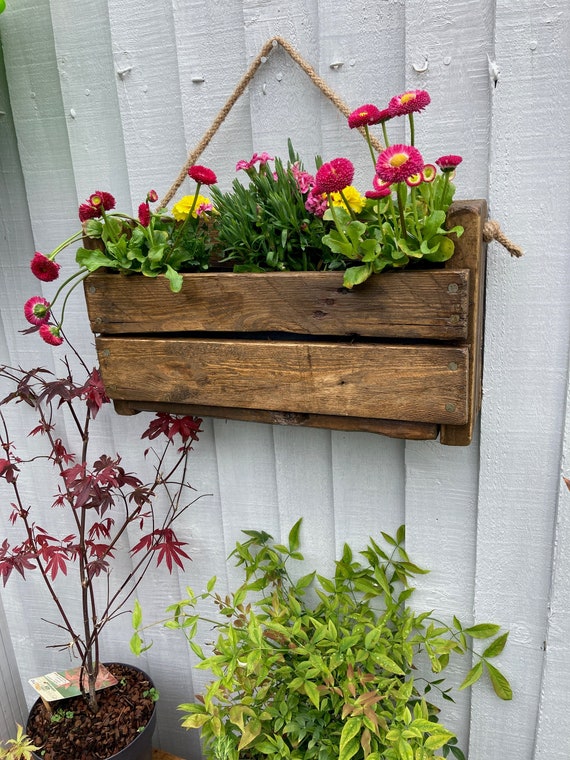
Credit: www.etsy.com
Frequently Asked Questions
What Tools Do I Need To Hang Planters On A Fence?
Basic tools include hooks, screws, a drill, and a level for proper placement.
Which Planters Work Best For Fence Hanging?
Lightweight, durable planters like plastic or metal ones suit fence hanging well.
How High Should I Hang Planters On A Fence?
Hang planters at eye level or slightly below for easy care and viewing.
Can I Hang Planters On Wooden And Metal Fences?
Yes, use appropriate hooks or brackets designed for the fence material.
How Do I Protect My Fence From Planter Damage?
Use liners or trays under planters to catch water and prevent wood rot.
Conclusion
Hanging planters on a fence adds charm and green space outdoors. Choose sturdy hooks or brackets to hold your plants safely. Place planters where they get enough sunlight and water. Arrange them at different heights for a lively look. Regular care helps your plants grow healthy and bright.
This simple project can refresh your garden or patio easily. Enjoy the fresh air and beauty your fence planters bring. Start small, and watch your outdoor space come alive.