How to Hang Planters on Deck Railing: Easy & Stylish Guide

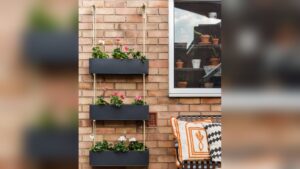
Want to add a splash of green to your deck without taking up floor space? Hanging planters on your deck railing is a simple and stylish way to do just that.
But how do you make sure they stay secure and look great? In this guide, you’ll discover easy steps and expert tips to hang planters safely and beautifully. Whether you’re a gardening newbie or a seasoned pro, this article will help you transform your deck into a vibrant outdoor oasis.
Choosing The Right Planters
Choosing the right planters for your deck railing sets the stage for a beautiful outdoor space. The right planter supports your plants and fits your deck’s style. It also ensures safety and ease of use.
Consider what material, size, and weight will work best for your railing. Each factor affects how your planters look and last over time. Think about your plants’ needs and your deck’s strength.
Material Options
Planters come in many materials. Plastic is light and affordable. It resists water and won’t rust. Wood gives a natural look but may need sealing to avoid rotting. Metal looks modern but can get hot in the sun. Ceramic is heavy and decorative but may crack in cold weather.
Size And Shape Considerations
Choose a size that fits your railing width. Small planters suit herbs or flowers. Larger ones hold bigger plants or multiple flowers. Shapes like rectangular or trough planters sit well on railings. Round ones may need special hooks or stands. Make sure the planter does not block your view or walkway.
Weight And Durability
Heavy planters need strong railings. Check your deck’s weight limit before hanging. Lightweight planters are easier to move and clean. Durable materials last longer outdoors. Consider weather conditions like sun, rain, and wind. A sturdy planter keeps plants safe and your deck secure.
Selecting Deck Railing Types
Choosing the right deck railing type is important for hanging planters safely and stylishly. Different materials affect how you attach planters and how they look on your deck. Knowing the features of each railing type helps you pick the best option for your space and plants.
Wood Railings
Wood railings offer a classic, natural look. They are easy to drill into or attach hooks on. Wood is strong and supports heavy planters well. You can paint or stain wood to match your deck style. Check for any damage or rot before hanging planters.
Metal Railings
Metal railings are sturdy and modern. They often come as bars or mesh, which can make hanging planters tricky. Use clamps or special hooks designed for metal. Metal does not absorb moisture, so it won’t rot. Watch for sharp edges that could damage planter hooks.
Composite Railings
Composite railings combine wood and plastic materials. They look like wood but last longer and need less care. Composite railings are strong but can crack if drilled incorrectly. Use clamp-on hangers to avoid damage. Their smooth surface may require extra grip for secure planter hanging.
Tools And Materials Needed
Hanging planters on deck railing creates a lovely outdoor space. You need the right tools and materials for a safe, secure setup. Preparing these items beforehand makes the job easier and faster.
Hangers And Brackets
Choose hangers made for deck railings. Metal or sturdy plastic hangers work well. Brackets provide extra support and hold heavier pots. Pick brackets that match your planter’s size and weight.
Check that hangers fit your railing shape. Some hangers hook over the top, while others clamp around the side. Pick the style that fits your deck best.
Mounting Hardware
Mounting hardware includes screws, bolts, and anchors. Use rust-resistant screws for outdoor use. This prevents damage from rain and sun.
Make sure screws fit your hangers and brackets. Use a drill or screwdriver to install them. Choose anchors if your railing needs extra grip.
Safety Equipment
Wear gloves to protect your hands from sharp edges. Safety glasses shield your eyes from dust or debris. Use a sturdy ladder if your railing is high.
Work in a clear area to avoid tripping. Take your time to avoid accidents. Safety keeps your project smooth and trouble-free.

Credit: www.amazon.com
Step-by-step Hanging Process
Hanging planters on a deck railing adds charm and greenery to outdoor spaces. Follow these clear steps to hang your planters safely and attractively. Each step focuses on preparing, attaching, and securing your planters.
Preparing The Railing
Start by cleaning the railing surface. Remove dirt, dust, and any loose paint. This helps hangers grip firmly. Check the railing’s strength. Make sure it can hold the planter’s weight. Use a level tool to find a straight spot. Choose a place with enough space for the planter.
Attaching Hangers Or Brackets
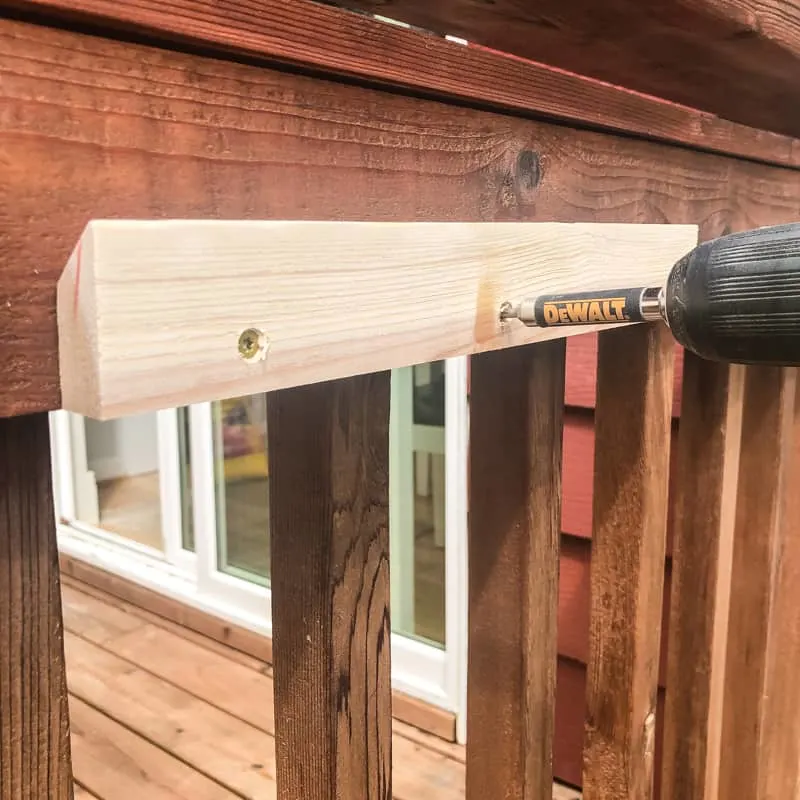
Select hangers or brackets that fit your planter size. Place them over the railing’s top edge. Secure them tightly using screws or hooks. Avoid loose fittings to prevent accidents. Follow product instructions for the best fit. Double-check hanger placement before moving on.
Securing The Planters
Place the planter onto the attached hanger or bracket. Adjust it to balance evenly. Use additional ties or straps if needed. This prevents movement during wind or rain. Confirm the planter sits firmly without wobbling. Water the plants carefully to avoid spills on the deck below.
Creative Hanging Ideas
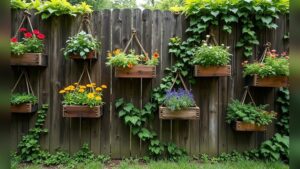
Hanging planters on deck railings can transform your outdoor space. Creative ideas make your deck lively and fresh. Use different styles to bring charm and color. Experiment with unique designs to match your taste.
Vertical Garden Style
Create a green wall by hanging planters vertically. Use stackable pots or tiered shelves on the railing. This saves space and adds depth to your deck. Mix herbs, flowers, and small vegetables for variety. Vertical gardens make a bold, natural statement.
Mixed Plant Arrangements
Combine different plants in one spot for a rich look. Use various sizes and colors of planters. Pair trailing plants with upright flowers for contrast. This mix attracts bees and butterflies. It also keeps your deck colorful all year.
Seasonal Themes
Change your planters to match the seasons. Use bright flowers in spring and summer. Add pumpkins or gourds in fall. In winter, try evergreens or festive decorations. Seasonal themes keep your deck fresh and inviting.

Credit: www.flowerwindowboxes.com
Maintenance Tips
Keeping your deck railing planters healthy and secure takes regular care. Maintenance helps plants thrive and keeps your deck safe. Simple steps make a big difference over time.
Watering And Drainage
Water plants regularly but avoid overwatering. Ensure planters have good drainage holes. Excess water should flow out easily to stop root rot. Use saucers to catch extra water and protect your deck wood.
Cleaning Planters
Clean planters every few weeks to remove dirt and algae. Use a soft brush and mild soap. Rinse well to avoid harming plants. Clean planters look fresh and help prevent pests.
Inspecting Supports
Check planter hooks and brackets often. Look for rust, cracks, or loose screws. Tighten or replace hardware as needed. Secure supports prevent accidents and keep planters stable during wind or rain.
Safety Considerations
Hanging planters on deck railings can add charm and greenery to your outdoor space. Safety is very important to keep your deck and loved ones safe. Careful planning helps prevent accidents and damage. Consider the weight of planters, weather effects, and safety for children and pets. These points protect your home and family.
Weight Limits
Check the deck railing’s weight capacity before hanging planters. Overloading can cause the railing to break or bend. Use lightweight planters or small pots. Distribute the weight evenly along the railing. Secure the hangers tightly to avoid slipping. Always follow the manufacturer’s weight guidelines.
Weather Impact
Wind, rain, and sun affect hanging planters. Strong winds can knock down or swing heavy planters. Use sturdy hooks or brackets that can handle weather changes. Choose materials that resist rust and rot. Waterlogged soil can increase planter weight. Remove or secure planters during storms to avoid damage.
Child And Pet Safety
Make sure planters are out of reach of children and pets. Hanging planters can fall if pulled or bumped. Use secure hangers that lock in place. Avoid plants that are toxic if eaten. Check regularly for loose hooks or broken parts. Keep the area safe and stable for your family.
Credit: www.thehandymansdaughter.com
Frequently Asked Questions
What Tools Do I Need To Hang Planters On Deck Railing?
You need hooks, brackets, screws, a drill, and a level for secure planter hanging.
Can I Hang Heavy Planters On Deck Railings?
Choose sturdy railings and strong hooks to safely hang heavy planters without damage.
How Do I Protect My Deck Railing From Water Damage?
Use waterproof liners or trays under planters to catch water and prevent railing damage.
What Types Of Planters Work Best For Deck Railings?
Lightweight, hanging, or railing-specific planters fit well and are easy to secure.
How High Should I Hang Planters On Deck Railings?
Hang planters at eye level or slightly below for easy watering and great views.
Conclusion
Hanging planters on deck railings adds charm and life to your outdoor space. Choose sturdy hooks or brackets for safety and ease. Measure your railing width before buying planters. Secure each planter firmly to avoid accidents. Water plants regularly to keep them healthy and bright.
Small steps bring big changes to your deck’s look. Try different plants to create a colorful display. Enjoy your cozy, green deck area every day.