How to Hang Hanging Planters: Easy Steps for Stunning Indoor Decor

Are you ready to bring a fresh, green touch to your space without taking up any floor room? Hanging planters are a simple and stylish way to do just that.
But how do you hang them so they look great and stay secure? In this guide, you’ll discover easy steps and clever tips to hang your planters like a pro. Whether you want to brighten up your living room, balcony, or office, this article will help you transform your space quickly and safely.
Choosing The Right Planter
Choosing the right planter is key to creating a beautiful hanging garden. The planter you pick affects your plants’ health and how your space looks. Think about the style, size, and material. These factors help your plants grow well and keep your setup safe.
Picking a planter is more than just style. It needs to hold soil and water without damage. It should fit the space where you want to hang it. The right planter makes your hanging garden easy to care for and stunning to see.
Types Of Hanging Planters
There are many types of hanging planters. Basket planters add a rustic, natural feel. Ceramic pots give a classic, sturdy look. Metal planters bring a modern touch. Plastic planters are lightweight and affordable. Each type suits different plants and spaces.
Choose a type that matches your style and plant needs. Some planters have built-in drainage holes. These help keep roots healthy by stopping water buildup. Others may need extra care to avoid water damage.
Material Considerations
Planters come in many materials. Clay and ceramic are heavy but strong. They keep soil cool and protect roots. Plastic is light and easy to move. It holds moisture well but can fade in sun. Metal planters look sleek but may heat up quickly.
Consider where you will hang your planter. Outdoor planters need to resist weather. Indoor planters focus more on style and weight. The material affects how long your planter lasts.
Size And Weight Factors
Size matters for hanging planters. A small planter fits small plants and light soil. Big planters hold larger plants but weigh more. Check the weight limit of your hanging spot. Strong hooks and supports keep heavy planters safe.
Pick a size that suits your plant’s root space. Don’t choose a planter too big or too small. Right size helps plants grow healthy and keeps the hanger secure.
Selecting The Perfect Location
Choosing the right spot for your hanging planter is key to healthy plants and a beautiful space. The perfect location supports plant growth and fits your home style. Think about light, room, and safety to find the best place for your planter.
Lighting Needs For Plants
Plants need light to grow. Some plants like bright sunlight. Others do better with low light. Check your plant’s needs before hanging. Place sun-loving plants near windows or outside. Shade plants do well in corners or under trees. Proper light keeps plants green and strong.
Space And Accessibility
Leave enough space around your planter. Plants need air and room to grow. Avoid tight spots that make watering hard. Choose a place easy to reach. This helps you care for plants without trouble. Think about nearby furniture and walking paths too.
Safety And Clearance
Make sure the planter hangs safely. Use strong hooks or brackets for support. Keep it away from doors or busy areas. Avoid spots where people can bump into it. Check the height so it does not block views or hit heads. Safety keeps your home and plants safe.
Tools And Supplies Needed
Hanging planters add charm and greenery to any space. To hang them safely, you need the right tools and supplies. These items make the process easy and secure. Prepare everything before you start for the best results.
Basic Hanging Hardware
Start with strong hooks or ceiling anchors. Choose hooks designed to hold the weight of your planter. S-hooks or eye bolts work well for many types of hanging planters. Use chains or sturdy ropes to hang the planter securely.
Mounting Tools
Drill and drill bits are essential to make holes in walls or ceilings. A screwdriver helps tighten screws and hooks. A tape measure ensures you hang planters at the right height. A level keeps your planter straight and balanced.
Additional Accessories
Wall anchors provide extra support in drywall or plaster. Rubber washers can protect surfaces from damage. A stud finder helps locate strong spots in walls or ceilings. Gloves protect your hands during installation.
Credit: www.homedepot.com
Installing Ceiling Hooks
Installing ceiling hooks is an important step in hanging planters safely. The hooks must hold the weight of the planter and the soil. Choosing the right spot and using the correct tools helps avoid accidents. Follow clear steps to secure your hanging planter.
Finding A Secure Anchor Point
Find a strong place in the ceiling to attach the hook. Look for wooden beams or joists. Use a stud finder to locate these supports. Avoid weak drywall alone. A solid anchor point keeps the planter steady and safe.
Drilling And Mounting Tips
Mark the spot where you will drill. Use a drill bit that matches the hook size. Drill slowly and straight into the anchor point. Screw the hook into the hole by hand. Tighten it until it feels secure but do not over-tighten.
Using Toggle Bolts For Drywall
Toggle bolts work well if there is no wood to hold the hook. They spread the weight over a larger area. Drill a hole big enough for the toggle bolt wings. Insert the toggle bolt through the hook and hole. Tighten the bolt to secure the hook firmly in drywall.
Preparing The Planter
Preparing the planter is a key step before hanging it up. This stage ensures your plants will grow well and stay healthy. Proper preparation also keeps your hanging planter safe and stable.
Potting Your Plants
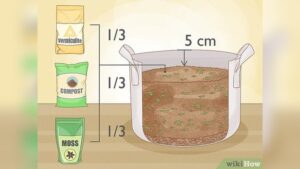
Choose soil that fits your plant type. Use fresh potting mix for best results. Fill the planter halfway with soil. Gently place your plant inside. Add more soil around the roots. Press the soil lightly to remove air pockets. Water the plant to help it settle.
Adding Drainage Solutions
Drainage is important to stop water buildup. Place small stones or broken pots at the bottom. This layer lets water drain away from roots. Avoid overwatering by checking soil moisture often. Proper drainage keeps roots healthy and prevents rot.
Securing The Hanging Mechanism
Check your planter’s hooks or ropes. Make sure they are strong and not frayed. Attach the hanging mechanism tightly to the planter. Test the weight by lifting gently. Use sturdy ceiling hooks or wall brackets for support. Secure installation prevents accidents and keeps your plants safe.
Credit: www.modmusings.com
Hanging And Adjusting Planters
Hanging and adjusting planters is a simple way to brighten any space. Proper hanging ensures your plants stay safe and look great. Adjusting the height and balance helps plants get enough light. It also keeps your space neat and organized.
Attaching To Hooks Safely
Choose strong hooks made for the weight of your planter. Use a drill or screwdriver to fix hooks securely into the ceiling or wall. Check the hooks are tight and will not pull out. Avoid weak or old hooks that can break easily. Always hang planters where they won’t fall on people.
Balancing And Leveling
Make sure the planter hangs evenly on the hook. A tilted planter can spill soil or water. Adjust the strings or chains to balance the weight. Use a small level tool if needed to check the planter’s position. Balanced planters look better and keep plants healthy.
Adjusting Height And Placement
Set the planter height so plants get enough light. Avoid places too close to walls or high traffic areas. Change the height if plants need more sun or shade. Keep planters easy to reach for watering and care. Move planters to fresh spots to keep plants growing strong.
Care Tips For Hanging Plants
Hanging plants add life and color to any space. Proper care helps them thrive and stay beautiful. Knowing how to water, prune, and protect these plants is key. These simple tips make caring for hanging planters easy and clean.
Watering Without Mess
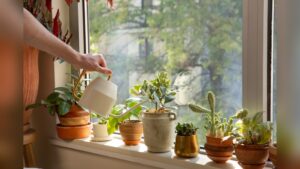
Watering hanging plants can be tricky. Use a watering can with a long spout for control. Water slowly to avoid spills. Place a tray or saucer under the planter to catch drips. Water early in the day to let excess moisture dry. Check soil moisture before watering to prevent overwatering.
Pruning And Maintenance
Regular pruning keeps hanging plants healthy. Remove dead or yellow leaves often. Trim long stems to encourage fuller growth. Pinch back new shoots to shape the plant. Clean leaves gently with a damp cloth to remove dust. Good maintenance helps plants grow strong and look fresh.
Pest Prevention
Pests can harm hanging plants quickly. Check leaves and stems regularly for bugs. Use natural sprays like neem oil to stop insects. Avoid overwatering, which attracts pests. Keep plants clean and remove fallen leaves. Early action keeps plants safe and healthy.
Creative Styling Ideas
Creative styling brings life to hanging planters. It turns simple plants into eye-catching decor. Using smart ideas, you can make your space feel fresh and unique. Play with shapes, colors, and heights to create a lively look. Explore different ways to style your hanging planters.
Grouping Multiple Planters
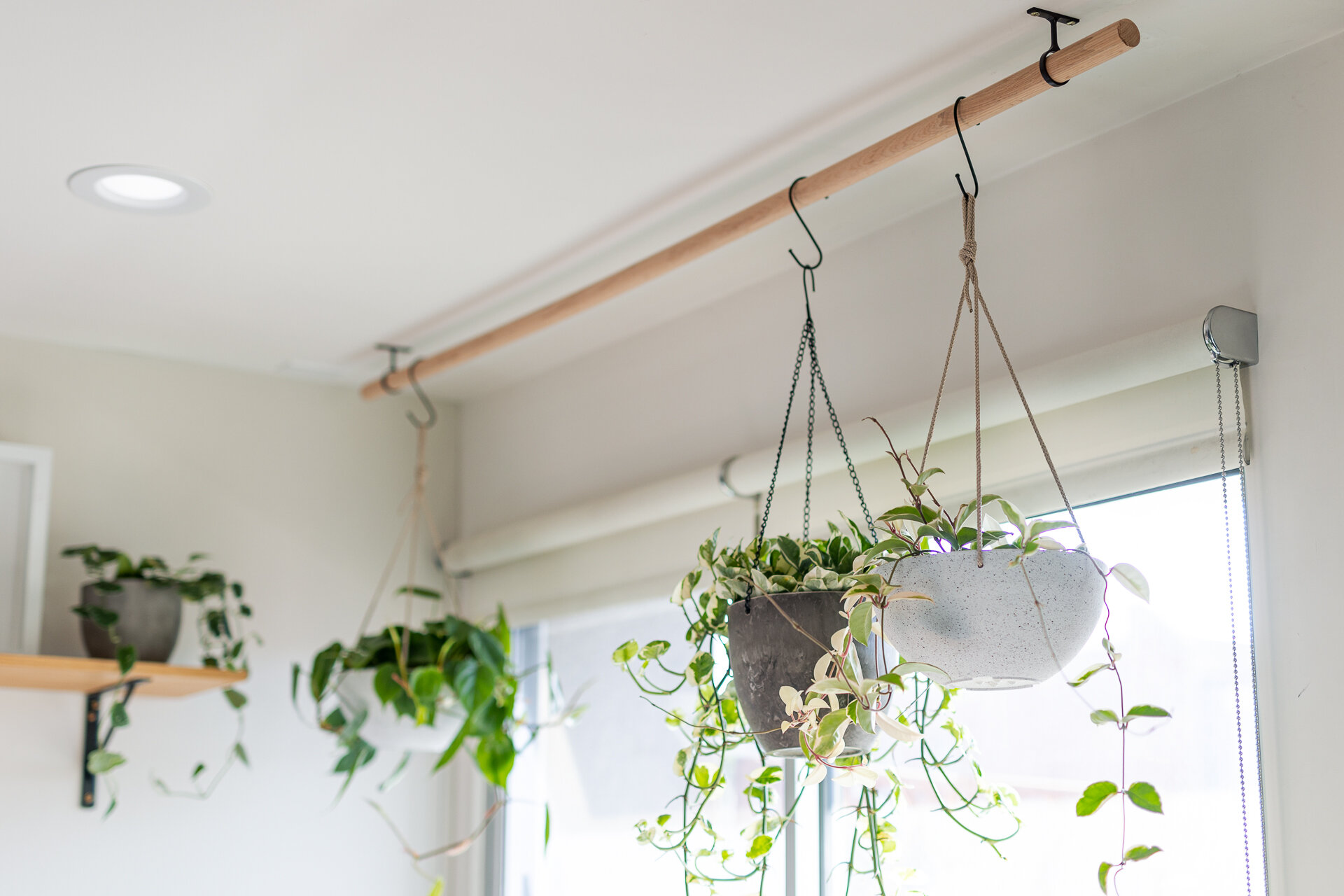
Cluster several planters together for a bold display. Use different sizes and shapes for interest. Hang them at varied heights to add depth. Choose plants with contrasting leaf colors or textures. This setup creates a natural focal point in any room.
Incorporating Decorative Elements
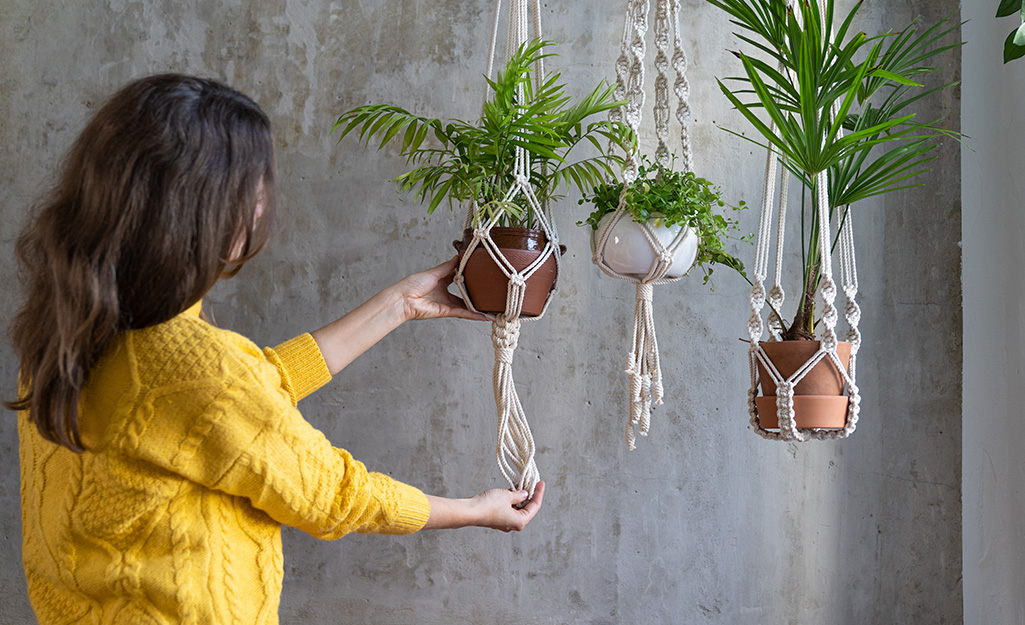
Combine planters with small lights or beads for charm. Use macrame hangers to add texture and style. Attach colorful ribbons or wooden tags for a personal touch. These details enhance the planter’s look without crowding space. Small additions make a big visual impact.
Seasonal And Themed Arrangements
Change your planter style with the seasons or holidays. Use bright flowers in spring and warm tones in fall. Add themed ornaments like tiny pumpkins or fairy lights. Rotate plants and decor to keep your space fresh and festive. Seasonal styling keeps your planters interesting year-round.
Frequently Asked Questions
What Tools Do I Need To Hang A Hanging Planter?
You need a drill, screws, hooks, a measuring tape, and a pencil for marking spots.
How High Should I Hang A Hanging Planter?
Hang it at eye level or higher to avoid bumping and to look nice.
Can I Hang Planters Indoors Without Ceiling Hooks?
Yes, you can use wall brackets or tension rods to hang planters indoors.
What Weight Limit Should I Consider For Hanging Planters?
Check the hook’s weight limit and keep the planter’s weight below it for safety.
How Do I Choose The Right Spot For Hanging Planters?
Pick a spot with enough light and space, away from strong wind or direct heat.
Conclusion
Hanging planters add charm and life to any space. Choose a strong hook and secure the planter well. Use the right tools to avoid damage. Keep your plants watered and cared for regularly. Try different spots to find the best light.
Enjoy the fresh look and feel they bring. Small steps make your home green and cozy. Start today and watch your space transform. Simple, fun, and rewarding.