How to Make Hanging Planters at Home: Easy DIY Guide

Are you looking for a simple way to add a touch of green to your home without taking up floor space? Hanging planters are the perfect solution.
Not only do they brighten up any room, but they also create a fresh and calming atmosphere. You’ll discover easy steps to make your own hanging planters at home using materials you probably already have. By the end, you’ll have a beautiful, personalized planter ready to show off your favorite plants.
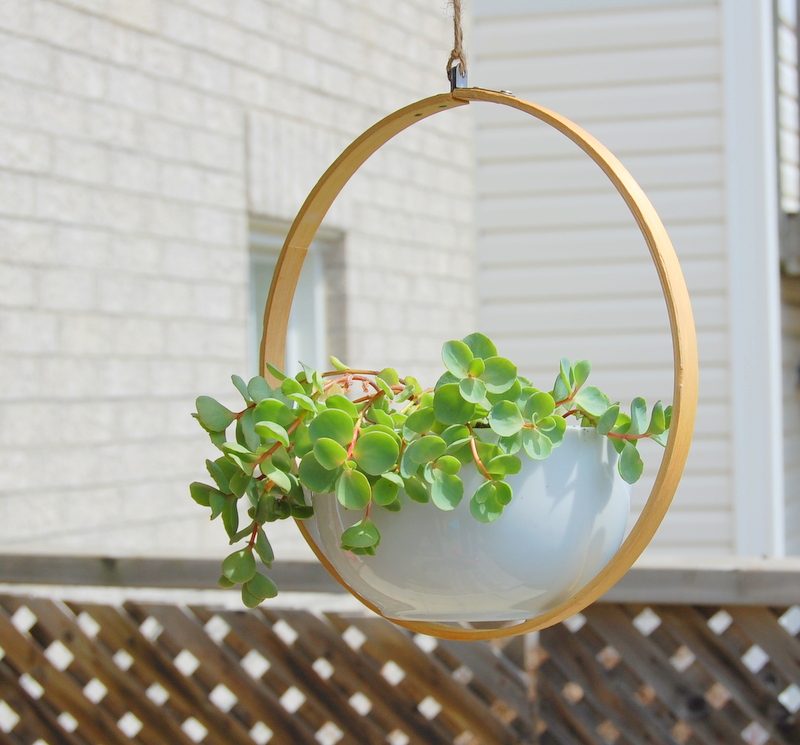
Credit: northstoryandco.com
Materials Needed
Starting a hanging planter project at home needs the right materials. Gather these items before you begin. It makes the process smooth and enjoyable. Choose each material with care to ensure your planter lasts long and looks great.
Choosing The Right Plants
Select plants that grow well in hanging containers. Look for those that like good air flow and moderate sunlight. Small flowers, succulents, and trailing vines work best. Check the plant size and weight too. Lightweight plants help keep your hanger safe and stable.
Selecting Planter Containers
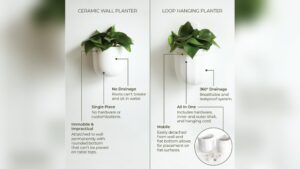
Pick containers made for hanging. They should have holes for drainage. Plastic, ceramic, or metal pots are popular choices. Consider the size based on your plant’s needs. Choose a container with a sturdy hook or rim for easy hanging.
Essential Tools And Supplies
Prepare basic tools to make your planter. You will need strong rope or chains for hanging. Scissors or pruning shears help with plant care. A drill might be needed to add holes to containers. Don’t forget soil mix suited for your plants. Small trowels and watering cans also help during planting.

Credit: www.youtube.com
Simple Hanging Planter Designs
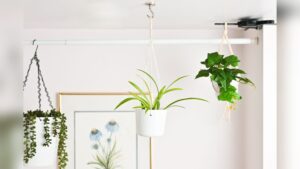
Simple hanging planter designs bring green life to any space. They are easy to make and look great. These designs use common materials you can find at home. Each style adds charm and saves floor space. Choose the one that fits your style and skill level.
Macrame Hangers
Macrame hangers use knots to hold pots. You only need rope or twine to start. Make knots evenly to hold the planter tight. This design adds a boho touch to your room. It fits well with small to medium pots.
Recycled Container Planters
Old containers make perfect hanging planters. Use cans, jars, or plastic bottles for this project. Clean them well and add drainage holes. Paint or decorate containers for a fresh look. Hang them with strings or wires for a simple setup.
Wooden Frame Planters
Wooden frames create a rustic planter style. Use small wooden crates or build a frame from scraps. Secure pots inside the frame with hooks or nails. This design holds multiple plants together. It is sturdy and fits outdoor or indoor spaces.
Step-by-step Making Process
Making hanging planters at home is a fun and simple project. It lets you add greenery to your space without using much room. Follow these clear steps to create your own hanging planter. You need only a few materials and some time.
Each step is easy to follow. Start by preparing your container. Then, create the hanging mechanism. Finally, plant your favorite greenery and add finishing touches. Let’s begin.
Preparing The Container
Choose a container that fits your style and space. It can be a small pot, jar, or even a tin can. Clean the container well to remove dirt or labels. If needed, paint or decorate it to match your decor.
Make sure the container has drainage holes. If not, drill a few small holes at the bottom. This keeps the plant roots healthy by preventing water buildup. A well-prepared container is the base for your planter.
Creating The Hanging Mechanism
Use strong string, rope, or twine for hanging. Cut four equal lengths, around two feet each. Tie each piece securely around the container’s rim or neck. Space them evenly to balance the weight.
Gather the loose ends at the top. Tie them together in a firm knot. This knot will hang on your hook or ceiling fixture. Check the strength before hanging to avoid falls.
Planting And Finishing Touches
Fill the container with potting soil, leaving some space at the top. Place your chosen plant inside carefully. Add more soil around the roots and press gently to secure.
Water the plant lightly to help it settle. Trim any excess strings or loose ends for a neat look. Hang your planter in a bright spot with indirect sunlight. Watch your hanging garden grow beautifully.
Tips For Hanging And Placement
Hanging planters bring life and style to any space. Placing them correctly makes a big difference in their beauty and health. Careful hanging and smart placement help your plants thrive and keep your home safe. Follow these simple tips for the best results.
Choosing The Best Location
Pick a spot with enough sunlight for your plants. Most hanging plants need indirect light. Avoid places with harsh, direct sun that can burn leaves. Consider the plant’s needs before choosing a room or corner. Near windows is usually a good choice. Make sure air can flow freely to avoid mold or pests.
Weight And Safety Considerations
Check the weight of your planter before hanging. Use strong hooks or anchors designed for the load. Secure them firmly into walls or ceilings. Avoid weak materials like drywall alone. Use studs or beams for better support. Always test the hook’s strength by gently pulling before hanging plants.
Maintaining Your Hanging Planters
Water plants carefully to avoid spills on floors. Use a watering can with a long spout for control. Check plants regularly for pests or dry soil. Rotate planters to help even growth. Clean leaves occasionally to keep them healthy and bright. Remove dead or yellow leaves to encourage new growth.
Troubleshooting Common Issues
Hanging planters bring beauty and life to any space. Sometimes, small problems can stop your plants from thriving. Knowing how to fix common issues helps your plants grow healthy and strong. This section covers key troubles and easy solutions for hanging planters.
Preventing Overwatering
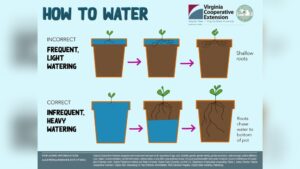
Too much water can harm your plants. It causes root rot and yellow leaves. Use pots with drainage holes to let extra water escape. Water only when the soil feels dry an inch deep. Avoid watering on a fixed schedule. Check the soil first.
Dealing With Pests
Small bugs can damage leaves and stems. Look for tiny holes or sticky residue. Use natural insect sprays made from soap and water. Wipe leaves gently to remove pests. Keep plants clean and avoid overcrowding. Healthy plants resist pests better.
Handling Plant Growth And Pruning
Plants grow fast and may become too large. Prune dead or yellow leaves regularly. Cut back long stems to encourage new growth. Use clean scissors to avoid infections. Pruning helps plants stay balanced and attractive in hanging planters.
Creative Variations
Creative variations make hanging planters exciting and unique. They let you express style and brighten any space. Small changes can give your planter a fresh look. Explore simple ideas to customize your hanging planters at home.
Using Colorful Materials
Choose bright ropes, yarn, or fabric strips for your hangers. Paint pots in vivid colors or patterns. Mix different shades to create contrast and charm. Colorful materials make your planter stand out. They also add energy to your room or garden.
Incorporating Lighting
Add small LED lights around your hanging planter. Use fairy lights or battery-powered bulbs for safety. Light highlights plants and creates a cozy mood. It works well for evening or indoor spaces. Lighting makes your planter a beautiful focal point.
Seasonal Decoration Ideas
Change decorations based on seasons and holidays. Use small ornaments like pinecones in winter or shells in summer. Add ribbons, dried flowers, or themed charms. Seasonal touches keep your planter fresh and festive. They bring joy and match your home’s vibe.
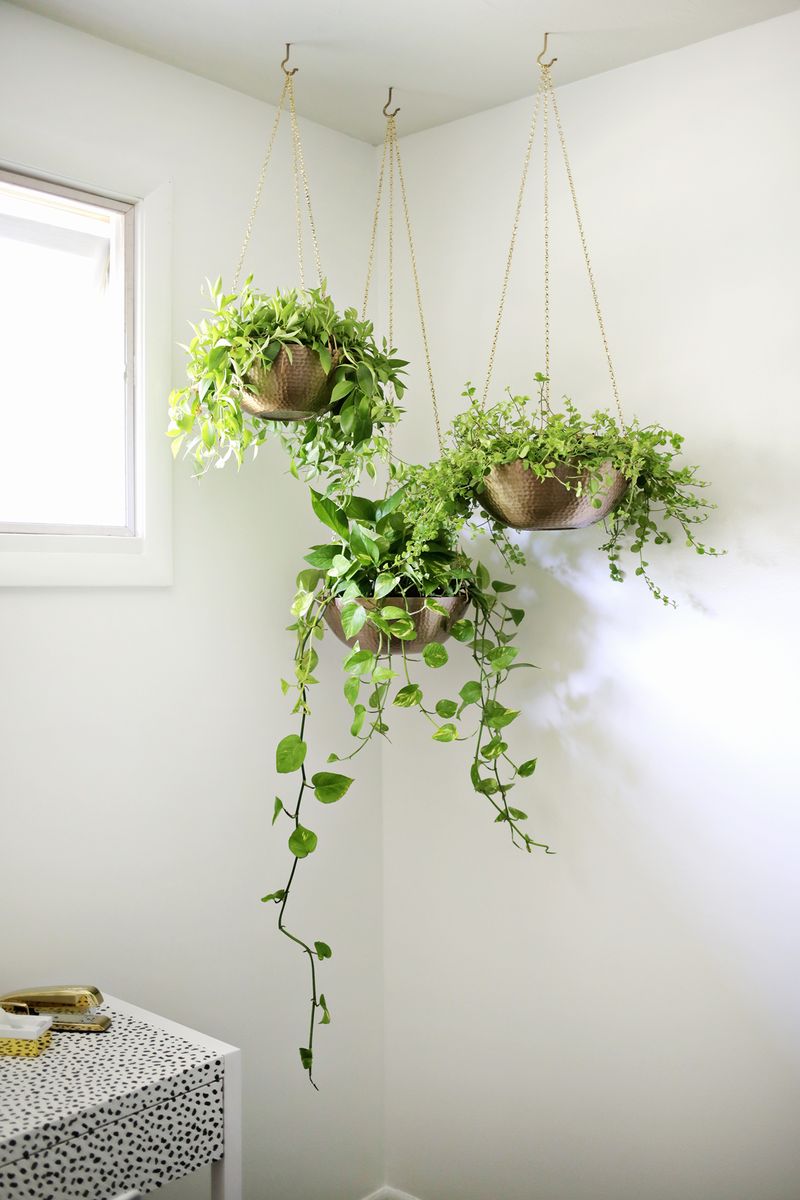
Credit: airtec.com
Frequently Asked Questions
What Materials Do I Need To Make Hanging Planters At Home?
You need pots, ropes or chains, hooks, and plants. Basic tools like scissors and a drill help.
How Do I Choose The Right Plants For Hanging Planters?
Pick small, light plants like succulents or herbs. They grow well in limited soil space.
Can I Make Hanging Planters Without Special Tools?
Yes. Use simple materials like old jars, ropes, and nails. No special tools required.
How Do I Hang Planters Safely Indoors?
Find strong ceiling beams or use wall hooks. Secure the planter well to avoid falls.
How Often Should I Water Hanging Plants?
Water once or twice a week. Check soil moisture; avoid overwatering to keep plants healthy.
Conclusion
Making hanging planters at home is simple and fun. You only need a few materials and some creativity. These planters save space and add beauty to your room or garden. They also let you grow plants even in small areas.
Try different shapes and styles to fit your space. Enjoy the process and watch your plants grow happily. Start today and bring fresh life to your home with hanging planters.