How to Use Hanging Planters: Transform Your Space with Style

Are you looking for a simple way to brighten up your space and bring nature indoors? Hanging planters might be just what you need.
They save floor space, add a fresh look, and let you showcase your favorite plants in a stylish way. But how do you choose the right hanging planter and care for your plants so they thrive? In this guide, you’ll discover easy tips and tricks to make the most of hanging planters, turning your home or office into a green oasis you’ll love.
Choosing The Right Hanging Planters
Choosing the right hanging planters makes a big difference in your space. The right planter not only holds your plants but also adds style and fits your room. Consider the materials, size, and how it matches your area. These points help pick the best planter for your needs.
Materials And Styles
Hanging planters come in many materials. Common options include plastic, ceramic, metal, and woven fibers. Plastic is light and cheap but less stylish. Ceramic looks elegant but can be heavy. Metal is durable and modern. Woven fibers give a natural, rustic feel. Choose material based on your style and where you hang the planter.
Size And Weight Considerations
Size matters for hanging planters. Small planters fit in tight spaces and hold small plants. Large planters suit big plants but need strong support. Consider the weight of the planter plus soil and plant. Heavy planters need sturdy hooks and ceiling anchors. Measure your space before buying to avoid crowding or falling.
Matching Your Space
Match your planter to the room style. Bright colors add fun to a plain room. Neutral colors blend with most decor. Think about the planter shape too. Round planters soften sharp corners. Square or geometric shapes give a modern look. Choose a style that feels right for your home or office.
Credit: www.seattletimes.com
Selecting Plants For Hanging Planters
Selecting the right plants for hanging planters is key to a beautiful display. Choose plants that suit the light and space of your home or garden. Some plants grow well indoors, while others thrive outside. Also, consider how much care your plants will need.
Best Indoor Plants
Spider plants, pothos, and philodendrons are great for indoors. They grow well in low to medium light. These plants also handle cooler indoor temperatures. Their trailing leaves look lovely hanging down. They need watering about once a week.
Outdoor Plant Options
For outdoor hanging planters, petunias and fuchsias stand out. These plants enjoy full sun or partial shade. They bloom in many colors, brightening up any space. Outdoor plants may need more watering in hot weather. Choose plants that resist pests for easier care.
Low Maintenance Choices
Succulents and air plants require little water. They survive in dry conditions and bright light. These plants suit busy people or beginners. They grow slowly and do not need frequent pruning. Low maintenance plants stay healthy with minimal effort.
Installation Tips And Techniques
Installing hanging planters is simple with the right tips. Proper installation helps your plants stay safe and look great. Follow these steps to place your planters correctly and keep them secure.
Finding The Perfect Spot
Choose a location that fits your plant’s light needs. Check for enough space around the planter. Avoid places with strong wind or heavy foot traffic. Make sure the spot is easy to water and care for the plant.
Mounting Hardware Options
Pick hardware that matches your wall or ceiling type. Hooks, brackets, or anchors work well for different surfaces. Use heavy-duty hooks for bigger, heavier planters. Always check the weight limit of your hardware before use.
Safety And Stability
Securely fasten the hardware to prevent falling. Use a drill and wall anchors for strong support. Test the planter by gently pulling down after installation. Keep planters away from places where children or pets can reach them easily.

Credit: www.amazon.com
Styling Hanging Planters
Styling hanging planters adds charm and life to any space. These planters bring nature indoors and brighten up dull corners. Arranging them well can create a cozy and inviting atmosphere. Small changes in placement and grouping make a big difference. Here are some simple ideas to style your hanging planters beautifully.
Grouping And Layering
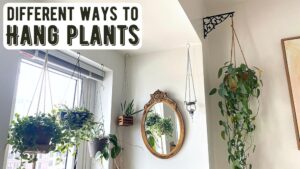
Group hanging planters at different heights for a layered look. This creates depth and makes the display more interesting. Use planters of varying sizes but keep a common style for balance. Clusters of three or five planters often look best. Layering plants with trailing vines adds movement and texture.
Color Coordination
Choose planter colors that match or contrast with your room’s palette. Soft pastels work well in calm spaces. Bright colors add energy and focus to dull areas. Match pot colors with plant leaves or flowers for harmony. Keeping a consistent color scheme helps the display feel planned and neat.
Incorporating Other Decor
Mix hanging planters with other decor pieces like lights or wall art. Small fairy lights around the plants create a warm glow. Wooden or metal elements nearby enhance natural vibes. Mirrors reflect the plants and open up the space visually. Keep the surrounding decor simple to highlight the plants.
Caring For Hanging Plants
Caring for hanging plants is simple and rewarding. They add life and color to any space. Proper care keeps them healthy and growing well. Focus on watering, light, and pruning to maintain your plants.
Watering And Drainage
Water hanging plants regularly but do not soak the soil. Check soil moisture by touching it. Water only when the top feels dry. Ensure pots have drainage holes to avoid water buildup. Excess water can cause root rot. Use a saucer or tray to catch drips. Water in the morning to allow drying during the day.
Light Requirements
Place hanging plants where they get the right light. Some need bright, indirect light, while others prefer shade. Avoid direct sunlight for sensitive plants as it can burn leaves. Rotate plants occasionally to ensure even growth. Know your plant’s light needs to place it correctly.
Pruning And Maintenance
Trim dead or yellow leaves to keep plants tidy. Remove spent flowers to encourage new blooms. Prune long stems to maintain shape and size. Clean leaves gently to remove dust. Regular care helps plants grow strong and look fresh. Check plants often for pests or diseases.
Creative Uses For Hanging Planters
Hanging planters are more than just pots with plants. They bring style and function to any space. Creative uses of hanging planters can change the look and feel of your home or garden. They save space and add green beauty in smart ways.
Vertical Gardens
Hanging planters can create a vertical garden on any wall. Place several planters in rows or patterns to cover the space with greenery. This setup works well for small areas with little floor space. It lets you grow herbs, flowers, or small vegetables easily.
Vertical gardens improve air quality and brighten dull walls. They make your home feel fresh and alive. Plus, they are easy to care for and fun to arrange.
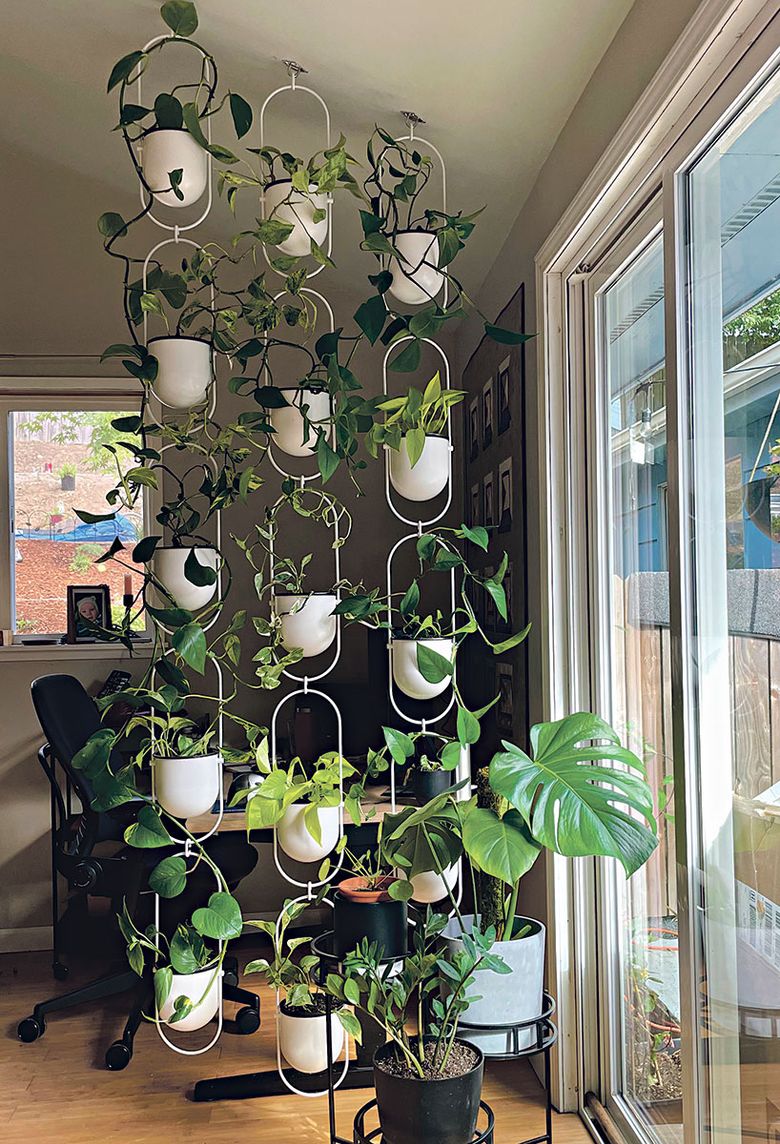
Room Dividers
Use hanging planters to divide large rooms into smaller areas. Suspended plants create natural walls without building anything permanent. This idea works great in studios or open-plan homes.
The plants soften the space and add privacy. You can change the look by swapping plants or rearranging the planters. It’s a flexible way to separate spaces with style.
Seasonal Decorations
Hanging planters offer a great way to celebrate different seasons. Change the plants to match holidays or weather changes. For example, use bright flowers in spring and rich colors in fall.
You can add small decorations like ribbons or lights to the planters. This turns your space into a festive and welcoming place. Seasonal hanging planters keep your home fresh and lively all year.

Credit: www.amazon.com
Frequently Asked Questions
What Are The Best Plants For Hanging Planters?
Light plants like ferns, ivy, and spider plants grow well in hanging planters.
How Do I Hang Planters Safely Indoors?
Use strong hooks and anchors suited for your ceiling type to hang planters safely.
How Often Should I Water Hanging Plants?
Water hanging plants when the top soil feels dry to touch, usually weekly.
Can Hanging Planters Save Space In Small Rooms?
Yes, hanging planters free floor space and add green decor to small rooms.
Do Hanging Planters Need Special Soil Or Pots?
Use lightweight soil and pots with good drainage to keep hanging plants healthy.
Conclusion
Hanging planters add life to any space, big or small. They save room and bring plants closer to eye level. Choosing the right spot and plants makes a big difference. Regular watering and care keep them healthy and bright. Try different styles to find what fits your home best.
Enjoy the fresh look and calming feel they create. A little effort brings a lot of green joy. Give hanging planters a chance to change your space today.