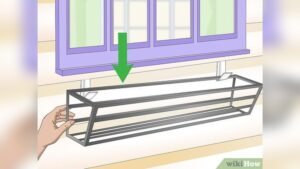
How to Hang Planters on Railing: Easy Steps for Stunning Gardens
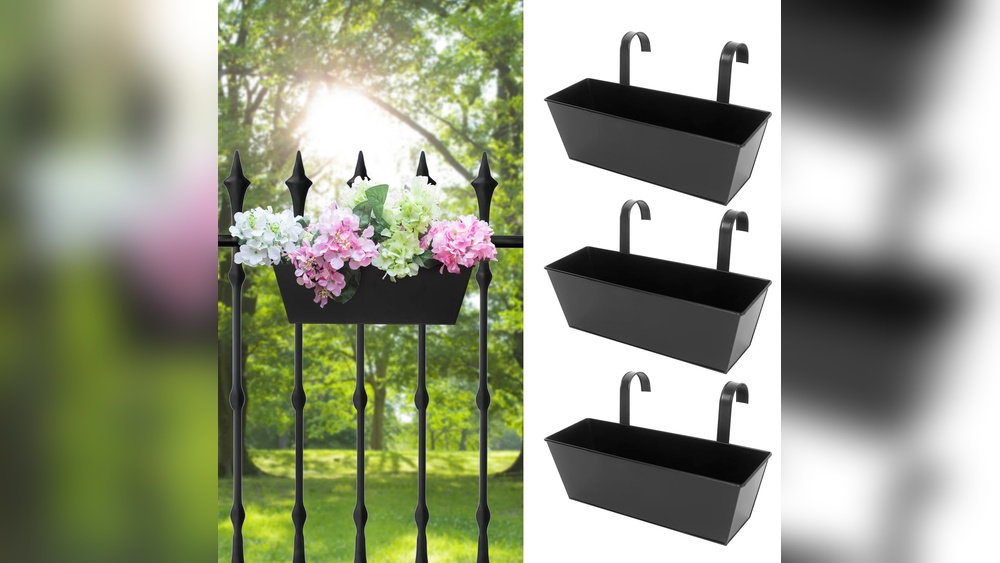
Looking to add a splash of green to your balcony or porch? Hanging planters on your railing is a simple and stylish way to bring life to your outdoor space.
But if you’re unsure how to do it without damaging your railing or risking your plants falling, you’re in the right place. This guide will show you easy, secure, and creative ways to hang your planters so your space looks vibrant and inviting.
Choosing The Right Planters
Choosing the right planters for your railing is important. The right planter fits well, looks good, and holds plants safely. Think about what material suits your space and style. Size matters too, so pick one that matches your railing. Also, weight and strength are key to keep planters steady and safe. Below are some details to guide your choice.
Material Options
Planters come in many materials. Plastic is light and easy to move. Metal looks modern but can get hot in the sun. Wood offers a natural look but may need treatment to last outside. Ceramic is pretty but heavy and can break. Choose material that fits your weather and style.
Size Considerations
Measure your railing before buying. Planters should not be too big or small. Small planters might not hold enough soil or water. Large planters can be heavy and take up space. Pick a size that fits your plants and railing perfectly.
Weight And Durability
Heavy planters need strong railing support. Light planters are easier to hang but may tip over. Check if your railing can hold the planter’s weight. Durable planters last longer and resist weather damage. Choose strong materials for safety and lasting use.
Selecting Suitable Railings
Selecting the right railing is important for hanging planters safely. Not every railing can hold the weight or fit the hooks of your planters. Knowing which railings work best helps protect your plants and your home. Check the type, strength, and safety of the railing before hanging anything.
Railing Types
Wood railings are common and easy to use. They offer strong support if in good shape. Metal railings are durable and often thinner. They may need special hooks to hold planters. Vinyl railings look nice but can be fragile. Avoid hanging heavy planters on them. Always match the planter hook to your railing style.
Load Capacity
Each railing has a weight limit. Check this before hanging any planter. Heavy planters need strong railings like wood or metal. Light railings can bend or break under pressure. Divide heavy loads across multiple hooks. This keeps your railing safe and stable. Test the railing strength with light weight first.
Safety Tips
Use secure hooks or brackets designed for railings. Avoid sharp edges that can damage plants or railing. Check hooks regularly for rust or wear. Do not overload a single spot on the railing. Keep walkways clear to prevent accidents. Always hang planters at a height easy to reach safely.
Tools And Supplies Needed
Hanging planters on a railing needs the right tools and supplies. These items make the job easier and safer. Preparing before starting saves time and avoids mistakes. Gather everything you need first. This way, you can focus on creating a beautiful space with your plants.
Basic Tools
You need a few basic tools to hang planters on a railing. A drill helps make holes for screws. A screwdriver is useful to tighten screws and hooks. Measuring tape ensures you place planters evenly. A pencil helps mark spots on the railing. These tools are simple but important for the task.
Mounting Accessories
Mounting accessories hold the planters securely on the railing. Hooks and brackets are common choices. Choose hooks that fit the railing size. Brackets add extra support for heavier planters. Zip ties and screws help fix the accessories firmly. Make sure the accessories are weather-resistant for outdoor use.
Protective Gear
Protective gear keeps you safe during installation. Gloves protect your hands from sharp edges. Safety glasses shield your eyes from dust and debris. Wearing closed-toe shoes prevents foot injuries. Using the right gear prevents accidents and helps you work confidently.

Credit: nmndesigns.com
Step-by-step Hanging Process
Hanging planters on a railing is an easy way to add beauty to your outdoor space. The process is simple and requires just a few steps. Follow this step-by-step guide to hang your planters securely and evenly.
Measuring And Marking
Start by measuring the length of your railing. Decide how many planters you want to hang. Mark spots evenly along the railing for balance. Use a pencil or tape to mark each point clearly. Measure the distance between marks to keep spacing consistent.
Attaching Hooks Or Brackets
Choose hooks or brackets that fit your railing size. Attach them at the marked points. Make sure they are tight and secure. Use screws or clamps based on your railing type. Check that each hook or bracket faces the right direction for hanging.
Securing The Planters
Place the planter on each hook or bracket. Ensure the planter sits firmly and does not wobble. Adjust the position if needed for balance. Double-check that all planters hang at the same height. This keeps your display neat and safe.
Plant Selection For Rail Planters
Choosing the right plants for rail planters is important for a healthy, beautiful display. Plants must fit the space and conditions on your railing. Consider how much sun and water they need. Also, pick plants that are easy to care for. This makes your rail garden enjoyable without too much work.
Sunlight Requirements
Check how much sun your railing gets each day. Some plants need full sun, about six hours or more. Others grow well in partial or full shade. Choose plants that match your railing’s sunlight. This helps them grow strong and bloom well.
Watering Needs
Plants in rail planters dry out faster than in the ground. Pick plants that can handle the watering routine you can give. Some need water every day, others only once or twice a week. Use plants with similar watering needs together to make care easier.
Low-maintenance Choices
Pick plants that do not need much care for a stress-free garden. Succulents, herbs like rosemary, and some flowering plants are good choices. They thrive with little water and simple care. This keeps your railing green without much effort.

Credit: www.flowerwindowboxes.com
Maintaining Your Railing Garden
Maintaining your railing garden keeps your plants healthy and vibrant. It ensures your space stays beautiful and inviting. Simple care steps can make a big difference in plant growth and appearance.
Regular Watering
Check soil moisture every day. Planters on railings dry out faster due to wind and sun. Water your plants when soil feels dry to touch. Avoid overwatering to prevent root rot. Use a watering can with a narrow spout for better control.
Fertilizing Tips
Feed your plants every two to four weeks during growing season. Use a balanced liquid fertilizer for best results. Follow the instructions on the label carefully. Fertilizing helps plants grow stronger and bloom brighter. Avoid excess fertilizer to prevent leaf burn.
Pest Control
Inspect plants regularly for pests like aphids and spider mites. Use mild soap spray or neem oil to treat infestations. Remove damaged leaves promptly to stop spread. Encourage natural predators like ladybugs if possible. Keep your garden clean and free of debris.
Creative Hanging Ideas
Creative hanging ideas make your railing planters stand out. They bring life and color to your outdoor space. Try simple tricks that change the look without much effort. Use layers, mix plants, or add seasonal touches. These ideas keep your railing fresh and inviting all year.
Layering Planters
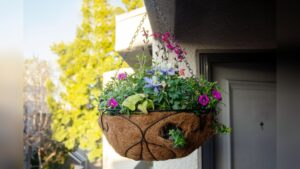
Layering planters adds depth and interest to your railing. Hang pots at different heights for a dynamic look. Use small pots on top and larger ones below. This creates a natural flow that draws the eye. Mix hanging baskets with railing-mounted pots for variety.
Mixing Plant Types
Mix plant types for texture and color contrast. Combine flowering plants with green foliage for balance. Use trailing vines alongside upright plants to soften edges. Choose plants with different leaf shapes and sizes. This mix brings energy and life to your railing garden.
Seasonal Decorations
Seasonal decorations refresh your planters throughout the year. Add small ornaments during holidays to create a festive mood. Swap flowers to match the season’s colors and themes. Use lights or ribbons to highlight your plants at night. These touches keep your railing vibrant and fun.
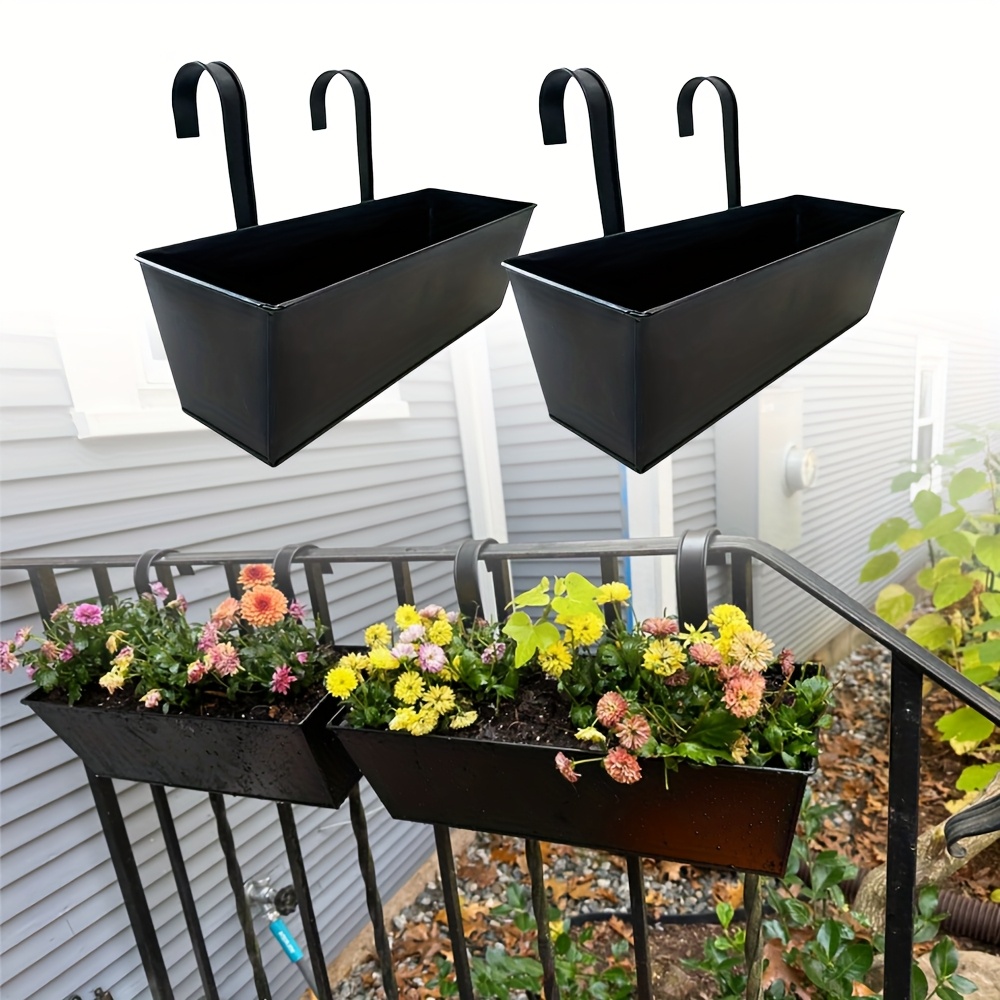
Credit: orlandonewbeginnings.com
Frequently Asked Questions
How Do I Choose The Right Railing Planter?
Pick a planter that fits your railing size and holds enough soil for your plants.
What Tools Do I Need To Hang Planters On Railing?
You need hooks, brackets, or zip ties depending on the planter style and railing type.
Can I Hang Heavy Planters On Balcony Railings?
Only if the railing is strong and secure enough to hold the weight safely.
How Do I Keep Hanging Planters From Falling?
Use sturdy hooks or brackets and check they are tightly fixed before planting.
What Plants Grow Well In Railing Planters?
Choose small, light plants like herbs, succulents, or flowers that don’t need deep soil.
Conclusion
Hanging planters on railings adds charm to any space. It saves floor space and brightens your outdoor area. Choose strong hooks or brackets that fit your railing well. Secure the planter to avoid accidents. Water plants regularly and watch them grow healthy.
Enjoy the fresh, green view every day. Simple steps make your railing garden neat and beautiful. Give your home a natural touch with easy planter hanging.