How to Hang Planters on Siding: Easy Steps for Stunning Results
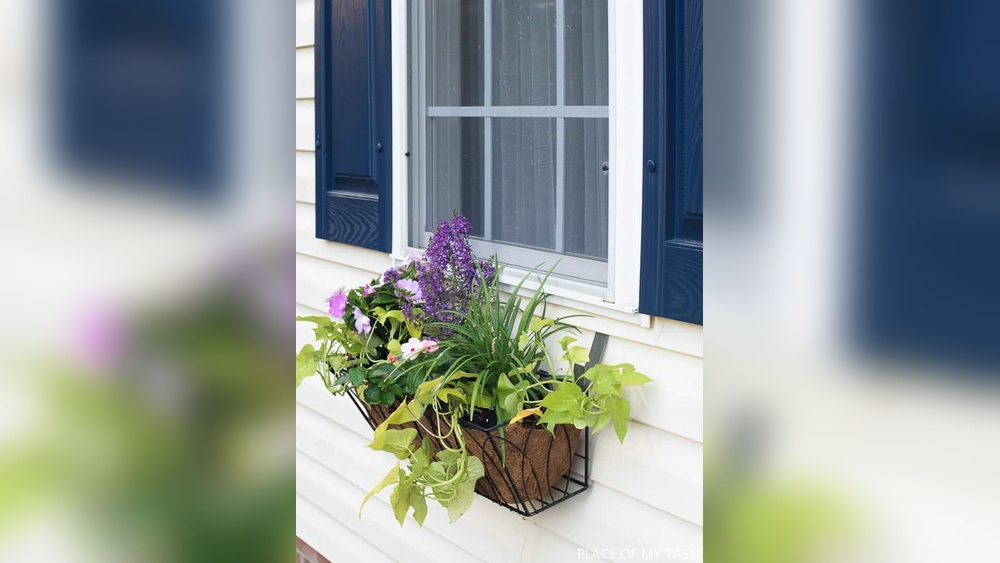
Are you looking to add a splash of green to your home’s exterior but worried about damaging your siding? Hanging planters on siding might seem tricky, but with the right tips, you can easily create a beautiful, thriving garden right outside your door.
Imagine vibrant flowers or fresh herbs brightening your space without any hassle or harm to your walls. In this guide, you’ll discover simple, effective ways to hang planters securely and safely. Keep reading, and you’ll learn exactly how to transform your siding into a stunning garden display that catches every eye.
Choosing The Right Planters
Choosing the right planters is key for hanging them on siding. The right planter protects your siding and supports healthy plants. It also adds beauty and fits your home’s style. Consider material, size, weight, style, and color before buying.
Material Options
Planters come in many materials. Plastic is light and weather-resistant. Metal planters offer a modern look and last long. Ceramic planters look classic but can be heavy. Wood planters add a natural touch but need sealing. Choose material that suits your climate and siding type.
Size And Weight Considerations
Pick planters that are not too heavy for your siding. Large planters hold more soil but add weight. Small planters are easier to hang and move. Check the weight limit of your siding and hardware. Balance size with the strength of your wall and hooks.
Style And Color Matching
Choose planter styles that match your home’s look. Simple designs fit modern homes. Ornate planters suit traditional houses. Pick colors that complement your siding color. Bright colors can add a pop, while neutral tones blend in. This choice enhances your home’s curb appeal.
Selecting Suitable Siding
Selecting the right siding is key to hanging planters safely and securely. Different siding materials need different approaches. Knowing your siding type helps prevent damage and ensures your planters stay in place.
Assess the siding’s strength before hanging. Some sidings can hold heavy planters. Others may need extra support or special hooks. Take time to check the material and condition of your siding.
Damage risks matter. Wrong hooks or heavy planters can crack or dent siding. Protect your home by choosing methods that suit the siding type. Careful planning makes your garden look great and keeps your siding safe.
Common Siding Types
Vinyl siding is lightweight and flexible. It can bend under heavy weight. Wood siding is strong but can rot if water gets in. Fiber cement siding is tough and holds hooks well. Aluminum siding is soft and dents easily. Knowing your siding type helps pick the right hooks and planters.
Assessing Siding Strength
Check if siding feels solid or hollow. Press gently to see if it moves. Solid siding can hold heavier planters. Hollow or thin siding needs lighter planters or wall anchors. Look for cracks or damage that could weaken the surface.
Avoiding Damage Risks
Use the right hooks for each siding type. Vinyl needs special hooks that clip on. Wood can take screws or nails but avoid too many holes. Fiber cement requires pre-drilling holes carefully. Avoid heavy planters that pull on siding. Secure planters tightly to stop movement and damage.
Essential Tools And Materials
Hanging planters on siding requires the right tools and materials. These help ensure your planters stay secure and look great. Using proper equipment also protects your siding from damage. Prepare all items before starting your project. This saves time and avoids mistakes.
Mounting Hardware
Choose mounting hardware that suits your siding type. Hooks, brackets, or hangers work well for most planters. Use rust-resistant materials like stainless steel or coated metal. These last longer outdoors and support heavier pots. Secure hardware firmly to hold the planter’s weight.
Drills And Anchors
A power drill makes holes quickly and cleanly. Pick drill bits that fit your chosen anchors. Anchors hold screws tightly in siding materials. Use plastic or metal anchors depending on siding thickness. Proper anchors prevent planters from falling or causing damage.
Measuring And Leveling Tools
Measure the space for your planters carefully. Use a tape measure for accurate length and height. A level ensures your planters hang straight and balanced. Mark spots lightly with a pencil before drilling. Accurate placement keeps your display neat and stable.
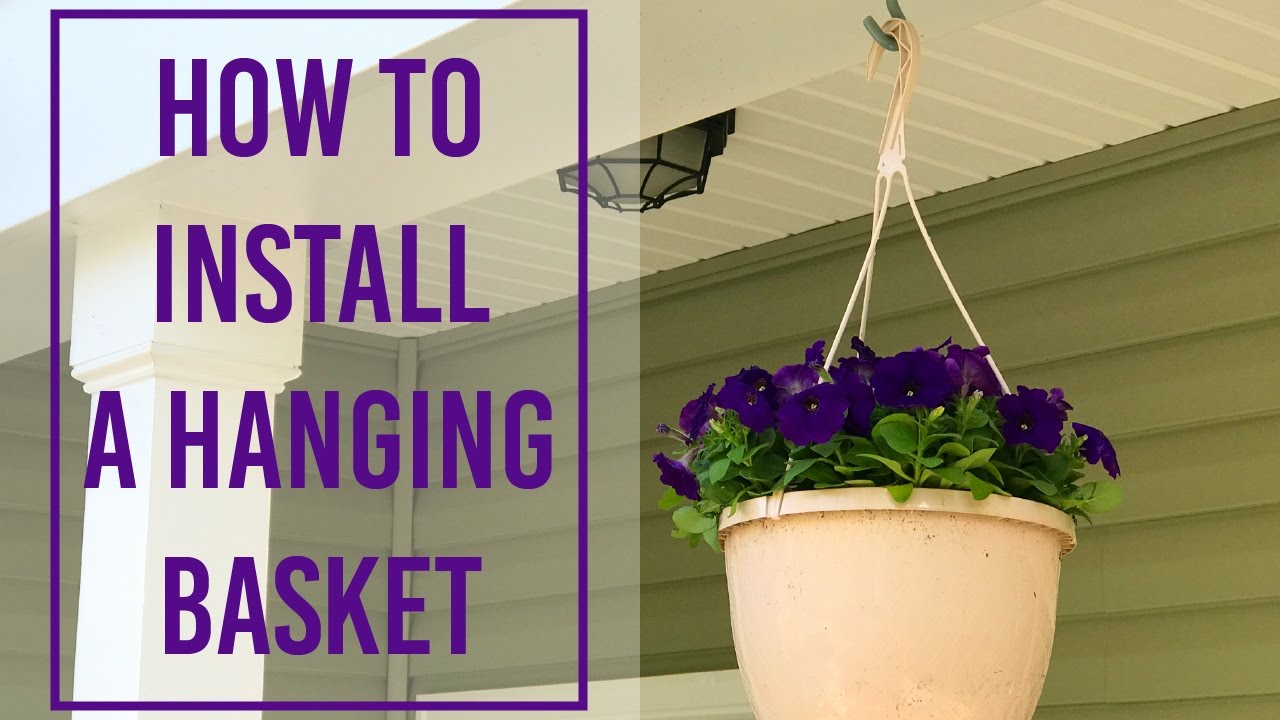
Credit: www.youtube.com
Mounting Methods For Planters
Mounting planters on siding can brighten any outdoor space. Choosing the right method keeps your siding safe and plants secure. Different mounting techniques fit different planter types and siding materials. Here are some simple and effective ways to hang your planters.
Using Hooks And Brackets
Hooks and brackets provide strong support for heavy planters. Choose rust-resistant hooks made for outdoor use. Find studs behind the siding for a secure hold. Use a drill to make pilot holes before screwing in hooks. Brackets offer extra stability for larger or heavier pots. This method works well for wood, vinyl, or fiber cement siding.
Installing Wall-mounted Shelves
Wall-mounted shelves add style and extra space for planters. Use sturdy brackets rated for outdoor weight. Make sure shelves are level before fixing them to the wall. Attach shelves to siding by locating studs or using proper anchors. Shelves allow you to display multiple plants in one spot. They work best on flat siding surfaces.
Adhesive Solutions
Adhesive hooks or strips are quick to install and cause no damage. Choose strong, weatherproof adhesives designed for outdoor use. Clean siding surface before applying adhesive for better grip. These solutions are best for lightweight planters or small pots. Avoid heavy planters with adhesives to prevent falls or damage.
Step-by-step Hanging Process
Hanging planters on siding can brighten any outdoor space. This step-by-step process helps you do it safely and correctly. Follow these simple steps for a strong hold and beautiful display.
Marking Placement
Choose the right spot on your siding. Hold the planter where you want to hang it. Use a pencil to mark the holes for the hooks or screws. Make sure the marks are level. This keeps the planter straight and balanced.
Drilling And Anchoring
Use a drill with the proper bit for your siding type. Drill holes at the marked points carefully. Insert wall anchors if needed. Anchors keep the hooks secure, especially on vinyl or wood siding. This step prevents damage and supports the planter’s weight.
Securing Planters
Screw the hooks or brackets into the anchors. Tighten them firmly. Hang your planter on the hooks. Check that it sits evenly and feels stable. Adjust if needed to avoid tilting or falling.
Waterproofing And Maintenance
Waterproofing and maintenance are important to keep your siding safe and your planters looking good. Water can cause damage to siding, so taking steps to protect it is necessary. Regular care helps avoid problems and keeps your outdoor space fresh.
Protecting Siding From Moisture
Use waterproof sealant around planter hooks and holes. This stops water from seeping into the siding. Choose rust-proof hooks to avoid stains and damage. Place a small drip tray under planters to catch excess water. Ensure planters have drainage holes that do not leak onto the siding.
Cleaning And Upkeep Tips
Clean your siding often to remove dirt and plant debris. Use a soft brush or cloth with mild soap and water. Avoid harsh chemicals that can damage siding. Check planter hangers regularly for rust or wear. Tighten screws and replace damaged parts as needed.
Seasonal Adjustments
Remove planters before winter to prevent freezing damage. Store them in a dry place to last longer. In spring, inspect siding for cracks or damage. Reapply sealant if needed to keep moisture out. Adjust planter placement to avoid blocking sunlight or airflow to siding.
Creative Arrangement Ideas
Creative arrangement ideas bring life and charm to your siding. They turn plain walls into vibrant green spaces. Simple techniques can create eye-catching displays. These ideas make your outdoor area unique and inviting.
Vertical Gardens
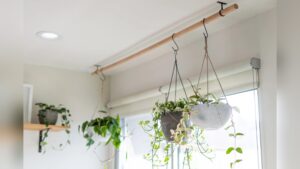
Vertical gardens save space and add height. Hang multiple planters in a column or grid. Use sturdy hooks or rails for support. Choose plants that grow well in small pots. This method creates a living wall full of color and texture.
Mixing Plant Types
Combine different plants for variety and interest. Mix flowers with leafy greens or succulents. Use various pot sizes and shapes. Contrast colors and leaf shapes for a striking look. This mix keeps your arrangement lively and fresh.
Using Decorative Elements
Decorative elements enhance planter arrangements beautifully. Add small lights or garden ornaments around the planters. Use colorful pots or painted hooks to add flair. These touches make your siding stand out. They add personality and style to your garden wall.

Credit: www.amazon.com
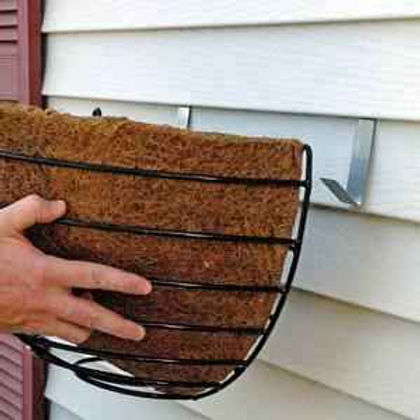
Credit: www.windowgardensdirect.com
Frequently Asked Questions
How Do I Hang Planters On Vinyl Siding Safely?
Use siding hooks or brackets designed for vinyl siding to avoid damage and ensure secure hanging.
What Tools Are Needed To Hang Planters On Siding?
You typically need a drill, screws, hooks, a level, and a screwdriver for hanging.
Can I Hang Heavy Planters On Siding?
Heavy planters require strong anchors or mounting on studs for proper support and safety.
How High Should I Hang Planters On Siding?
Hang planters at eye level or slightly below for easy watering and aesthetic appeal.
Will Hanging Planters Damage My Siding?
Proper installation with the right hardware prevents damage and keeps siding intact over time.
Conclusion
Hanging planters on siding adds charm to any home. Choose the right hooks and tools for your siding type. Secure the planters carefully to avoid damage and ensure safety. Regularly check your hangers for stability and wear. This simple step keeps your plants looking fresh and your siding intact.
Enjoy the beauty and freshness that hanging planters bring to your space. Easy, neat, and rewarding. Give your home a touch of green today!